

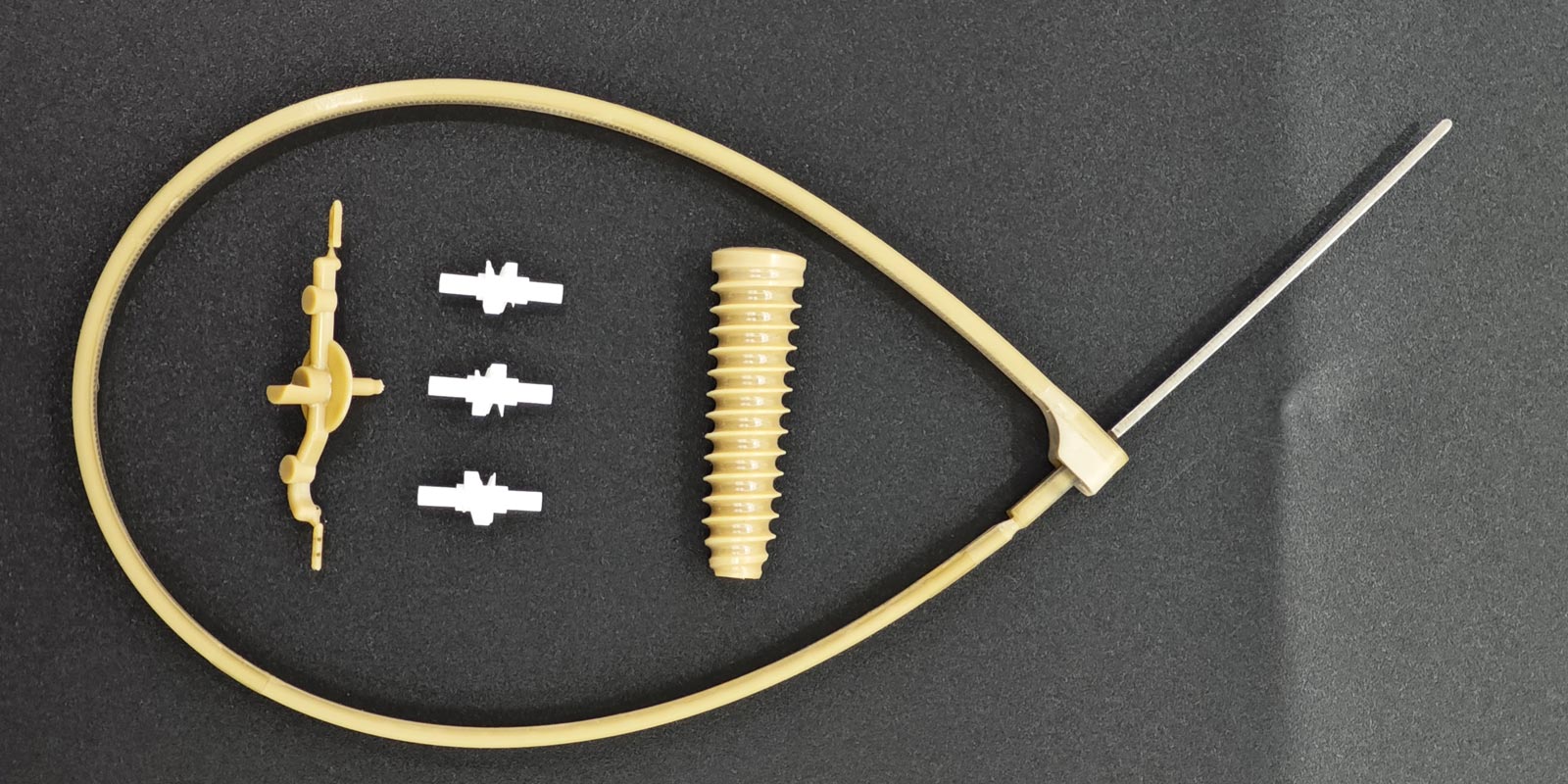
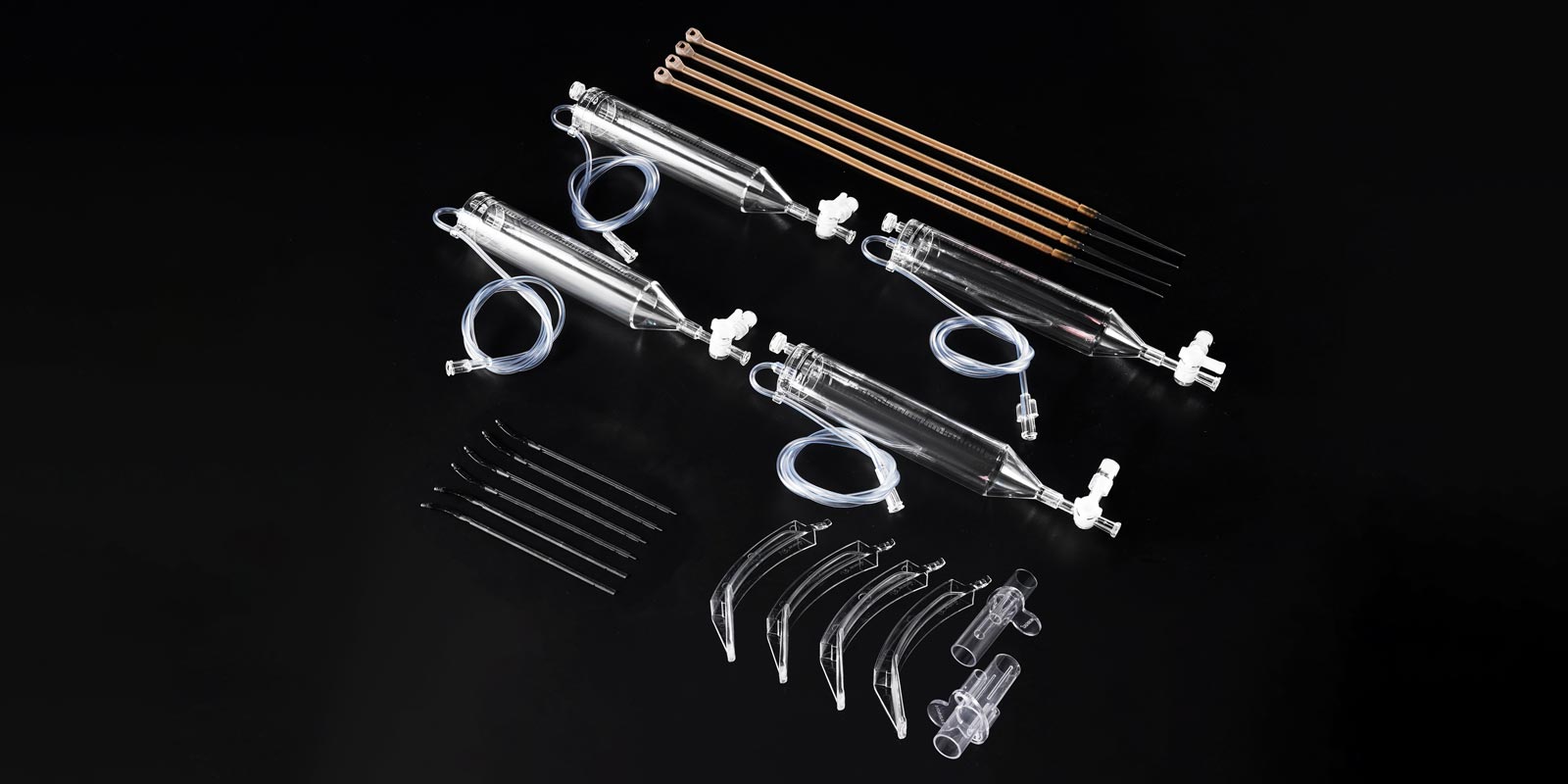
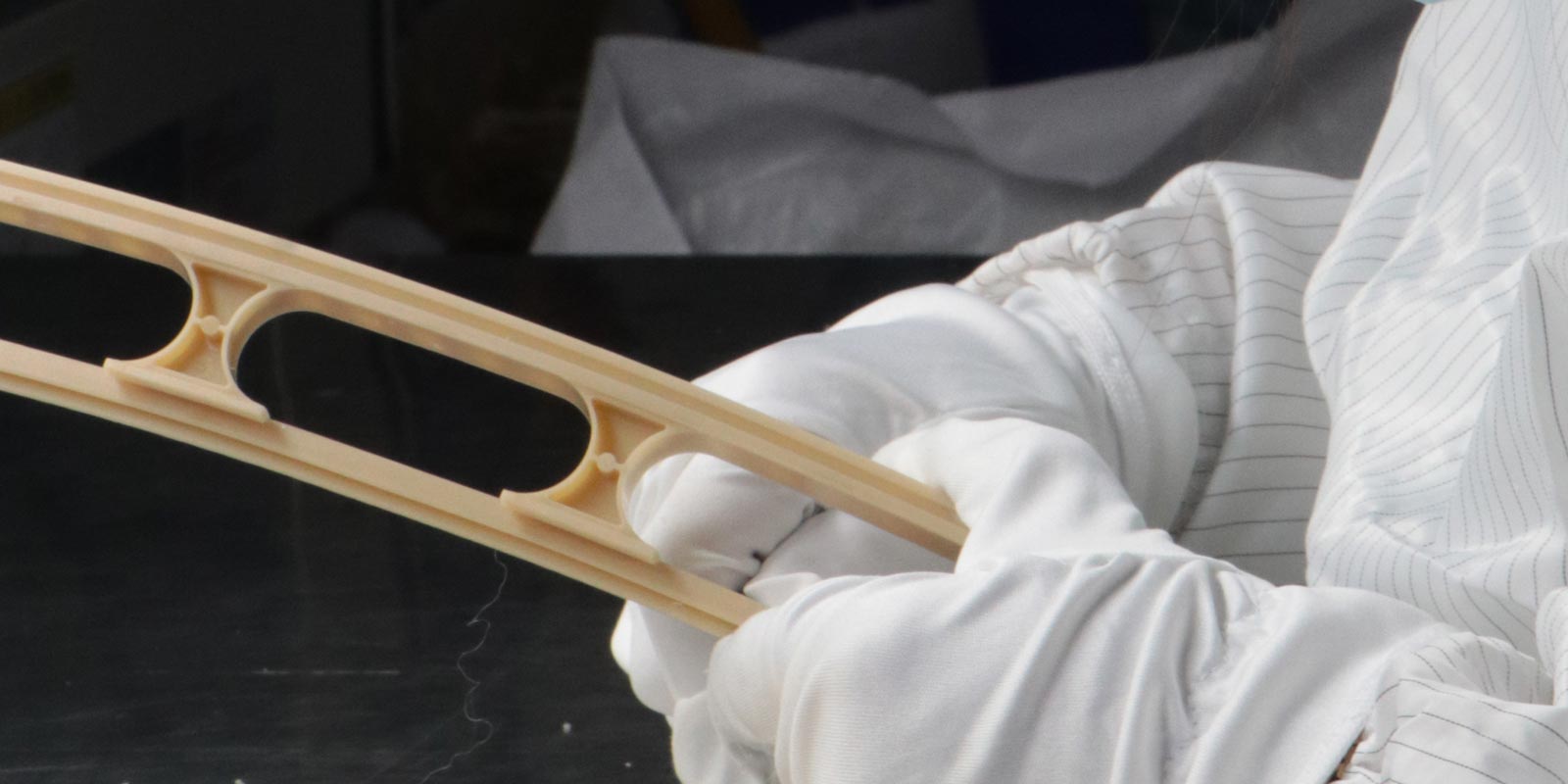
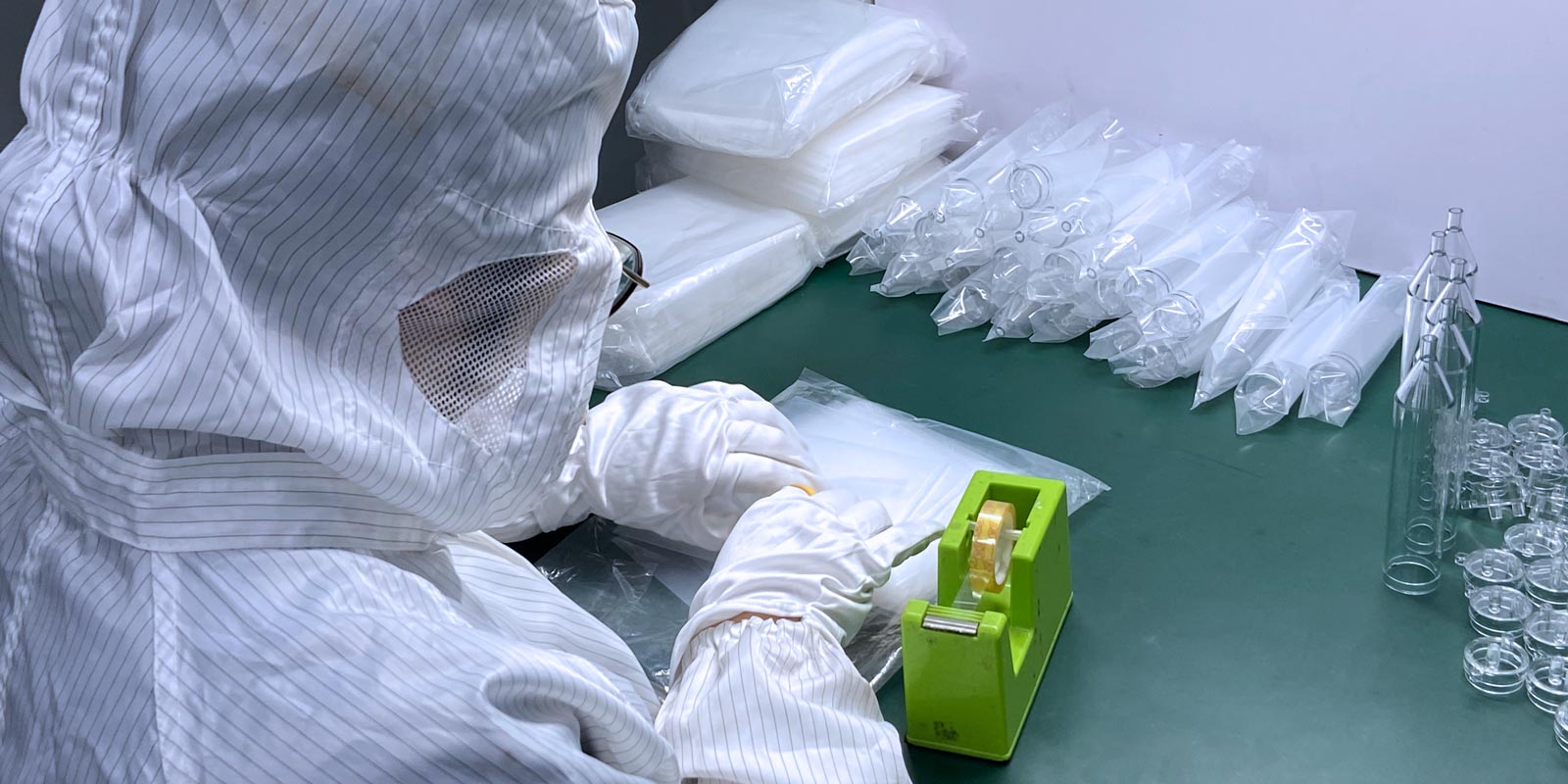
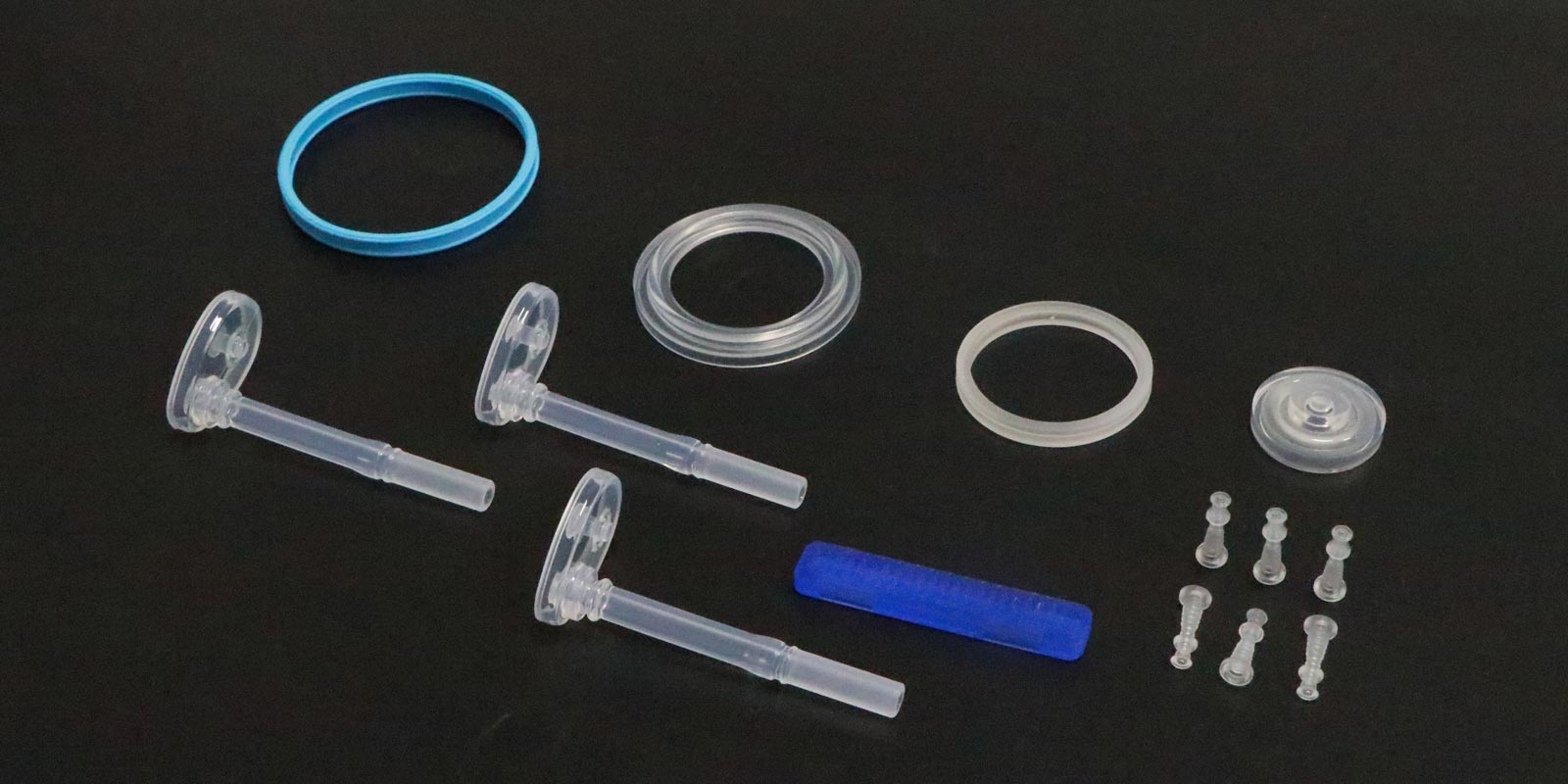
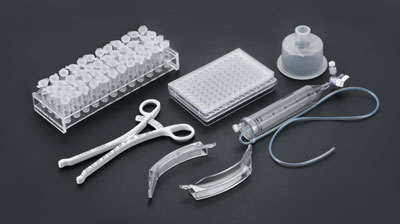



Medical packaging injection molded parts are a critical link in the medical device industry chain. From syringe barrels to infusion set connectors, from medicine bottles to sterile packaging films, every injection molded part is directly related to patient safety and product compliance. However, the hidden pitfalls in the OEM customization process often cost brand owners far more than expected.
Problem 1: Frequent Flash and Burrs, Substandard Appearance
Medical packaging injection molded parts have extremely high appearance requirements. Flash not only affects aesthetics but can also scratch the user's skin, and may even generate plastic debris during medical procedures, triggering safety incidents. The root causes are usually insufficient mold clamping precision, worn parting surfaces, or excessively high injection pressure and over-packing. According to industry experience, the parting surface gap of medical injection molded part molds should be controlled within 0.01mm, and the ejection system clearance should also be less than 0.01mm, otherwise flash is almost unavoidable.
Problem 2: Sink Marks and Weld Lines Coexist, Losing Both Function and Aesthetics
Sink marks mostly appear in areas where wall thickness changes, and are essentially caused by uneven plastic cooling shrinkage. Insufficient or too short holding pressure will aggravate this problem. Weld lines are the result of multiple melt streams converging without proper fusion. On exterior parts such as hemodialyzer housings, weld lines not only reduce visual appeal but can also become breeding grounds for bacteria. Poor gate design, too low injection temperature, and too slow speed are all the culprits.
Problem 3: Dimensional Deviation Leads to Assembly Failure
For precision medical consumables such as insulin syringe components, even a dimensional deviation of a few tenths of a millimeter can cause assembly difficulties or even functional failure. Mold manufacturing precision is the first gate. Excessively long holding time during injection molding will make parts oversized, while insufficient cooling will cause excessive shrinkage after demolding. For annual usage below 10,000 pieces, aluminum molds are recommended. For volumes above that, steel molds are mandatory. This is a hard constraint between cost and precision.
Problem 4: Warpage and Insufficient Strength
Thin-walled large parts such as medical petri dishes are prone to warpage due to uneven cooling across different sections. Improper demolding methods and unreasonable ejector pin placement can also introduce warpage. Strength issues often stem from improper material selection or injection molding defects that reduce the effective load-bearing area. For parts that need to withstand pressure, such as infusion tube clamps, insufficient strength directly means functional failure.
Problem 5: Chemical Compatibility and Biocompatibility Failures
Some plastic medicine bottles can undergo chemical reactions when holding specific drugs, affecting drug quality. If implantable consumables fail biocompatibility testing, they may cause inflammation or even infection. Material selection must be deeply coordinated between the brand owner and the OEM factory at the design stage, with five defining factors clearly specified: physical load, mechanical function, thermal conditions, environmental contact, and sterilization method.
First, Qualification Review Is an Entry Ticket, Not an Option. The factory must hold ISO 13485 medical device quality management system certification and a medical device production license. According to the Medical Device Supervision and Administration Regulations, the registrant may entrust multiple qualified enterprises for production, but must evaluate the entrusted party's quality assurance capability and risk management capability, and sign a quality agreement. This agreement is a mandatory document for unannounced inspections and the core basis for sharing liability in case of quality issues.
Second, Eliminate Subcontracting, Lock Every Detail in the Contract. When signing the contract, all specific standards, values, and packaging material requirements must be listed one by one according to product production requirements. Later, conduct random inspections on batch products. If production is found not to comply with requirements, compensation shall be made in accordance with relevant laws and regulations. Never rely on verbal agreements. Everything must be in writing.
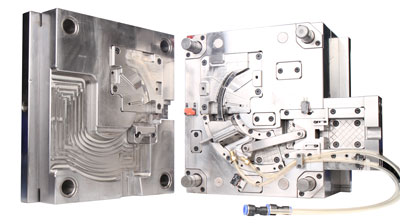
Third, Mold Development Is the Starting Point of Everything. The selection of mold materials directly determines product lifespan. It is recommended to choose mold core materials with strong corrosion resistance and good polishing performance. After rough machining, the mold needs quenching and tempering treatment, with hardness controlled at HRC32 to HRC36. After trial molding passes, the core undergoes vacuum quenching, raising hardness to HRC58 to HRC62. For transparent products, the fixed and moving mold cores need precision polishing to Ra0.20 or above.
Fourth, Material Selection Must Be a Joint Decision Between the Brand Owner and the Factory. Common materials for medical injection molding include PP, PC, PEEK, PET, PPSU, etc. The melting points, shrinkage rates, and sterilization resistance of different materials vary significantly. For example, PSU has a melting point as high as 700°F, far exceeding the 500 to 550°F of ordinary resins, and the requirements for molds and processes are on a completely different level. Both parties must specify the material category and grade at the design stage, and the contract must stipulate that no unauthorized substitution is allowed.
Fifth, Appearance Inspection Operates on a "One-Strike Veto" Basis. Appearance defects in medical injection molded parts are by no means a cosmetic concern. They are a direct signal of internal stress, material inconsistency, or process失控. The industry typically uses AQL sampling plans, with zero tolerance for critical defects and a major defect AQL as low as 0.4. Moving quality control upstream to the design and process stage is far more economical than post-inspection.
Sixth, Full Traceability and Batch Sampling Throughout. After finished products come off the line, samples are drawn according to industry-standard ratios for full-item acceptance, checking dimensions, process, and strength against sealed samples. Establish a production batch comparative evaluation mechanism, quantify product consistency, and control every key variable during the injection molding process.
On-site inspection is the first step to avoid pitfalls. Prioritize suppliers with their own factory premises and full-process sample production tracking capability. Focus on production qualifications, environment, production lines, packaging, and logistics capacity. Choose factories with experience working with major brands, as this indicates their strength and quality control level have been market-validated. For long-term cooperation, sign an annual framework agreement to optimize pricing and replenishment lead times.
Never be a "hands-off owner." Whether in OEM or ODM mode, the registration certificate holder, i.e., the brand owner, is the primary responsible person for product quality and bears ultimate legal responsibility for market and quality issues. Any promise of "getting certified for free" or "far faster than normal certification" is not credible. The medical device registration process is rigorous and must go through testing, clinical trials, system assessment, and drug administration review.
Q: What is the fundamental difference between OEM and ODM for medical packaging injection molded parts?
A: In OEM mode, the brand owner provides design and technical documents, and the factory manufactures according to the samples. Design responsibility and intellectual property belong to the brand owner. In ODM mode, the factory provides a mature product design solution or even a complete registration certificate, and the brand owner sells under its own label. When choosing ODM, be sure to sign an exclusive authorization or buyout agreement, otherwise the same product may be used by multiple brands.
Q: What is the typical minimum order quantity for medical injection molded parts?
A: Affected by upstream packaging material and raw material procurement costs, contract manufacturers usually have MOQ requirements. For first-time cooperation, it is recommended to communicate the MOQ threshold with the factory in advance. Do not place large orders blindly without clear sales channels. Start with a small batch trial production for verification.
Q: How to judge whether an injection molding OEM factory is reliable?
A: Three hard indicators are all indispensable: ISO 13485 certification, in-house mold development capability, and the ability to provide material reports and quality inspection documents. Also check whether the factory has worked with major brands, whether its equipment list is transparent, and whether it can accept unannounced inspections and batch sampling.
Q: What is the typical delivery lead time for medical packaging injection molded parts?
A: The sampling stage usually requires three steps: initial sample, revision sample, and sealed confirmation sample. From product finalization to shipment, it takes about 15 working days. Mass production lead times must be clearly stated in the contract, with delay compensation clauses agreed upon to avoid delays in consumable stocking or listing.
Add: 62 Jinghai East Road, Chang'an Town, Dongguan City, Guangdong Province
Whatsapp: +86 13342659272
Email: Yuliya.chen@yizemould.com

Add: 62 Jinghai East Road, Chang'an Town, Dongguan City, Guangdong Province
Whatsapp: +86 13342659272
Email: Yuliya.chen@yizemould.com
 Home
Home