

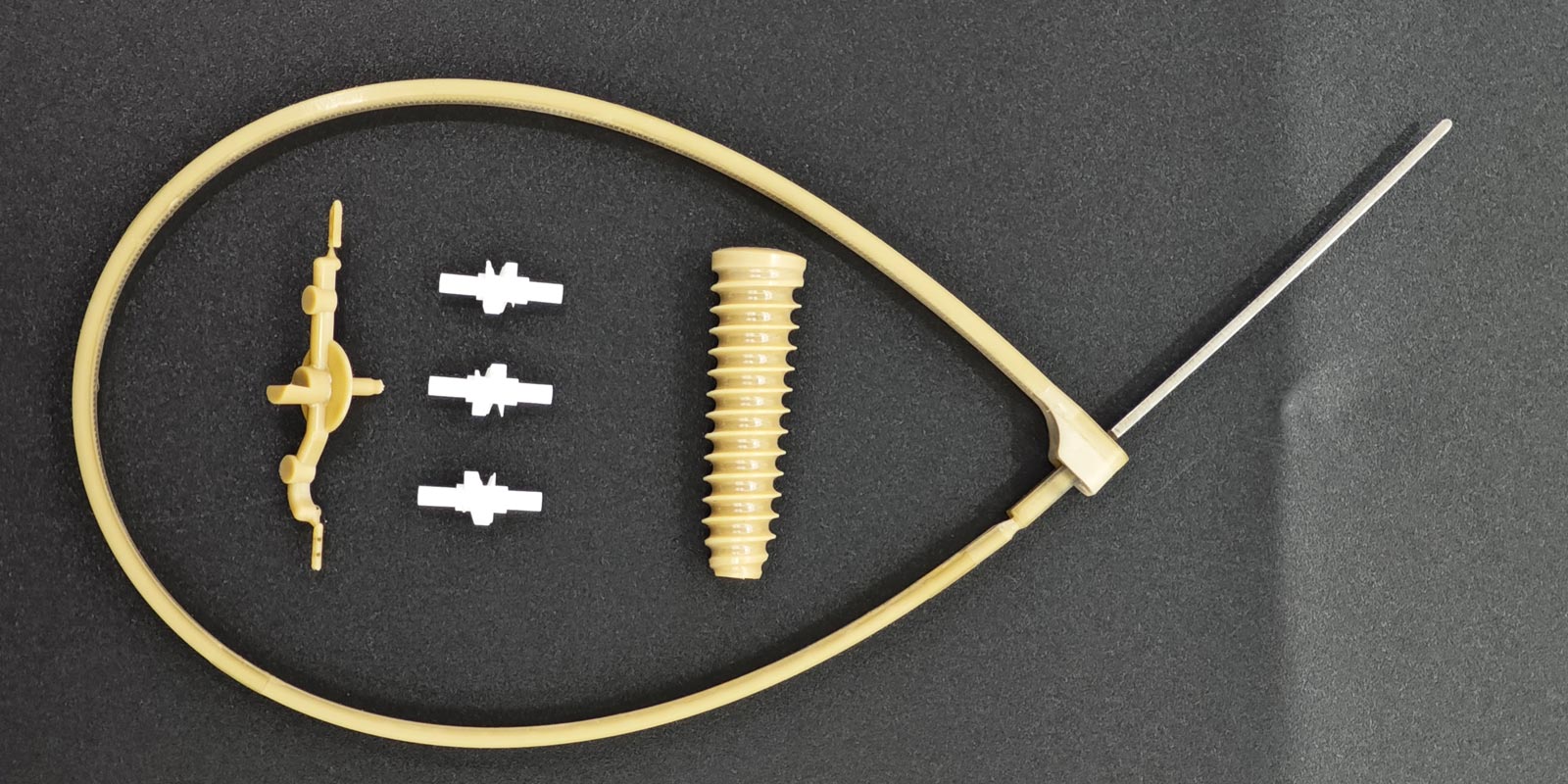
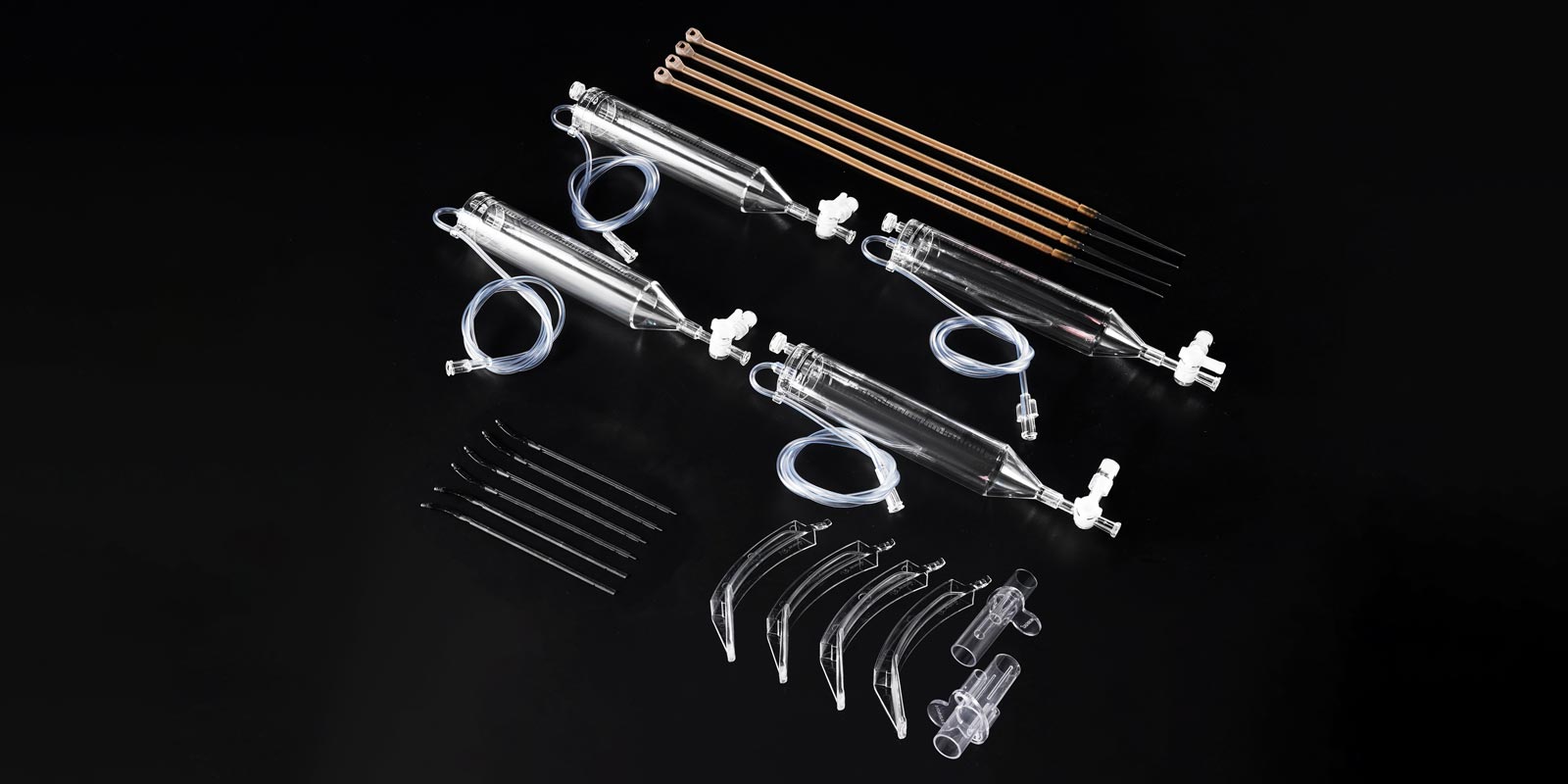
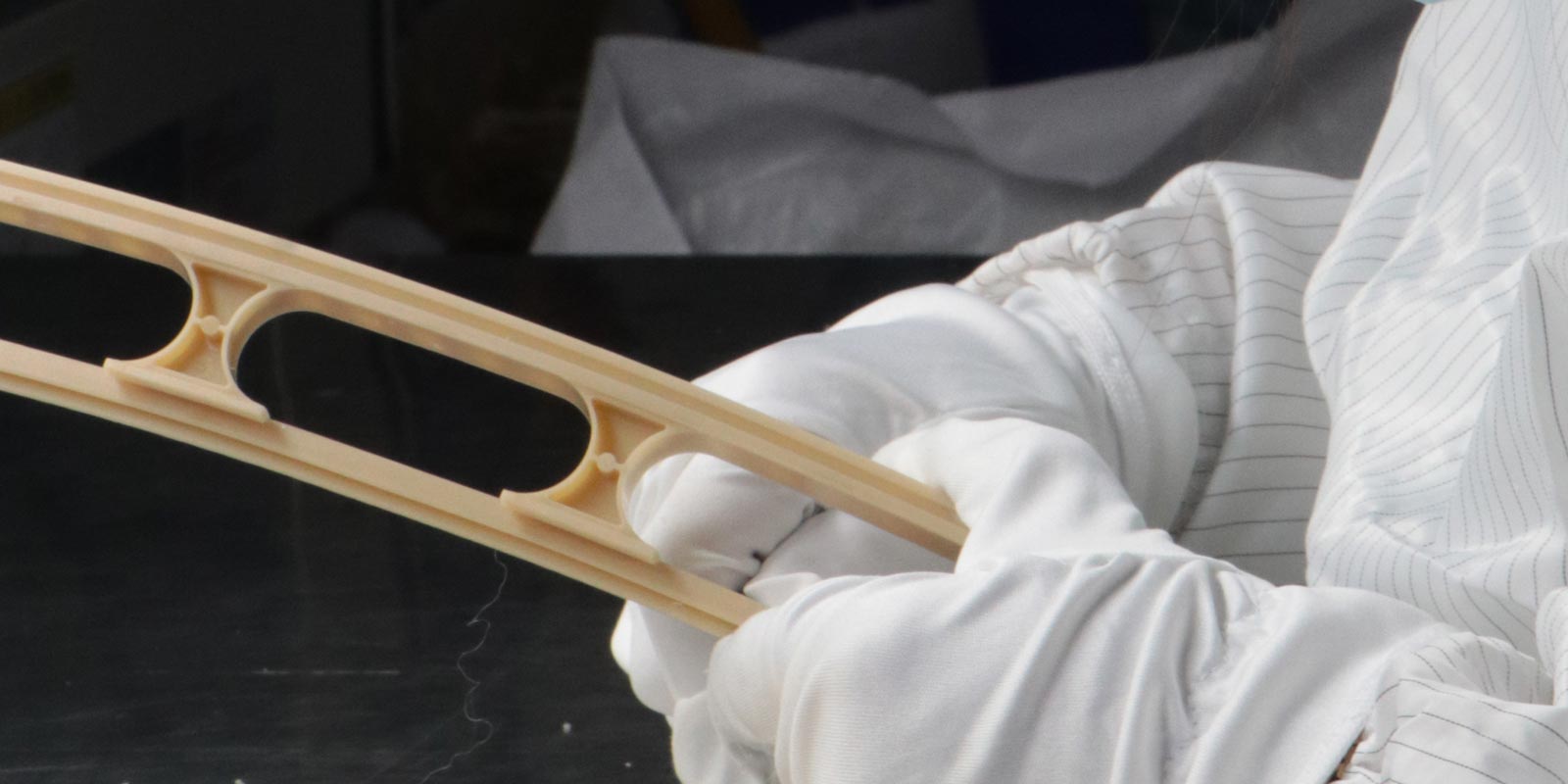
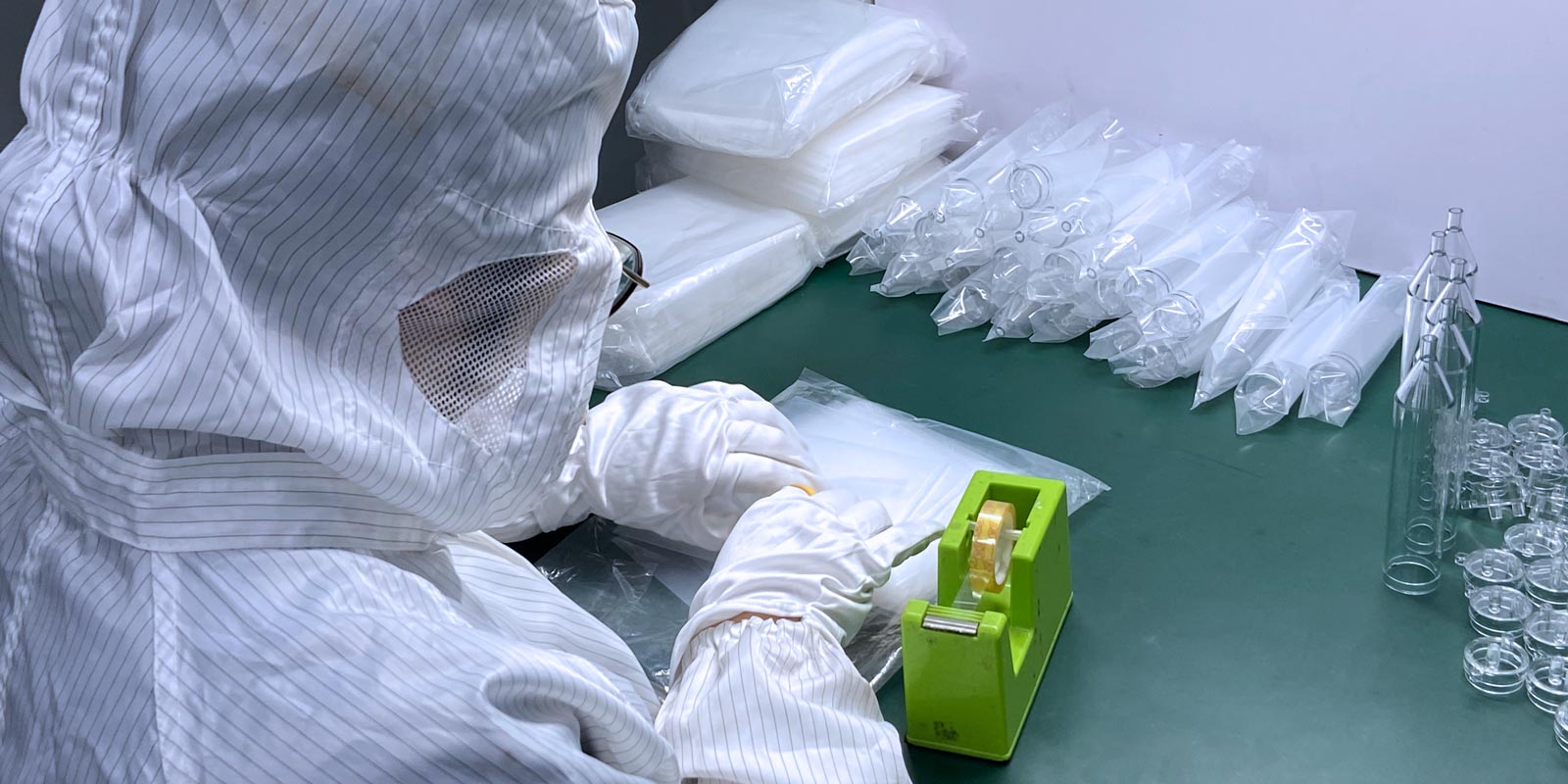



The IV bottle, as the core carrier for medical infusion, has its quality directly determined by mold development in terms of sealing performance, strength, and production efficiency. An excellent IV bottle mold is far more than a simple cavity replication; it is a deep integration of materials science, fluid dynamics, and precision manufacturing. The following analysis covers six core dimensions to dissect the key design techniques in IV bottle mold development.
The IV bottle is an asymmetric rotational body structure, and the choice of mold opening direction affects every other decision. The correct mold opening direction should align reinforcing ribs, snaps, bottle neck threads, and other features as much as possible with the opening direction, thereby minimizing the need for side-core slider mechanisms. The parting line should avoid the bottle's visible surface and be hidden in non-visible areas such as the bottle bottom or bottle shoulder. An improperly designed parting line not only produces visible seam lines but also leads to flash, dimensional deviation, and other cascading problems.
The wall thickness of an IV bottle is generally controlled between 0.8 and 3 millimeters. Wall thickness exceeding 4 millimeters will cause excessive cooling time, sink marks, internal bubbles, and other defects. The bottle bottom and shoulder areas experience concentrated stress, so the wall thickness needs to be appropriately increased, but must use gradual transitions, never abrupt changes. Reinforcing rib thickness should be controlled at 0.5 to 0.7 times the main wall thickness; excessive thickness actually causes surface sink marks. A gate mark structure can be set at the bottom to prevent shrinkage sinking while also reducing weight.
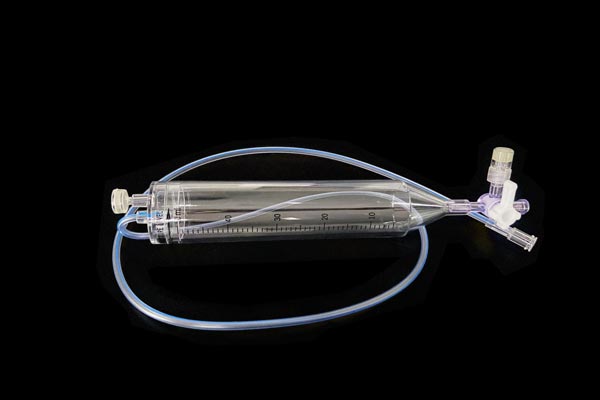
IV bottle molds mostly use pin-point gating combined with a three-plate mold structure to enable automated demolding. The gate location should be chosen at the thickest wall area of the bottle body, away from visible surfaces, to avoid jet marks and weld lines. The main runner uses a submerged sprue bushing to shorten the sprue length, and the runner cross-section is best in round or trapezoidal shape to reduce flow resistance. For multi-cavity layouts (such as 1-cavity-8 or 1-cavity-16), a balanced gating system must be adopted to ensure all cavities fill simultaneously and shrink uniformly. An ejection pin device can be set so that runner condensate automatically drops after mold opening, meeting the fully automated production requirements of cleanroom environments.
Uneven cooling is the primary cause of IV bottle warpage and deformation. Cooling water channels should be as close as possible to the cavity surface and should conform to the bottle contour. The bottle bottom and shoulder, due to their large thermal mass, require denser cooling circuits or beryllium copper inserts to accelerate heat dissipation. According to experience, controlling cooling water temperature at around 25 degrees Celsius can compress the molding cycle to its optimum while ensuring product quality. Both the moving mold and fixed mold need independent cooling channels to avoid interference.
IV bottles must not show ejector marks, ejector deformation, or push marks during ejection. Because the bottle neck is small and structurally precise, ordinary ejector pins cannot be used; instead, an ejector plate with overall push-out mechanism is required. The bottle neck thread area needs a thread core with forced demolding, combined with a bidirectional ejection mechanism to ensure the bottle stays on the moving mold side during mold opening. Ejection draft angle is a critical parameter: smooth surfaces should not be less than 0.5 degrees, textured surfaces not less than 1 degree, and the draft angle of deep cavity outer surfaces should be greater than that of inner surfaces to prevent core misalignment.
IV bottles are typically made from medical-grade polypropylene (PP) or high-transparency PET. PP has a shrinkage rate of about 2 percent, while PET is about 0.5 percent. During design, cavity dimensions must be calculated separately according to material characteristics; they cannot be applied using a standardized template. Tolerance annotation should be selected based on the product precision grade: general-purpose injection molding allows wider tolerances, while medical-grade products must be strictly controlled according to GB/T 14486 standards. Recommended mold steels include S136 or H13 and other high-hardness heat-treated steels, which guarantee mirror polishing results and service life.
IV bottle mold development is a systematic engineering project. From the parting surface to the cooling channels, from gate location to ejection mechanisms, every parameter is interlinked. Only by combining CAE mold flow analysis with orthogonal experiments and using data to drive design decisions can deformation be minimized at the trial mold stage, truly achieving cost reduction and efficiency improvement.
Q: What steel is generally used for IV bottle molds?
A: Medical IV bottle molds have extremely high requirements for corrosion resistance and polishability. S136, H13, or SKD61 high-hardness heat-treated mold steels are recommended. They can achieve mirror polishing effects and have a service life of over one million mold cycles.
Q: How is the shrinkage rate of IV bottle molds determined?
A: Shrinkage rates vary significantly across different materials. Medical-grade PP has a shrinkage rate of about 2 percent, PET about 0.5 percent, and PC about 0.5 percent. During design, you must consult the shrinkage range provided by the supplier for the actual material grade and correct it with mold flow analysis; estimation by experience alone is not acceptable.
Q: Why do IV bottle molds commonly use a three-plate mold structure?
A: The bottle neck and the surrounding area of the bottle body must not have any gate marks. A three-plate mold (fine water gate mold) combined with pin-point gating enables automatic gate breakage and dropping, meeting the appearance and automated production requirements of medical products. Although the structure is more complex, the overall benefit is optimal.
Q: How can warpage and deformation of IV bottles be reduced?
A: The core lies in three points: uniform wall thickness, uniform cooling, and uniform shrinkage. By using mold flow analysis to identify the main cause of deformation and then optimizing process parameters such as melt temperature, holding pressure, and cooling water temperature through orthogonal experiments, total deformation can be reduced by more than 30 percent.
PREV:Why Do Medical Injection-Molded Parts Keep Failing? A Comprehensive Guide
NEXT:Which Material Is Best for Plastic Surgical Hemostatic Forceps
Add: 62 Jinghai East Road, Chang'an Town, Dongguan City, Guangdong Province
Whatsapp: +86 13342659272
Email: Yuliya.chen@yizemould.com

Add: 62 Jinghai East Road, Chang'an Town, Dongguan City, Guangdong Province
Whatsapp: +86 13342659272
Email: Yuliya.chen@yizemould.com
 Home
Home