

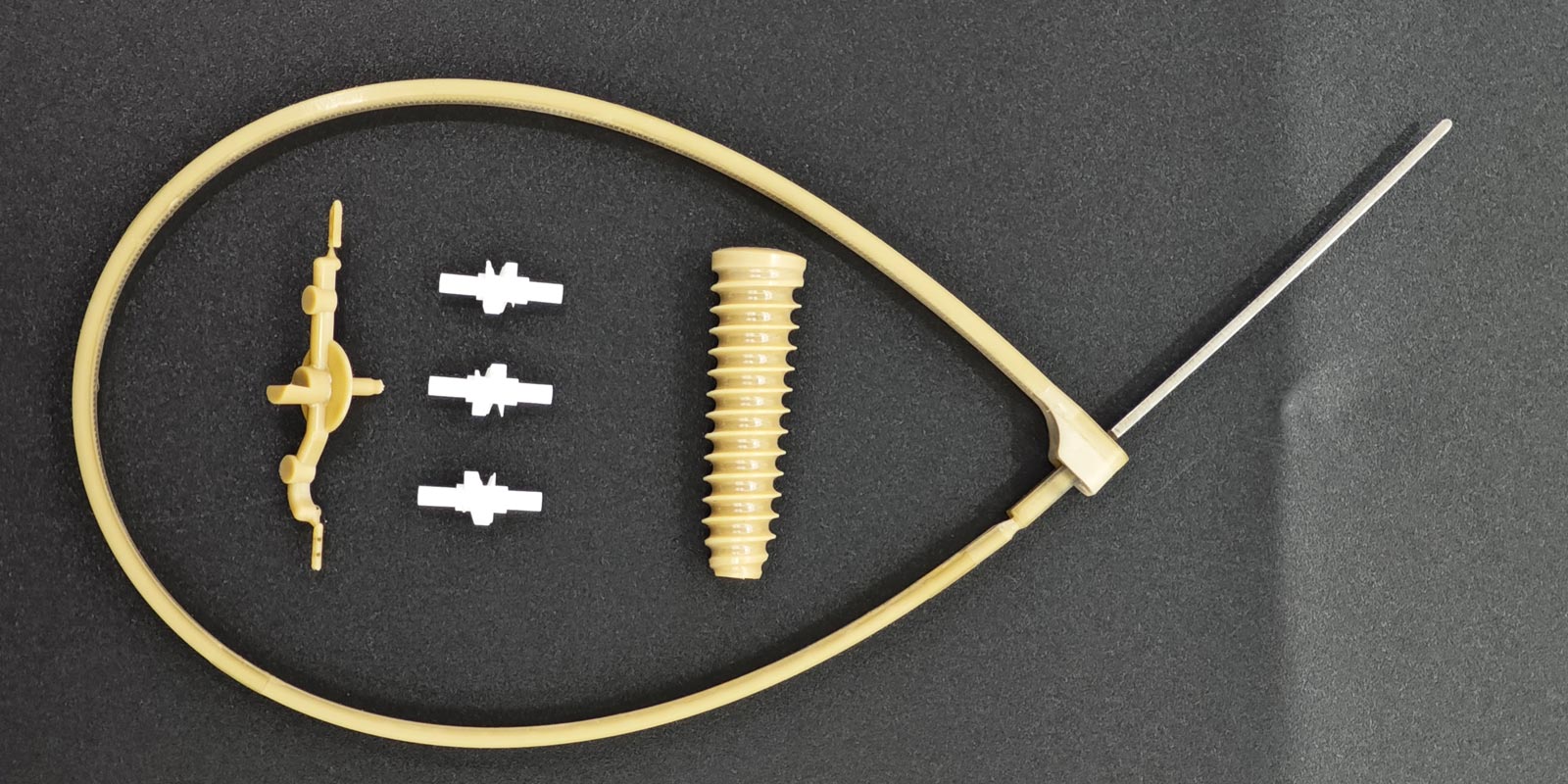
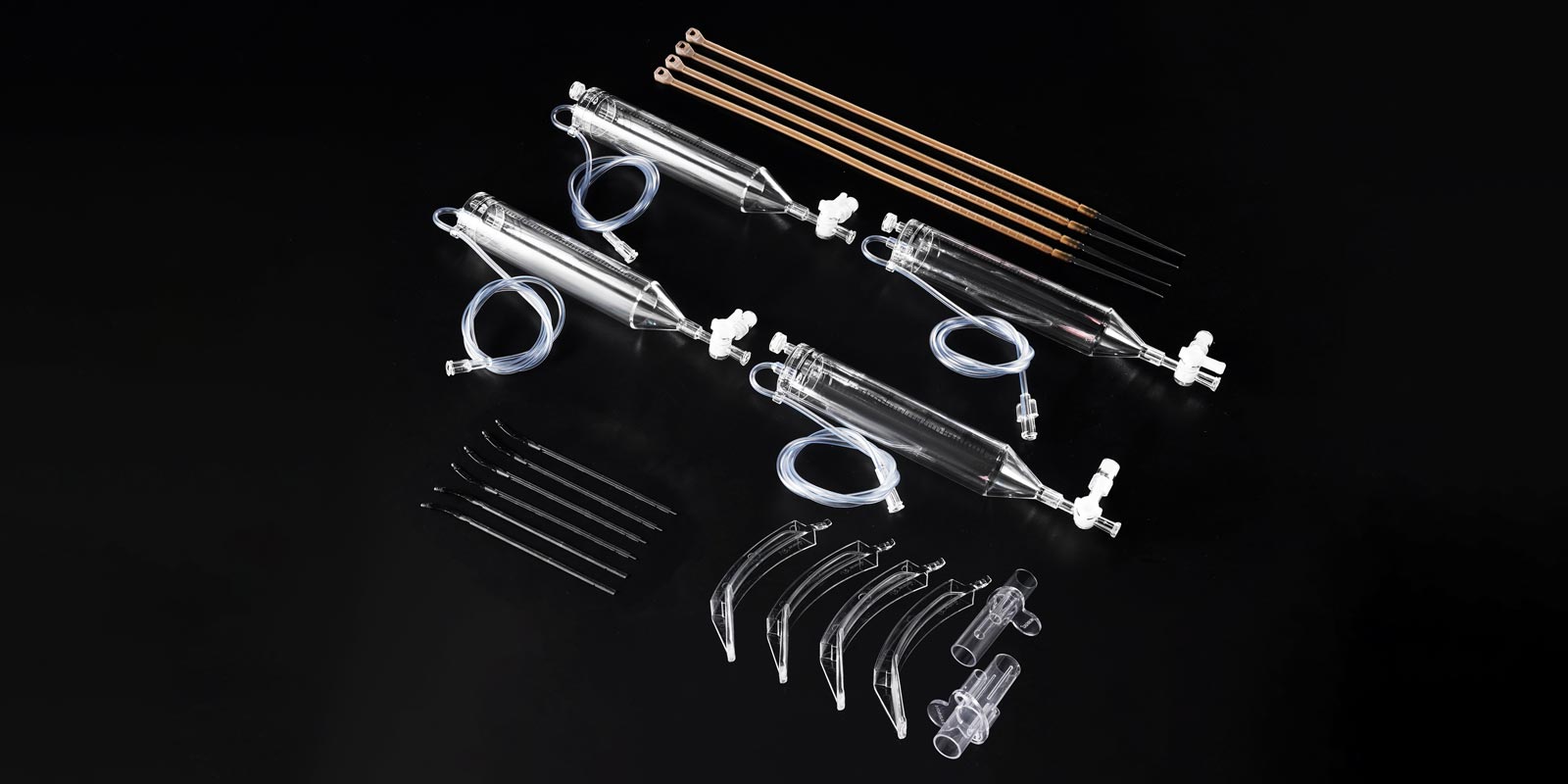
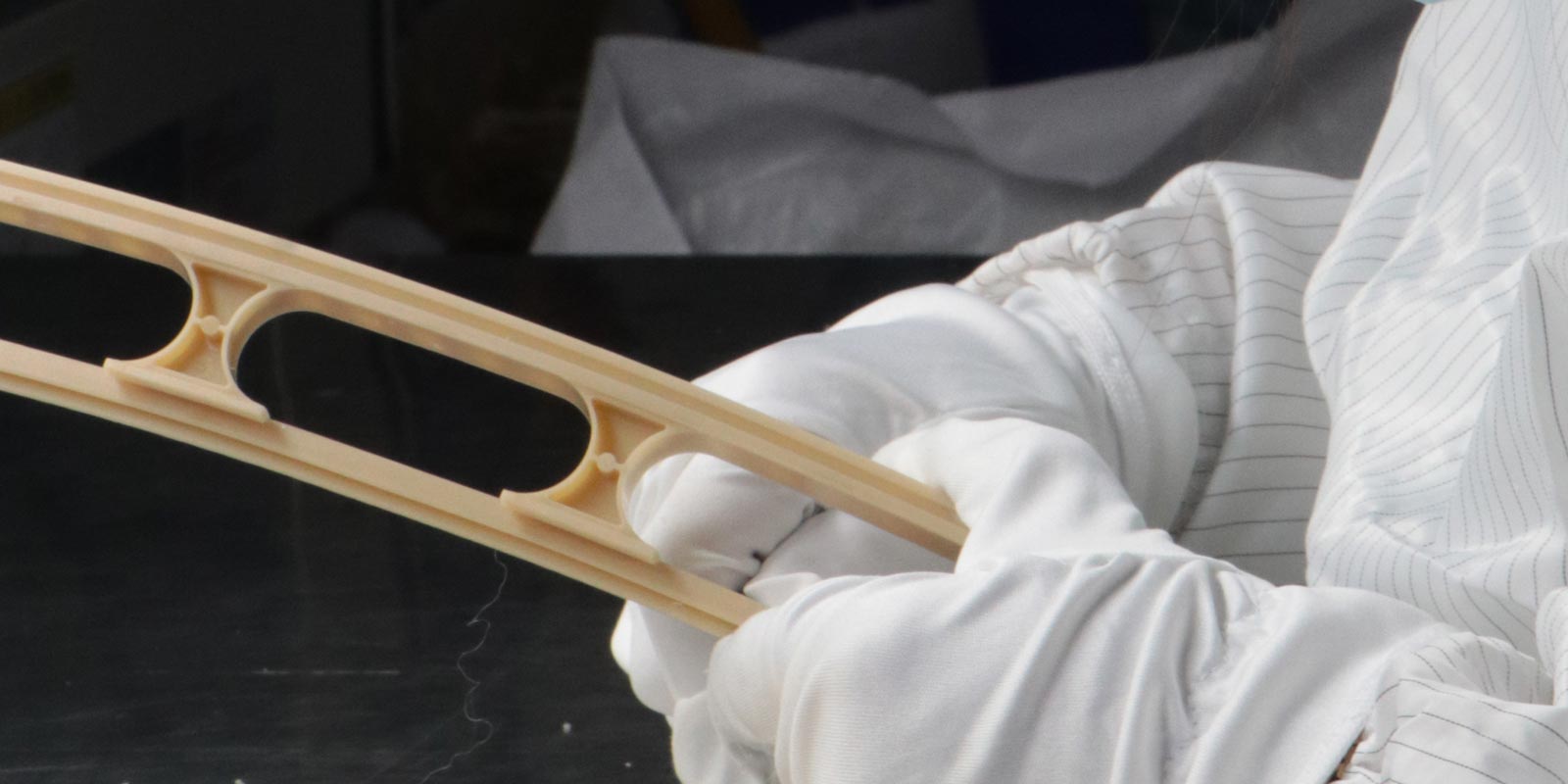
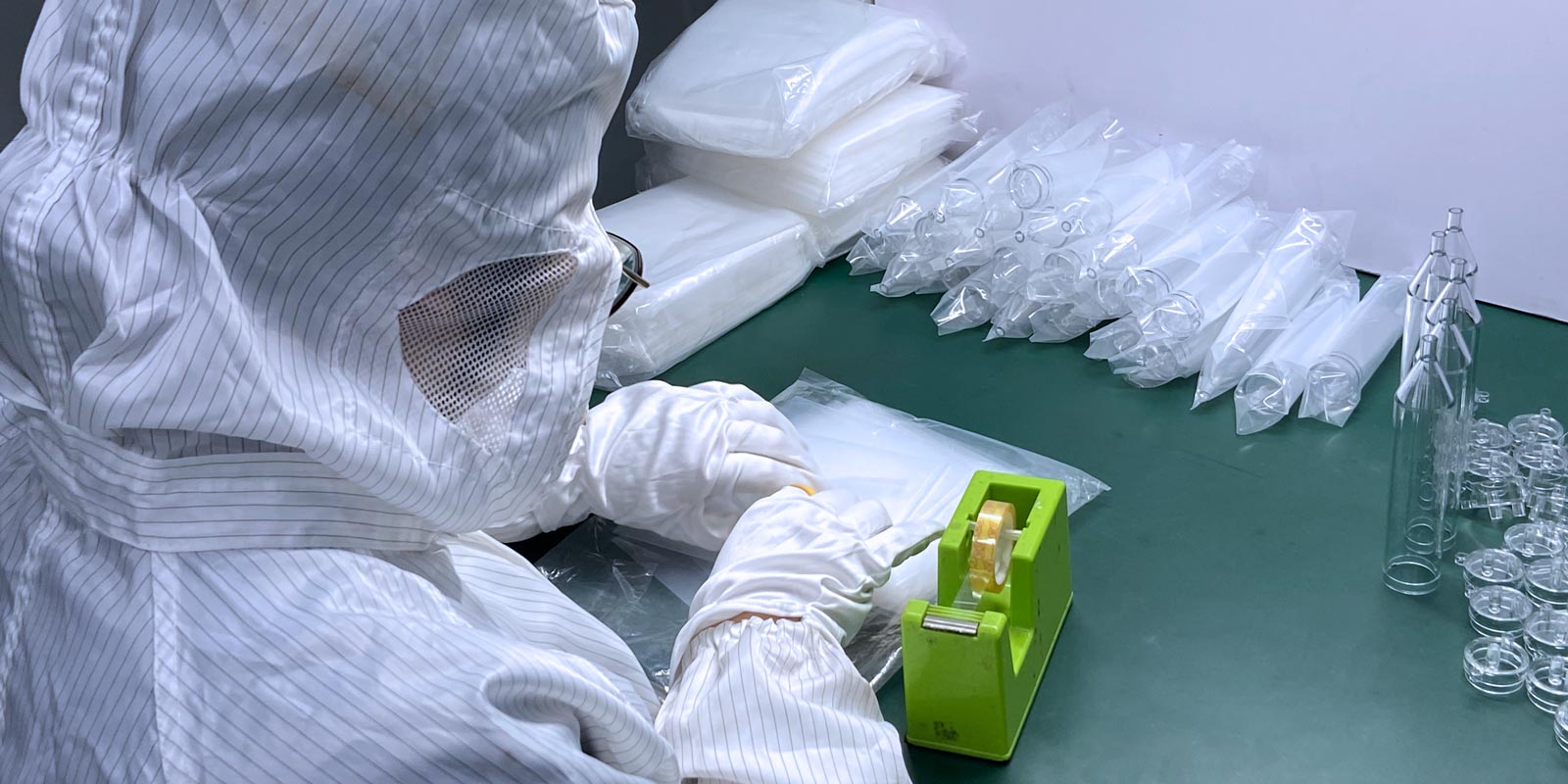
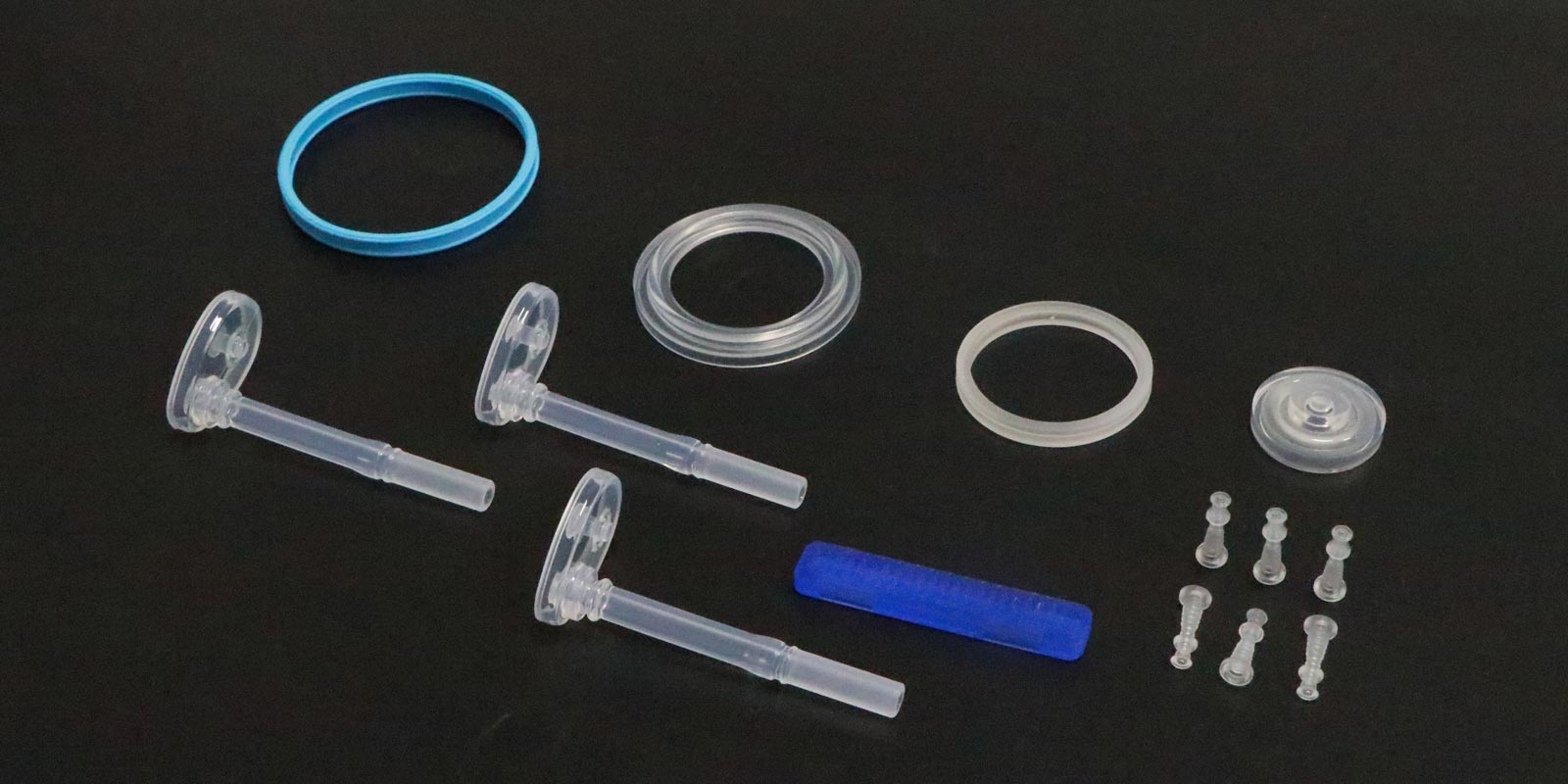
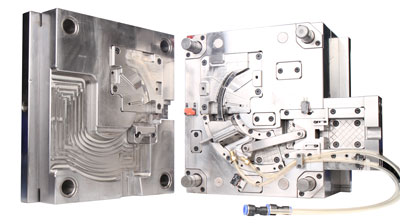
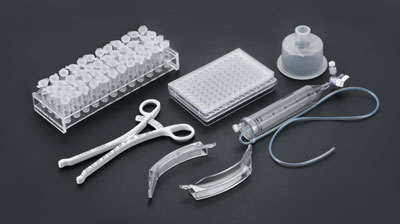



In the field of medical device manufacturing, injection molding technology has become a core process due to its high precision, efficiency, and capacity for mass production. The foundation supporting this technology lies in the rich variety and exceptional performance of medical-grade injection molding materials. From disposable infusion sets to implantable joint prostheses, and from minimally invasive surgical instruments to in vitro diagnostic equipment, the performance and diversity of medical injection molding materials directly determine the safety, functionality, and service life of medical devices.
Medical injection molding materials must possess multiple core properties to withstand complex clinical environments and strict regulatory requirements:
Biocompatibility
Materials must pass ISO 10993 series standards to ensure no toxicity, allergenicity, or irritation when in contact with human tissues or bodily fluids. For example, polyether ether ketone (PEEK) is widely used in spinal fusion cages and cranial repair plates due to its excellent biological inertness, with degradation products that do not trigger inflammation.
Sterilization Resistance
Medical devices must undergo sterilization via autoclaving, ethylene oxide, or gamma radiation, requiring materials to maintain stable performance. Polypropylene (PP) withstands autoclaving at 121°C and is commonly used in reusable surgical trays, while polycarbonate (PC) survives ethylene oxide sterilization for dialysis cartridge housings.
Mechanical Properties
Materials must exhibit high strength, wear resistance, and fatigue resistance to endure mechanical stresses during clinical use. Ultra-high-molecular-weight polyethylene (UHMWPE) is the material of choice for artificial joint prostheses due to its extremely low friction coefficient and high wear resistance, with a service life exceeding 20 years.
Chemical Stability
Materials must resist erosion from disinfectants, drugs, and bodily fluids. Polytetrafluoroethylene (PTFE), known as the "king of plastics," is ideal for artificial blood vessels and endoscope catheters due to its resistance to acids, alkalis, and organic solvents.
Lightweight and Processability
Lightweight materials reduce patient burden and enhance device portability. Polyethylene (PE), with a density just 1/8th of steel, is used in infusion bags and catheters, while liquid silicone rubber (LSR) is injection-molded into soft seals for patient comfort.
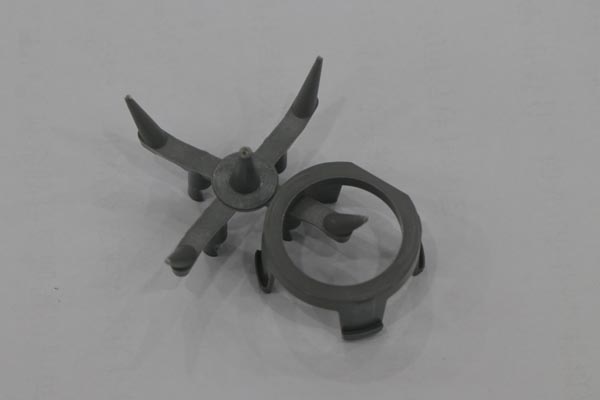
The diversity of medical injection molding materials stems from the multifaceted demands of clinical applications, with each material optimized for specific scenarios:
As medical technology advances toward minimally invasive, intelligent, and personalized care, medical injection molding materials face new challenges and opportunities:
Conclusion
The high performance and diversity of medical injection molding materials are the cornerstone of medical device innovation. From meeting foundational safety needs to supporting cutting-edge applications, material scientists and engineers continue to push performance limits through molecular design, process optimization, and interdisciplinary collaboration. Looking ahead, the integration of biotechnology, information technology, and materials science will propel medical injection molding materials toward smarter, more sustainable solutions, delivering greater value to global healthcare.
PREV:Why Do Medical Injection-Molded Parts Keep Failing? A Comprehensive Guide
NEXT:Comprehensive Solutions to Process Pressure Issues in Medical Injection Molding
Add: 62 Jinghai East Road, Chang'an Town, Dongguan City, Guangdong Province
Whatsapp: +86 13342659272
Email: Yuliya.chen@yizemould.com

Add: 62 Jinghai East Road, Chang'an Town, Dongguan City, Guangdong Province
Whatsapp: +86 13342659272
Email: Yuliya.chen@yizemould.com
 Home
Home