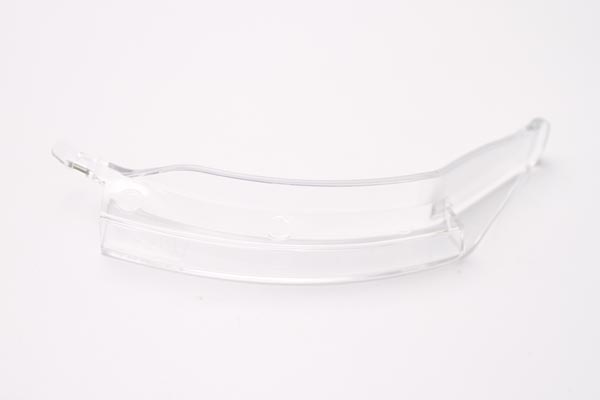
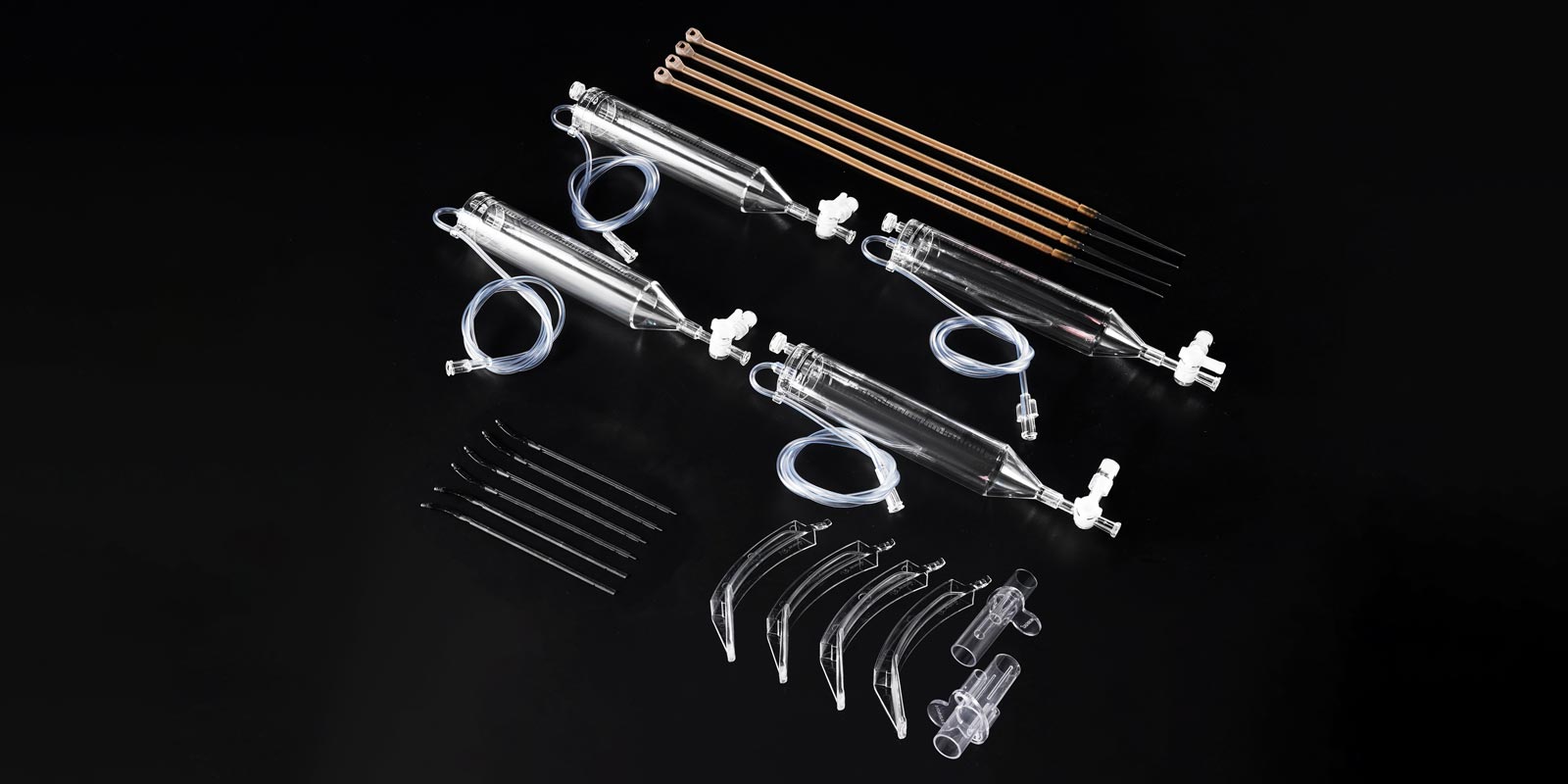
In the medical field, laryngoscopes, as important emergency and diagnostic tools, directly impact patients' lives and health as well as the accuracy of medical operations. The laryngoscope injection molding process, as a key part of production, places comprehensive and high-standard requirements on injection molding factories, covering multiple dimensions such as technical capabilities, production environments, quality control, and personnel qualities.
Exquisite Technical Capabilities Are the Core Foundation
-
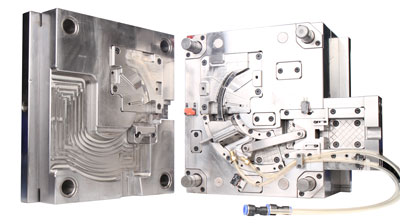
Mold Design and Manufacturing Level: The structure of laryngoscopes is complex and delicate. Different models vary in shape, size, and function, which demands that injection molding factories possess excellent mold design and manufacturing capabilities. Mold design must precisely match the design requirements of laryngoscopes to ensure that the molded products have accurate dimensions and regular shapes in all parts. For example, the lens part of a laryngoscope requires a specific optical curved surface design, and the mold cavity must be able to precisely replicate this curved surface to guarantee the imaging quality of the lens. During the manufacturing process, high-precision machining equipment and advanced manufacturing processes such as high-speed milling and electrical discharge machining should be used to ensure that the mold precision reaches the micrometer level, reduce mold wear and deformation, and extend the mold's service life, thereby ensuring the stable quality of the produced laryngoscope products.
-
Injection Molding Process Control: Precise control of injection molding process parameters is a key factor affecting the quality of laryngoscopes. Injection molding factories need to master the skills of adjusting parameters such as temperature, pressure, and speed. In terms of temperature, it is necessary to precisely control the barrel temperature, nozzle temperature, and mold temperature. Different plastic materials have different temperature requirements. For example, for some medical-grade polycarbonate materials, excessive barrel temperature can cause material decomposition, resulting in defects such as bubbles and discoloration; insufficient temperature can lead to poor material fluidity and incomplete filling, affecting the appearance and performance of the product. Pressure control is equally important. The magnitude of injection pressure and holding pressure directly affects the density and dimensional accuracy of the product. Insufficient injection pressure can cause problems such as short shots and shrinkage in the product; excessive pressure can lead to stress concentration inside the product and the formation of cracks. Speed control should not be overlooked. An appropriate injection speed can avoid defects such as flow marks and weld lines on the product surface and improve the surface quality of the product.
A Clean and Dust-Free Production Environment Is a Necessary Guarantee
-
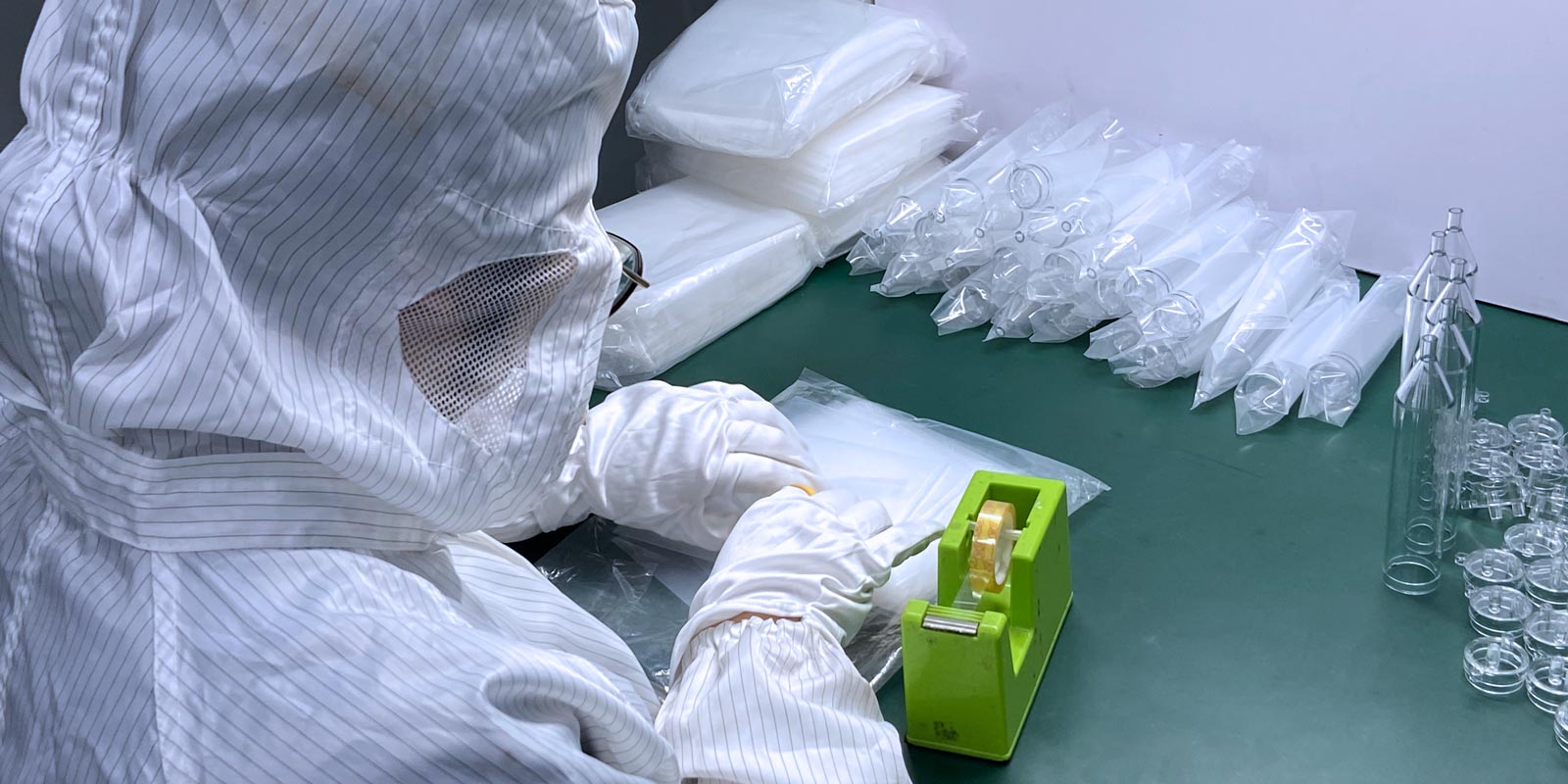
Workshop Environment Standards: As a medical device that directly contacts the human body, the production environment of laryngoscopes must meet strict cleanliness requirements. Injection molding factories should establish clean workshops that comply with medical device production regulations. According to different production processes and product requirements, different levels of clean areas should be divided. Generally, the laryngoscope injection molding workshop should reach a cleanliness standard of Class 100,000 or even higher, that is, the number of dust particles with a diameter greater than or equal to 0.5 microns per cubic meter of air should not exceed 3.52 million. Environmental parameters such as temperature, humidity, and pressure difference in the workshop also need to be strictly controlled. The temperature is usually maintained between 18 - 26°C, and the relative humidity is controlled between 45% - 65% to prevent the plastic material from getting damp or overly dry, which can affect product quality. At the same time, the workshop should maintain positive pressure to prevent external pollutants from entering and ensure the cleanliness of the production environment.
-
Equipment and Tool Cleaning: In addition to the workshop environment, the cleaning of injection molding equipment and tools is also crucial. During the production process, injection molding machines, molds, and other equipment will accumulate pollutants such as plastic residues and oil stains. If not cleaned in a timely manner, these pollutants will adhere to the product surface, affecting the appearance and quality of the product, and may even breed bacteria, posing a threat to patients' health. Therefore, injection molding factories should establish a complete equipment cleaning system and regularly conduct comprehensive cleaning and disinfection of the equipment. Special cleaning tools and cleaning agents should be used to ensure that the equipment surfaces and interiors are clean and tidy. The cleaning of molds is even more critical. After each production run, the molds should be carefully cleaned to remove residual plastics and impurities in the cavities to prevent defects during the next production.
A Strict Quality Control System Is a Quality Defense Line
-
Raw Material Inspection: The quality of raw materials is the foundation for determining the quality of laryngoscope products. Injection molding factories should establish a strict raw material inspection system and inspect each batch of plastic raw materials. The inspection contents include physical property indicators such as the appearance, color, particle size, melt flow rate, and heat deflection temperature of the raw materials, as well as chemical and biological indicators such as heavy metal content and microbial limit. Only when all indicators meet the standard requirements of medical-grade plastic materials can they be put into production. For example, for the polycarbonate material used for the laryngoscope lens, its light transmittance should be tested to ensure the imaging clarity of the lens.
-
Production Process Monitoring: During the production process, injection molding factories should implement full-process quality monitoring. By installing online inspection equipment, real-time monitoring of quality indicators such as the size, weight, and appearance of the products can be achieved. Once deviations in the products are detected, the process parameters can be adjusted in a timely manner to avoid the production of a large number of non-conforming products. At the same time, a complete quality traceability system should be established to number each batch of products and record the various parameters and operator information during the production process, so that the source of quality problems can be quickly traced back in case of quality issues, and effective corrective and preventive measures can be taken. For example, if a dimensional deviation occurs in a certain part of a batch of laryngoscopes, through the quality traceability system, the specific part of the mold that has a problem or the improper operation in which production link can be quickly identified, and timely repair and improvement can be carried out.
-
Finished Product Inspection and Release: Finished product inspection is the last pass of quality control. Injection molding factories should conduct a comprehensive inspection of the produced laryngoscope products in accordance with relevant medical device standards and specifications. Inspection items include the appearance, size, performance, and sterility testing of the products. Only products that pass all inspection items can be issued a qualification report and released for delivery. Non-conforming products should be strictly handled, the causes should be analyzed, and measures such as rework or scrapping should be taken to prevent non-conforming products from entering the market.
Professional Personnel Qualities Are a Key Support
-
Technical Personnel's Professional Competence: The technical personnel in injection molding factories, including mold designers and injection molding process engineers, should possess solid professional knowledge and rich practical experience. Mold designers should be familiar with the structural characteristics and design requirements of laryngoscopes, be able to use advanced design software for mold design, and continuously optimize the design schemes. Injection molding process engineers should master the performance characteristics of various plastic materials and the principles of injection molding processes, be able to formulate reasonable process parameters according to different products and materials, and solve technical problems that occur during the production process. For example, when the problem of product warping and deformation occurs during the production process, the process engineer should be able to accurately analyze the causes and solve the warping and deformation problem by adjusting process parameters such as mold temperature and injection speed.
-
Operator Training and Management: Operators are the personnel directly involved in the laryngoscope injection molding production, and their operating skills and quality awareness directly affect product quality. Injection molding factories should strengthen the training of operators to make them familiar with the operating procedures, quality standards, and safety precautions of the production equipment. The training content should not only include theoretical knowledge explanations but also focus on practical operation skill training. Through on-site demonstrations and simulated operations, operators can be enabled to master production skills proficiently. At the same time, a strict operator assessment system should be established to regularly assess the operating skills and quality awareness of operators. For those who fail the assessment, retraining and make-up exams should be conducted to ensure that operators can carry out production in strict accordance with the operating procedures and guarantee product quality.
The laryngoscope injection molding process places strict and multi-faceted requirements on injection molding factories. Only with exquisite technical capabilities, a clean and dust-free production environment, a strict quality control system, and professional personnel qualities can injection molding factories produce high-quality laryngoscope products that meet medical standards and safeguard the development of the medical industry and patients' health.






 Home
Home