

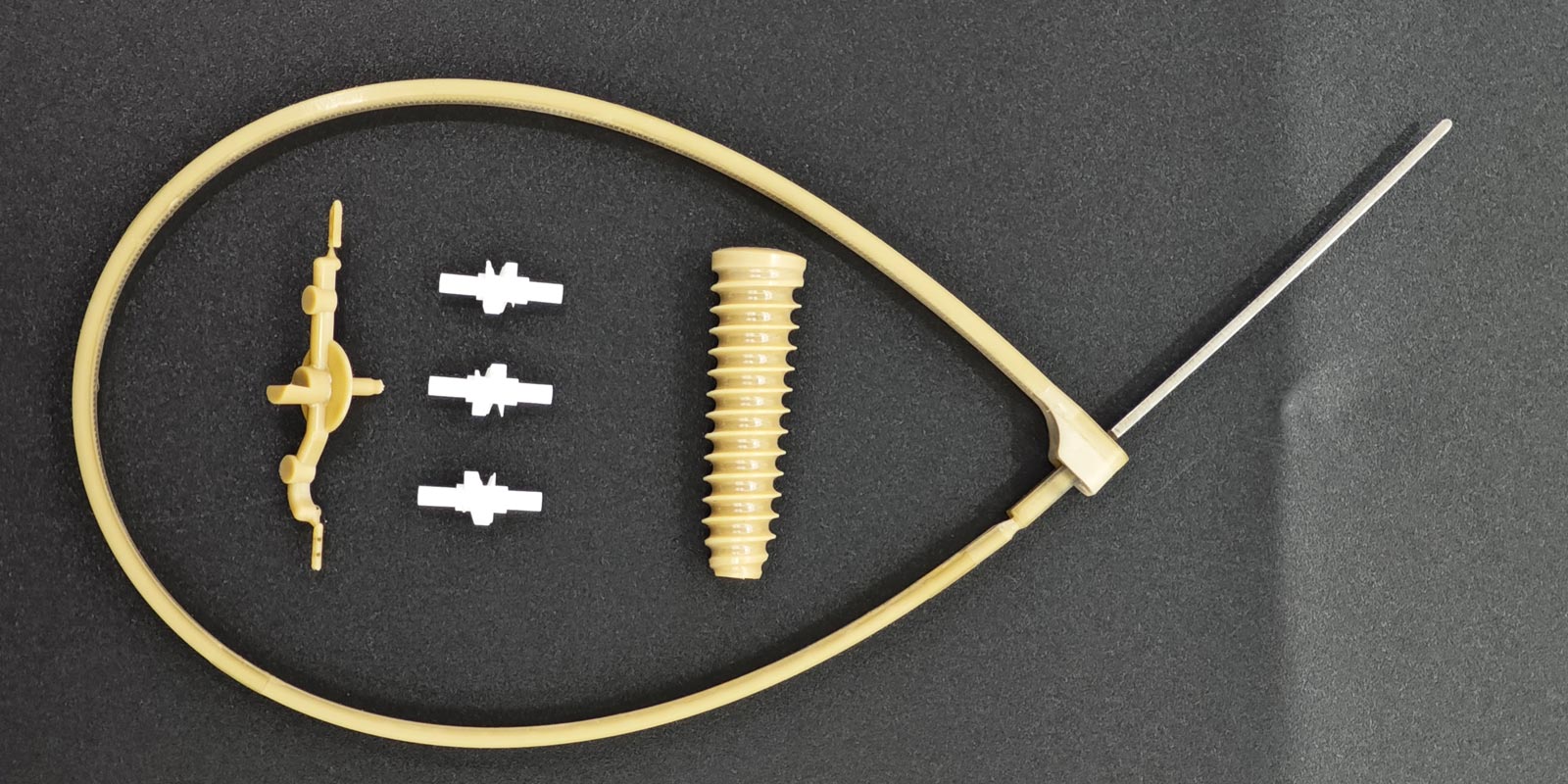
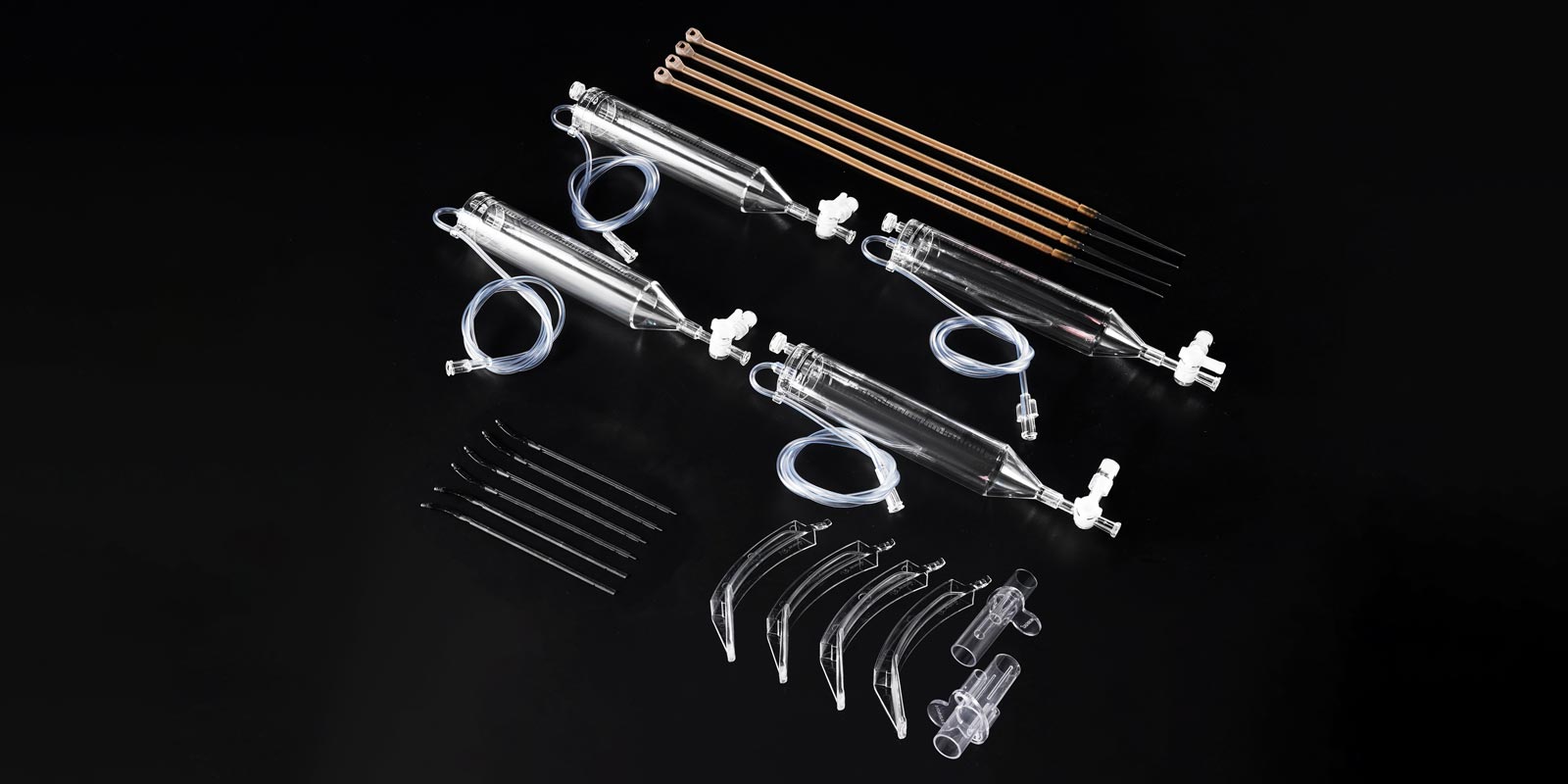
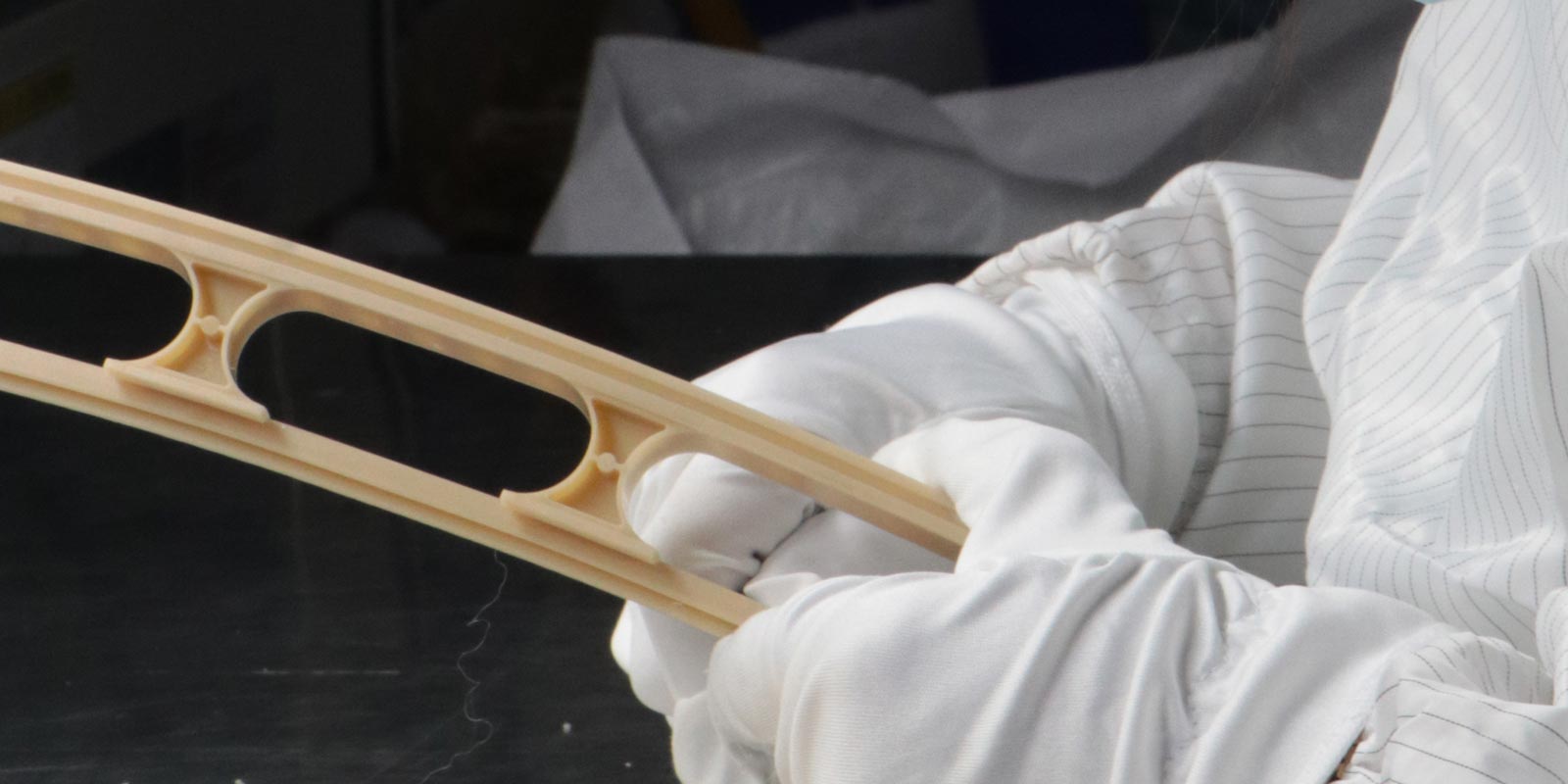
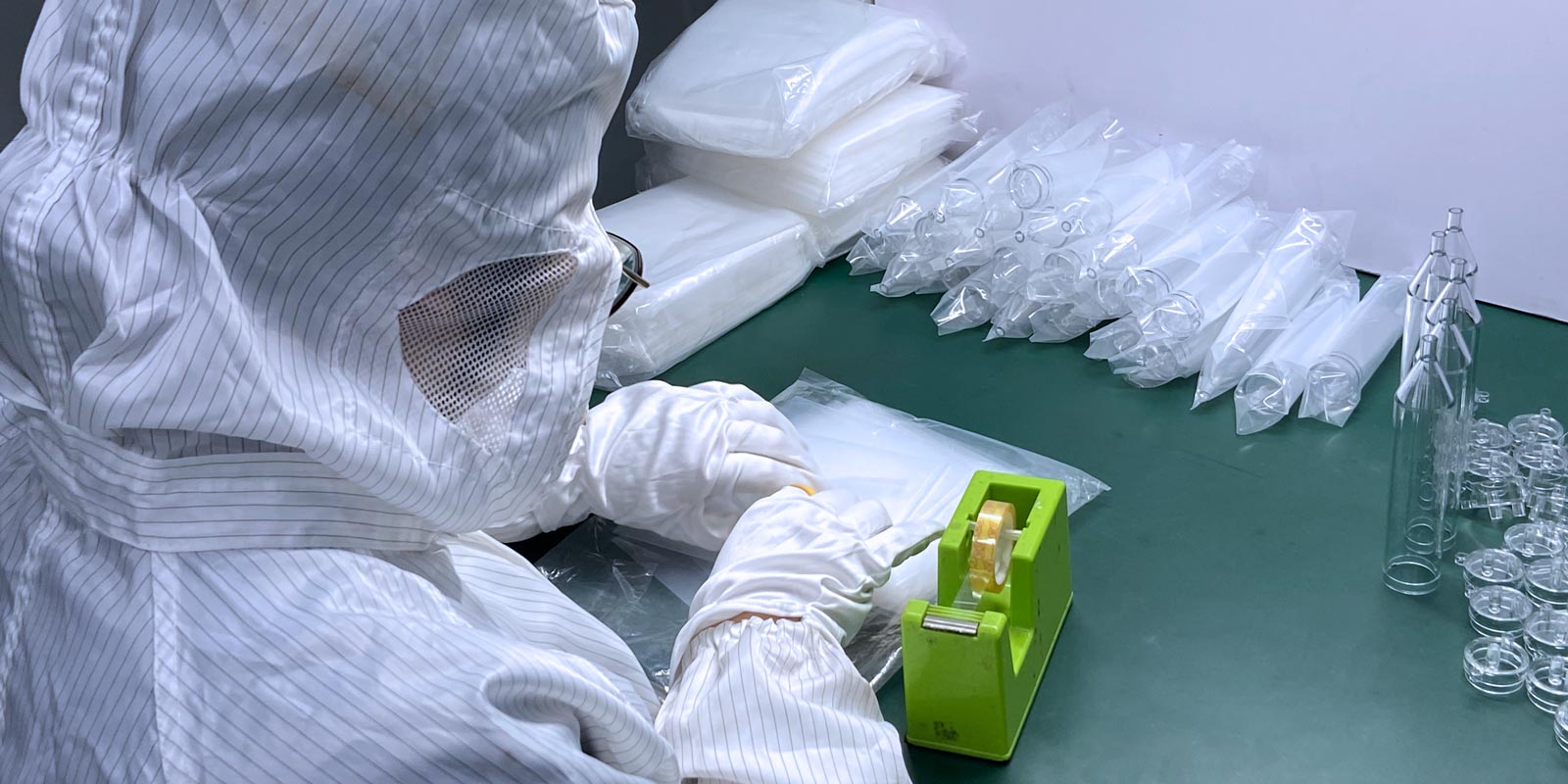
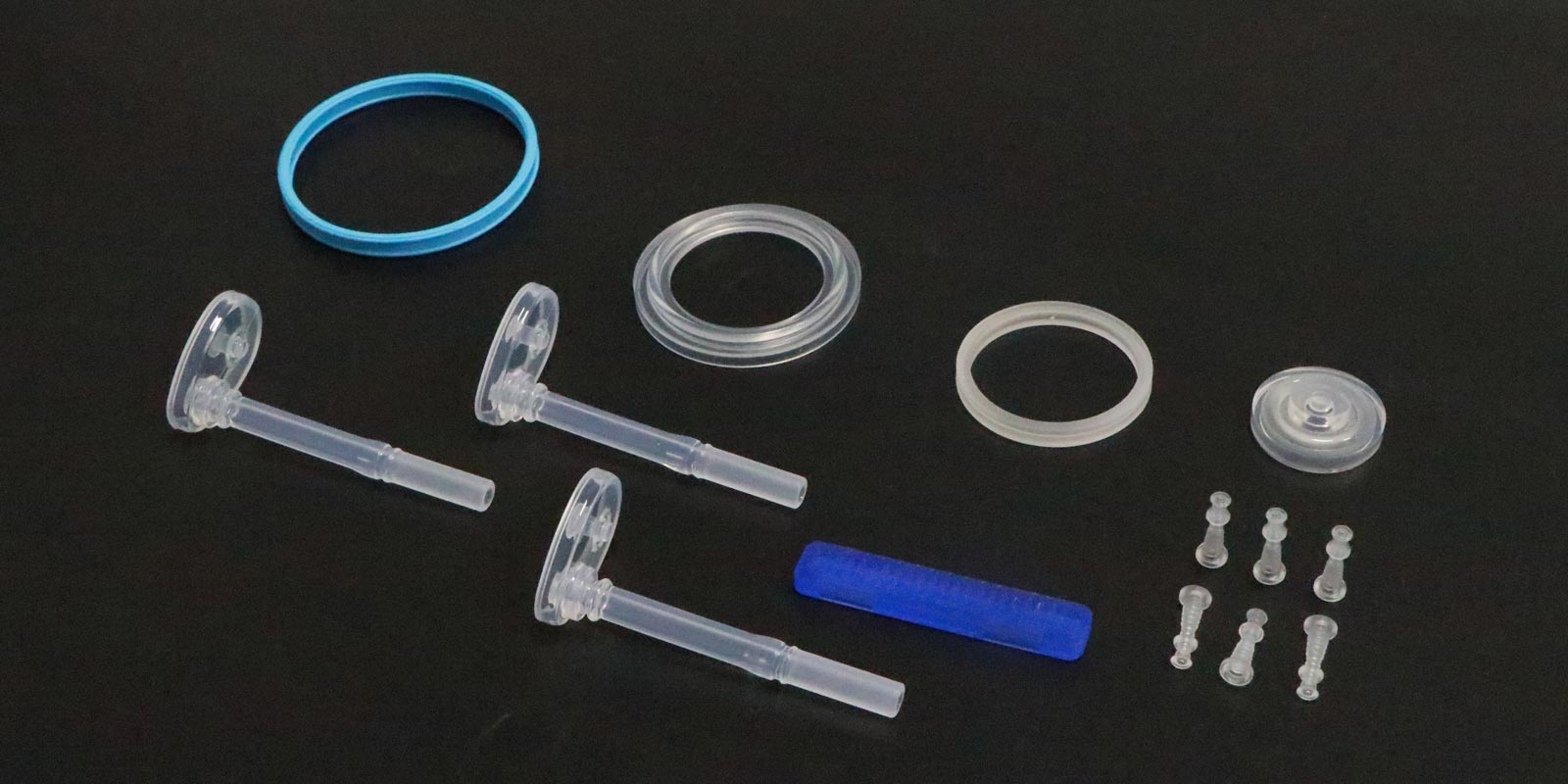
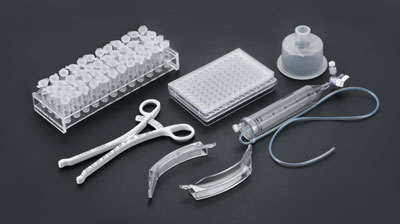



Medical injection-molded parts come into direct contact with the human body or are used for in-body implants, making material purity the baseline for product safety. Once raw materials are adulterated, the consequences range from batch scrap and delivery delays to clinical incidents and product recalls, with losses often reaching into the millions. Preventing material adulteration requires building defenses across three levels: supplier management, incoming material inspection, and process control.
Common materials used in medical injection molding include medical-grade PP, PC, PEEK, and TPU. Adulteration typically takes three forms: first, substituting non-medical-grade materials for medical-grade ones, with cost differences reaching several times; second, blending recycled material into virgin material, where the source of the recycled material is unknown and may carry cross-contamination; third, adding excessive fillers or plasticizers to reduce costs, directly affecting the material's biocompatibility and mechanical properties.
This type of adulteration is often visually indistinguishable and must be identified through testing.
The most effective way to prevent adulteration is to control it at the source.
First, only select suppliers with ISO 13485 certification and complete material safety data sheets (MSDS/TDS). Second, require suppliers to provide a COA (Certificate of Analysis) for each batch of raw materials and compare it against the actual delivered material. For critical materials, it is recommended to conduct an annual on-site supplier audit, focusing on whether their raw material storage, repackaging, and labeling management are compliant.
If a supplier cannot provide traceable raw material origin documentation, they should be eliminated directly.
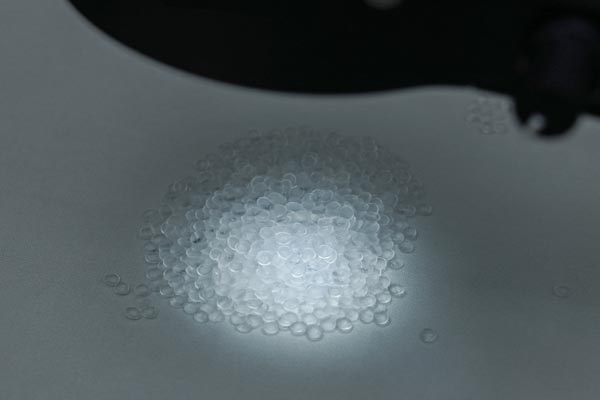
Relying solely on COAs is not enough. Independent testing of incoming materials is mandatory. Core testing items include:
Melt Flow Index (MFI) testing, as adulterated materials typically show deviations in fluidity compared to the stated values. Fourier Transform Infrared Spectroscopy (FTIR) analysis, which can quickly identify whether the material composition matches the stated specifications. Ash content testing, used to detect the presence of unintended fillers. For high-risk materials such as PEEK, it is recommended to add Thermogravimetric Analysis (TGA) and Differential Scanning Calorimetry (DSC) testing.
It is recommended to inspect at least one sample per batch of incoming materials, and to send key items to a third-party laboratory for re-inspection every quarter.
The injection molding process itself can reveal material anomalies. If product weight, color, or mechanical performance fluctuates between batches under the same equipment and process parameters, raw material issues should be the first suspicion. It is recommended to install online weighing and color difference detection on the injection molding machine, with automatic alarms and product isolation upon detection of anomalies.
At the same time, complete batch traceability records must be maintained for all raw materials and finished products, so that once a problem is identified, the scope can be locked down in the shortest possible time to minimize losses.
If a batch of raw materials is confirmed to be adulterated, the handling principle is: isolate all products already produced, return unused materials to the supplier and file a claim. Do not hold onto any侥幸 mentality of "maybe it will work." The compliance cost of medical products far exceeds the material cost. At the same time, blacklist the supplier and notify relevant companies in the industry.
Q: Which types of materials are most prone to adulteration in medical injection molding?
A: PEEK and TPU are the most frequently adulterated materials because of their high prices and strong market demand, which give unscrupulous suppliers large profit margins. PP and PC are relatively transparent in pricing, but recycled material blending is still common.
Q: How can small and medium-sized enterprises without testing equipment prevent adulteration?
A: The most practical approach is to choose reputable first-tier distributors rather than traders, require a COA with every batch, and regularly send samples to a third-party lab for testing. The testing cost is far lower than the loss from a single recall.
Q: Can adulterated materials be mixed with good ones to reduce losses after discovery?
A: Absolutely not. Medical products are subject to strict regulatory requirements. Mixing unverified materials is equivalent to using non-conforming raw materials. If discovered by regulators, the penalties far exceed the value of the materials themselves.
PREV:Why Do Medical Injection-Molded Parts Keep Failing? A Comprehensive Guide
NEXT:Common Problems and Precautions in OEM Customization of Medical Packaging Injection Molded Parts
Add: 62 Jinghai East Road, Chang'an Town, Dongguan City, Guangdong Province
Whatsapp: +86 13342659272
Email: Yuliya.chen@yizemould.com

Add: 62 Jinghai East Road, Chang'an Town, Dongguan City, Guangdong Province
Whatsapp: +86 13342659272
Email: Yuliya.chen@yizemould.com
 Home
Home