

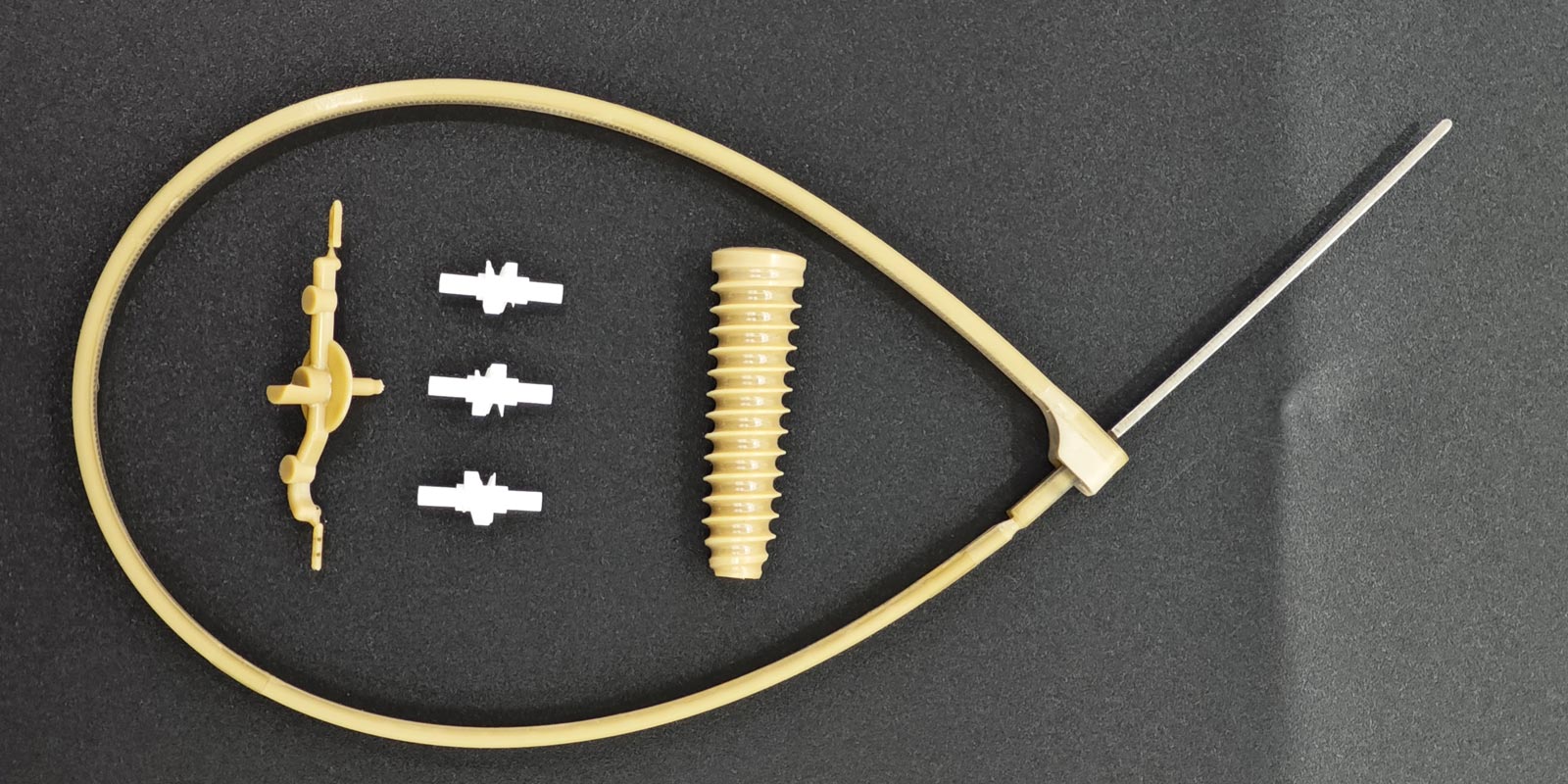
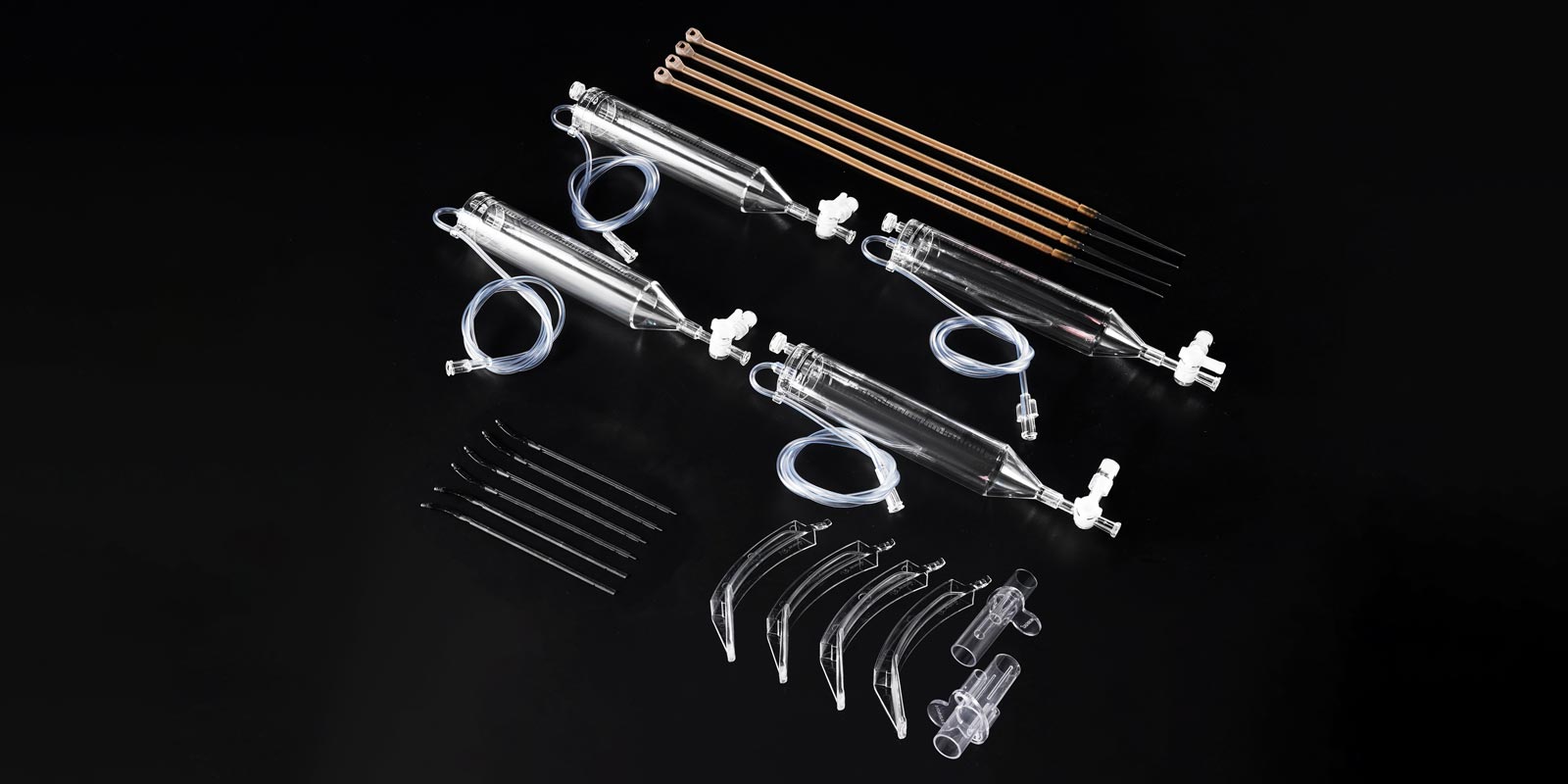
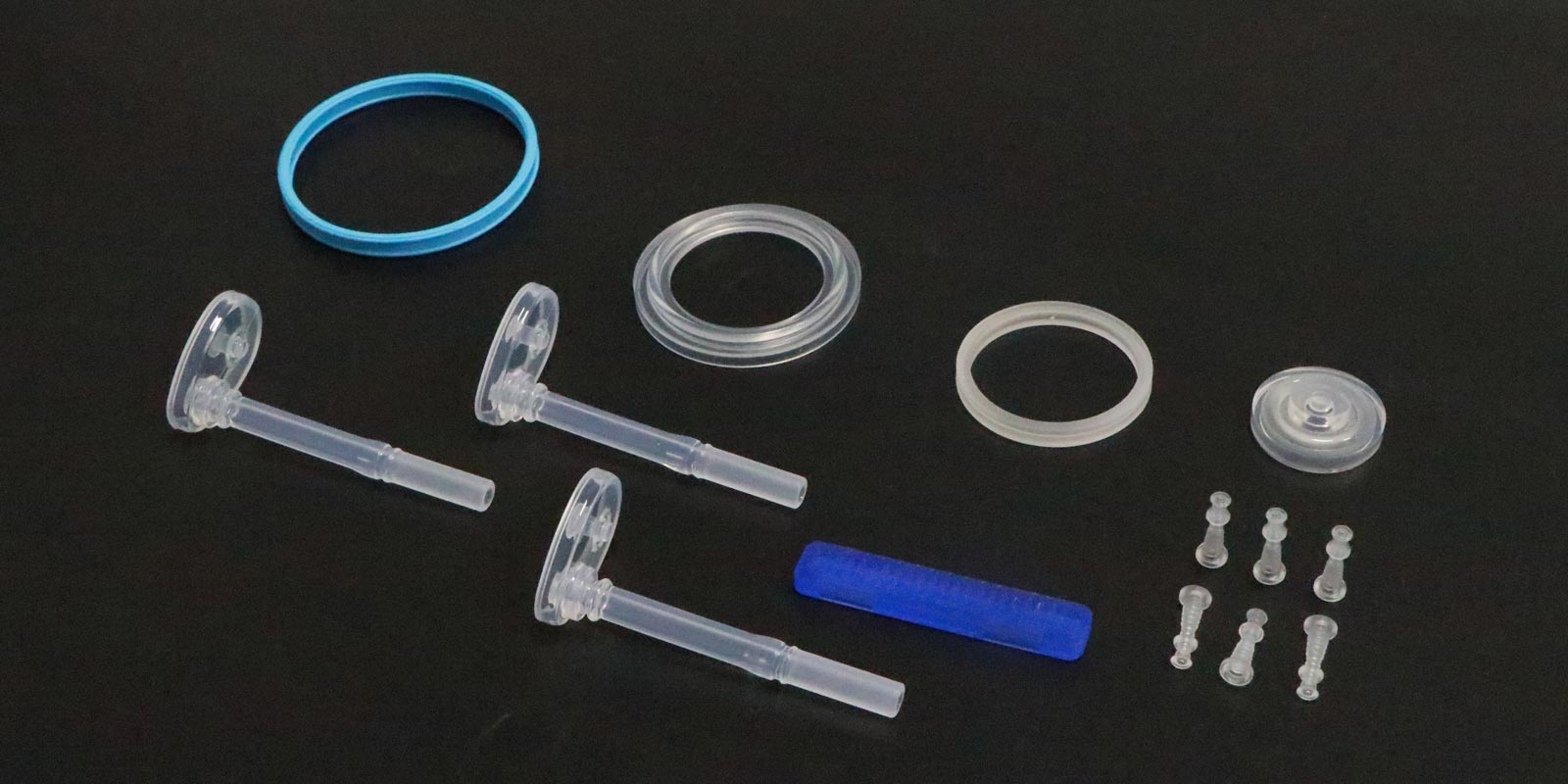
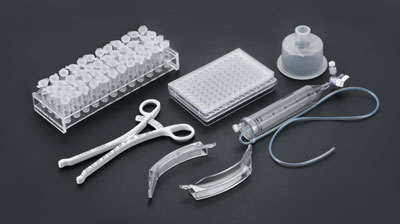



Medical injection molded products have extremely strict requirements for appearance precision and surface quality. Orange peel texture — this type of surface wrinkling, microscopic uneven defect resembling orange peel — once it appears on medical device housings, syringe components, or diagnostic equipment panels, not only affects product aesthetics but can also become a breeding ground for bacteria, directly threatening patient safety. The essence of orange peel texture is: during the injection process, if the melt flow speed is too low, the product surface solidifies rapidly. As flow resistance increases, the melt front becomes rheologically uneven, and the first-solidified outer layer of material cannot fully contact the cavity wall, resulting in wrinkles. These wrinkles become permanent, irreversible defects after solidification and pressure holding.
So, how can we scientifically adjust injection molding process parameters to overcome this stubborn defect?
This is the most direct and effective method to eliminate orange peel texture, truly a "two-pronged approach."
Increasing melt temperature can significantly reduce plastic viscosity, allowing the melt to maintain fluidity for a longer time inside the cavity, giving the surface layer material sufficient time to closely conform to the cavity wall before solidifying. In specific operation, the temperature of each barrel zone should be gradually increased, especially the terminal zone near the nozzle. For high-viscosity medical materials commonly used such as PC, PMMA, and ABS, the barrel temperature should be appropriately raised. However, caution is required: excessive temperature will cause material degradation and discoloration, which medical products have zero tolerance for, so the optimal window must be found within the material's thermal stability range.
Increasing injection speed ensures that the melt completes cavity filling before the surface solidifies. A multi-stage speed curve of "slow first — fast — then slow" is recommended: the initial stage uses a lower speed to let the melt smoothly pass through the sprue and gate, avoiding jetting and air entrapment; the middle stage accelerates at full force, filling the cavity at the highest speed so the melt reaches the end of the runner in the shortest time; the final stage appropriately reduces speed for pressure holding compensation and to prevent stress concentration at the gate. For thick-walled structures of medical products, the injection speed optimization range is generally 25 to 35 millimeters per second, with specific values requiring fine-tuning based on cavity pressure feedback.
Many engineers focus all their attention on barrel temperature but overlook mold temperature as a key variable. If the mold temperature is too low, the melt instantly cools upon contact with the cavity wall, the surface quickly loses fluidity, and orange peel texture becomes almost unavoidable.
For medical injection molded products, mold temperature should be precisely set according to material characteristics. Taking PC as an example, the mold temperature generally requires above 60 degrees Celsius; taking PPS as an example, to achieve good appearance, the mold temperature sometimes needs to be pushed above 160 degrees Celsius. The scientific approach is to set the cooling water temperature 10 to 20 degrees Celsius below the target mold temperature and ensure the mold temperature is uniform and stable. For every 10 degrees Celsius increase in mold temperature, the melt leveling time is significantly extended, and the probability of orange peel texture occurring drops dramatically.
Injection pressure directly affects product density and appearance gloss. During the filling stage, higher injection pressure must be maintained to ensure injection speed does not attenuate. According to research data, the optimization range for holding pressure is typically between 60 and 80 megapascals, with a holding pressure around 67 megapascals bringing dimensional shrinkage close to qualified indicators.
Adopting a multi-stage holding strategy is particularly critical: the first stage uses high pressure for rapid filling, the second stage appropriately reduces pressure to maintain compensation for shrinkage until the gate freezes. For semi-crystalline medical materials such as PA and POM, special attention must be paid to the fact that sudden pressure changes can worsen the crystalline structure, so the second-stage pressure should not drop abruptly but should transition smoothly.
Back pressure is the pressure that must be generated and overcome before the screw retracts. Appropriately increasing back pressure (recommended 5 to 10 megapascals, but under no circumstances should it exceed 20% of the injection machine's maximum injection pressure rating) is beneficial for uniform pigment dispersion and thorough plastic melting, thereby improving the uniform fluidity of the melt and reducing orange peel texture from the source. However, excessive back pressure will extend screw recovery time and increase the risk of material degradation, so a trade-off is needed.
Screw speed should be set to the minimum value that does not extend the cycle time, ensuring sufficient plasticization while avoiding excessive frictional heat that could degrade material properties.
Insufficient venting of the melt is also one of the triggers for orange peel texture. Venting slots should be placed near the water marks and the final injection area, generally 6 to 13 millimeters wide and 0.01 to 0.03 millimeters deep, set at the parting line. Medical products have extremely high cleanliness requirements, and poor venting can also lead to chain defects such as burning and gas marks.
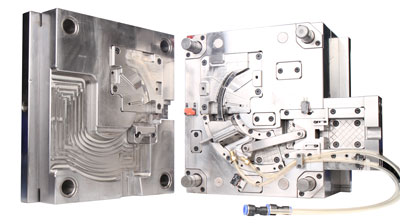
From the mold design perspective, sharp corners at the gate should be changed to smooth transitions, and the gate position and diameter need repeated verification. Product wall thickness should be as uniform as possible. Excessive wall thickness or excessive ribs will aggravate the irregularity of melt flow, making it difficult for the mold surface texture to be replicated, and the risk of orange peel texture will increase sharply.
Medical injection molded products often involve biocompatible materials such as PC, PPSU, and COC, which are extremely sensitive to temperature. When adjusting parameters, the principle of "rather low than high" for temperature starting points must always be followed — start from the lowest setting and gradually increase, while closely monitoring whether the material shows degradation or discoloration. In addition, medical product surfaces must not retain release agents, grease, or other contaminants. These surface contaminants will directly disrupt the contact between the melt and the cavity wall, aggravating orange peel texture. Every time the material is changed or the machine is restarted after shutdown, the barrel must be thoroughly cleaned.
In summary, the core logic for eliminating orange peel texture on medical injection molded products can be summed up in one sentence: use high temperature to ensure fluidity, use high speed to seize the solidification window, use high pressure to lock in surface precision, and use uniform mold temperature to level the final micrometer.
Q: What is the difference between orange peel texture and splay marks? How do I determine which defect my product has?
A: Orange peel texture appears as microscopic uneven wrinkles on the surface, mostly occurring at the end of runners and in thick-walled areas. Splay marks look like a dim halo, appearing near the gate or behind sharp corners. The surface is smooth but the color appears dull. The root cause of orange peel texture is that the melt flow speed is too low, causing the surface to solidify rapidly. Splay marks are caused by excessively high initial injection speed, leading to surface layer slippage. The parameter adjustment directions for the two are exactly opposite: orange peel texture requires increasing speed and temperature, while splay marks require decreasing speed and increasing temperature.
Q: What is the maximum back pressure that can be set when adjusting parameters for medical injection molded products?
A: The lower the back pressure, the better, but it must ensure uniform plasticization. The general principle is that under no circumstances should back pressure exceed 20% of the injection machine's maximum injection pressure rating. The recommended value is 5 to 10 megapascals, with specific values requiring fine-tuning based on material viscosity and screw specifications.
Q: Can increasing mold temperature completely eliminate orange peel texture?
A: No, it cannot be solved by mold temperature alone. Orange peel texture is the result of multi-factor coupling and must be addressed by coordinating increases in melt temperature, injection speed, and holding pressure. Mold temperature is just one key link; raising only the temperature without increasing speed has limited effect. The best approach is four-parameter linkage with systematic optimization.
PREV:Why Do Medical Injection-Molded Parts Keep Failing? A Comprehensive Guide
NEXT:How to Optimize Mold Cooling and Injection Molding Process for Sink Marks?
Add: 62 Jinghai East Road, Chang'an Town, Dongguan City, Guangdong Province
Whatsapp: +86 13342659272
Email: Yuliya.chen@yizemould.com

Add: 62 Jinghai East Road, Chang'an Town, Dongguan City, Guangdong Province
Whatsapp: +86 13342659272
Email: Yuliya.chen@yizemould.com
 Home
Home