

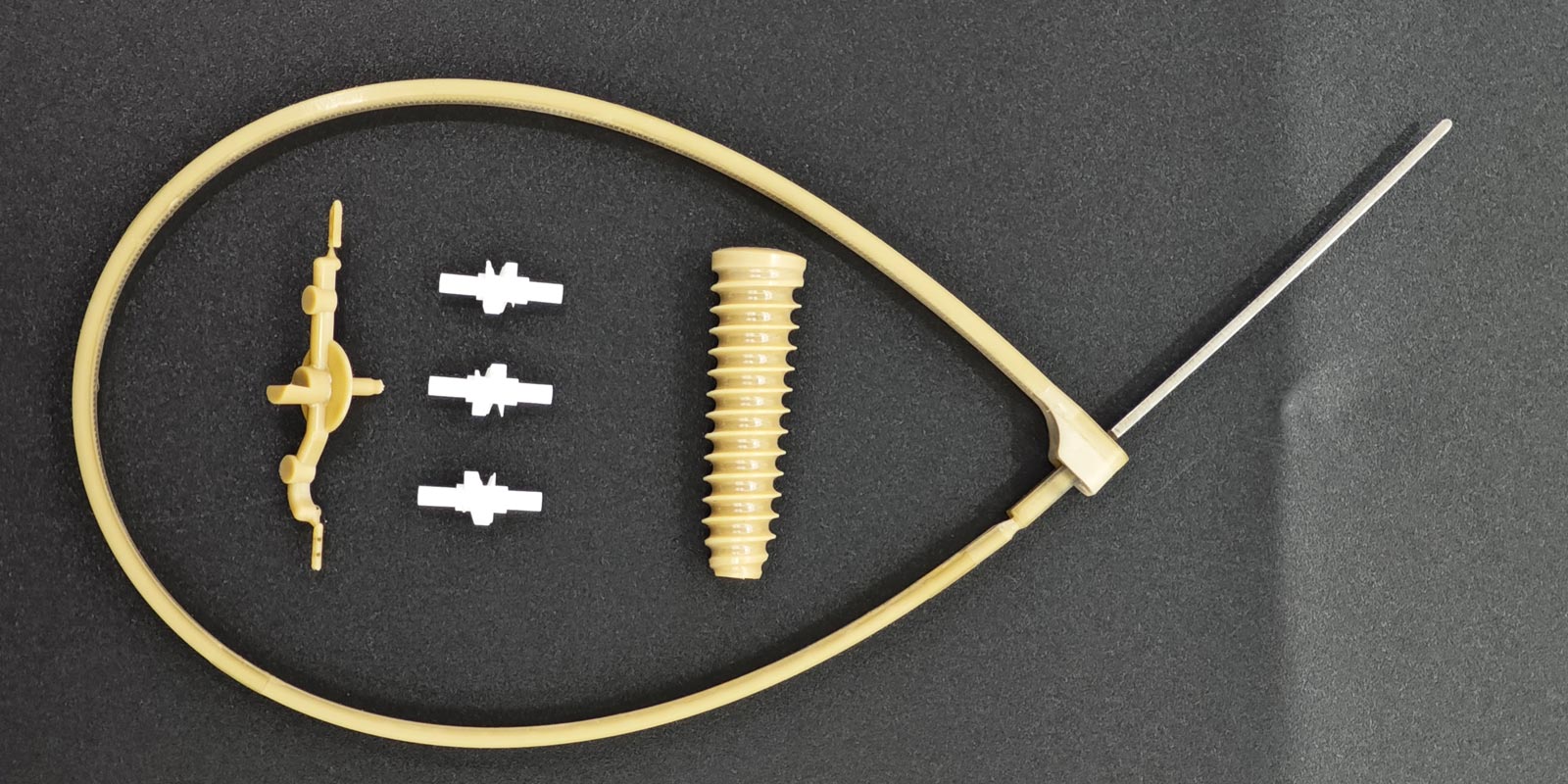
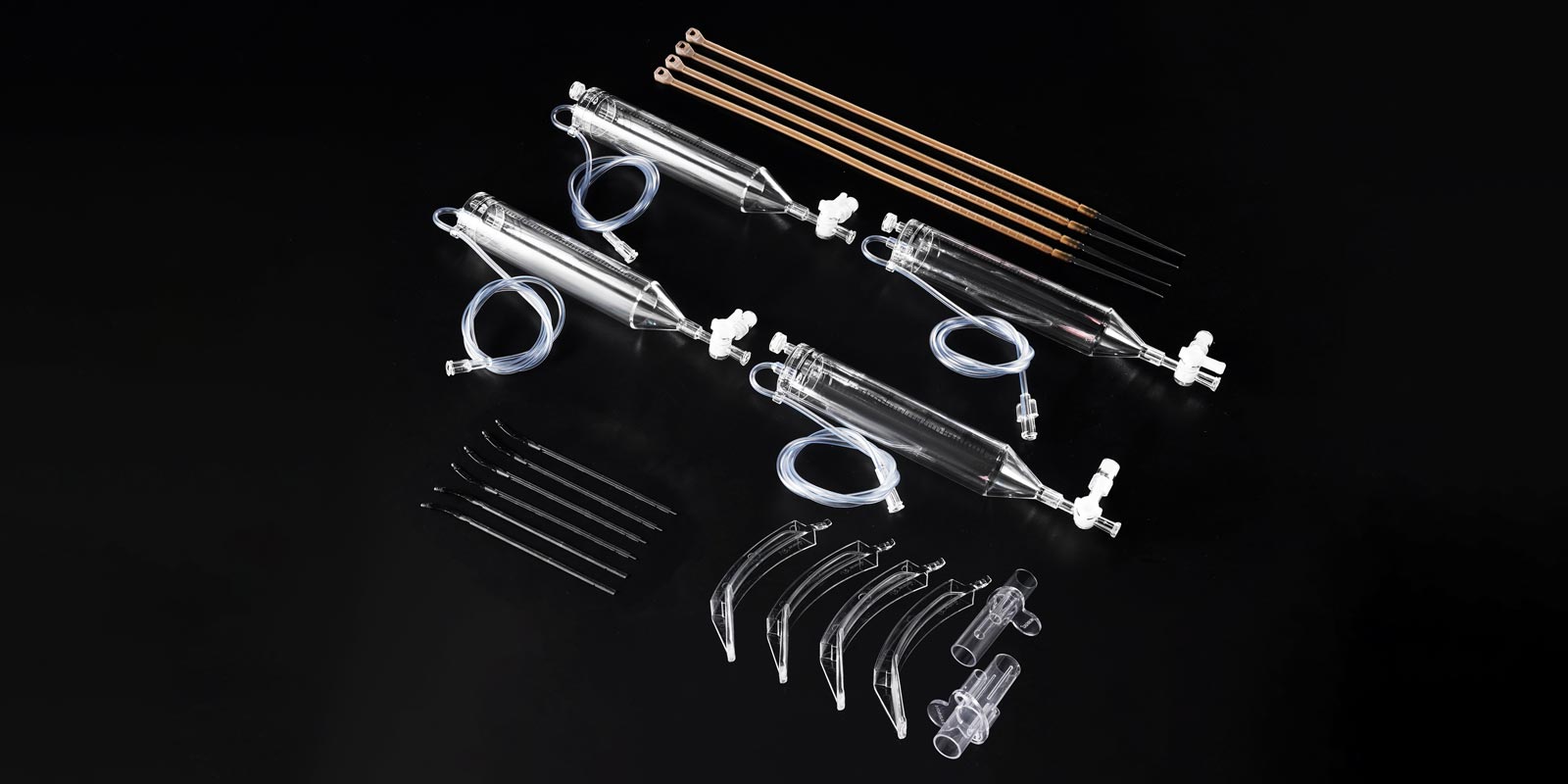
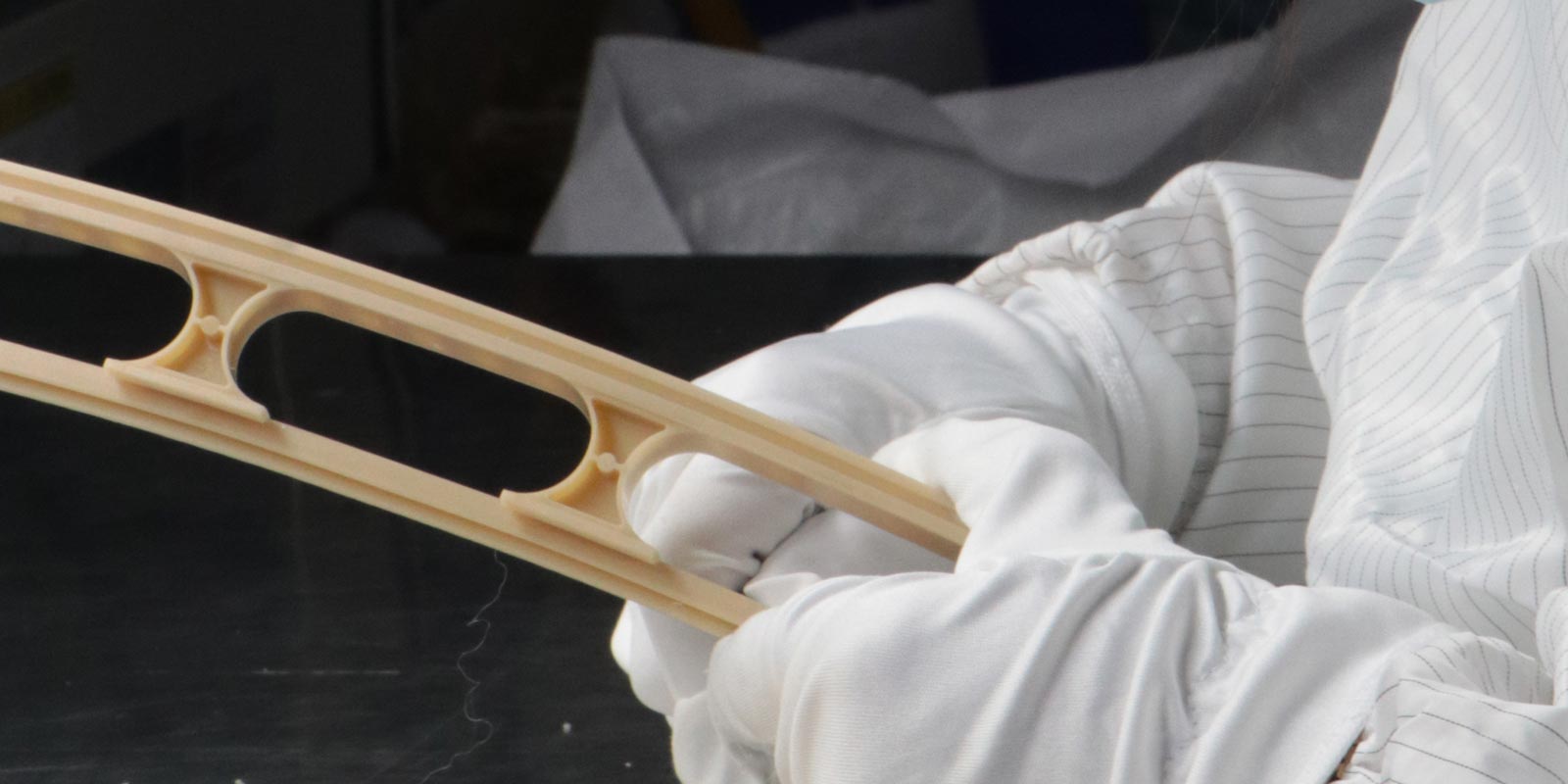
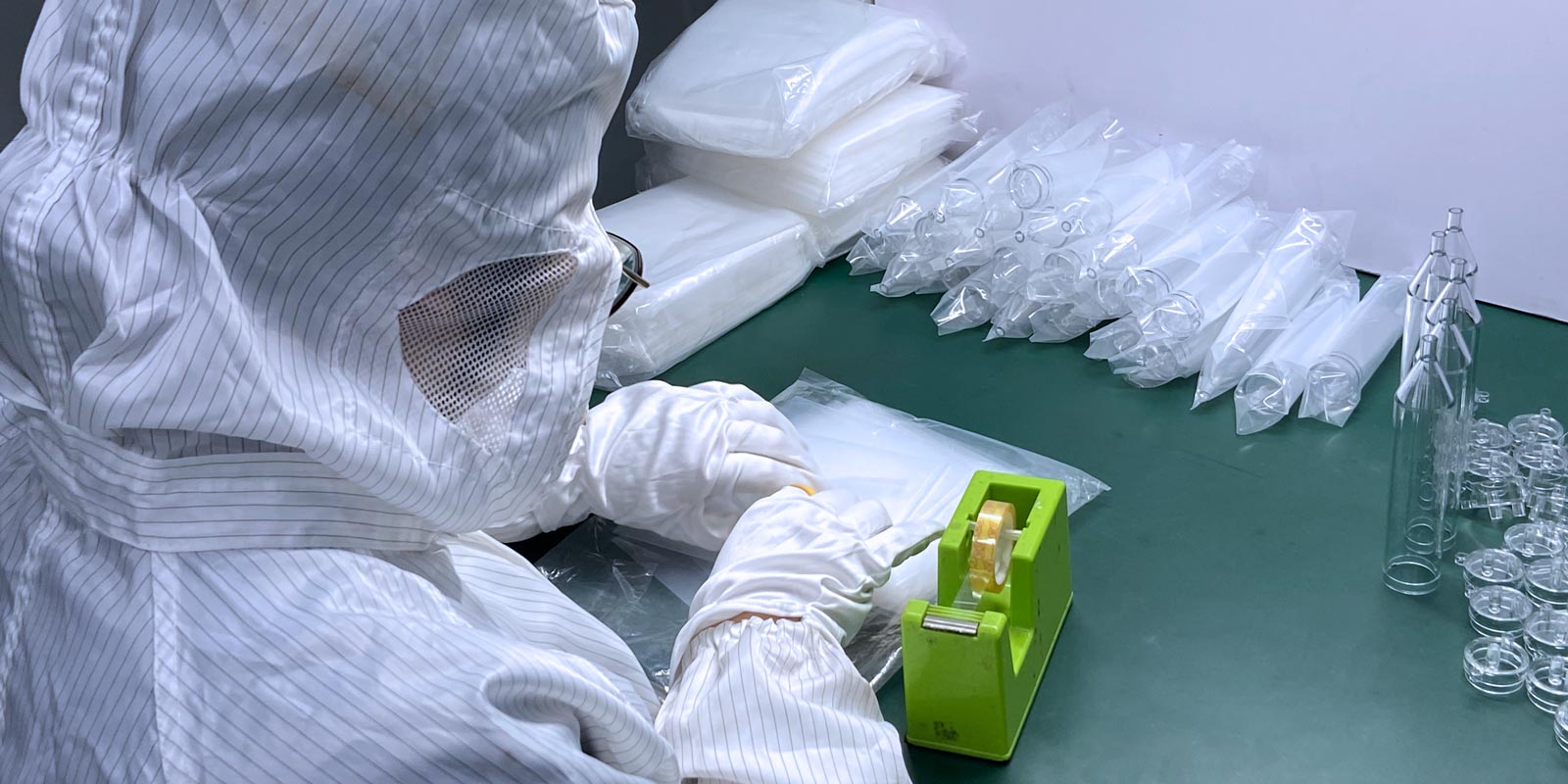



Medical injection molded products have near-demanding requirements for precision and appearance. However, sink marks act like a hidden "time bomb" that can appear at any moment in thick-wall areas, rib roots, and the back of inserts, not only seriously damaging product aesthetics but also potentially affecting functional performance and safety. How to precisely address this issue from the two major dimensions of mold cooling and injection molding process is a challenge every medical product engineer must overcome.
The root cause of sink marks lies in the volumetric shrinkage of thermoplastics as they transition from a molten state to a solid state. Medical-grade materials such as PC, PP, nylon, and TPE each have different shrinkage characteristics. The molding shrinkage rate of crystalline plastics (such as PA66, PP) is several times higher than that of amorphous plastics (such as PS, PC), with shrinkage amounts reaching multiples of amorphous materials.
Medical products often have complex structures with uneven wall thickness. Thick-wall areas store large amounts of heat and cool slowly, causing dramatic shrinkage differences between the inner and outer layers, ultimately forming visible depressions on the surface. Industry data shows that cooling time accounts for more than 60% of the injection molding cycle, and uneven cooling directly leads to 80% of molded part quality defects. For medical products, this figure means even higher risk.
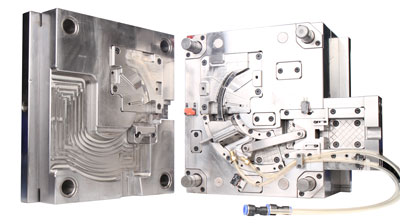
The cooling system is the core of controlling mold temperature uniformity and the most effective "hard measure" for eliminating sink marks.
First, the water channel layout must follow the shape of the molded part. The four common layout types each have their applicable scenarios: straight-through water channels are suitable for flat parts and shallow cavity box parts, baffle-type water channels specialize in deep cavity parts (depth exceeding twice the diameter), conformal water channels are the best match for irregular curved surface parts, and branched water channels are suitable for multi-cavity molds. For example, a factory changed straight-through water channels to 3D-printed conformal water channels, and the warpage dropped sharply from 0.8mm to 0.2mm, with immediate results.
Second, water channels must be densified in thick-wall areas. The ideal distance from the cooling water channel to the molded part surface should not exceed 15mm, with spacing at 3 to 5 times the water channel diameter. Thick-wall areas are the "epicenter" of heat accumulation, so the water inlet should be aimed at these areas to let low-temperature water cool the hottest spots first. The water outlet should be placed in the low-temperature area to form a reasonable temperature gradient. At the same time, exhaust plugs with a diameter of 4 to 6mm must be installed at the highest point of the water channel to prevent air bubbles from causing local insufficient cooling.
Third, cooling medium and temperature control must not be neglected. Clean industrial cooling water is commonly used, with hardness controlled below 100mg/L to prevent scaling. For high-temperature molding materials such as PA66, hot water circulation at 80 to 90°C is required to prevent part brittleness. The chiller must be equipped with PID temperature control, keeping water temperature fluctuation within plus or minus 1°C. Mold temperature is typically 5 to 10°C higher than the water temperature to prevent condensation on the mold surface.
Fourth, special cooling solutions for special structures. For thick-wall medical components with wall thickness exceeding 10mm, cooling rods can be inserted into the center of the thick wall or spiral cooling tubes can be used to shorten the heat transfer path. Pulse cooling technology can also be adopted, intermittently increasing flow rate to rapidly remove heat. For small precision medical connectors, dense layouts of 4 to 6mm fine water channels are used, with a distance of at least 3mm between the water channel and the ejector pin.
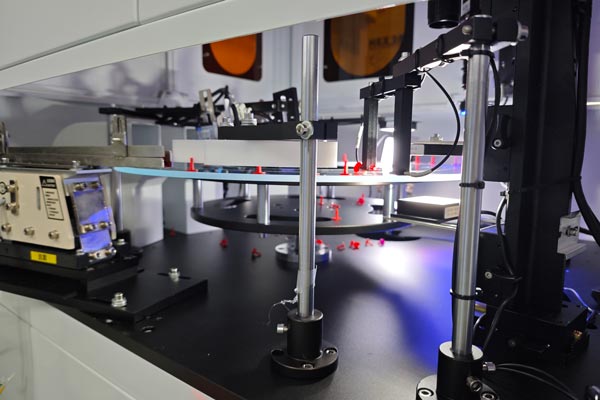
Mold cooling is the foundation, while injection molding process parameters are the key levers for on-site tuning.
Holding pressure is the first line of defense for shrinkage compensation. Insufficient holding pressure or too short holding time is the most common direct cause of sink marks. Holding pressure should be appropriately increased and holding time extended, with the gate fully frozen as the benchmark. Holding time should be maintained for at least 2 seconds or more to ensure that the melt inside the cavity continues to receive external pressure supplementation during cooling shrinkage. When sink marks appear near the gate, extending holding time often solves the problem immediately.
Injection pressure and speed must work together. Appropriately increasing injection pressure and injection speed can fully fill the part and eliminate most shrinkage. For high-fluidity materials, excessive pressure may cause flash, so the material temperature should be appropriately reduced. For high-viscosity materials, the barrel temperature should be increased to improve mold filling. A certain cushion should be maintained at the front end of the screw, neither too large to consume injection pressure nor too small to cause insufficient material volume.
Fine-tuning of material temperature and mold temperature. Excessive barrel temperature increases the volumetric change of the melt, forming an uneven solidification layer during cooling and aggravating depressions. The material temperature should be lowered as much as possible while ensuring smooth mold filling, especially the front section of the barrel and nozzle temperature. Regarding mold temperature, thin-wall medical parts should have higher mold temperature to ensure smooth material flow, while thick-wall parts should have lower mold temperature to accelerate the surface solidification and hardening, using the hardened shell to resist internal shrinkage pull.
Material preparation cannot be ignored. If medical-grade raw materials are not fully dried after moisture absorption, the water vaporizes at high temperature forming bubbles. After the bubbles escape, they leave surface defects resembling sink marks. It is recommended to dry at 70 to 80°C for 2 to 4 hours according to supplier guidelines. For crystalline plastics, nucleating agents can be added to the formulation to accelerate crystallization and reduce shrinkage. Selecting resin grades with low shrinkage rates reduces risk from the material source.
Process adjustment is not a universal solution. Optimization at the design level is the fundamental cure.
Product wall thickness should be as uniform as possible. When the thickness variation exceeds 50%, ribs should be used to replace thickened areas, with rib thickness controlled below 50% of the base wall thickness. Gates should be placed at the thick-wall areas of the product, with gate thickness generally at 50% to 75% of the product wall thickness, to delay gate freezing and ensure pressure transmission. The gate length of pinpoint gates and needle gates must be controlled below 1mm. Multi-gate molds should have gates opened symmetrically, with each gate's filling speed adjusted to be consistent.
Mold venting is equally critical. Poor venting traps air in the cavity, hindering the melt from completing the holding pressure compensation process. Vents should be placed at the last-filled areas, and vent grooves should be opened along the edges of long and thick runners.
For medical auxiliary parts that do not require high precision, the part can be ejected early after injection and holding pressure are completed, when the outer layer has basically solidified but the core is still soft, allowing it to cool slowly in air or hot water so that shrinkage depressions are gentle and do not affect usage.
After design completion, Moldflow or similar software must be used to simulate the temperature field distribution, focusing on identifying "hot spots" where the temperature difference exceeds 5°C. During trial molding, observe part defects. If sink marks are present, densify water channels or shorten cooling time in the corresponding areas. Use a flow meter to detect the flow rate of each branch, with deviation controlled within 10%.
Sink mark problems on medical injection molded products can never be solved by a single link. Only through collaborative optimization across material selection, product design, mold cooling, and molding process can every medical injection molded product truly meet the dual standards of appearance and performance.
Q: Sink marks keep appearing in the thick-wall area of a medical injection molded product. Should I prioritize cooling adjustments or process parameters?
A: Prioritize the cooling system. Thick-wall areas are the core zone of heat accumulation. You should densify cooling water channels in that location, shorten the distance from the water channel to the surface, and insert cooling rods if necessary. On top of that, increase holding pressure and extend holding time for the best results.
Q: Medical products made of PC material have severe sink marks. What special countermeasures are available?
A: PC is an amorphous plastic with relatively small shrinkage but high temperature sensitivity. You should appropriately lower the front section barrel temperature to reduce volumetric change, while increasing injection speed to fully fill the part. On the mold side, ensure uniform cooling, place the gate at the thick-wall area, and add nucleating agents to the formulation if necessary to improve crystallization behavior.
Q: The mold cooling water channels have been optimized, but sink marks still persist. What should I check next?
A: You should check the following in order: First, whether the holding time is sufficient, with the gate fully frozen as the benchmark. Second, whether the nozzle orifice size is appropriate, as too small a size causes high filling resistance and insufficient material volume. Third, whether the raw material is fully dried. Fourth, whether the gate size is too small, causing premature freezing and inability to complete holding pressure compensation.
Q: Conformal cooling water channels are expensive. Are they worth the investment for small-batch medical products?
A: For medical products with complex structures and uneven wall thickness, conformal water channels can elevate cooling uniformity by a full level, reducing warpage and sink mark problems by more than 50%. If manufactured via 3D printing, the per-mold cost has dropped significantly. For mid-to-high-end medical products, the cost-performance ratio is extremely high.
PREV:Why Do Medical Injection-Molded Parts Keep Failing? A Comprehensive Guide
NEXT:How to Improve the Design of Medical Injection Molded Products with Cold Slug Marks?
Add: 62 Jinghai East Road, Chang'an Town, Dongguan City, Guangdong Province
Whatsapp: +86 13342659272
Email: Yuliya.chen@yizemould.com

Add: 62 Jinghai East Road, Chang'an Town, Dongguan City, Guangdong Province
Whatsapp: +86 13342659272
Email: Yuliya.chen@yizemould.com
 Home
Home