

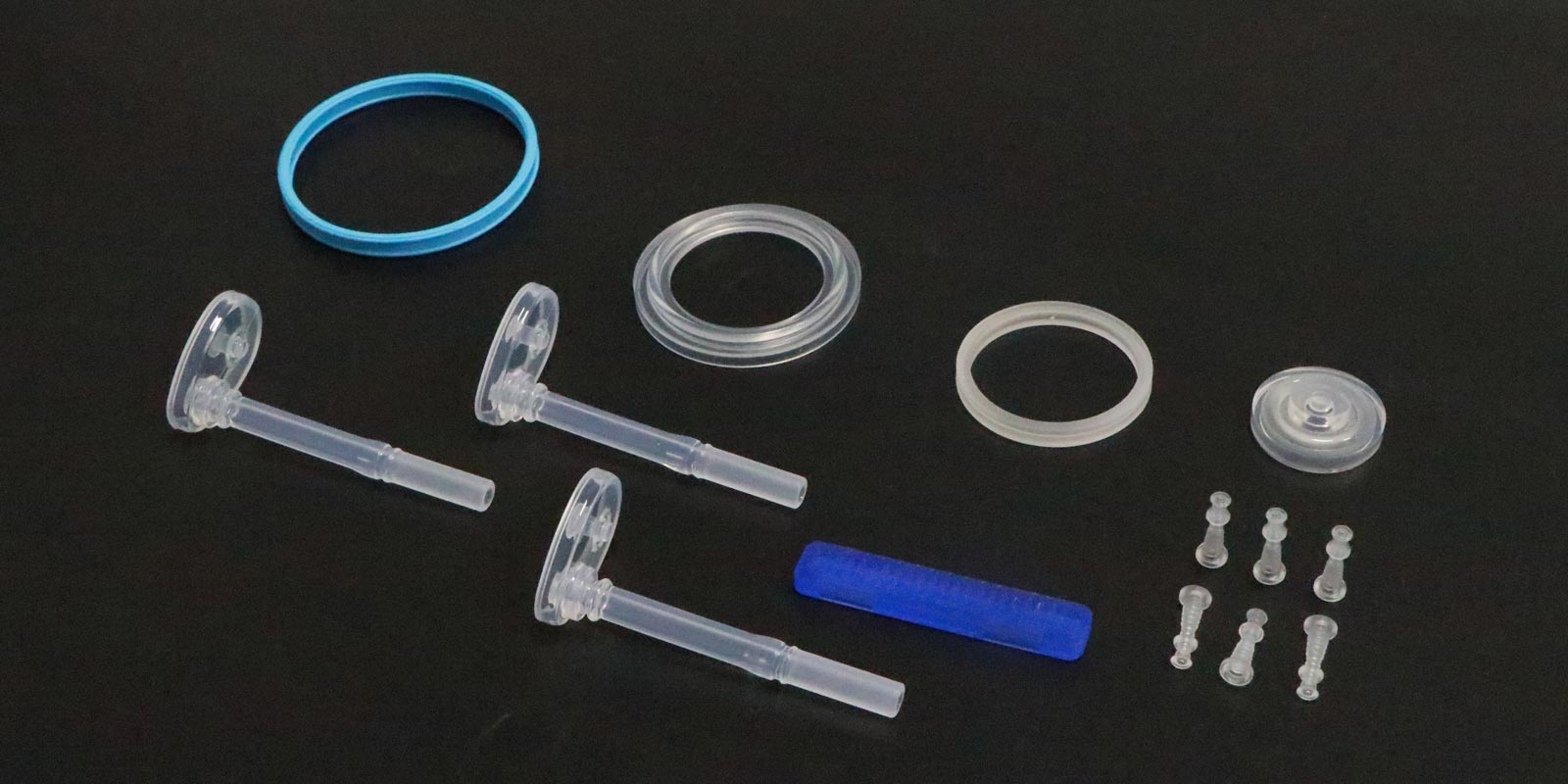
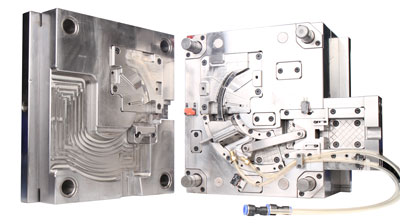
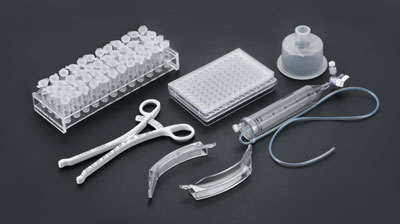



Medical plastic injection molding technology, as one of the core processes in modern medical device manufacturing, has become a crucial driving force for innovation in the medical industry due to its high precision, high efficiency, and material diversity. From disposable syringes to complex artificial joints, and from precision diagnostic equipment to intelligent drug delivery systems, injection molding technology runs through every link of the medical industry chain. This article will delve into the diversity of medical plastic injection molding and its applications in key fields, and answer common questions in the industry.
One of the core advantages of medical plastic injection molding lies in its wide range of material options. According to the performance requirements of different application scenarios, the following materials can be selected:
Medical injection molding processes need to meet stringent requirements such as high precision, sterility, and complex structures, giving rise to various technological branches:
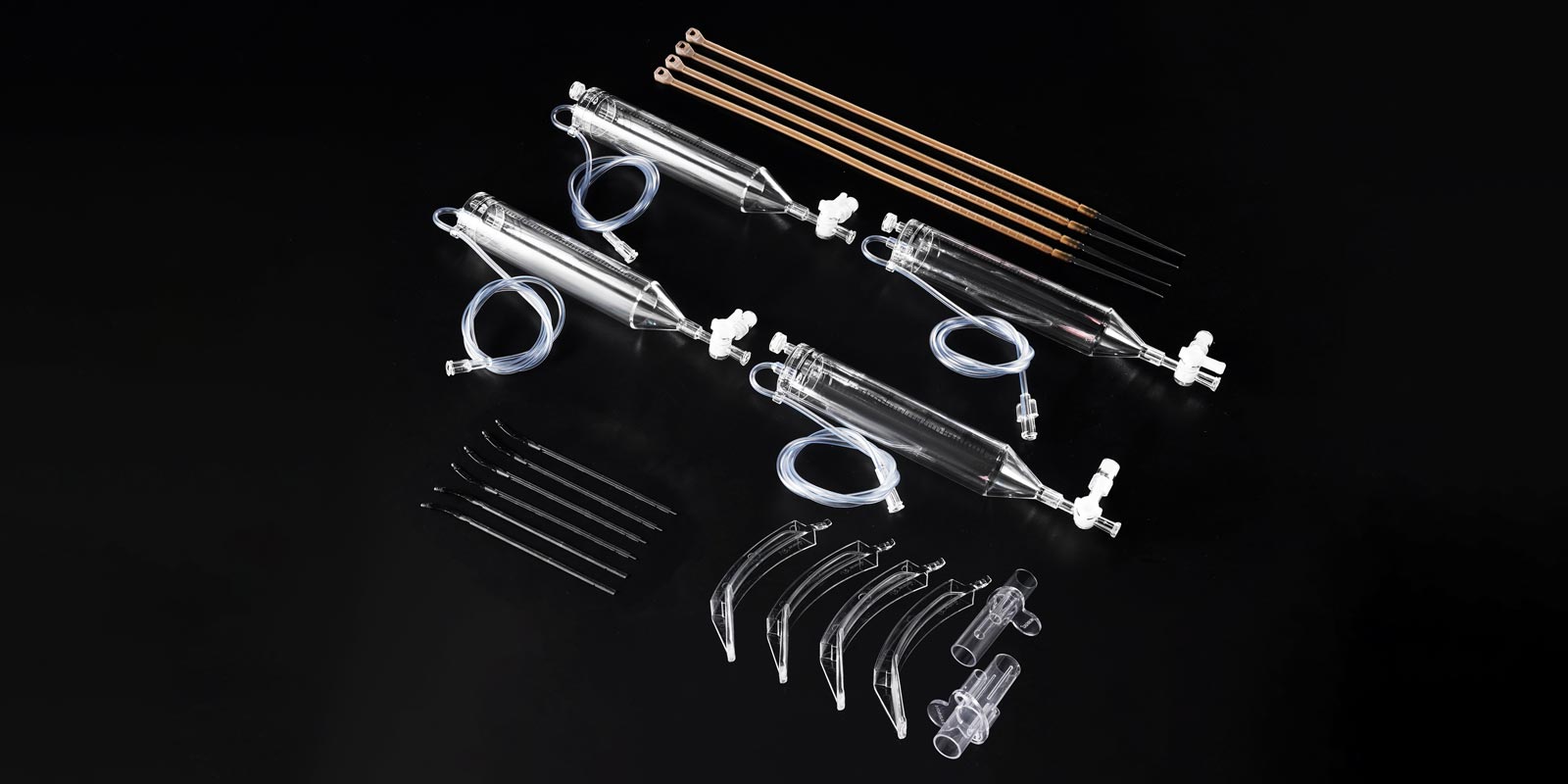
Medical injection molded products cover the entire chain of diagnosis, treatment, rehabilitation, and nursing, with specific applications including:
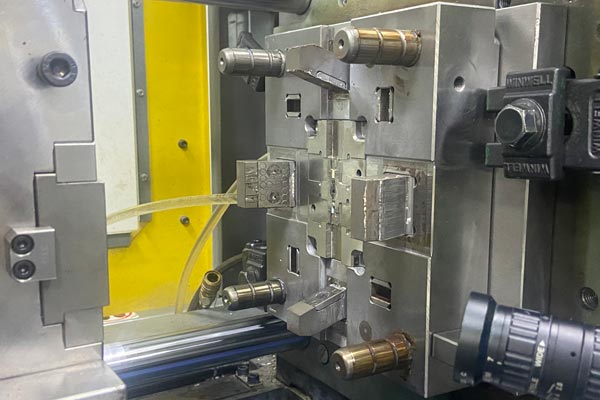
Minimally invasive surgery places extremely high demands on the precision, flexibility, and biocompatibility of instruments. For example, pacemaker housings need to use PEEK material and achieve 0.1mm-level wall thickness control through micro-injection molding to ensure signal transmission stability. Laparoscopic handles require a combination of insert molding processes to seamlessly integrate metal sensors with plastic housings, improving operational comfort.
Intelligent drug delivery devices (such as insulin pumps and inhalers) need to achieve precise dosage control and patient-friendly design. Injection molding technology can produce high-precision gears, valves, and seals to ensure drug release errors of less than 1%. For example, an inhaler uses a multi-cavity mold to produce aerosol valves, reducing the unit cost by 40% while optimizing sealing performance through liquid silicone rubber injection molding to prevent drug leakage.
Medical wearable devices (such as continuous glucose monitors and ECG patches) need to balance lightweight and durability. Injection molding technology can produce ultra-thin housings (wall thickness < 0.5mm) and combine TPU material to achieve flexible and snug fitting. At the same time, nano-injection molding processes integrate metal electrodes with plastic substrates to improve signal acquisition accuracy.
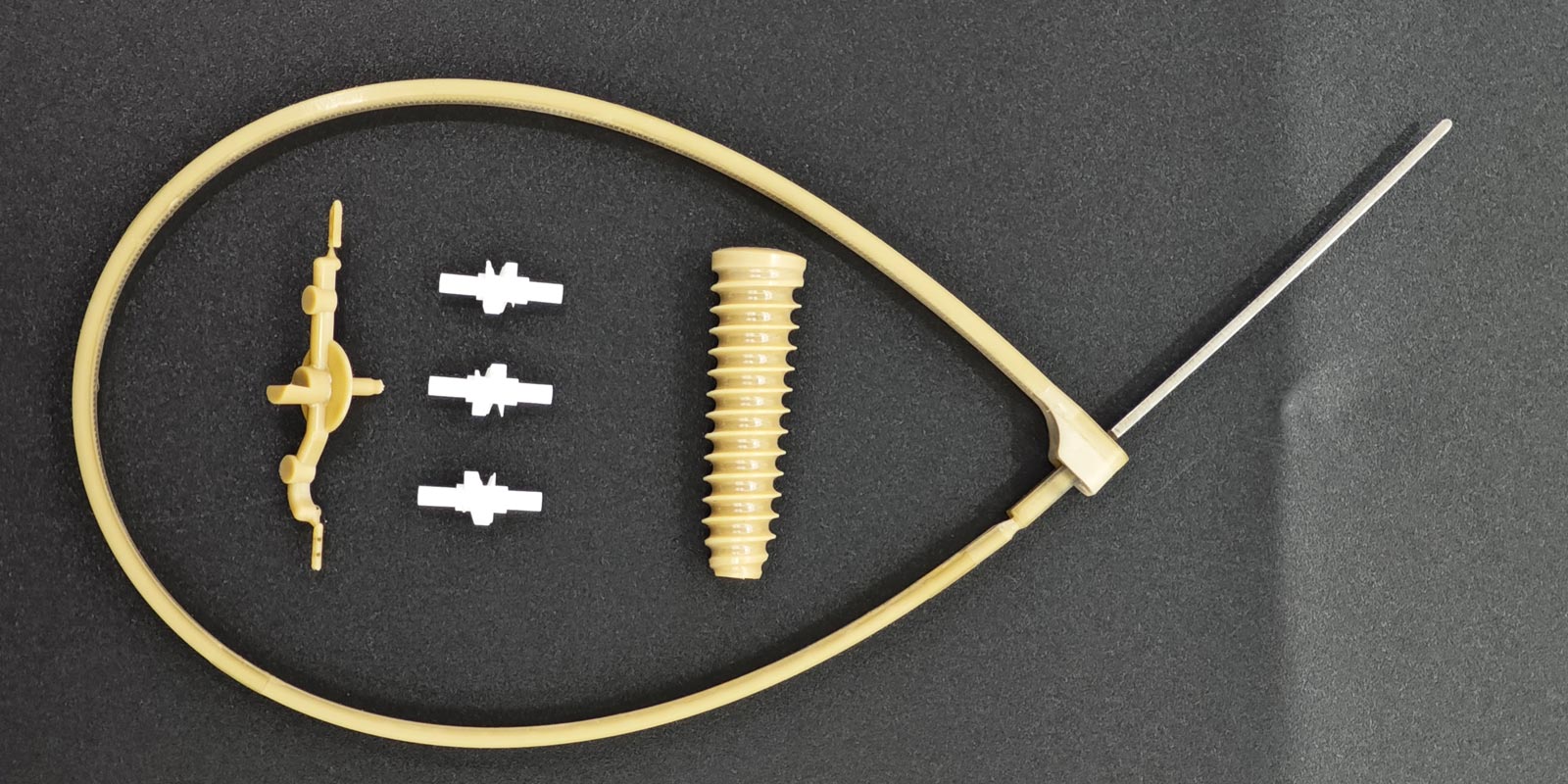
Artificial joints, vascular stents, and other implants need to withstand long-term human movement loads, placing extremely high demands on material strength and wear resistance. PEEK material can be injection molded to produce complex geometric structures, such as 3D-printed porous scaffolds to promote bone cell growth. Ultra-high molecular weight polyethylene (UHMWPE) is used for hip joint liners, and special mold designs achieve self-lubricating surfaces to reduce wear rates.
Q1: How do medical injection molded products ensure sterility?
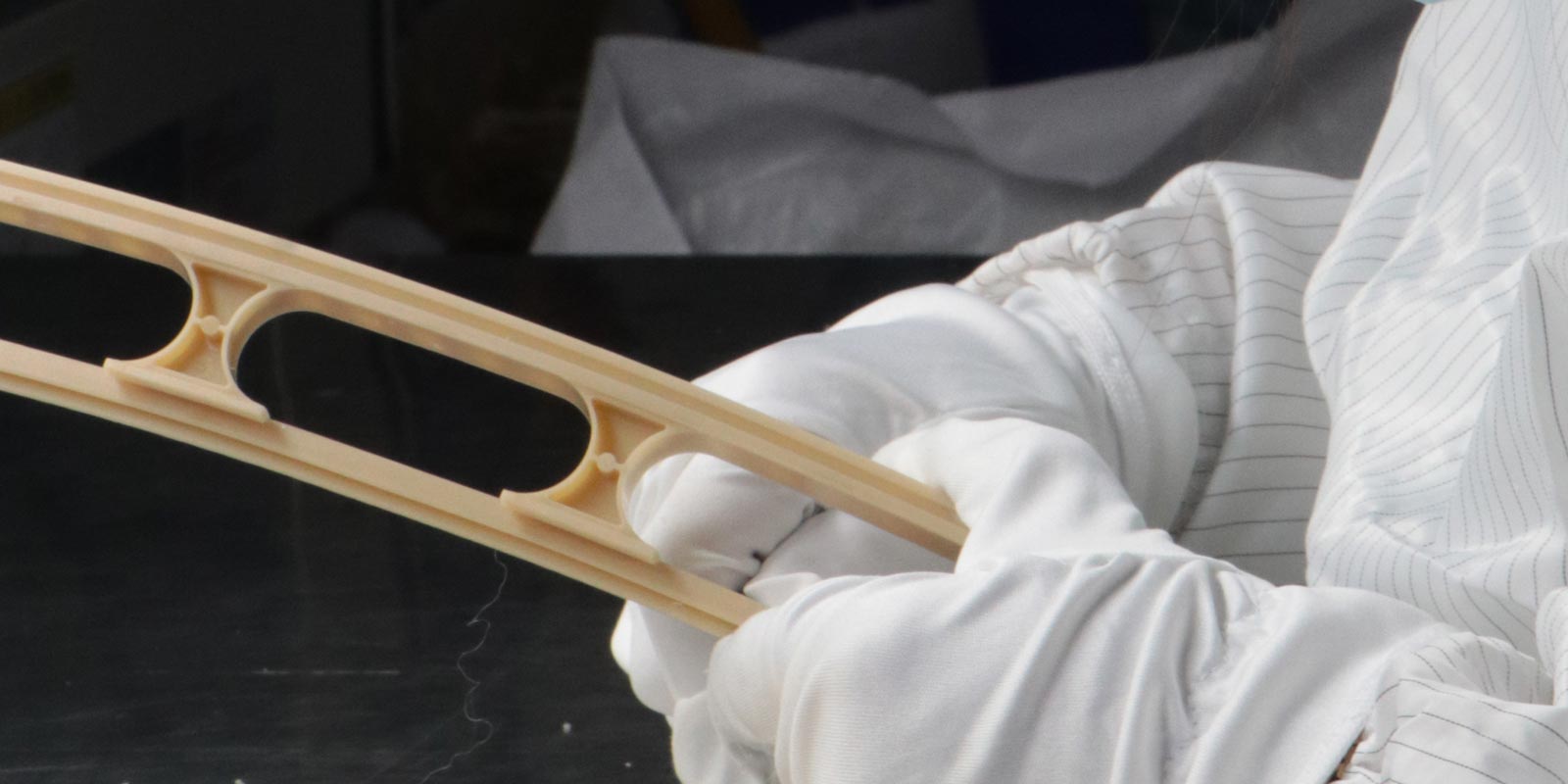
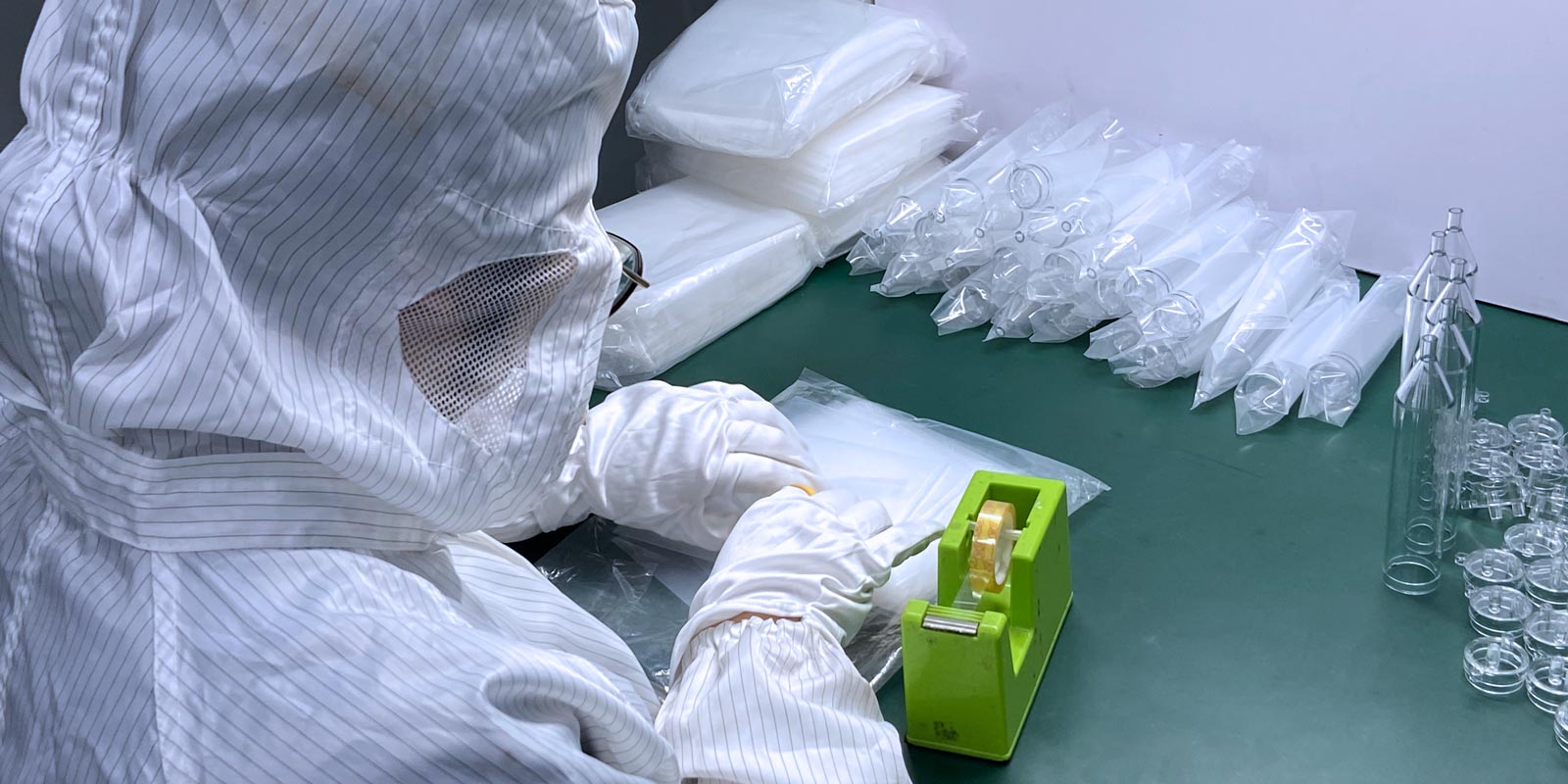
A: Production is carried out in Class 10,000 cleanrooms. The mold uses a closed lubrication system to prevent oil contamination. After demolding, the products undergo sterilization treatments such as ethylene oxide sterilization or gamma ray irradiation.
Q2: What are the difficulties of micro-injection molding?
A: The main challenges include mold processing precision (requiring ±0.005mm), flow channel design (to avoid material degradation), and optimization of the ejection mechanism (to prevent product deformation).
Q3: How to select materials for medical injection molding?
A: It is necessary to comprehensively consider biocompatibility (such as ISO 10993 certification), mechanical properties (such as tensile strength > 150MPa), chemical resistance (such as resistance to ethanol disinfection), and processing properties (such as fluidity).
Q4: What is the service life of medical injection molds?
A: High-quality molds (such as those made of S136H stainless steel) can produce 500,000 to 1 million pieces with proper maintenance, but micro-molds may have a shorter service life of up to 100,000 pieces due to high precision requirements.
Q5: How does the injection molding process affect product costs?
A: Multi-cavity molds can amortize unit costs, but initial investment is high. High-speed injection molding machines can shorten cycle times but consume more energy. Material selection needs to balance performance and price (such as PEEK being 10 times more expensive than PP).
Medical plastic injection molding technology is continuously driving the medical industry toward greater precision, efficiency, and sustainability through material innovation, process upgrades, and intelligent transformation. In the future, with the deep integration of 3D printing, nanotechnology, and artificial intelligence, injection molding technology will play an even greater role in personalized medicine, remote diagnosis and treatment, and other fields, contributing core momentum to human health.
Add: 62 Jinghai East Road, Chang'an Town, Dongguan City, Guangdong Province
Whatsapp: 13302615729
Tel: 86-133-0261-5729
Email: info@yizemould.com

Add: 62 Jinghai East Road, Chang'an Town, Dongguan City, Guangdong Province
Whatsapp: 13302615729
Tel: 86-133-0261-5729
Email: info@yizemould.com
 Home
Home