

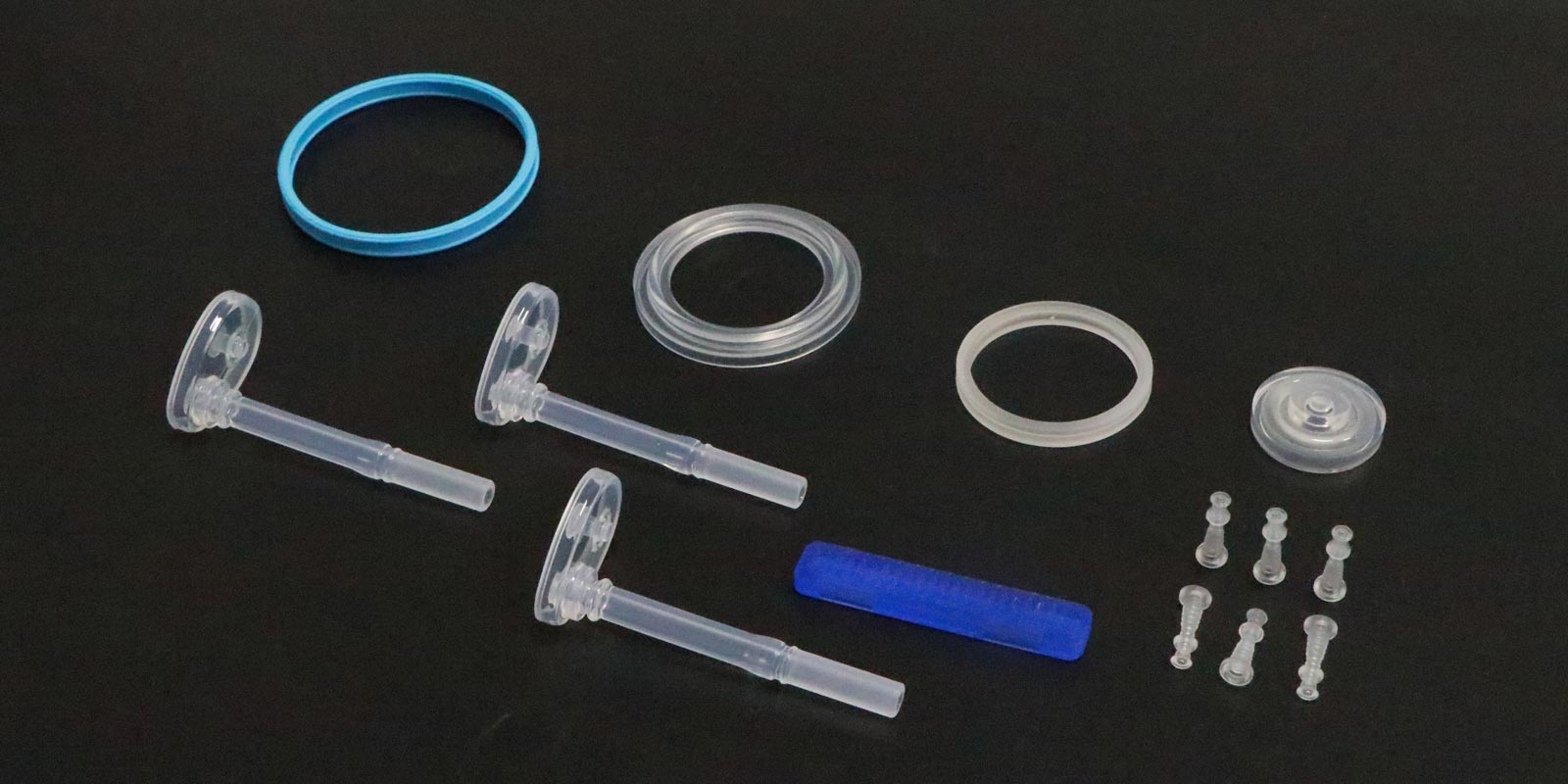
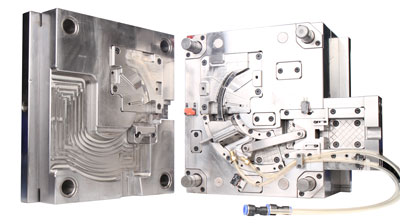
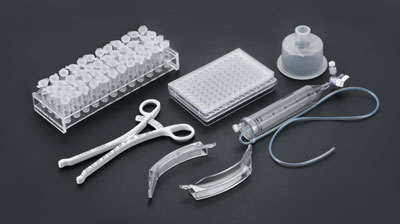



The moment a scalpel falls with precision, a manufacturing system accurate to the micron level is working behind the scenes. Mold opening and injection molding for medical surgical instruments is far from simply "melting plastic and pouring it into a mold" — it is the triple convergence of material science, mold engineering, and regulatory compliance, and one of the most technically demanding links in modern medical manufacturing.
The precision requirements for surgical instruments are nearly extreme. The bite gap of a hemostat, the wall thickness uniformity of a minimally invasive catheter — all directly relate to patient safety and surgical outcomes. Injection molding can achieve "part-level consistency" in mass production — thousands of parts from the same mold can have dimensional tolerances controlled within an extremely narrow range. This is an efficiency-precision balance that traditional machining can hardly match.
More critically, injection molding can form complex structures in a single step. Insert molding combines metal tips with plastic handles into one unit. Two-shot molding can cover the instrument surface with a soft grip. Thin-wall molding can compress wall thickness to under 1 millimeter for lightweight design. These process combinations allow surgical instruments to simultaneously achieve strength, ergonomics, and functional integration.
The standard process for medical injection molding consists of five steps: feeding, melting, injecting, cooling, and ejecting. Each step hides technical thresholds.
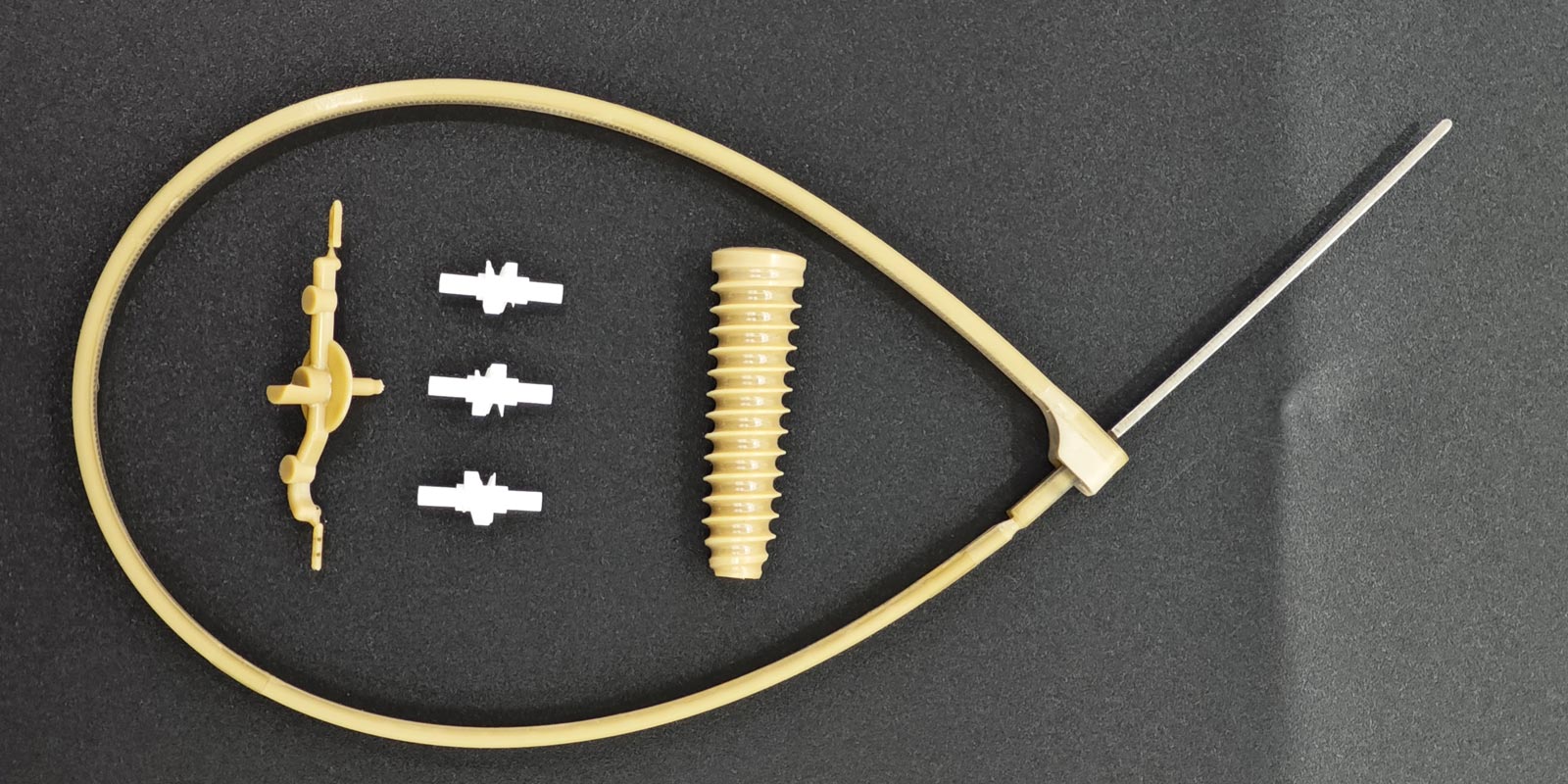
The feeding stage uses medical-grade plastic pellets, not ordinary raw materials. Common materials include polypropylene (PP) for lightweight chemical resistance, polycarbonate (PC) for transparent durability, polyether ether ketone (PEEK) for high-strength heat resistance, and thermoplastic elastomers (TPE) for rubber-like flexibility. Material selection itself is a technical gate — the material must pass biocompatibility testing and withstand subsequent sterilization.
The injection stage is the decisive battle for precision. Molten plastic is injected into the cavity under high pressure, perfectly matching the part shape. Insufficient pressure causes sink marks; excessive temperature leads to increased shrinkage and dimensional deviation. Medical-grade injection molding typically uses high-speed, high-pressure filling, raising material temperature as high as the material allows, and keeping mold temperature as high as possible to ensure complete filling and a smooth surface.
Cooling and ejection seem simple but actually test mold design skill. Micro medical device surfaces often cannot accommodate ejector mechanisms, requiring auxiliary ejection or side-gate carrier structures. The venting system must be designed with smooth pathways, or tiny features on the product will burn or remain unfilled.
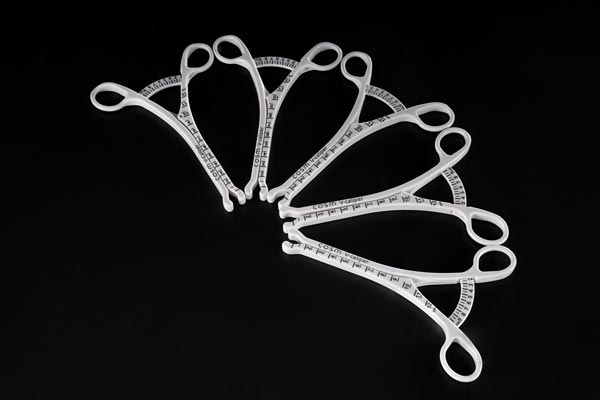
Mold quality directly determines product fate. Medical device molds demand extremely high machining precision — positioning errors from CNC machines and tool wear can all cause cavity dimension deviations. For example, if the wall thickness tolerance of a pacemaker housing exceeds the allowable range, it directly affects device performance and safety.
Current mold technology is undergoing profound transformation. Micro injection molds require thermal insulation to maintain mold temperature stability. Metal 3D printing conformal cooling channel technology has been introduced, greatly improving cooling efficiency and product quality. Blue-light 3D scanning enables quality assurance from mold inspection to full-dimension product verification. Mirror-finish CNC and EDM machining can achieve "sterile-grade" mold surface smoothness, eliminating bacterial harborage.
Mold materials are equally critical. Premium tool steel and stainless steel suit cutting molds, 7075 aluminum suits injection molds, and new materials like polyimide and carbon fiber are being used for high-precision medical catheter molds, combining high strength with lightweight advantages.
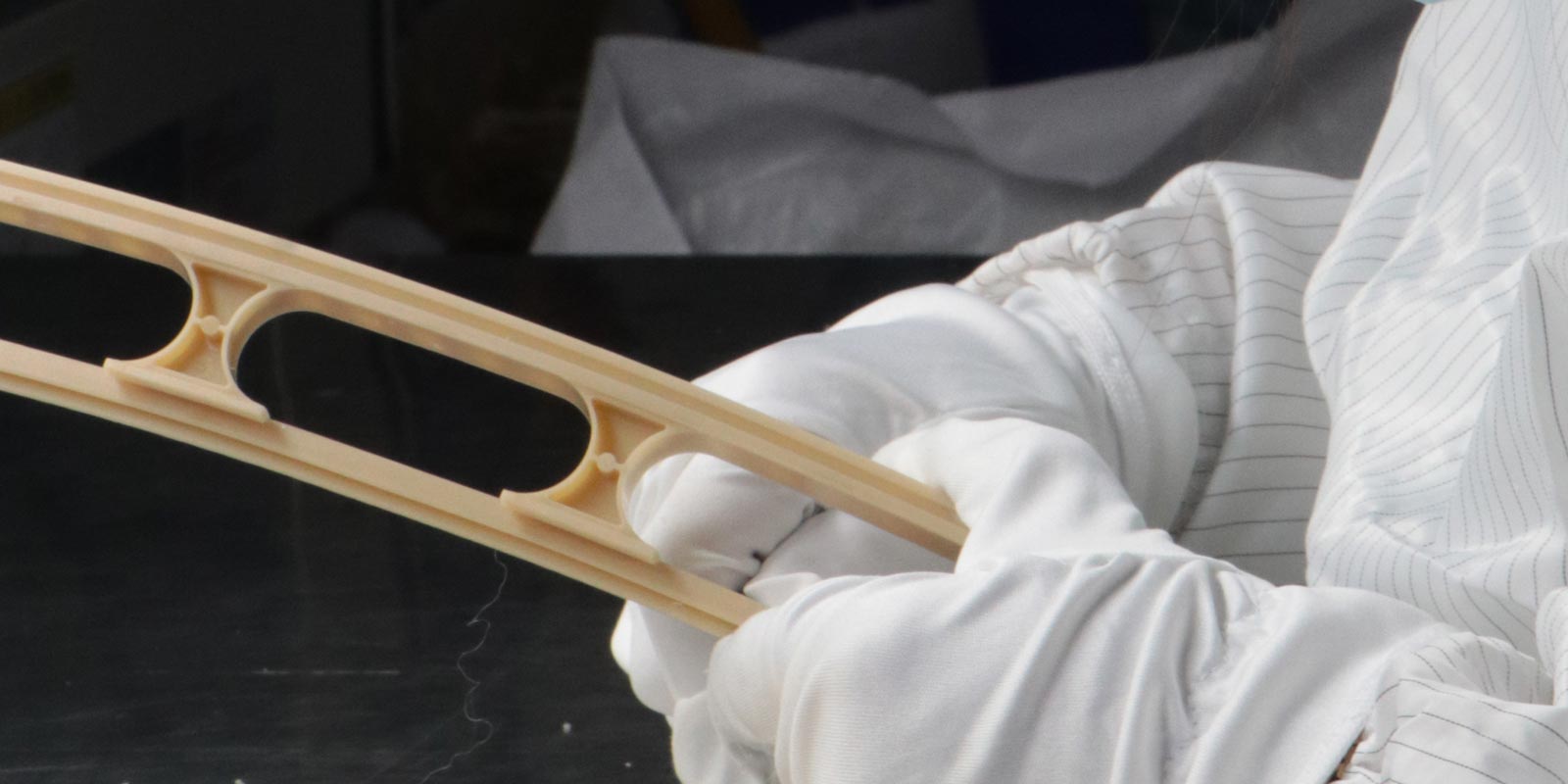
Insert molding is the ace process in surgical instrument manufacturing. Metal inserts are pre-placed into the cavity, molten material wraps around them and solidifies, integrating metal tips with plastic handles in one step — ensuring high strength at the cutting end while enabling ergonomic design at the grip end. Scalpels, forceps, hemostats, and other precision tools widely adopt this process.
Two-shot molding solves the "one hard, one soft" integration need. A rigid substrate is injected first, then covered with a soft plastic layer, giving the instrument handle both structural strength and comfortable grip.
Micro injection molding tackles sub-millimeter or even milligram-level precision parts. Hearing aid components, microfluidic chips, and endoscopic micro-parts all depend on this technology. It requires screw diameters of only 12 to 18 millimeters, equipped with a separate metering plunger for precise injection volume control, and uses open-type nozzles to prevent drooling.
Thin-wall molding compresses wall thickness to under 1 millimeter, used for needle hubs, catheter housings, and similar components — achieving material reduction and lightweight design while maintaining function. Gas-assisted injection molding injects nitrogen into thick-walled parts to create hollow channels, eliminating sink marks, suitable for device housings and surgical handles.
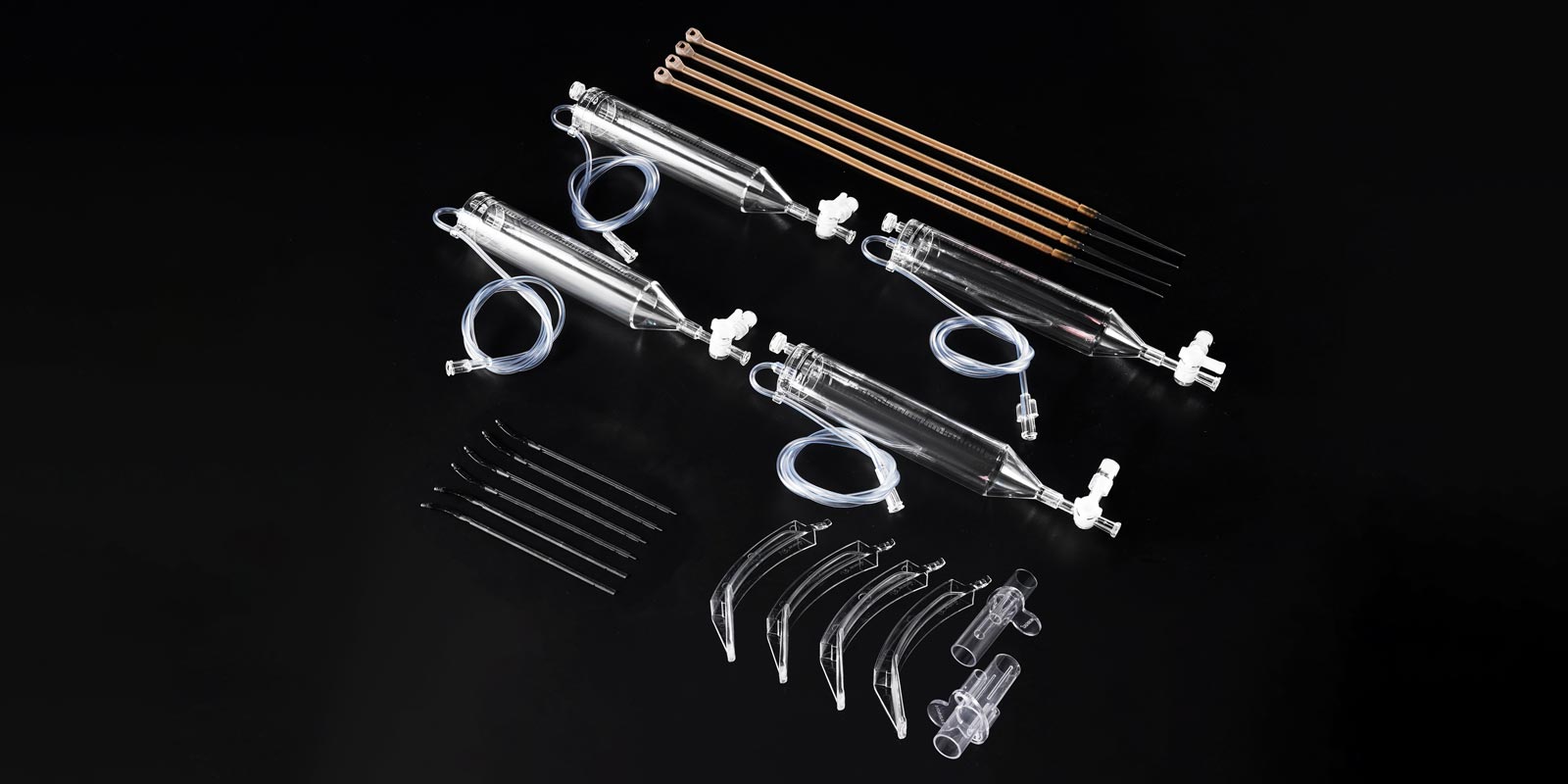
Liquid silicone rubber (LSR) injection molding is designed specifically for human-contact scenarios. Silicone does not react with biological tissue, has excellent chemical resistance, and is the first-choice process for seals, urinary catheters, breathing masks, and similar products.
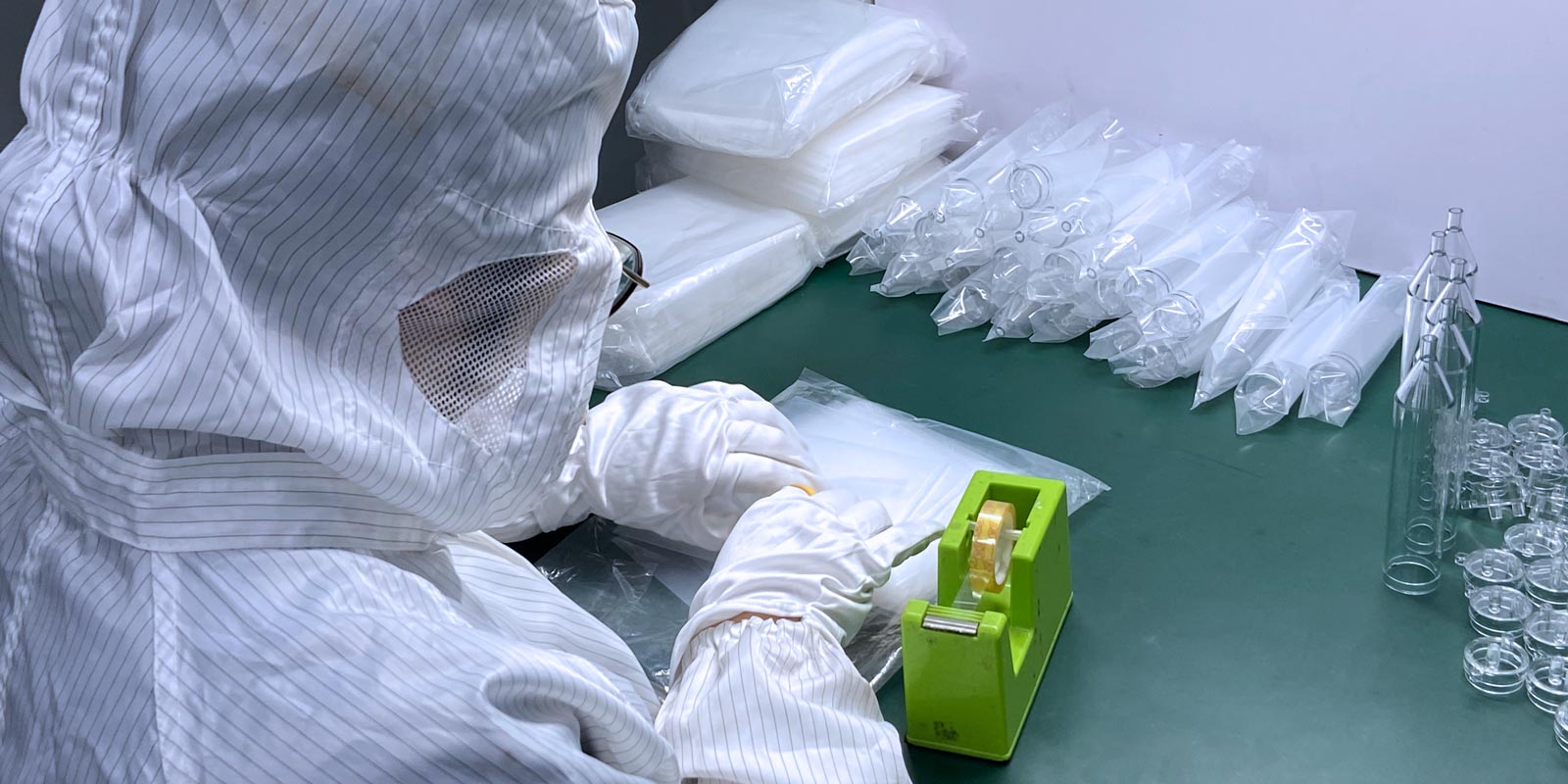
Medical injection molding is not something anyone can do. Entering the U.S. market requires FDA certification. Globally recognized quality system certifications include ISO 13485:2016 and ISO 10993 biocompatibility evaluation. Production must occur in ISO Class 7 to 8 cleanrooms, equipped with HEPA filtration systems and standardized gowning requirements.
The choice of sterilization method also affects material and process decisions. Ethylene oxide suits heat-sensitive materials, gamma radiation has strong penetration and fits most medical items, and steam sterilization requires materials to withstand high temperatures. These constraints must be factored in during the mold design phase.
Medical injection molding is accelerating in three directions. In automation, injection machines can now automatically scan molds and materials and adjust parameters. In-mold hot cutting technology enables unmanned cleanroom production, and mold pressure sensors make every production cycle traceable. In intelligence, sensors and metering devices achieve automatic control of materials and finished products, significantly shortening production flows. In miniaturization, more and more instruments are moving toward in-body miniaturization — precision devices used in ear canals, oral cavities, and blood vessels demand even higher injection molding precision.
According to statistics, global sales of medical device injection-molded parts reached 34.91 billion U.S. dollars in 2023, projected to grow to 48.88 billion dollars by 2030, with a compound annual growth rate of 5.0 percent. The Chinese market is growing especially rapidly, shifting from a follower to a co-runner.
When choosing a medical injection molding supplier, focus on four dimensions: whether they hold medical certifications such as ISO 13485; whether they possess material expertise and can guide sterilization solutions; whether they support flexible transition from prototype to mass production; and whether their processes are transparent and traceable. Prioritize manufacturers that offer integrated "material-process-mold" solutions, which can effectively reduce communication costs and development cycles.
Q: What are the most commonly used materials for medical surgical instrument injection molding?
A: Polypropylene (PP) is used for lightweight, chemically resistant parts. Polycarbonate (PC) is used for transparent, durable parts such as syringes. Polyether ether ketone (PEEK) is used for implants and high-strength surgical tools. Thermoplastic elastomers (TPE) are used for grips and seals. Liquid silicone rubber (LSR) is used for soft, human-contact parts. Material selection must pass biocompatibility testing and match the sterilization method.
Q: What is the biggest technical challenge in producing medical devices via mold opening and injection molding?
A: The core challenge is achieving extreme precision and batch consistency simultaneously. Mold machining precision, material batch shrinkage variation, and injection process parameter fluctuations can all cause dimensional deviations. Especially for micro devices, mold temperature stability, venting system design, and ejector mechanism layout are frequent failure points.
Q: What cleanroom class is required for medical injection molding manufacturers?
A: Medical component production typically takes place in ISO Class 7 to 8 cleanrooms, equipped with HEPA filtration systems, and operators must follow standardized gowning procedures. Cleanroom construction and maintenance involve significant investment, which is also a major reason why medical injection molding costs more than ordinary injection molding.
Add: 62 Jinghai East Road, Chang'an Town, Dongguan City, Guangdong Province
Whatsapp: +86 13342659272
Email: Yuliya.chen@yizemould.com

Add: 62 Jinghai East Road, Chang'an Town, Dongguan City, Guangdong Province
Whatsapp: +86 13342659272
Email: Yuliya.chen@yizemould.com
 Home
Home