

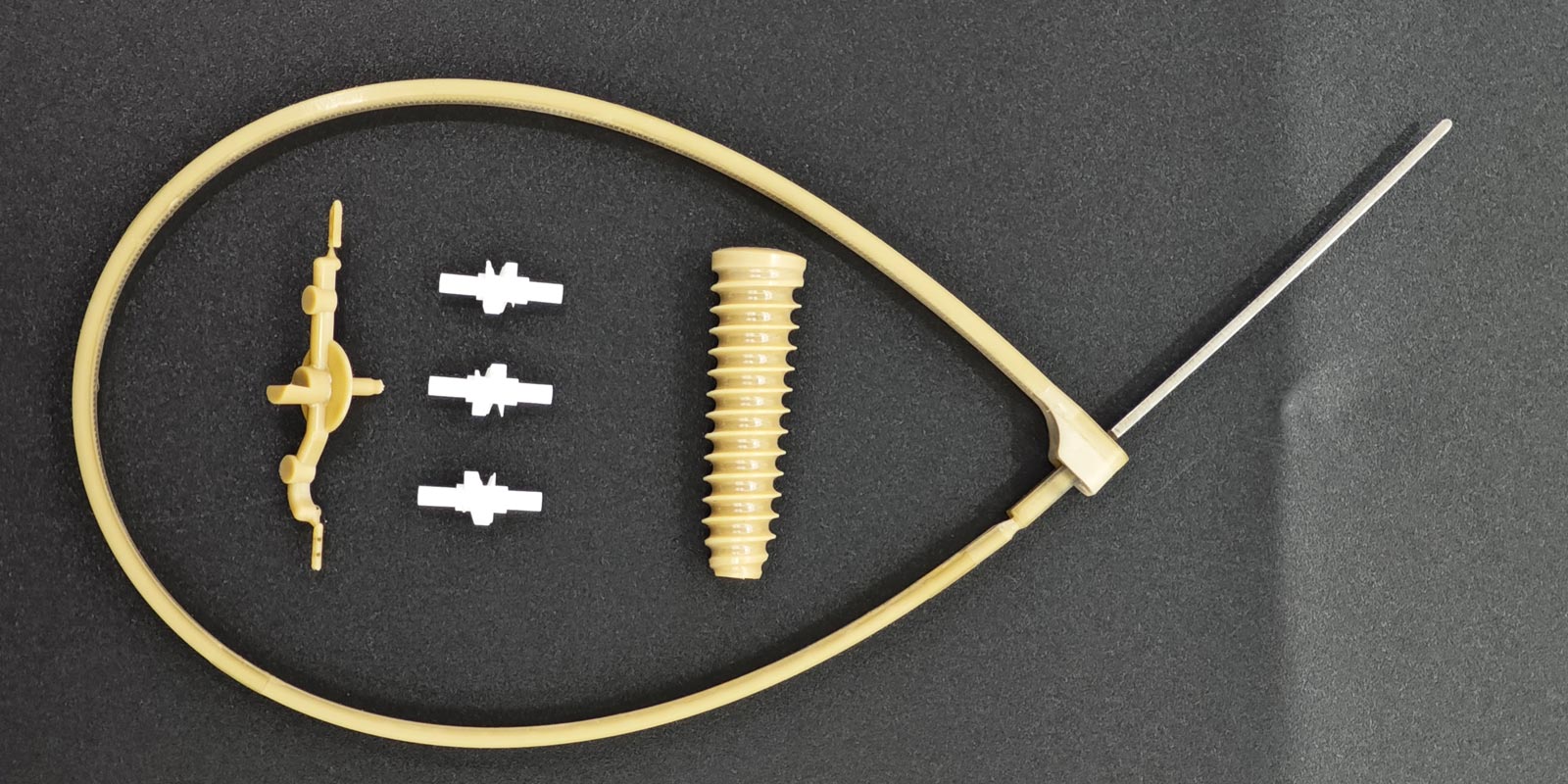
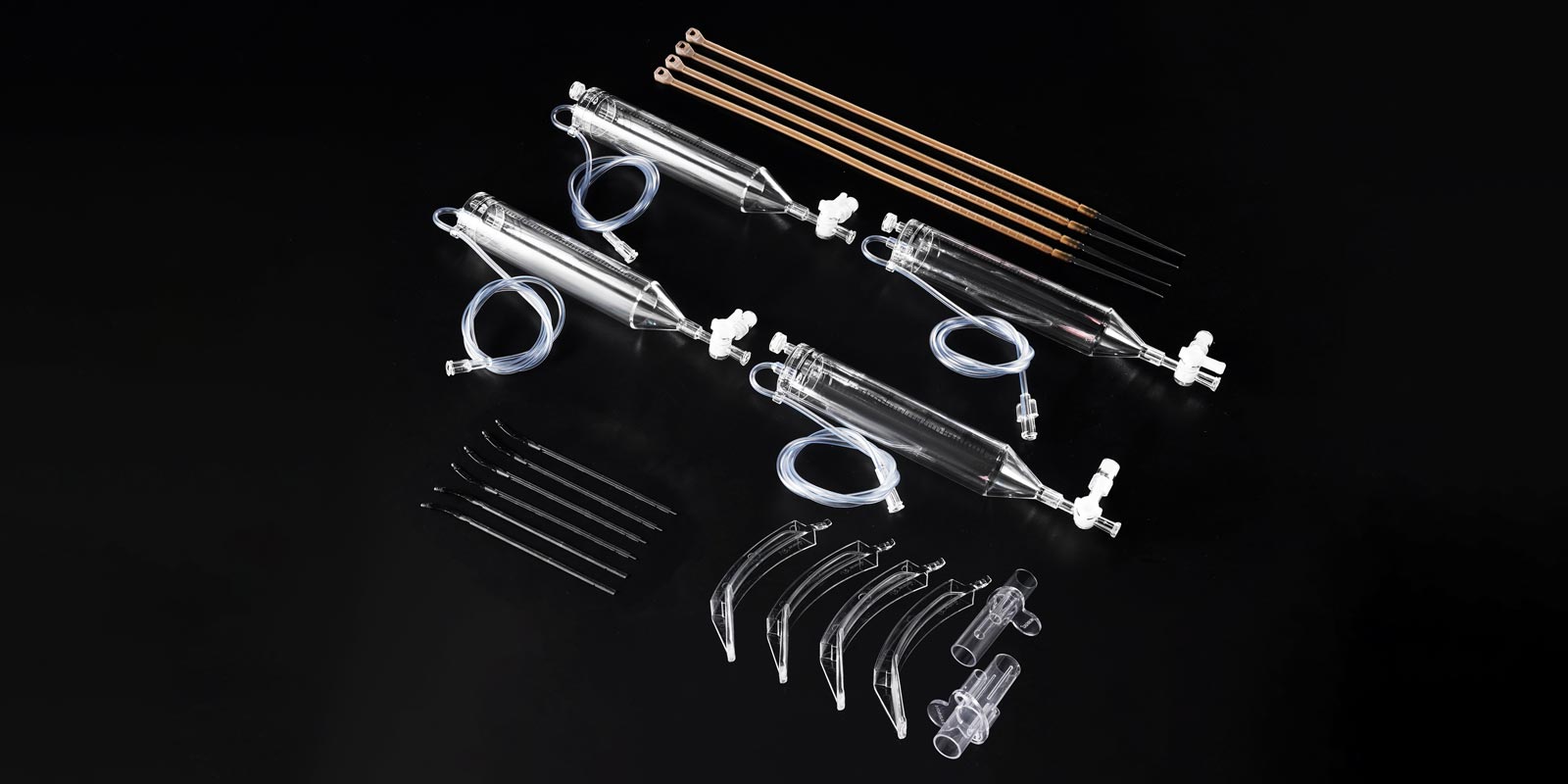
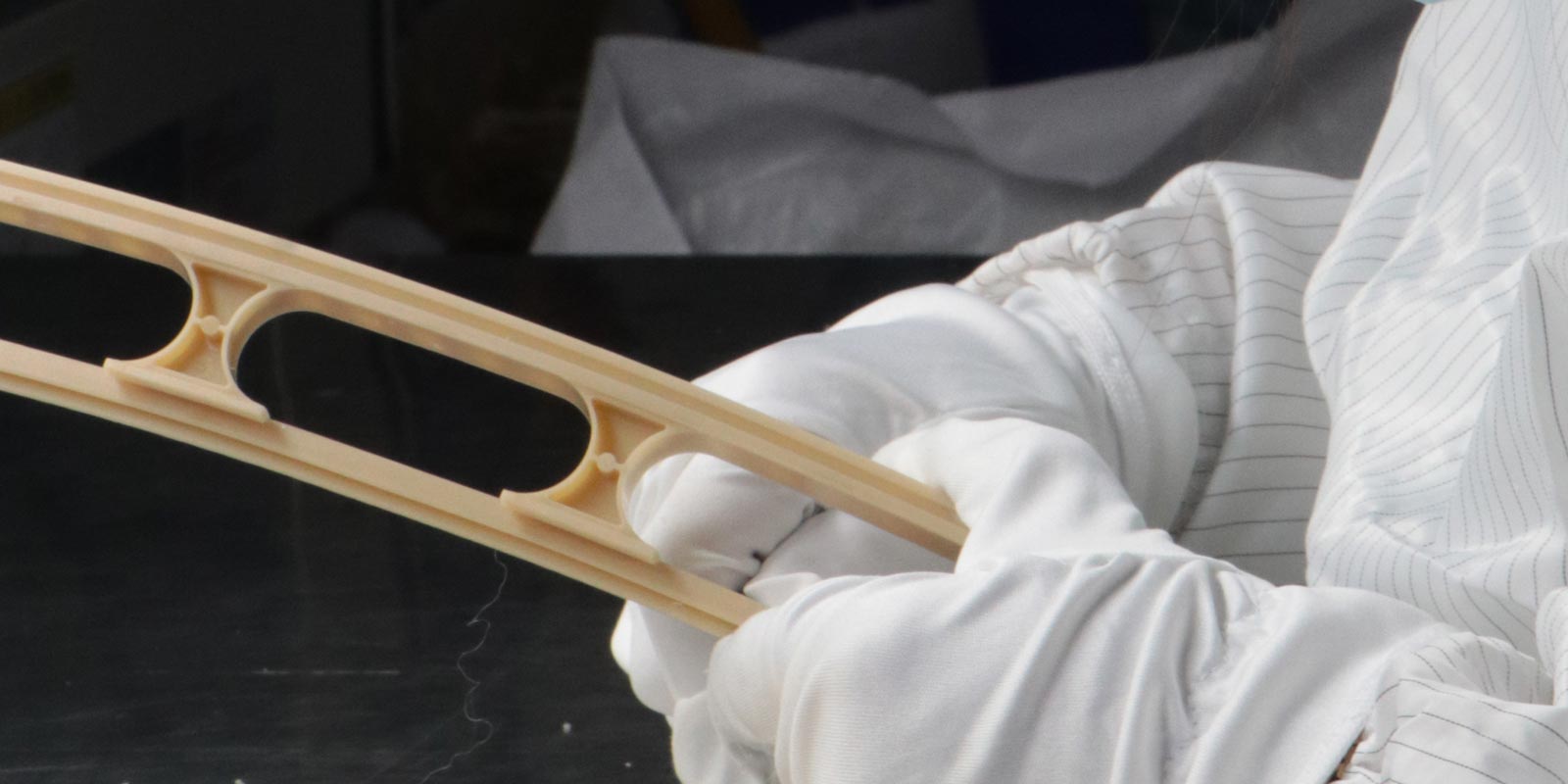
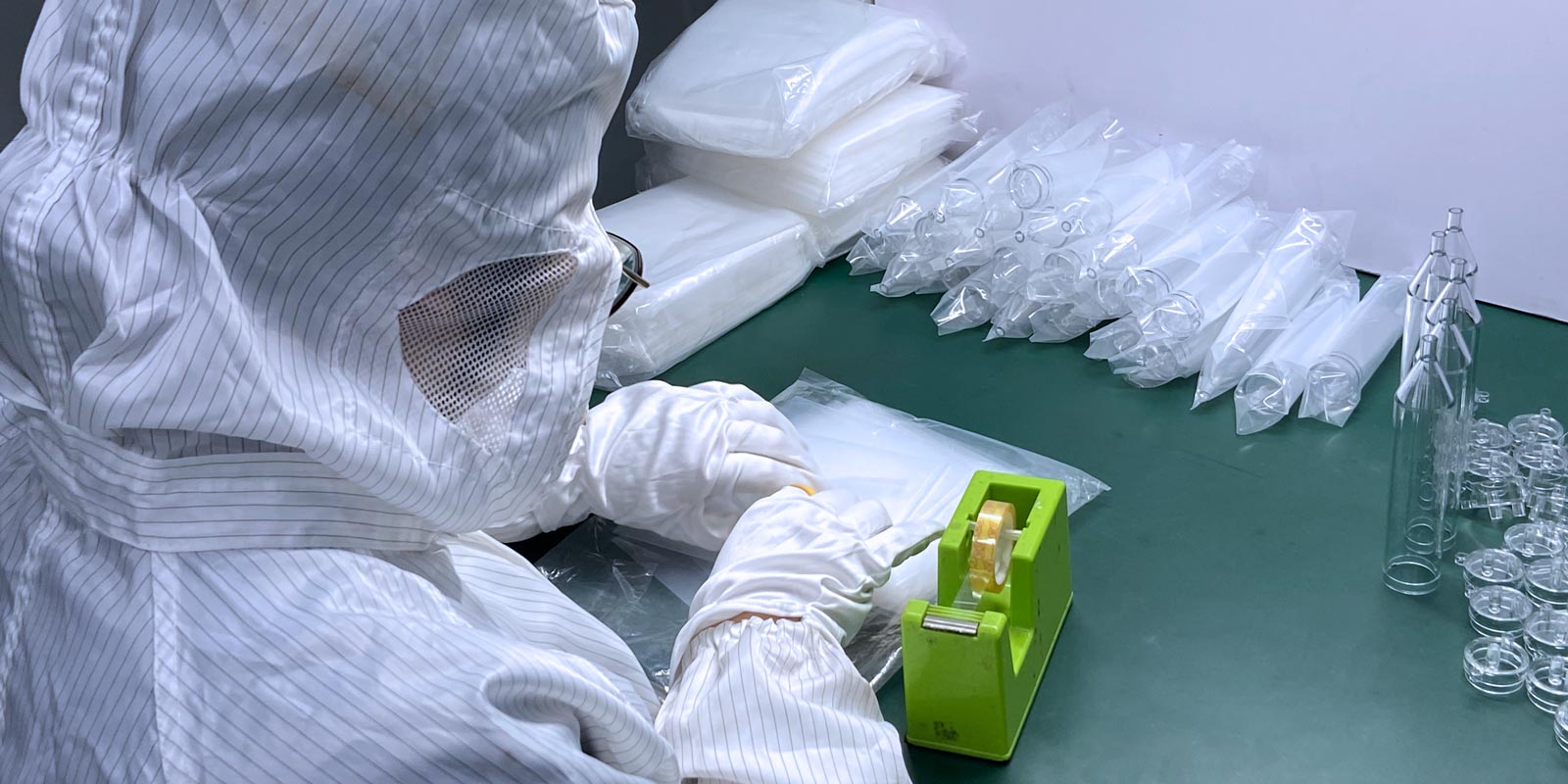



In medical device injection molding production, surface scratches on products are a frustrating quality issue. Scratches not only affect product appearance but can also lead to stress concentration, bacterial growth, and even compromise sealing and functionality. Many production engineers hesitate between attributing the cause to "mold problems" or "demolding method problems" when troubleshooting. This article provides an in-depth analysis from both dimensions to help you quickly identify the root cause.
The mold is the first checkpoint for surface quality of injection molded products. Most surface scratches can be traced back to the mold itself.
1. Insufficient Cavity Surface Finish
If the polishing grade of the mold cavity does not meet the requirements for medical products, for example, if the roughness Ra value exceeds 0.2 micrometers, the product surface will easily be "scraped" by the microscopic irregularities of the mold surface during demolding. This is especially obvious on transparent and high-gloss parts.
2. Poor Parting Line Closure
If the parting surface has flash, gaps, or misalignment, the edges will squeeze and scrape the product surface during mold closing. This type of scratch usually distributes along the parting line direction with obvious regularity.
3. Unreasonable Gate and Runner Design
If the gate location directly faces the product's appearance surface, the high shear force of the melt flowing through the gate area will leave flow marks on the surface. Excessively long runners or improperly designed cross-sections can also cause the melt to carry impurities that scratch the cavity surface during flow.
4. Improper Mold Steel Selection or Heat Treatment
Materials commonly used in medical injection molding, such as PC, PMMA, and PPSU, have very high requirements for mold steel wear resistance. If the mold steel hardness is insufficient or the heat treatment process is substandard, the cavity surface will wear after repeated injection cycles, leaving scratches on the products.
5. Poor Mold Venting
Inadequate venting can cause gas marks in the cavity, and when gas is expelled under high pressure, it may carry tiny particles that damage both the cavity surface and the product surface.
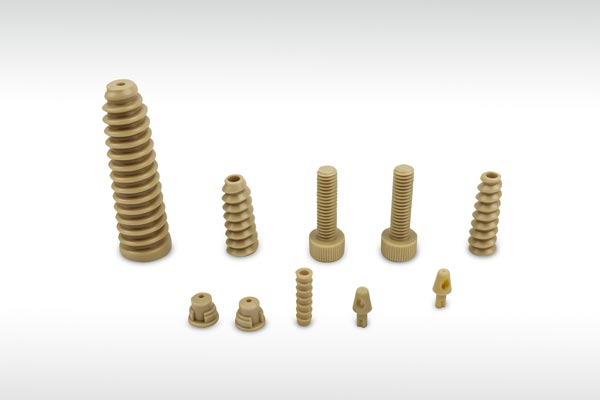
Even if the mold itself is fine, improper demolding methods can still leave scratches on the product surface.
1. Insufficient Draft Angle
Medical products often have complex structures, and some areas may have insufficient draft angle design. When the product demolds, excessive frictional resistance between the product and the mold cavity will "drag" scratches onto the surface. This type of scratch usually appears on the inner walls or deep cavity structures of the product.
2. Improper Use of Release Agent
Excessive release agent application forms an uneven film on the product surface. During demolding, the film being pulled creates stringing and scratches. Uneven release agent application causes inconsistent local friction, which also leads to surface damage. In the medical field, special attention must also be paid to whether the release agent residue meets biocompatibility requirements.
3. Unreasonable Ejection Method
If the ejector pin location, quantity, and ejection speed are not properly designed, the product may twist or move eccentrically during the ejection moment, causing abnormal friction against the cavity wall. This is especially true for thin-walled and elongated parts, where uneven ejection easily causes surface scratches.
4. Rough Robotic Pick-and-Place Handling
Many people overlook this point. If the robotic gripper applies excessive clamping force or clamps at an improper position, the gripper jaws will leave obvious pressure marks and scratches on the product surface. For medical transparent and appearance parts, the proportion of scratches caused by this post-process step is not low.
5. Uneven Cooling Leading to Mold Sticking
When the mold cooling system is poorly designed and the product does not cool evenly in certain areas, those areas tend to stick to the mold during demolding. Forced demolding inevitably causes the surface to be pulled and scratched.
Here is a practical troubleshooting approach:
Step one, observe the scratch distribution pattern. If scratches are concentrated near the parting line, gate area, or specific structural transitions, it is most likely a mold problem. If scratches are distributed around the ejector pin locations, the rear side in the demolding direction, or the clamping area, it is more likely a demolding method problem.
Step two, perform a mold swap test. Use the same process parameters to trial run on another mold of the same model. If the scratches disappear, it can basically be confirmed as the original mold's problem.
Step three, adjust demolding parameters for testing. Without changing the mold, adjust the release agent amount, ejection speed, and ejection method, and observe whether the scratches improve. If there is obvious improvement, the demolding method is the main cause.
Step four, inspect the mold cavity surface. Use a magnifying glass or microscope to check whether the cavity surface has wear, pulling damage, or polishing marks. If the cavity itself is already damaged, the scratches must come from the mold.
In actual production, mold problems and demolding problems often coexist and compound each other. The most effective solution is systematic optimization:
Upgrade mold polishing grade to below Ra 0.1 micrometers, select wear-resistant mold steel and perform proper nitriding treatment; optimize gate design to avoid gates facing appearance surfaces; design reasonable draft angles to ensure all areas have a draft angle of no less than 1 degree; select medical-grade release agents and precisely control the amount; optimize the ejection system to ensure smooth and uniform ejection; standardize robotic pick-and-place parameters, and add soft rubber grippers where necessary; improve cooling channel design to ensure uniform product cooling.
Only by optimizing both mold precision and demolding processes simultaneously can surface scratch issues on medical injection molded products be fundamentally eliminated.
Q: Do surface scratches on medical injection molded products affect the biocompatibility of the product?
A: Yes. Scratches easily become breeding grounds for bacterial attachment and growth. For medical devices that contact the human body or implantable devices, this may increase the risk of infection, so strict control is required.
Q: Scratches on transparent medical injection molded parts are the hardest to deal with. Where should I check first?
A: Prioritize checking the mold cavity polishing quality and gate location. Transparent parts are extremely sensitive to any surface defect, and mold factors usually account for a higher proportion.
Q: Can release agent residue itself be a quality defect?
A: Yes. Medical-grade products have strict limits on release agent residue. Residues may affect the chemical properties and biocompatibility of the product, so residue levels must be controlled while eliminating scratches.
Q: What is the difference between ejector pin marks and scratches?
A: Ejector pin marks are usually circular or oval indentations located at fixed ejector pin contact points. Scratches, on the other hand, are linear surface damage with a consistent direction, mostly caused by friction. The causes and solutions for the two are different.
PREV:Why Do Medical Injection-Molded Parts Keep Failing? A Comprehensive Guide
NEXT:Flash on Medical Injection Molded Products: Is It Mold Clearance or Clamping Force?
Add: 62 Jinghai East Road, Chang'an Town, Dongguan City, Guangdong Province
Whatsapp: +86 13342659272
Email: Yuliya.chen@yizemould.com

Add: 62 Jinghai East Road, Chang'an Town, Dongguan City, Guangdong Province
Whatsapp: +86 13342659272
Email: Yuliya.chen@yizemould.com
 Home
Home