

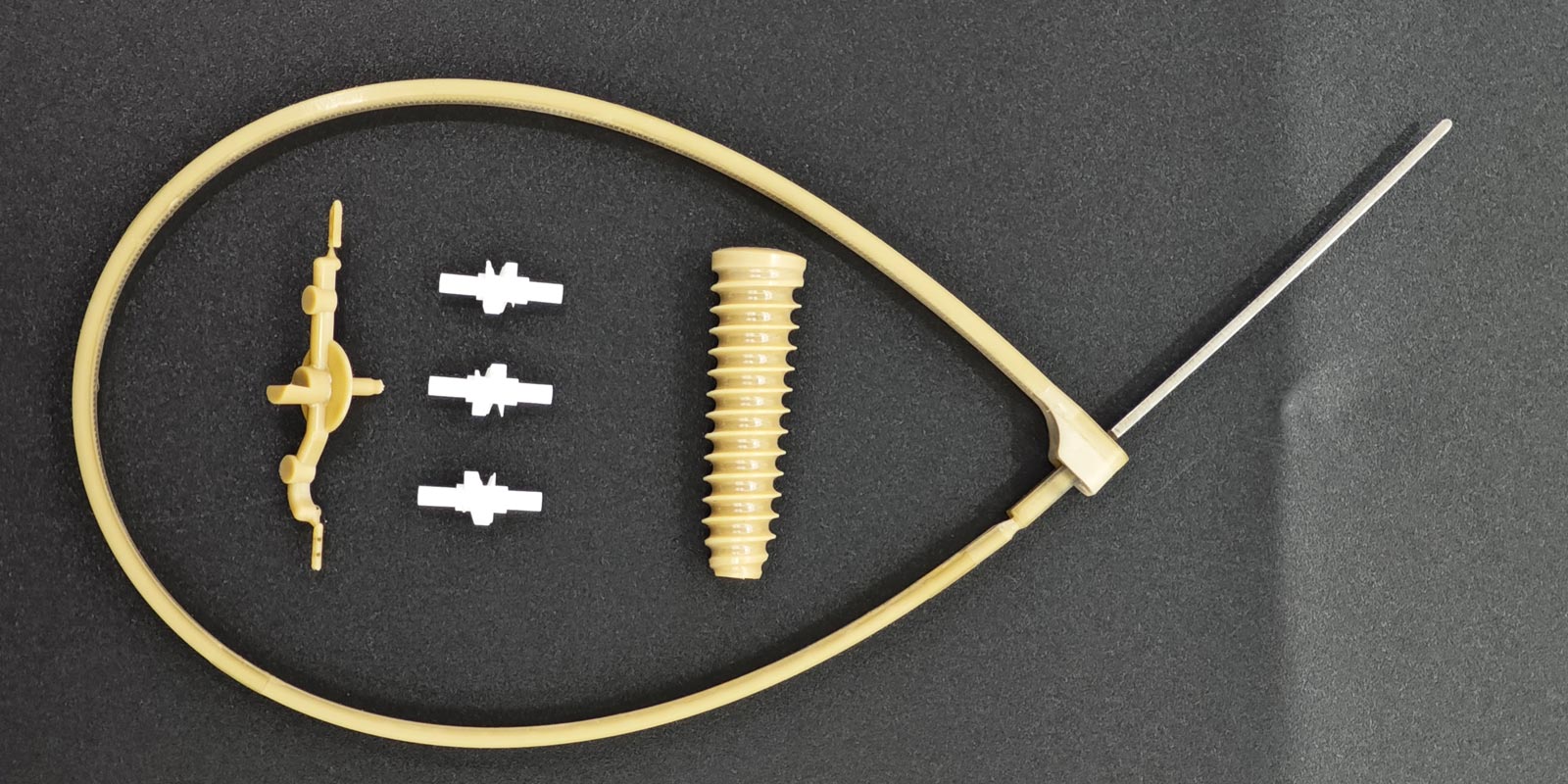
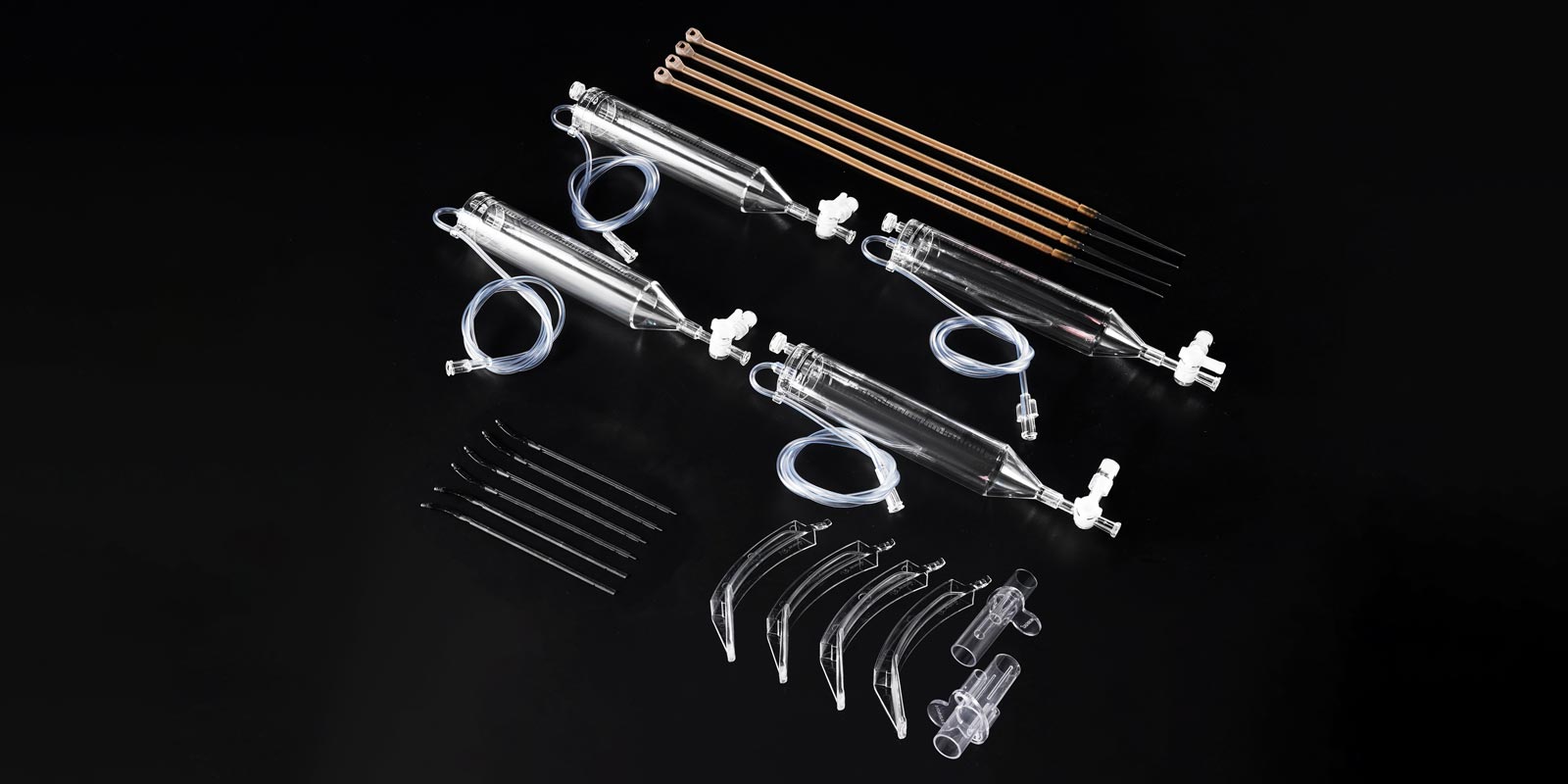
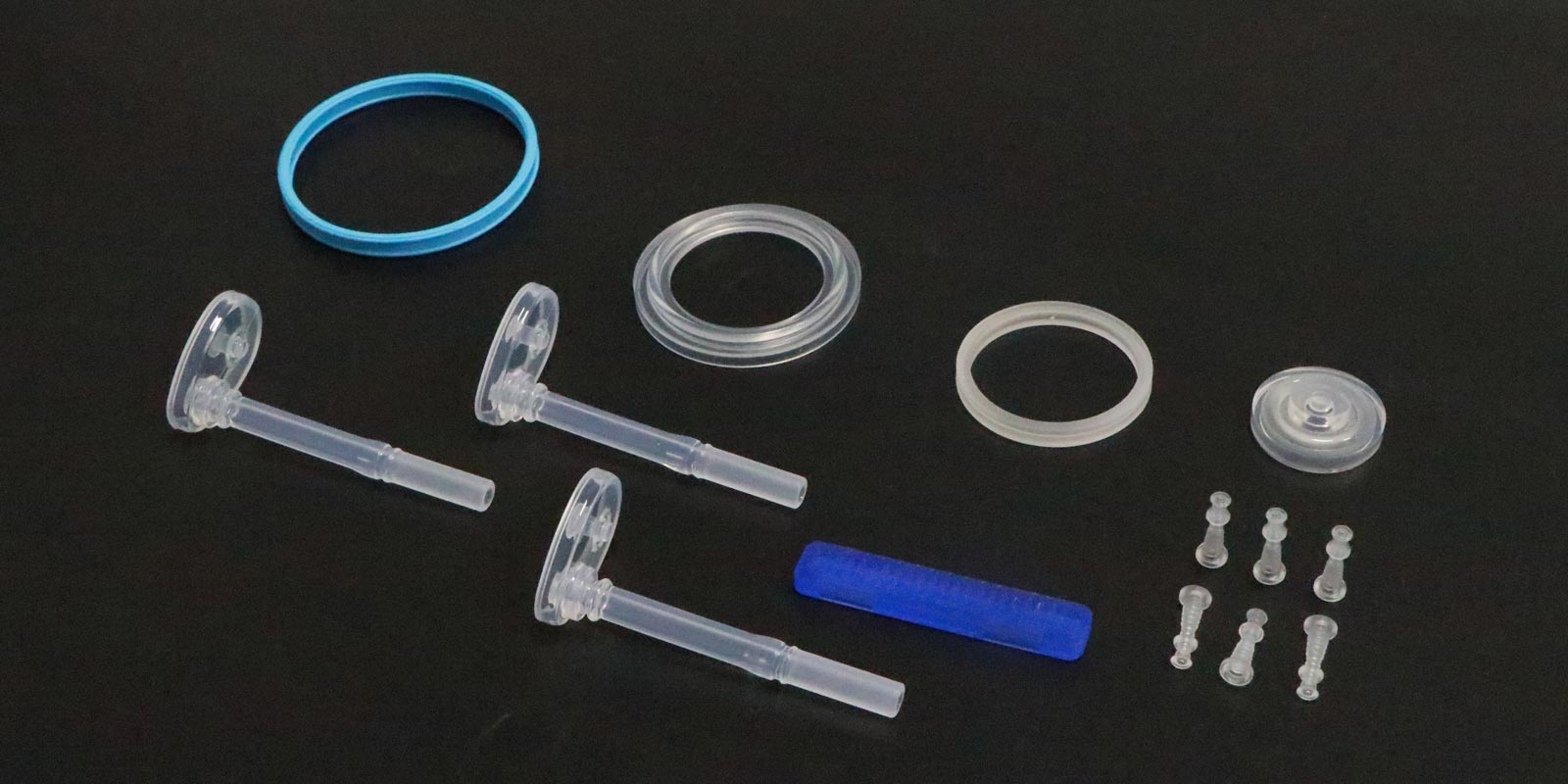
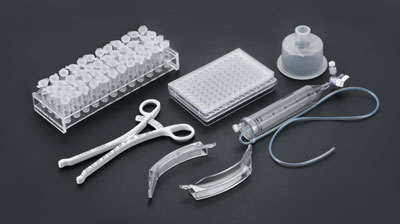



In medical device injection molding production, sink marks are one of the most common and challenging quality defects. Medical products have extremely high requirements for dimensional accuracy, surface quality, and structural integrity. Sink marks not only affect appearance but can also lead to uneven wall thickness, seal failure, and even endanger patient safety. This article systematically explains how to effectively address sink mark issues in medical injection molded products, from cause analysis to solutions.
An injection molding sink mark refers to depressions, voids, or sink marks on the surface or interior of a product caused by volume shrinkage when the plastic melt cools and solidifies in the mold cavity. In the medical injection molding field, common manifestations include:
| Factor | Influence Mechanism |
|---|---|
| Insufficient holding pressure | Melt cannot be adequately compensated during cooling shrinkage, forming sink marks |
| Holding time too short | Effective holding pressure is not completed before the gate freezes |
| Barrel temperature too high | Greater melt volume expansion leads to increased cooling shrinkage |
| Mold temperature too high/too low | Uneven temperature causes inconsistent shrinkage |
| Injection speed too slow | Incomplete filling results in insufficient local density |
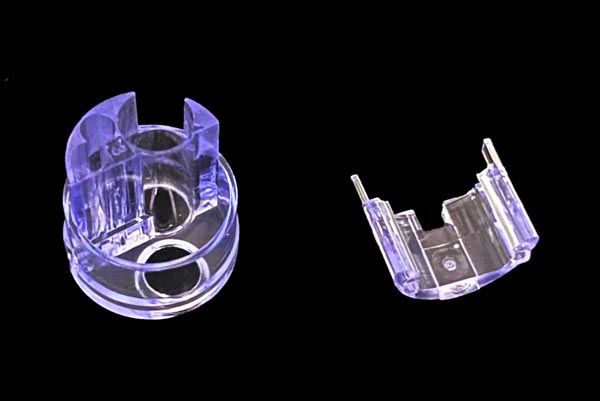
Holding pressure is the first line of defense against sink marks. Follow these steps for adjustment:
| Improvement Direction | Specific Measures | Expected Effect |
|---|---|---|
| Enlarge gate size | Increase gate diameter by 20%-30% | Larger compensation channel, more effective pressure transmission |
| Optimize gate location | Place gate at thick-walled areas or near sink mark locations | Shorten compensation distance, improve compensation efficiency |
| Increase cooling channels | Densify cooling water channels in thick-walled areas to maintain uniform cooling | Reduce differential shrinkage and prevent local sink marks |
| Improve venting | Add venting grooves at the end of thick-walled areas and parting surfaces (depth 0.02-0.05mm) | Eliminate trapped air and prevent voids |
| Adopt hot runner system | Reduce cold material entry and maintain uniform melt temperature | Significantly reduce sink marks and improve product consistency |
During the product design stage (DFM), follow these principles:
Common medical injection molding materials (PC, PP, POM, PA, etc.) are extremely sensitive to moisture:
| Material | Recommended Drying Temperature | Drying Time | Moisture Content Requirement |
|---|---|---|---|
| PC | 120°C | 4-6h | <0.02% |
| PA6/PA66 | 80-90°C | 6-8h | <0.1% |
| POM | 80°C | 3-4h | <0.05% |
| PP | 70-80°C | 2-3h | <0.03% |
Conducting mold flow analysis before mold opening can:
| Sink Mark Appearance | Priority Inspection Direction | Quick Countermeasure |
|---|---|---|
| Localized surface depression | Gate location/holding pressure | Increase holding pressure by 10%, check if gate faces the depression |
| Internal voids in thick-walled areas | Cooling/venting | Add cooling channels in that area, check venting grooves |
| Overall undersized dimensions | Holding time/material shrinkage rate | Extend holding time, confirm material batch shrinkage rate |
| Sink marks with silver streaks | Material moisture/excessive temperature | Check drying effectiveness, reduce barrel temperature by 10°C |
| Sink mark location not fixed | Process fluctuation/uneven regrind | Stabilize process parameters, reduce regrind ratio |
Q1: How to distinguish between sink marks and burn marks in medical injection molded products?
A: Sink marks have a smooth surface with uniform depressions, mostly appearing in thick-walled areas. Burn marks (gas marks) show silver streaks or scorch marks on the surface, mostly appearing at the end of filling. They have different causes—sink marks are mainly due to shrinkage, while burn marks are mainly due to trapped air and excessive shear heating.
Q2: Will increasing holding pressure cause flash?
A: It is possible. It is recommended to first increase holding pressure; if flash occurs, then appropriately reduce clamping force or optimize the mold clamping surface. You can also adopt a "high pressure short time + low pressure long time" staged holding pressure strategy to achieve both compensation and flash prevention.
Q3: If sink marks appear during the trial molding stage, can they still be solved through subsequent process adjustments?
A: If the sink marks during trial molding are structural (e.g., excessive wall thickness, unreasonable gate location), process adjustments alone can only improve 50%-70%. Mold modifications are essential. It is recommended to conduct mold flow analysis during the trial stage to optimize the design in advance, avoiding costly and time-consuming repeated mold modifications later.
Q4: Medical-grade PC material has particularly severe sink marks during injection molding. Any special recommendations?
A: PC has a high shrinkage rate (0.5%-0.7%) and is temperature-sensitive. Recommendations: ① Control barrel temperature at 280-310°C, not too high; ② Mold temperature at 80-120°C; ③ Holding pressure at 70-100MPa; ④ Ensure thorough drying (moisture content <0.02%); ⑤ Consider using PC/ABS alloy, which can reduce the shrinkage rate to 0.4%-0.5%.
PREV:Why Do Medical Injection-Molded Parts Keep Failing? A Comprehensive Guide
NEXT:How to Adjust Holding Time and Pressure for Medical Injection-Molded Products
Add: 62 Jinghai East Road, Chang'an Town, Dongguan City, Guangdong Province
Whatsapp: +86 13342659272
Email: Yuliya.chen@yizemould.com

Add: 62 Jinghai East Road, Chang'an Town, Dongguan City, Guangdong Province
Whatsapp: +86 13342659272
Email: Yuliya.chen@yizemould.com
 Home
Home