



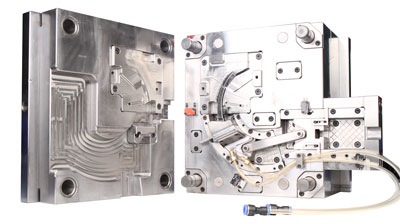
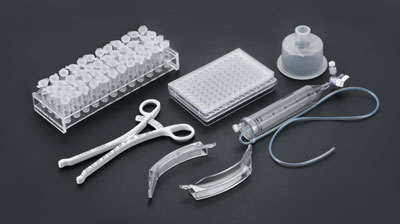



In today's industrial landscape, plastic materials, with their widespread applicability, have become indispensable key elements in numerous industries, with particularly prominent applications in the aerospace and medical device sectors. Industrial plastics occupy a pivotal strategic position in the process of industrial development thanks to their unique and outstanding performance advantages.
In the aerospace field, which places extremely stringent requirements on material performance, the importance of industrial plastics is irreplaceable. Their lightweight, high-strength, and excellent high-temperature resistance characteristics make them ideal materials for manufacturing aircraft and rockets.
In the precise construction of aircraft, industrial plastics are ubiquitous. They are used in the manufacturing of fuselages, engine covers, and various components. By adopting industrial plastics, the overall weight of aircraft can be significantly reduced. This not only directly improves the fuel efficiency of the aircraft and reduces operating costs but also fundamentally enhances the structural strength and durability of the plane, greatly increasing flight safety and reliability and laying a solid foundation for the long-term development of the aerospace industry.
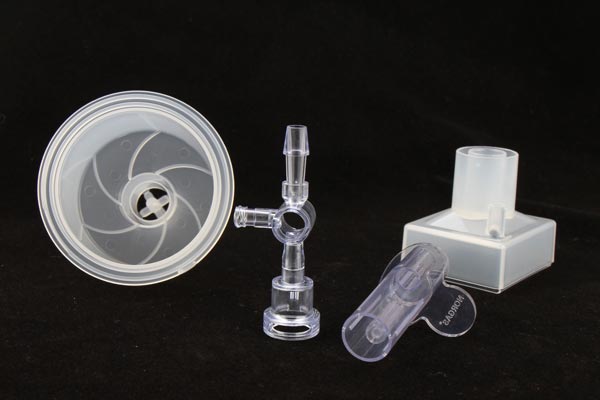
In the special field of medical device manufacturing, which is closely related to human life and health, industrial plastics also demonstrate their undeniable key role. Medical equipment has extremely high standards for the biocompatibility, durability, and hygiene safety of materials, and industrial plastics perfectly meet these stringent requirements with their unique properties.
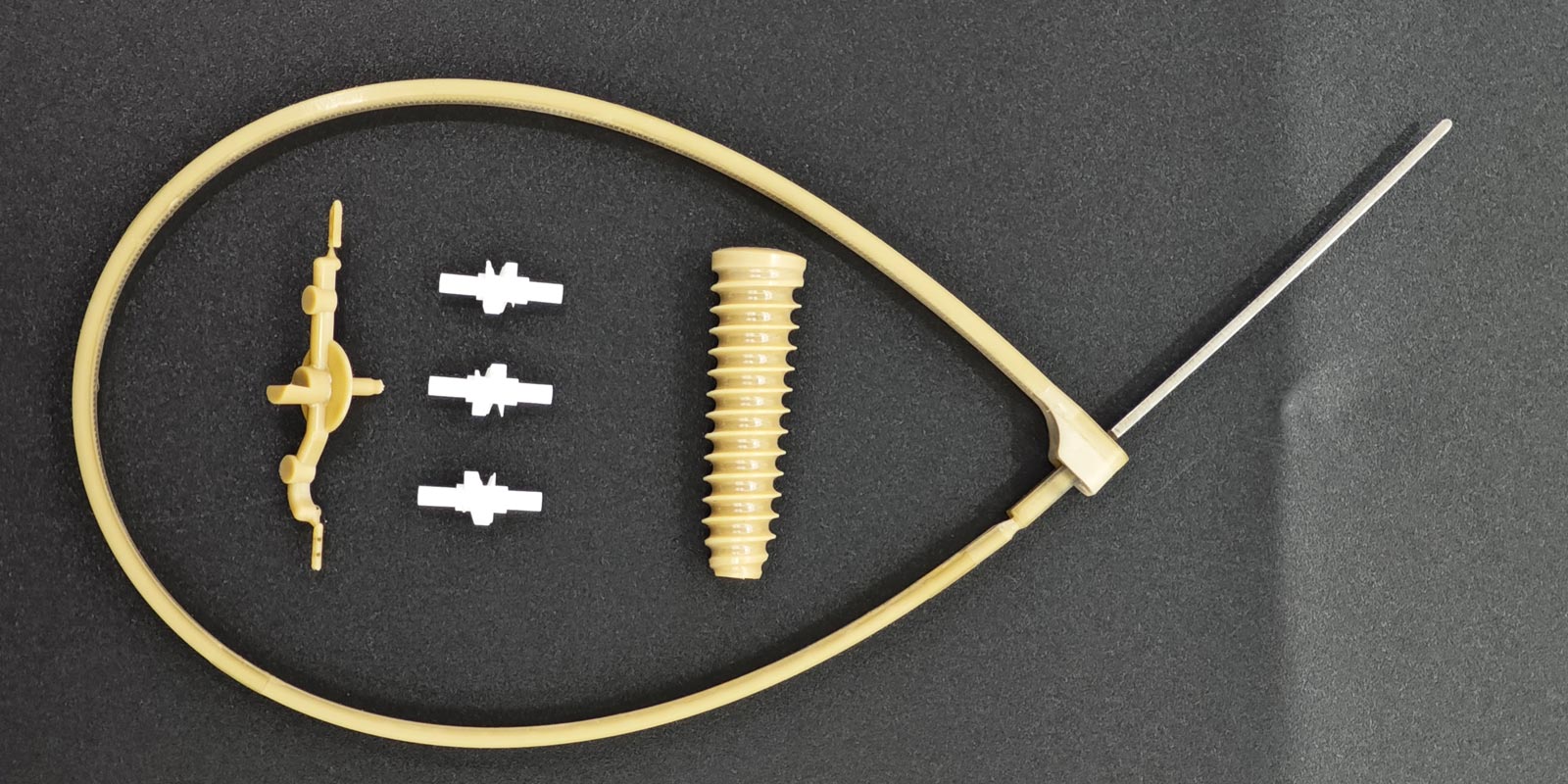
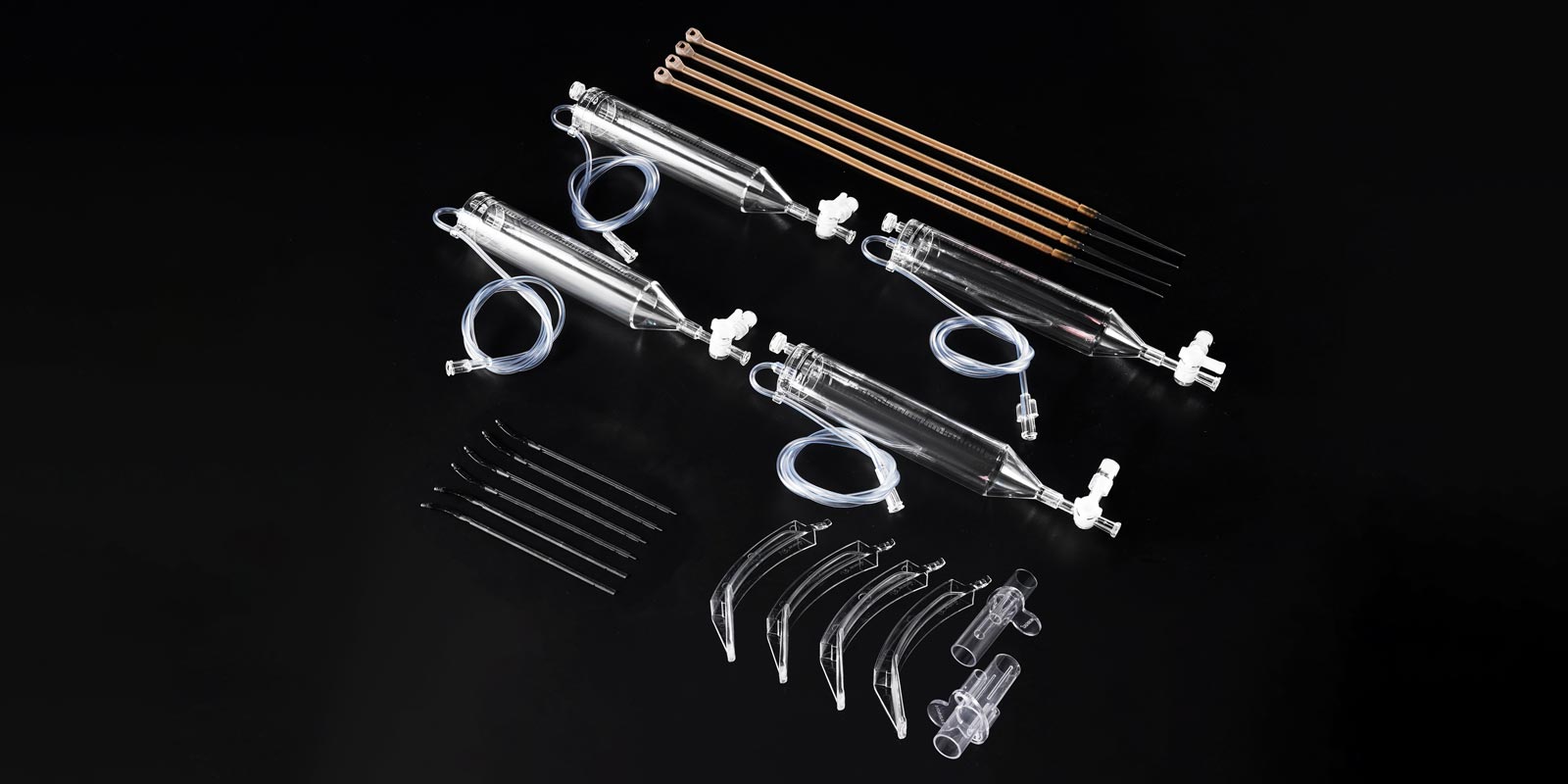
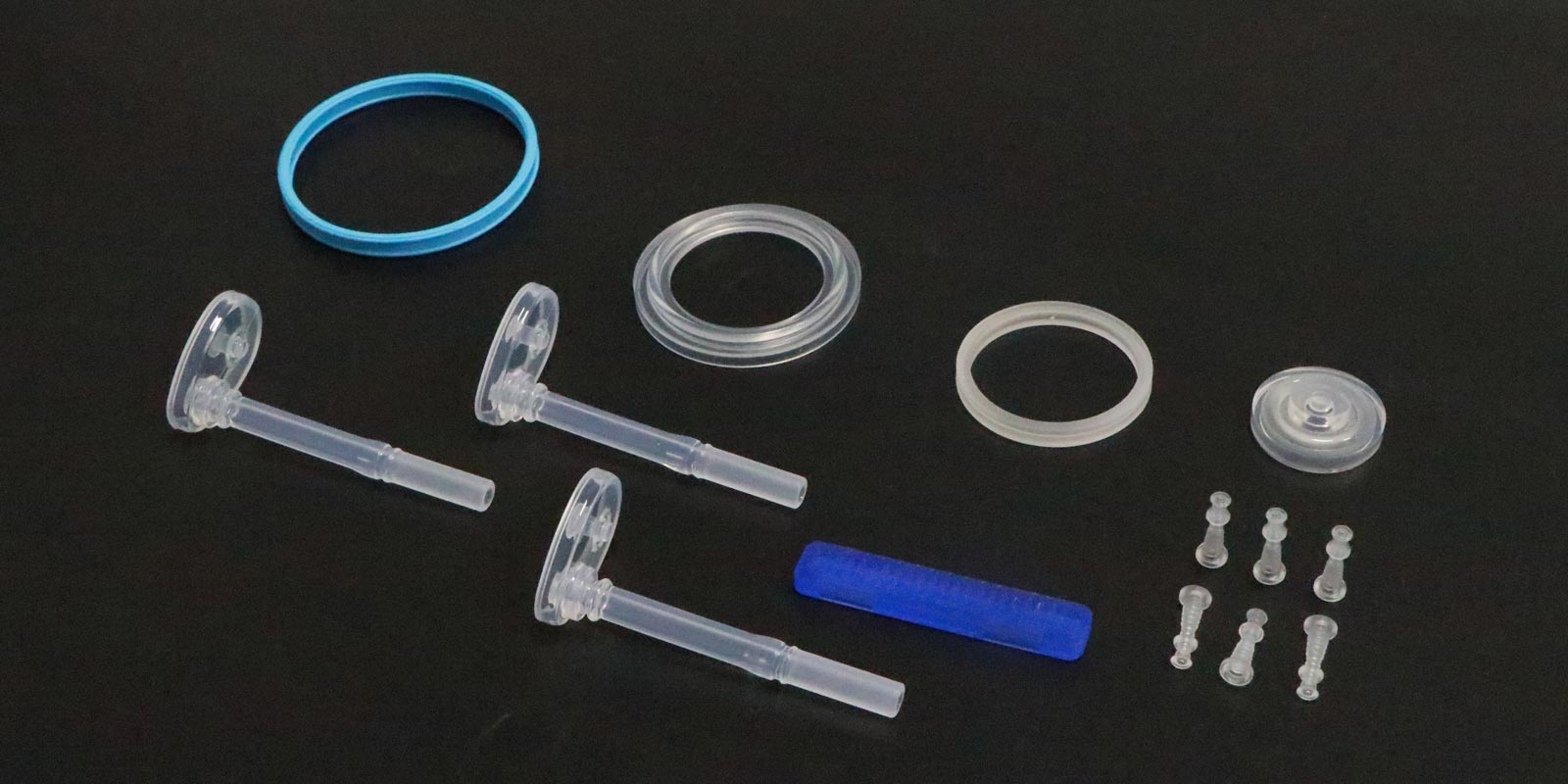
In the manufacturing process of various medical devices, industrial plastics are widely used to produce core components such as catheters, stents, and surgical instruments. These components come into direct contact with the human body, so they have extremely high requirements for biocompatibility. Industrial plastics can effectively avoid adverse reactions to the human body, ensuring the safety and smoothness of the medical process. At the same time, their excellent durability guarantees the stable performance of medical devices during long-term use, reducing the frequency of equipment replacement and lowering medical costs. In addition, the corrosion resistance and easy disinfection characteristics of industrial plastics enable them to meet the strict hygiene standards of medical devices, effectively preventing cross-infection and providing reliable protection for patients' health.
In addition to the two core sectors of aerospace and medical devices, industrial plastics are also widely used in multiple industries such as automobile manufacturing, electronic equipment, and construction, forming a diversified development pattern.
In the automobile manufacturing sector, the application of industrial plastics has greatly improved the overall performance of automobiles. The use of plastic materials in the manufacturing of car bodies, interiors, and various components not only makes automobiles lighter and reduces energy consumption but also enhances riding comfort through optimized design. At the same time, the good toughness of plastic materials increases the impact resistance of automobile components, effectively improving driving safety.
In the electronic equipment industry, industrial plastics have become an important driving force for product innovation and upgrading. The use of plastic materials for key components such as casings, buttons, and circuit boards makes electronic equipment more portable while possessing higher durability and stability. The good insulation properties of plastic materials also provide reliable protection for the safe operation of electronic equipment.
In the construction sector, the application of industrial plastics provides new solutions for improving building quality and performance. The use of plastic materials in the manufacturing of sound insulation materials and waterproof materials effectively improves the acoustic environment and waterproof performance of buildings, enhancing居住 comfort (living comfort, here it keeps the original Chinese pinyin as a direct translation concept, a more natural English way could be "the comfort of living") and safety and injecting new vitality into the development of modern architecture.
In conclusion, the extensive application of industrial plastics in the aerospace, medical device, and many other sectors fully demonstrates their unique performance advantages and huge development potential. With the continuous progress and innovation of science and technology, the research and development and application of industrial plastics will continue to deepen. Their performance will be continuously optimized and improved, and their application areas will also be further expanded and extended. It can be predicted that in the future industrial development, industrial plastics will undoubtedly play an even more important role and make more outstanding contributions to promoting the transformation, upgrading, and sustainable development of various industries.
PREV:Why Do Medical Injection-Molded Parts Keep Failing? A Comprehensive Guide
NEXT:How to Effectively Solve the Demolding Problem Caused by Undercuts in Medical Injection Molding?
Add: 62 Jinghai East Road, Chang'an Town, Dongguan City, Guangdong Province
Whatsapp: +86 13342659272
Email: Yuliya.chen@yizemould.com

Add: 62 Jinghai East Road, Chang'an Town, Dongguan City, Guangdong Province
Whatsapp: +86 13342659272
Email: Yuliya.chen@yizemould.com
 Home
Home