

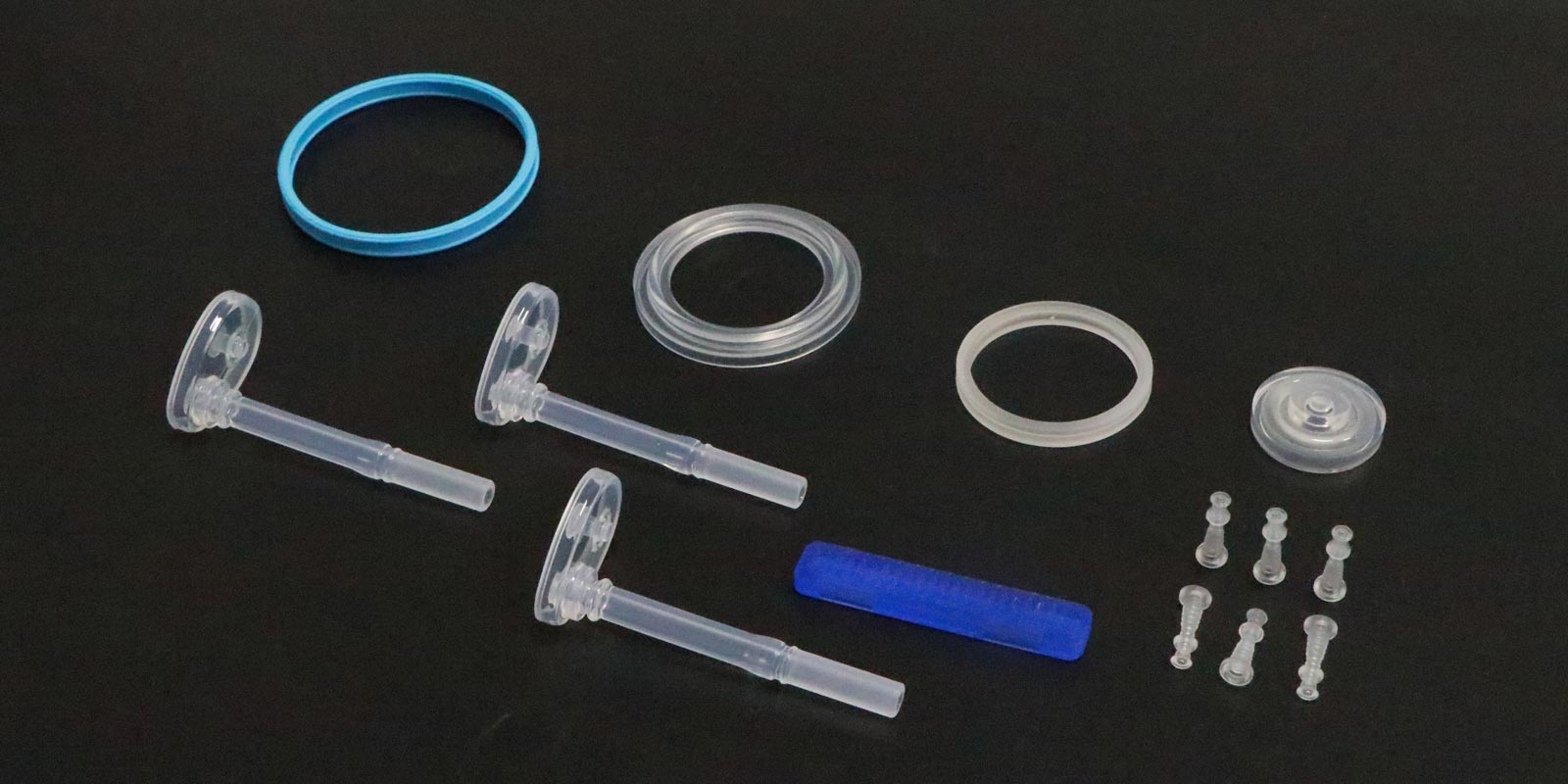
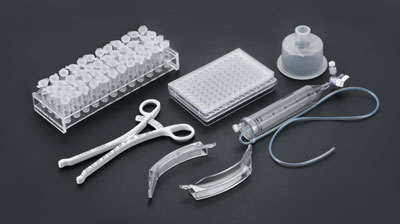



Medical injection-molded parts, as core components in medical devices, medical consumables, and drug delivery systems, have their material selection directly related to the safety, effectiveness, and reliability of products. Compared with ordinary injection-molded parts, medical injection-molded parts need to meet more stringent standards in material selection, covering aspects such as biocompatibility, chemical stability, sterilization adaptability, physical properties, and traceability.
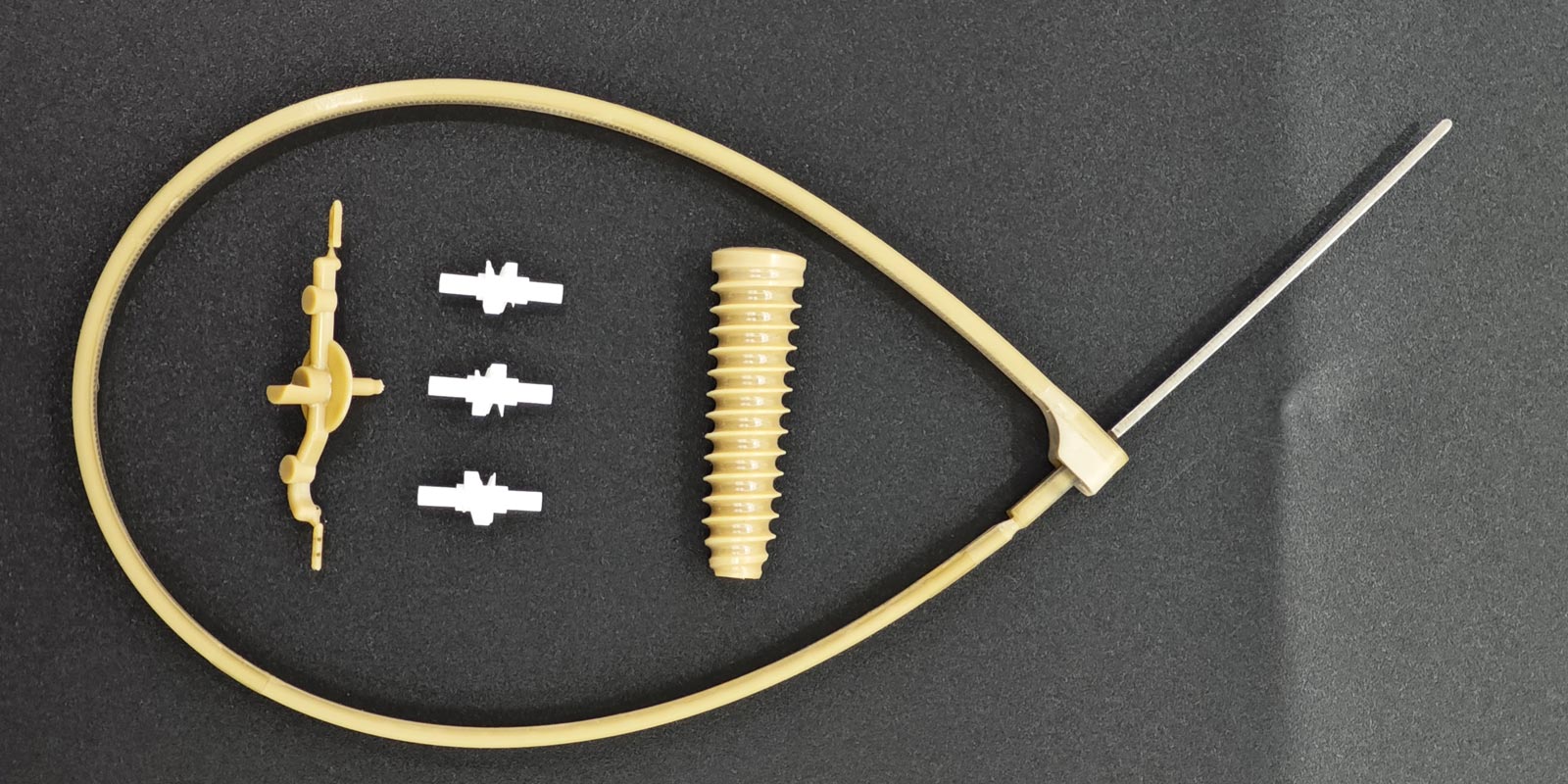
Biocompatibility is the primary requirement for material selection of medical injection-molded parts. It refers to the ability of a material not to cause toxicity, sensitization, irritation, or immune responses when in contact with human tissues or blood in specific application scenarios. According to the ISO 10993 series standards issued by the International Organization for Standardization (ISO), medical materials need to pass a full range of tests, including cell cytotoxicity (MTT assay), sensitization (skin patch test), and pyrogen (limulus amoebocyte lysate test), to ensure their safety for the human body. For example, polyether ether ketone (PEEK) is widely used in orthopedic implants due to its excellent biocompatibility and high strength; polycarbonate (PC), after passing multiple safety verifications, is often used in transparent parts such as dialyzer housings and medical masks.
Biocompatibility also involves the long-term adaptability of materials to the biological environment. For instance, materials implanted in the body need to have anticoagulant properties to avoid hemolysis or thrombosis; materials in contact with blood need to prevent protein denaturation or a decrease in blood cells. In addition, the degradation products of materials must also be non-toxic and harmless to avoid the release of harmful substances during long-term use.
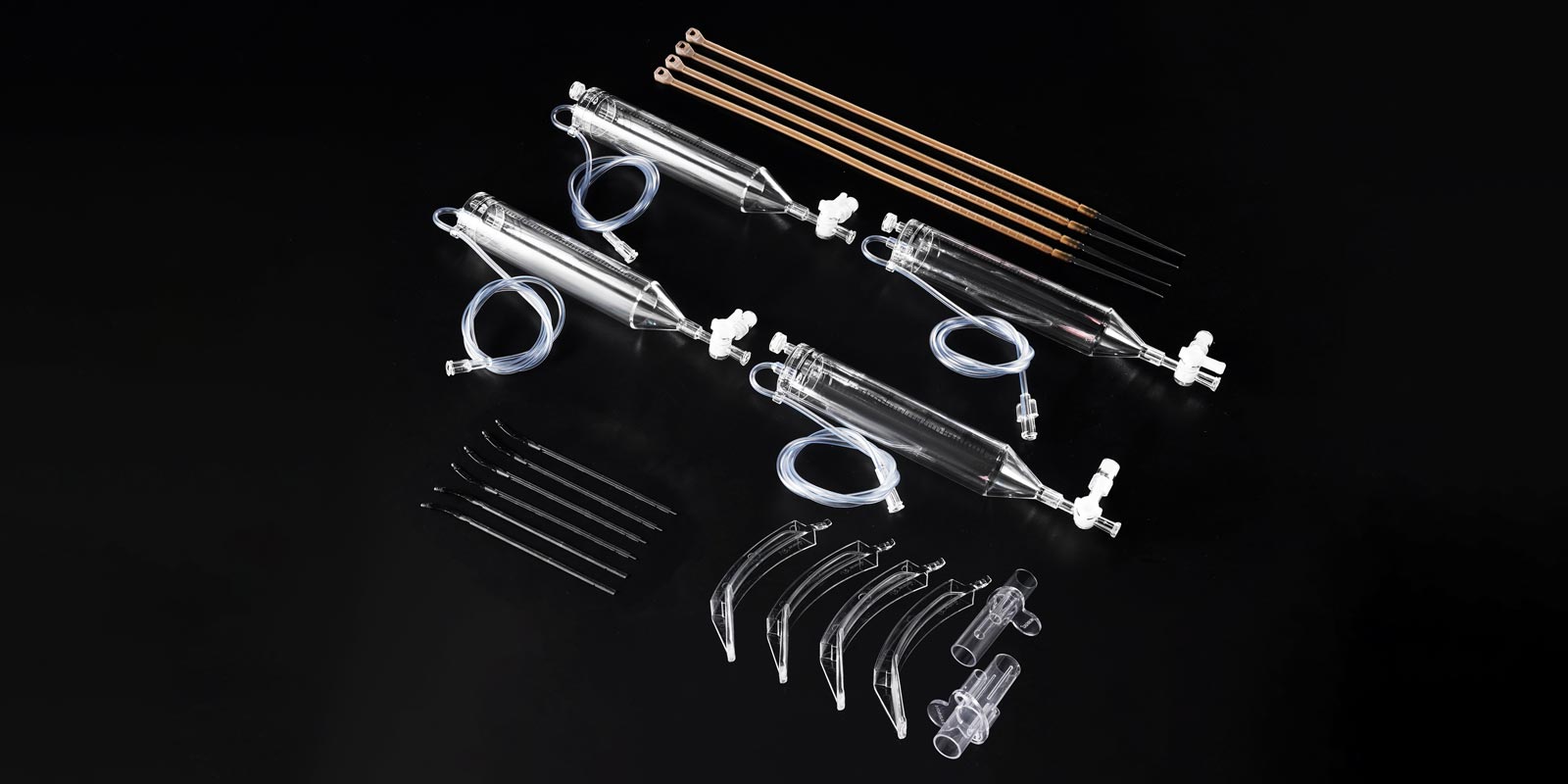
Medical injection-molded parts often need to withstand the erosion of disinfectants, drugs, and body fluids, so materials must have excellent chemical stability. For example, polytetrafluoroethylene (PTFE) is used in vascular catheters and tracheal intubation tubes due to its strong chemical inertness; polypropylene (PP) is resistant to acids and alkalis and is widely used in products such as syringes and infusion bottles. The choice of materials should be determined according to specific application scenarios:
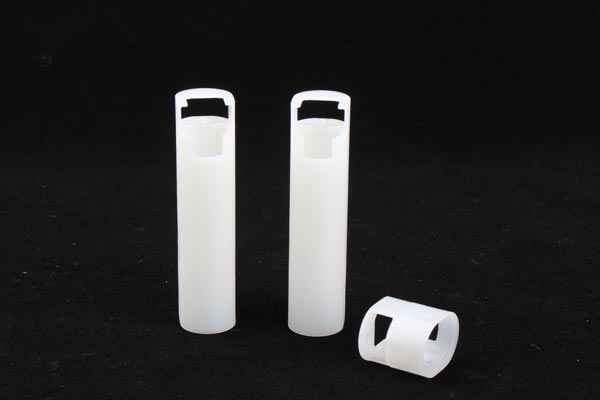
Medical injection-molded parts need to be sterilized to ensure a sterile state, so materials must be compatible with different sterilization methods. For example:
The choice of materials also needs to consider the impact of sterilization on physical properties. For example, some materials may soften and deform at high temperatures, while others may become brittle under irradiation. Therefore, experimental verification of the performance stability of materials after sterilization is required.
The physical properties of medical injection-molded parts need to meet specific functional requirements, including strength, hardness, elasticity, transparency, etc. For example:
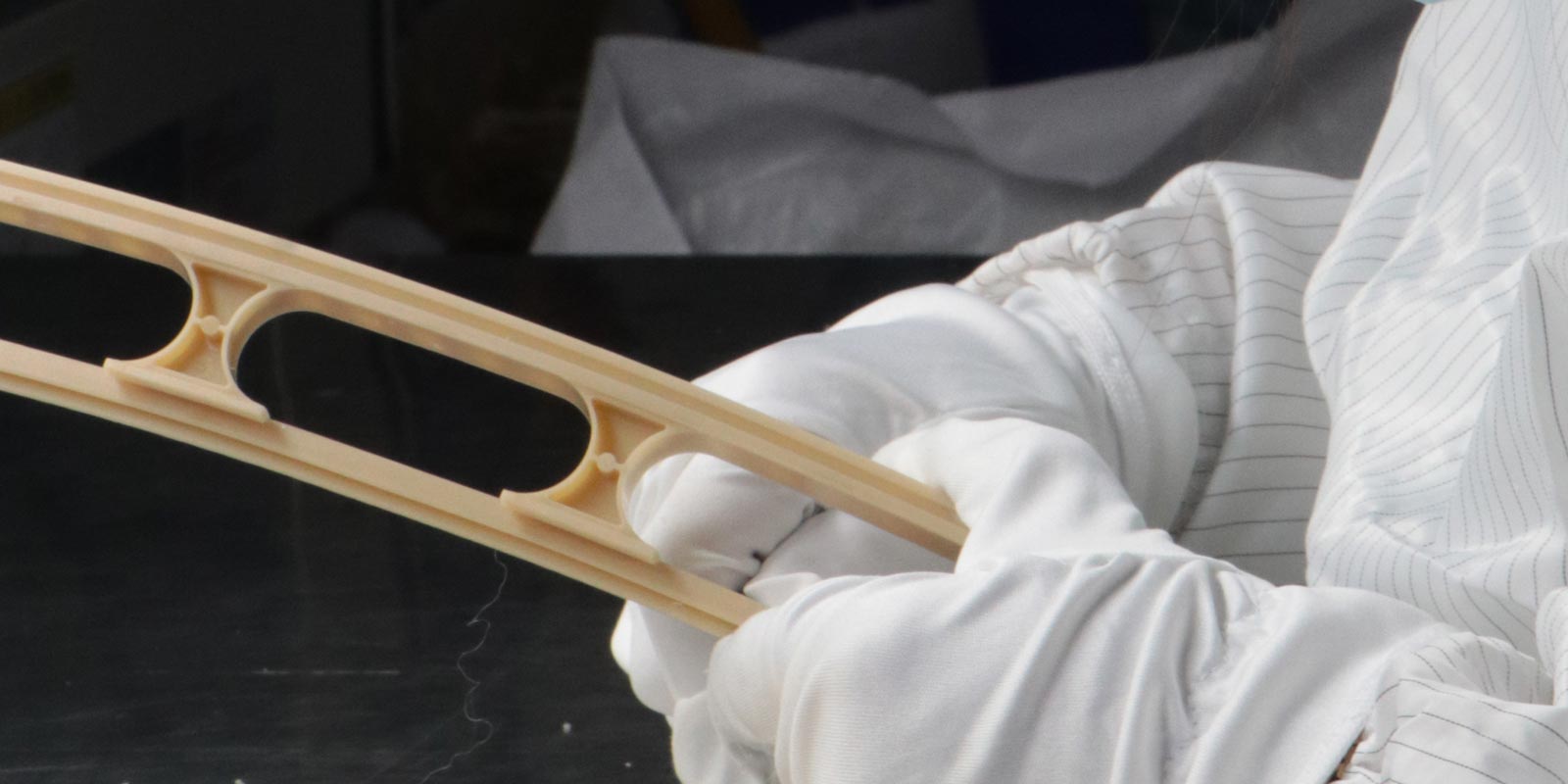
In addition, the processability of materials also needs to be considered. For example, materials should be easy to injection-mold and have high dimensional stability after molding to meet the strict precision requirements of medical products.
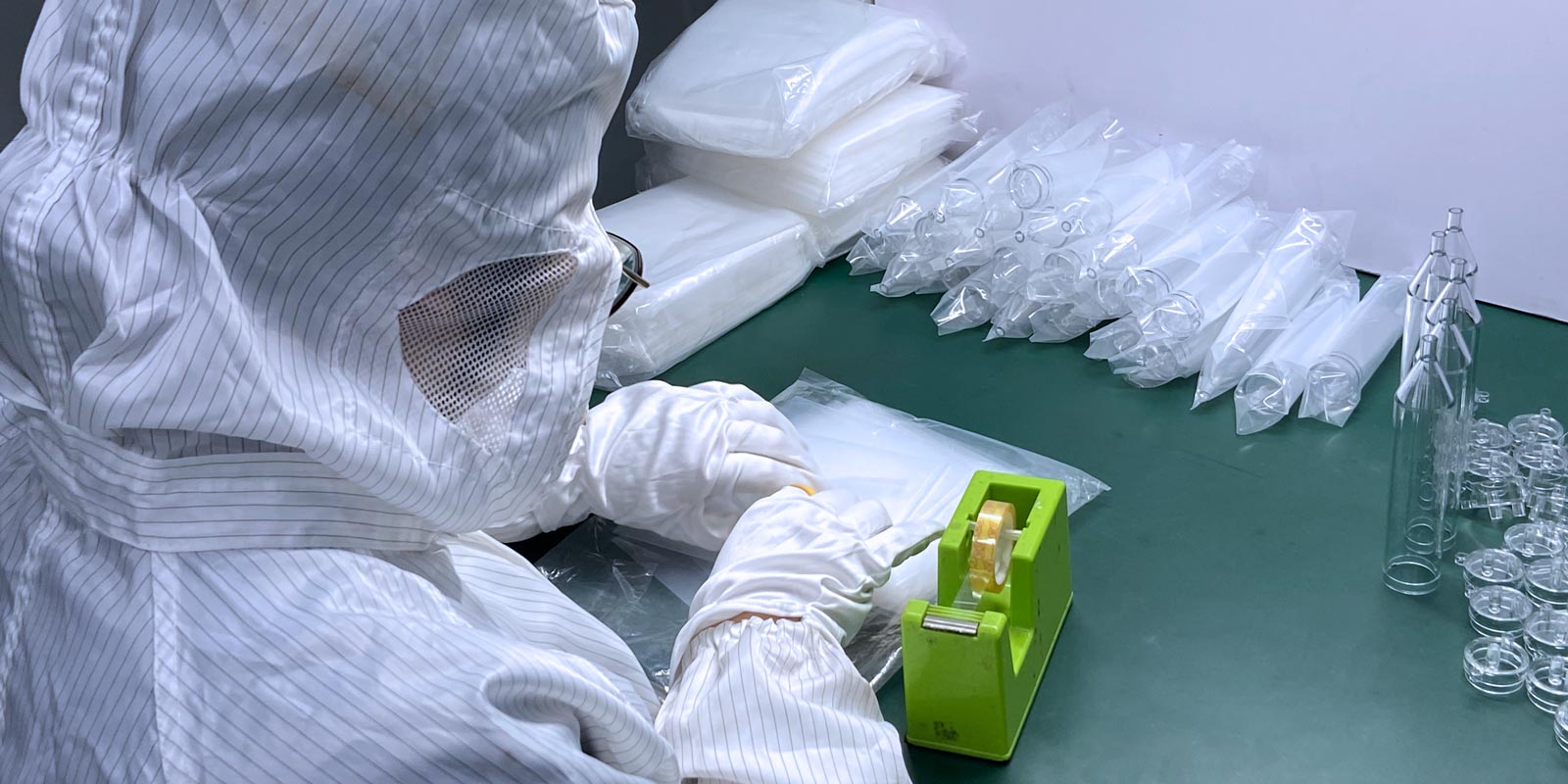
Medical injection-molded parts need to achieve full life-cycle traceability, so material selection should support data recording and tracking. For example:
The choice of materials also needs to consider the feasibility of marking and labeling. For example, laser marking or QR code marking requires the material surface to be easy to process and the marked information to be durable and non-fading.
The material selection of medical injection-molded parts also needs to consider environmental factors and cost-effectiveness. For example:
The material selection of medical injection-molded parts is a multi-dimensional and stringent process. It is necessary to comprehensively consider factors such as biocompatibility, chemical stability, sterilization adaptability, physical properties, traceability, as well as environmental and cost factors. Through scientific material selection and strict control, the safety, effectiveness, and reliability of medical injection-molded parts can be ensured, providing solid support for the development of the medical industry.
PREV:Why Do Medical Injection-Molded Parts Keep Failing? A Comprehensive Guide
NEXT:Solutions to Process Pressure Issues in Medical Plastic Parts
Add: 62 Jinghai East Road, Chang'an Town, Dongguan City, Guangdong Province
Whatsapp: +86 13342659272
Email: Yuliya.chen@yizemould.com

Add: 62 Jinghai East Road, Chang'an Town, Dongguan City, Guangdong Province
Whatsapp: +86 13342659272
Email: Yuliya.chen@yizemould.com
 Home
Home