

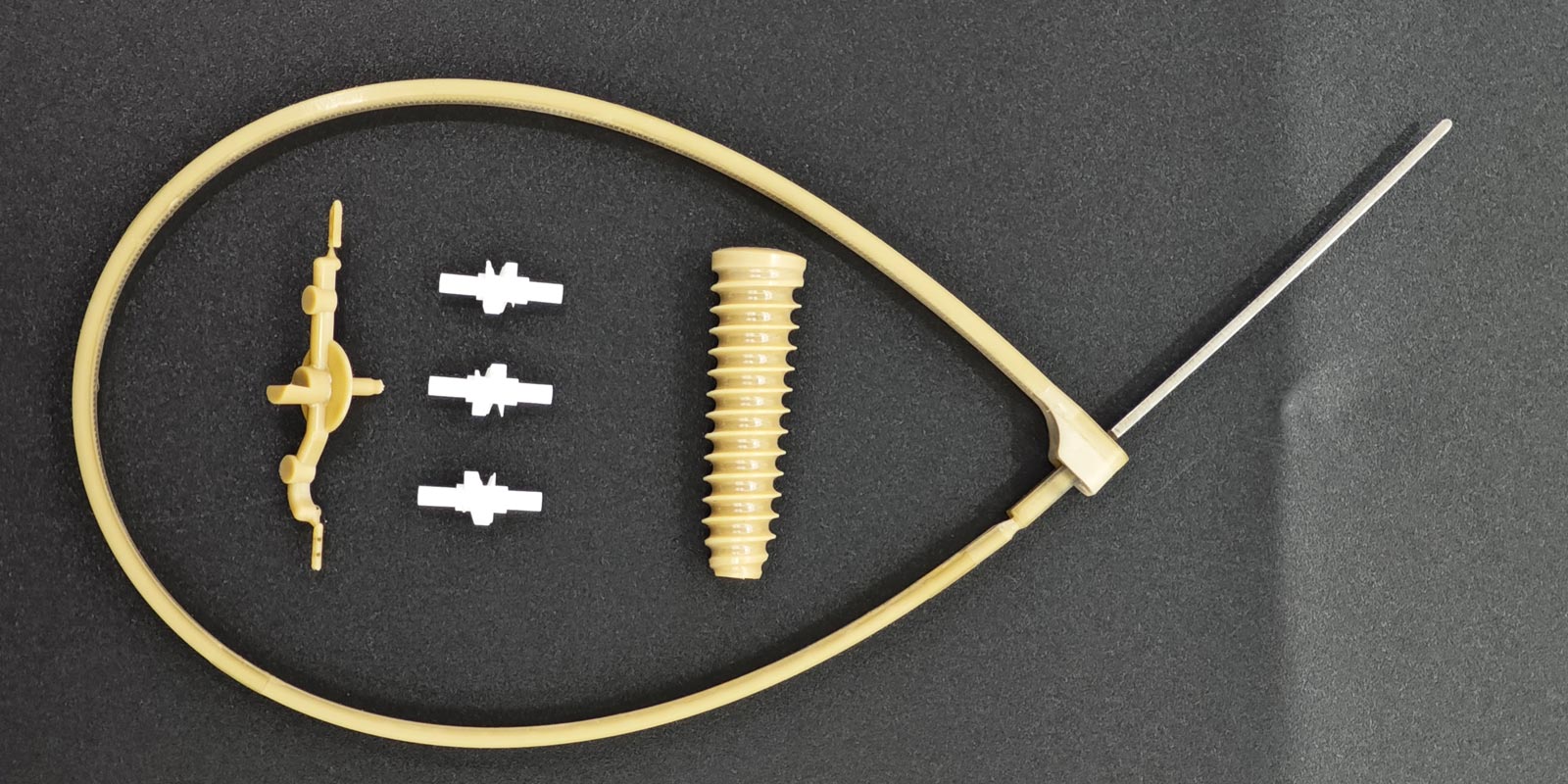
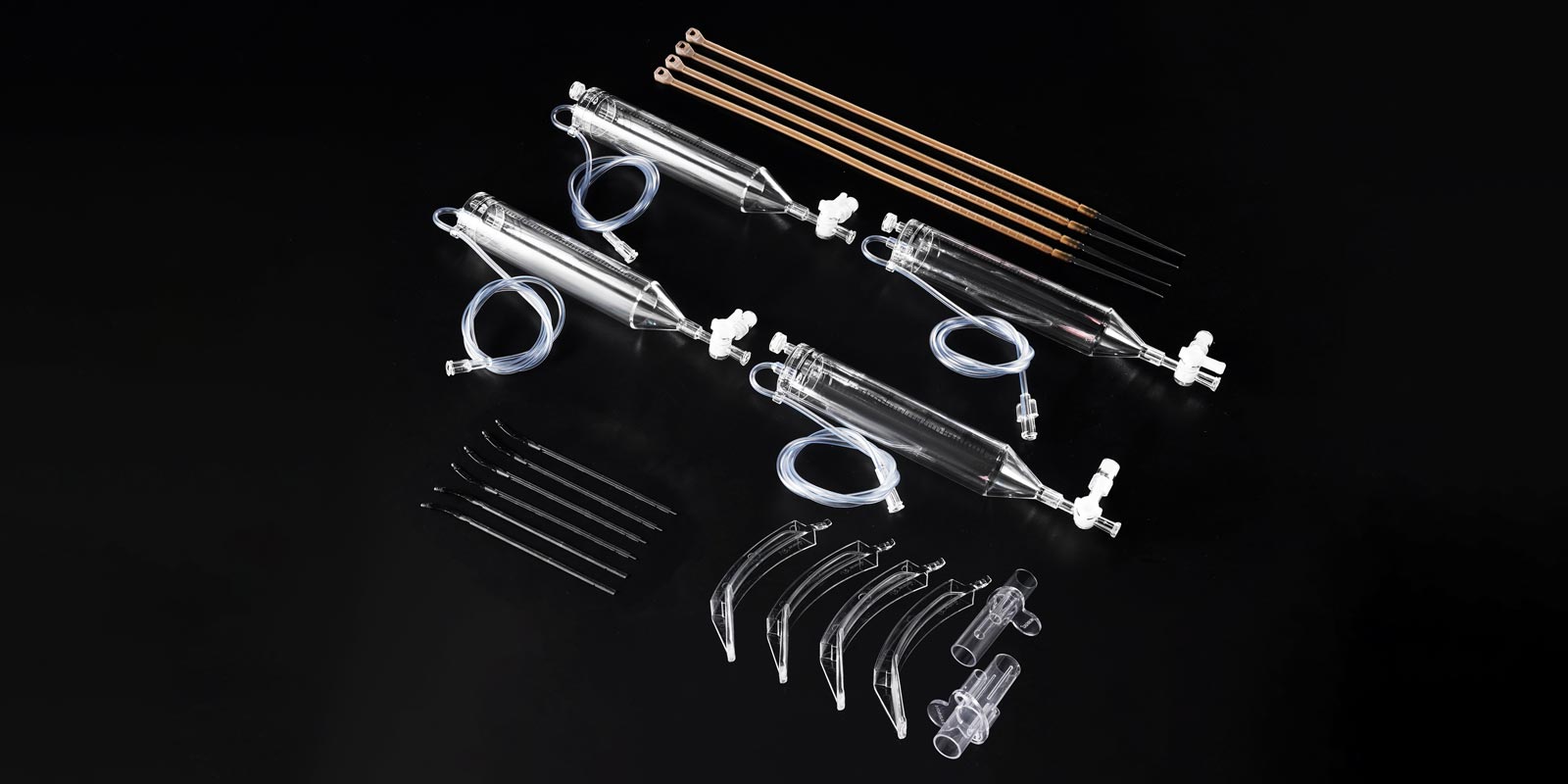
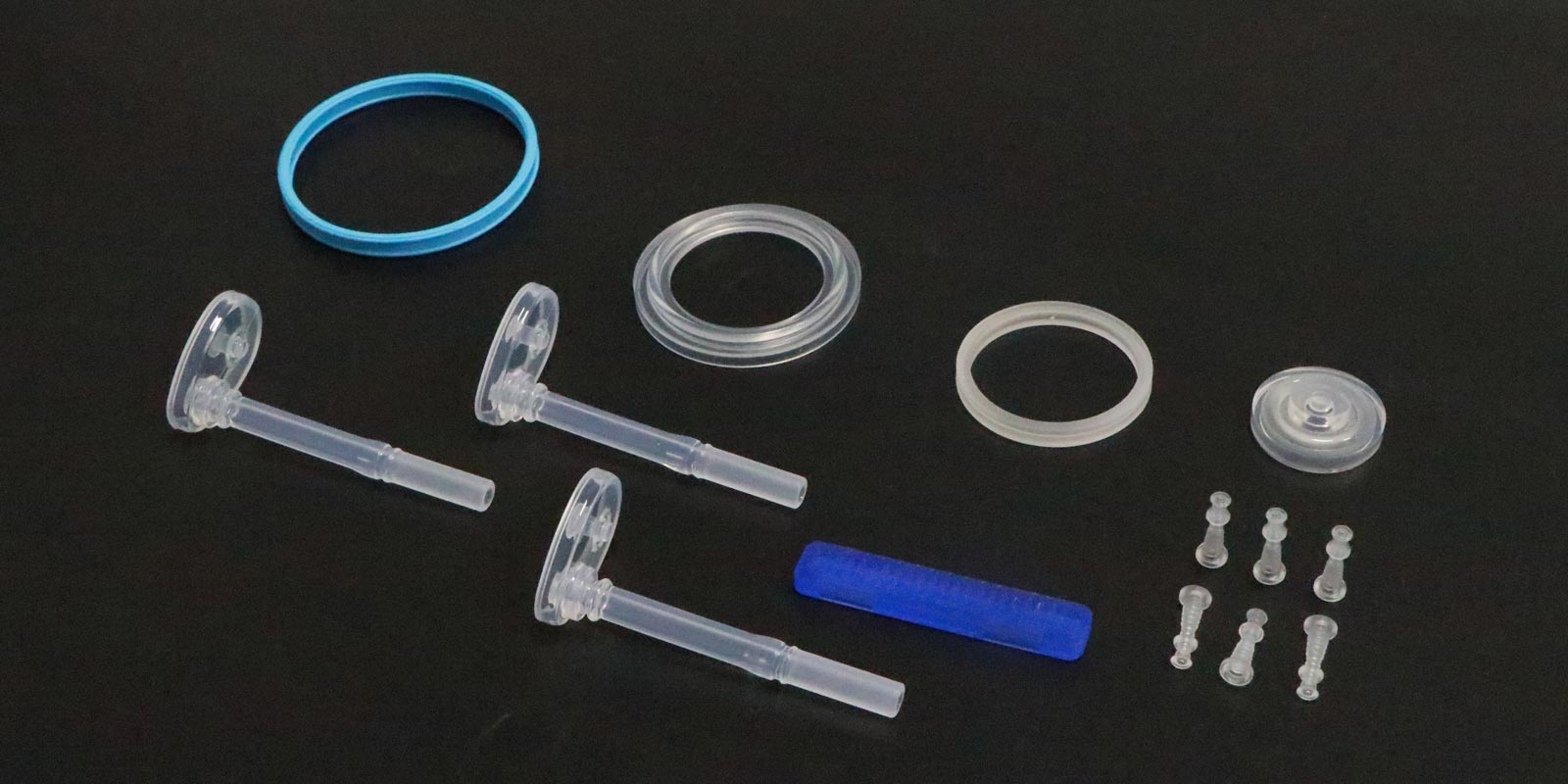
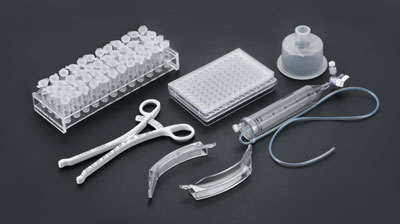



In the precision world of medical devices, a seemingly tiny plastic component often carries the weight of patient safety and treatment outcomes. From disposable syringes to implantable artificial joints, medical injection-molded parts have become an indispensable cornerstone of the modern medical industry, thanks to their advantages in mass production, design flexibility, and cost control. Yet the reality is frustrating — silver streaks, bubbles, sink marks, flash, warpage, cracking — problems emerge endlessly, as if the production line is always stuck in firefighting mode.
So where exactly do things go wrong? The answer lies in the simultaneous breakdown of four dimensions: material, mold, process, and environment.
The first checkpoint for medical injection-molded parts begins the moment raw materials arrive at the facility.
Moisture and volatiles are the primary culprits behind silver streaks and bubbles. During the mold-filling process, plastics are disturbed by trapped gases, often resulting in silver-streak patterns or tiny bubbles on the part surface. These gases mainly come from moisture or volatile substances in the raw material, or from excessive lubricants. Many medical-grade materials such as Pebax, TPU, and PPSU are highly hygroscopic. If they are not fully dried before production, the water vapor instantly vaporizes at high temperatures, and bubbles settle inside the part.
Batch-to-batch variation is the silent killer of dimensional accuracy. Even within the same grade, different batches of medical injection-molded materials may exhibit different shrinkage rates. This is caused by variations in material composition, molecular weight distribution, or additives. For example, plastics containing bioactive components may see additive content fluctuate, directly altering the shrinkage rate and causing the molded part dimensions to deviate from design specifications. Some grades cannot withstand high temperatures or prolonged heat exposure, especially when trace moisture is present, which may trigger catalytic cracking reactions and generate degradation gases.
Biocompatibility requirements further narrow the material selection space. Materials must pass the ISO 10993 series of tests, covering cytotoxicity, sensitization, intracutaneous reactivity, and more than a dozen other evaluations. Improper material selection not only leads to insufficient mechanical performance but may also trigger allergic reactions or even anaphylactic shock, with catastrophic consequences.
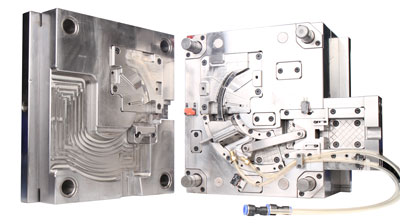
The demands on molds for medical precision injection-molded parts are extremely strict — critical dimensional tolerances must be controlled within ±0.005 mm, which requires ultra-precision five-axis CNC machining centers.
Poor venting system design is a major source of bubbles and burn marks. If the mold parting surface lacks necessary vent channels, or if the vents are insufficient, clogged, or poorly positioned, and there are no auxiliary venting paths such as inserts or ejector pin clearances, the air trapped in the cavity cannot be expelled as the plastic enters. For micro injection-molded parts, inadequate venting at tiny features can even result in parts that are simply not fully filled.
Unreasonable cooling systems directly cause warpage and sink marks. Uneven mold temperatures lead to different shrinkage rates across the part. This is especially evident in areas with large wall thickness differences. Thicker sections cool and shrink more than thinner sections, pulling the surrounding thin walls inward and forming sink marks. At the same time, uneven cooling is the core cause of overall or localized shape distortion in molded parts.
Excessive mold surface roughness increases friction resistance, causes localized overheating, and leads to plastic decomposition. Micro medical molds require even greater attention to thermal insulation and temperature stability. Otherwise, tiny features on the product are prone to burn marks. In addition, insufficient clamping precision or worn parting surfaces allow molten plastic to seep through gaps under injection pressure, forming flash — flash on the edge of a syringe barrel not only affects appearance but may also scratch patient skin, or even generate plastic debris during operation, triggering medical safety incidents.
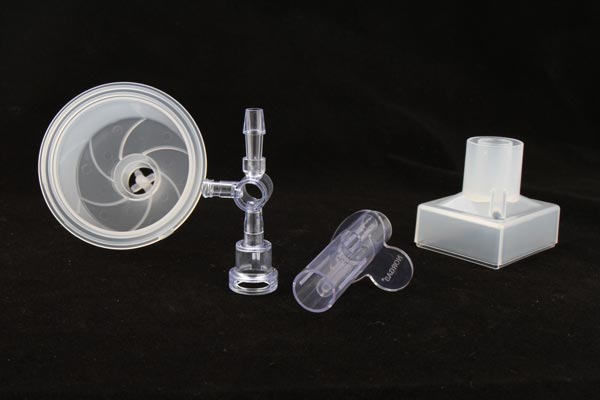
The process window for medical injection-molded parts is extremely narrow. Any minor fluctuation in parameters can trigger batch-level nonconformance.
Temperature runaway is the most common trigger. Excessive barrel temperature causes plastic decomposition and generates degradation gases; too low a temperature results in poor flow and incomplete filling. Insufficient injection pressure or too short a holding time means the melt does not fully contact the cavity surface, leading to low surface density and silver streaks. Excessive injection speed subjects the molten plastic to high shear forces, causing decomposition; too slow a speed fails to fill the cavity in time.
Multi-stage injection is the key strategy for eliminating silver streaks. The recommended approach is: medium-speed injection to fill the runner, slow speed to fill the gate, fast injection to advance the melt, and low-pressure slow speed to pack out the mold — allowing trapped gas to be vented at each stage. This combination is far more effective than single-speed injection.
The screw plasticizing stage also hides risks. Too low back pressure or too high screw speed causes the screw to retract too quickly, allowing air to be pushed toward the front of the barrel along with the material. For medical-grade small-screw injection (screw diameter 12 to 18 mm), prolonged residence time must be avoided to prevent material degradation.
The conflict between insufficient clamping force and excessive injection pressure is the root cause of flash. Medical consumable injection-molded parts are typically small in size with high precision requirements. Even a slight shortage of clamping force can produce flash at the parting line, and excessive injection pressure only worsens the problem.
Even when material, mold, and process are all in place, oversights in the production environment and management system can still undo everything.
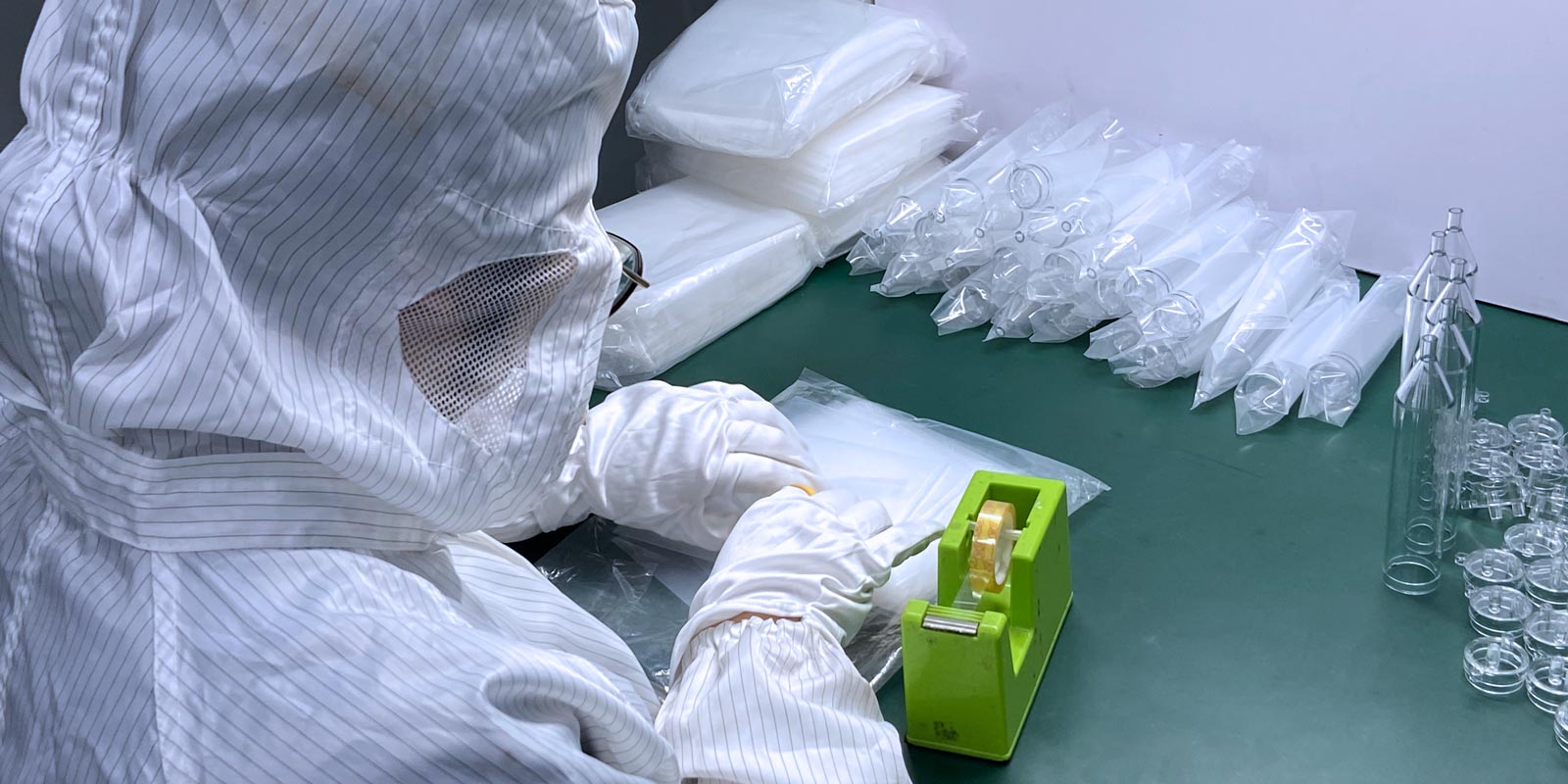
Failure to meet cleanliness standards leads to particle and microbial contamination. The mainstream requirement is production in an ISO Class 7 (10,000-class) cleanroom, where particles ≥0.5 μm must not exceed 3,520 per cubic meter, and settle plates must show no more than 10 CFU per dish. Some implantable products even require production under an ISO Class 5 (100-class) laminar flow hood. Oil, bacteria, or dust on the mold surface can adhere to the molded part surface and, upon entering the human body, cause infection.
Lack of process traceability prevents problem closure. Medical device injection-molded parts must be integrated into a complete product risk management system, including raw material traceability, production environment monitoring, and batch record retention. Practices from companies such as Ningbo Yichuangwei demonstrate that dual certification under ISO 9001 and ISO 13485, with every batch traced back to raw material lot numbers, mold versions, and key process parameters, enables rapid root cause identification when problems occur.
The reason medical injection-molded parts keep failing is not the collapse of any single link, but the amplification of tiny deviations in any one of the four chains — material, mold, process, environment — under the magnifying glass of medical-grade stringent standards. In 2024, China's medical device plastic injection molding industry reached a market size of 48.76 billion yuan, projected to grow to 52.98 billion yuan in 2025. The larger the scale, the higher the demand for stability. Only those companies that have built deep barriers in material understanding, process know-how accumulation, and quality management can move steadily on this track.
Q1: When silver streaks and bubbles appear on medical injection-molded parts, what should be checked first?
Prioritize checking whether the raw material is fully dried, whether the barrel temperature is too high causing decomposition, and whether the mold venting system is clear. Industry statistics show that over 60 percent of silver streak and bubble problems are directly related to material moisture content and poor venting.
Q2: How can dimensional accuracy of medical injection-molded parts be effectively controlled?
Use fully electric injection machines with closed-loop servo systems to keep injection pressure fluctuation within ±1 percent. Select ultra-precision mold machining equipment to control critical dimensional tolerances within ±0.005 mm. At the same time, test every incoming material batch for shrinkage and other key indicators, and confirm process parameters only after trial molding.
Q3: Besides adjusting the mold, how else can flash on medical injection-molded parts be resolved?
In addition to improving clamping precision and mold maintenance, injection pressure and holding pressure can be appropriately reduced, while clamping force parameters are optimized. For micro precision parts, it is recommended to check whether the gate location is reasonable and whether the runner is balanced, reducing the conditions for flash generation from the design source.
Add: 62 Jinghai East Road, Chang'an Town, Dongguan City, Guangdong Province
Whatsapp: +86 13342659272
Email: Yuliya.chen@yizemould.com

Add: 62 Jinghai East Road, Chang'an Town, Dongguan City, Guangdong Province
Whatsapp: +86 13342659272
Email: Yuliya.chen@yizemould.com
 Home
Home