

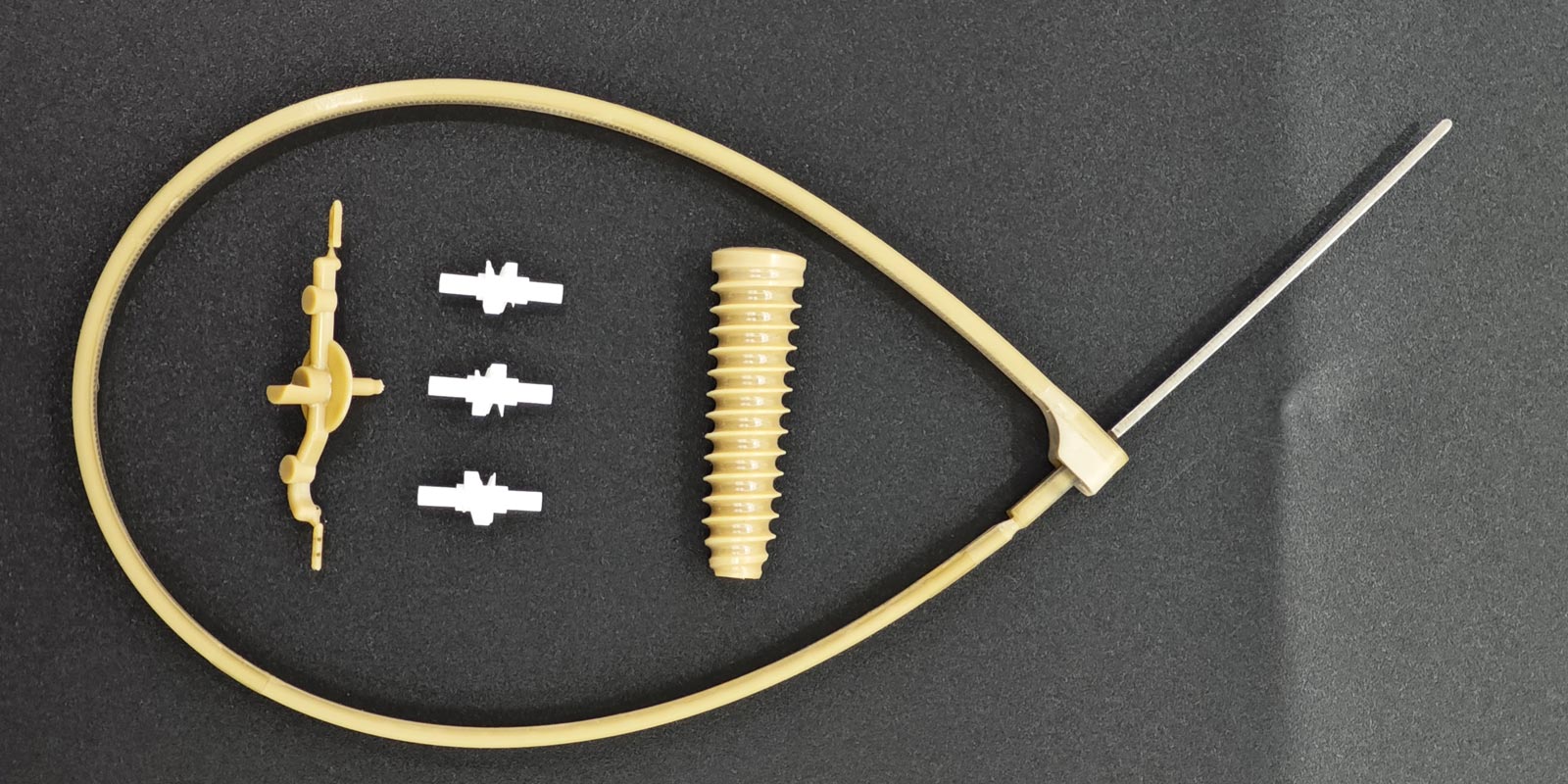
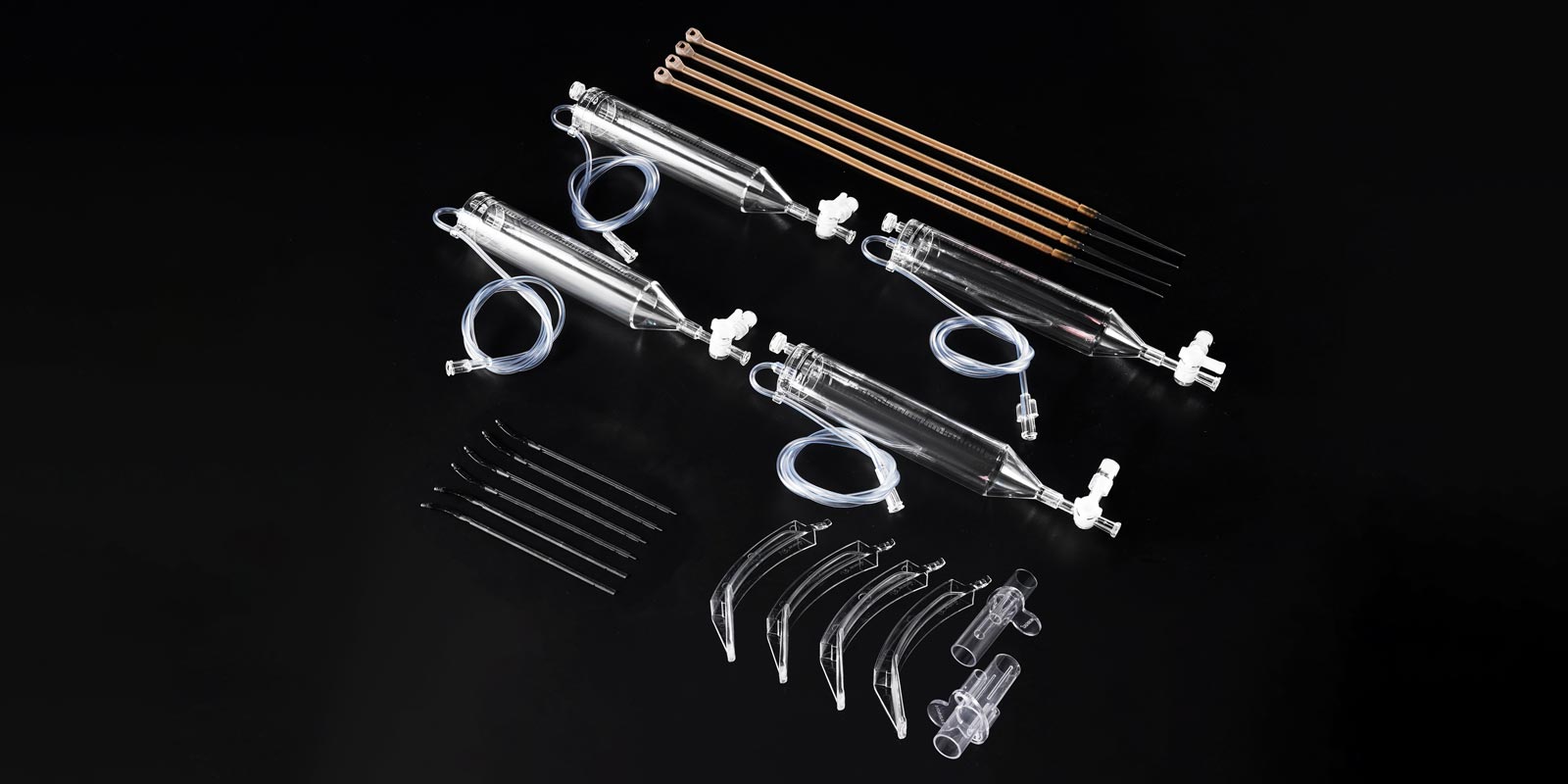
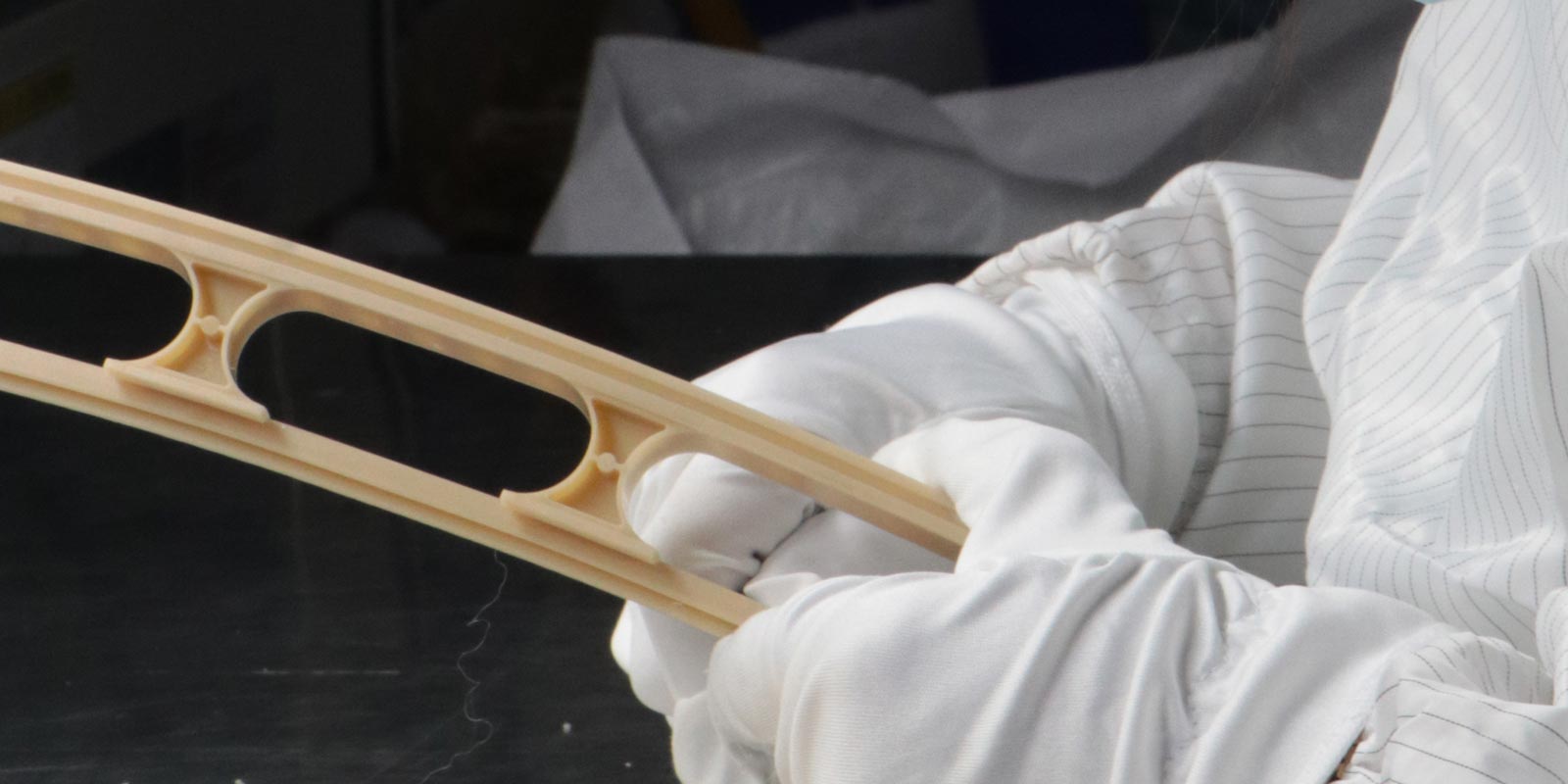
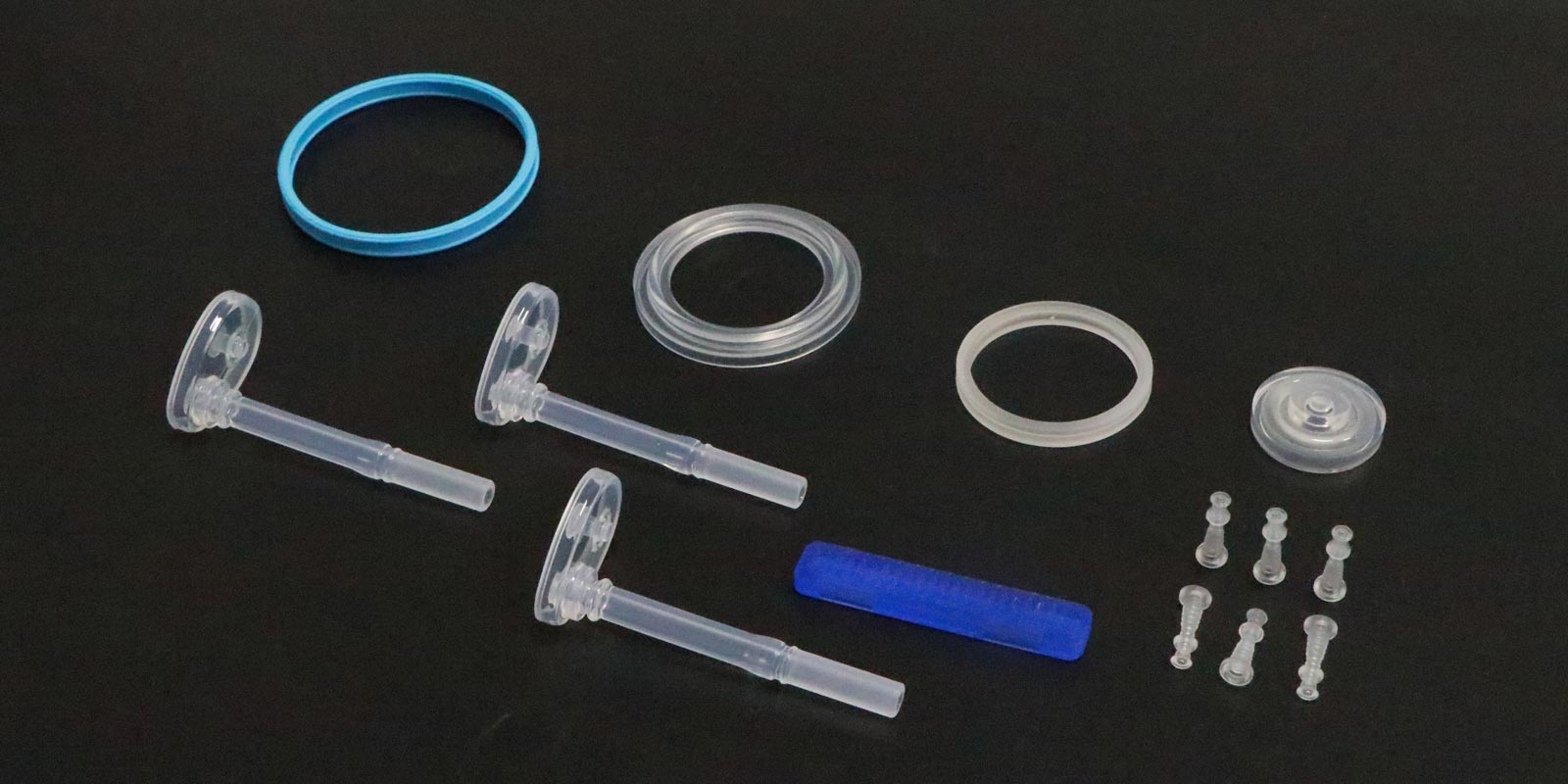
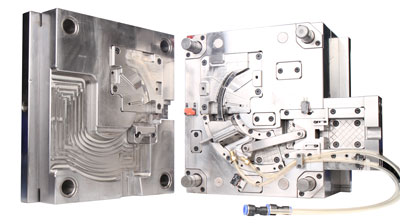
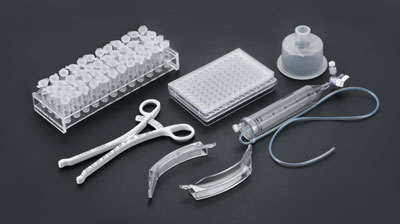



Medical injection molding tooling is far from a simple case of "cut a mold and inject plastic." It is a precision engineering effort that requires coordinated control across materials, design, machining, inspection, and environmental management. Any oversight at a single node can extend product certification timelines or even cause batch-to-batch quality fluctuations. The following breaks down the core keys of tooling across six dimensions.
The first step of tooling is not cutting steel, but thinking. Medical injection molded parts demand near-perfect precision, which requires CAE mold flow analysis to simulate melt flow behavior, optimize runner layout and gate design, and ensure cavity pressure differential stays within 5 MPa, eliminating weld lines and air traps from the source.
Different medical product categories require differentiated design approaches. Disposable diagnostic consumable molds focus on multi-cavity design. For example, syringes typically use 8 to 32 cavity structures, with cavity spacing errors controlled within plus or minus 0.03 mm, and each syringe barrel inner diameter tolerance not exceeding plus or minus 0.02 mm. Implantable device molds such as artificial joints require five-axis simultaneous machining design, with core positioning accuracy reaching plus or minus 0.001 mm. In vitro diagnostic consumable molds such as test strip molds must control cavity depth tolerance within plus or minus 0.01 mm to ensure test strip coating thickness uniformity deviation does not exceed 5 percent.
Mold steel selection directly determines mold life and part quality. General-purpose plastics can use P20 steel, engineering plastics recommend 718H or S136H, and specialty plastics require SKD61 steel with special heat treatment. Medical-grade molds commonly use 718H and S136H, depending on the specific product application.
Machining is where precision becomes reality. Cavity machining uses ultra-precision grinders with positioning accuracy reaching plus or minus 0.0005 mm, and parting surface flatness not exceeding 0.002 mm per meter. Micro-structures such as hollow cavities in cardiovascular stent molds require wire EDM machining, achieving surface roughness Ra values of 0.08 micrometers and machining accuracy of plus or minus 0.001 mm. Mirror-finish EDM machines deliver more precise data and smoother surfaces than standard EDM machines, though at a higher cost. Manual polishing combined with grinding machines and ultrasonic cleaners ensures surface quality for transparent and glossy products.
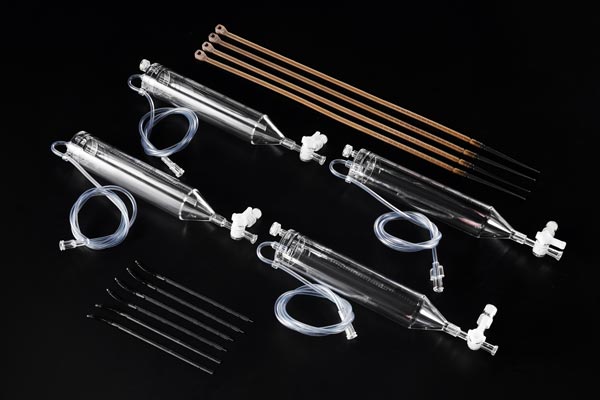
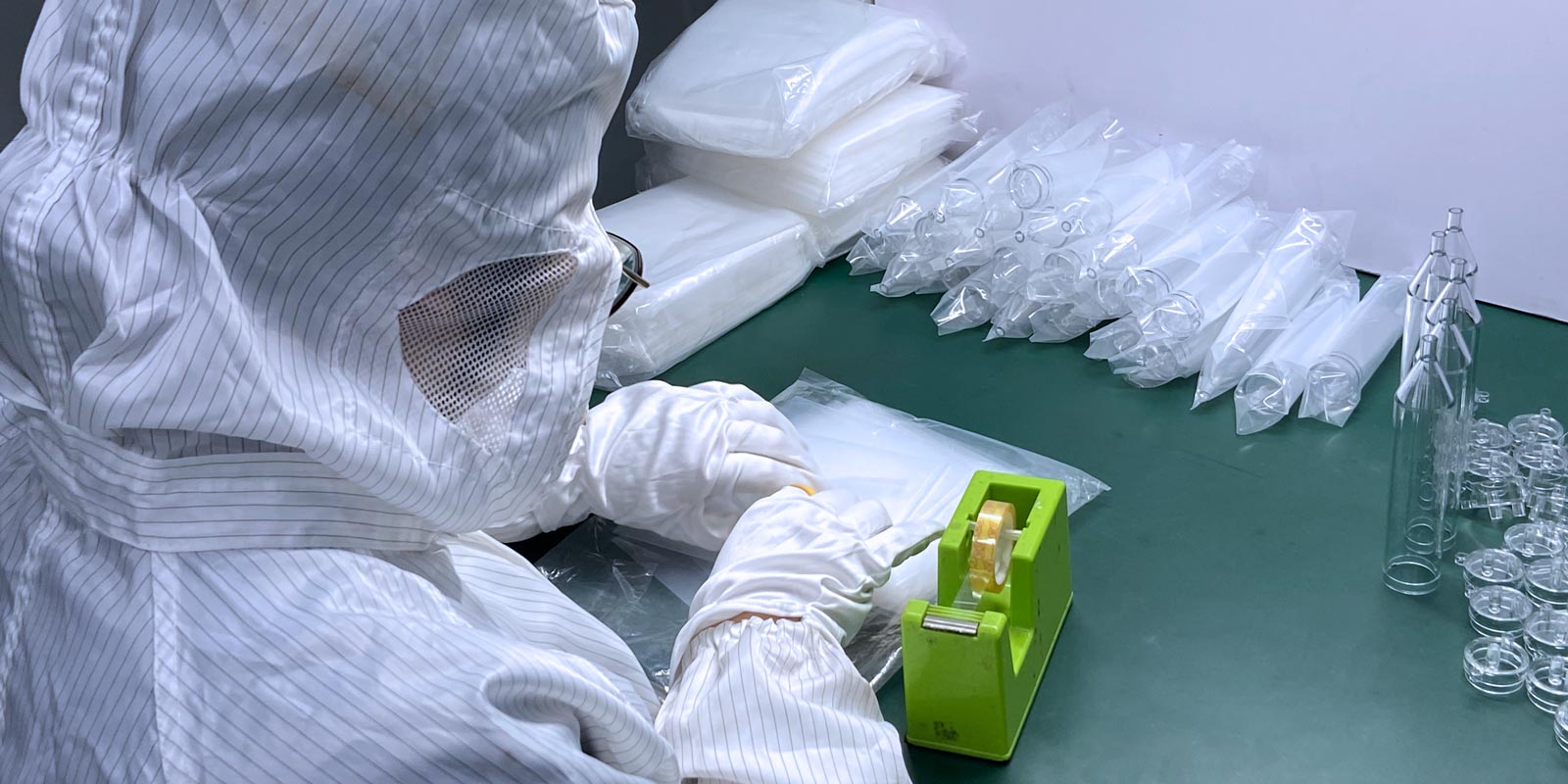
Medical injection molded parts must be produced in ISO Class 7 to Class 8 cleanrooms. A Class 10,000 cleanroom requires that particle concentration of 0.5 micrometers and above not exceed 352,000 per cubic meter, preventing contaminants from adhering to mold surfaces. This is not a nice-to-have, but a hard requirement.
Meanwhile, mold production must be equipped with HEPA filtration systems and standardized gowning protocols. Release agent residue and flash control indicators are all held to standards higher than those for consumer goods, because even trace contamination can be amplified into a safety incident in clinical settings.
Medical-grade injection molding materials must possess biocompatibility and withstand sterilization processing. Common materials include: polyethylene PE for hip joint and other prosthetic components, polystyrene PS for surfaces requiring high dimensional stability, polyether ether ketone PEEK renowned for its outstanding wear resistance and radiation resistance, and silicone for components requiring flexibility.
Material pre-treatment is equally critical. For example, medical-grade PEEK must be baked at 150 degrees Celsius for 4 hours before injection molding to ensure raw material moisture content does not exceed 0.02 percent, or part performance will be significantly compromised.
Trial molding is the critical step connecting tooling to mass production. A "slow-fast-slow" multi-stage injection strategy should be adopted to balance filling efficiency and part quality. After trial molding, a full inspection of sample appearance, dimensions, and material properties must be completed. Dimensional distribution statistics must ensure CPK is no lower than 1.33, and a trial molding report must be compiled to lock in optimal process parameters.
Venting system design is equally important. Vent slot width generally ranges from 0.02 to 0.05 mm, with depth from 0.01 to 0.03 mm, adjusted according to material flowability, to promptly release gas and prevent air traps and short shots.
Medical mold life is typically controlled within 500,000 cycles. After each production run, cavities and ejector pins must be cleaned and coated with anti-rust oil. Every 5,000 cycles, ultrasonic cleaning and accuracy re-inspection should be performed to prevent wear-induced dimensional deviation. Guide pillar and guide bush concentricity must be calibrated with a laser interferometer, with error controlled within 0.001 mm, to prevent flash during injection.
Q1: Is a medical device production license required to make medical injection molds?
Not necessarily. The mold manufacturing process itself does not directly require a medical device production license. However, if subsequent injection molding and assembly involve sterile contact, the supplier must hold ISO 13485 or equivalent system certification. It is recommended to explicitly require cleanroom inspection reports and material hygiene permits in the contract.
Q2: Is it worthwhile to open a mold for small-batch medical injection molded parts?
Medical injection molds involve high upfront investment. For small-batch production, the per-unit mold cost allocation is too high, making it cost-ineffective. This process is better suited for medium to large batch production, where unit cost drops significantly as volume increases. If the demand is truly small-batch, rapid tooling solutions should be prioritized.
Q3: How can I tell if a mold factory truly has medical-grade capability?
Three hard indicators: First, check whether they own a Class 10,000 or better cleanroom. Second, check whether they have at least two medical project acceptance reports or client reference letters from the past three years. Third, check the number of technology patents associated with the founder or team. Patents can be cross-verified through the National Intellectual Property Administration search platform to ensure strong relevance to the involved technology field.
PREV:Why Do Medical Injection-Molded Parts Keep Failing? A Comprehensive Guide
NEXT:Title: Industry Insights on Laryngoscope Molds and Precision Injection Molding
Add: 62 Jinghai East Road, Chang'an Town, Dongguan City, Guangdong Province
Whatsapp: +86 13342659272
Email: Yuliya.chen@yizemould.com

Add: 62 Jinghai East Road, Chang'an Town, Dongguan City, Guangdong Province
Whatsapp: +86 13342659272
Email: Yuliya.chen@yizemould.com
 Home
Home