

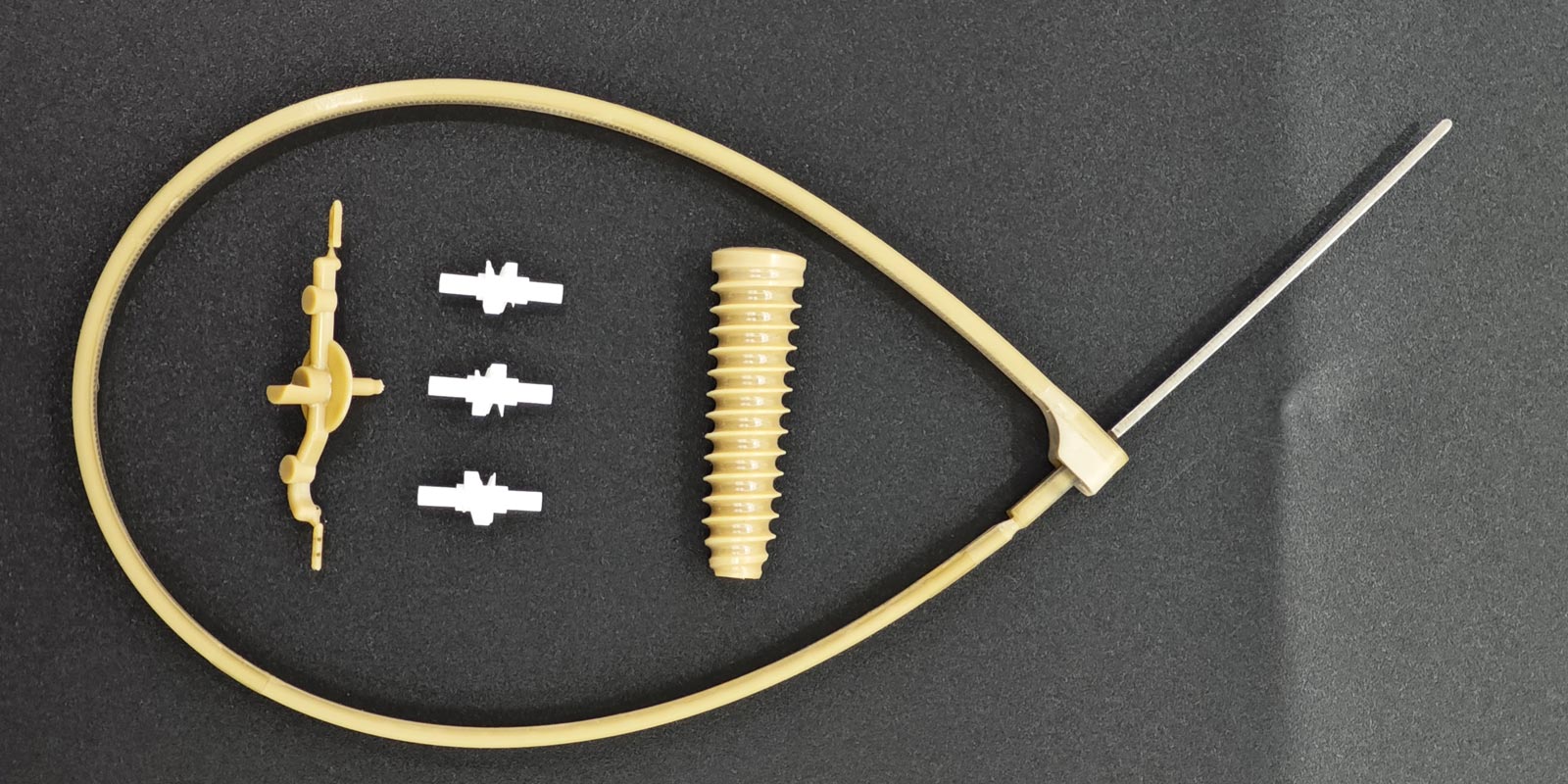
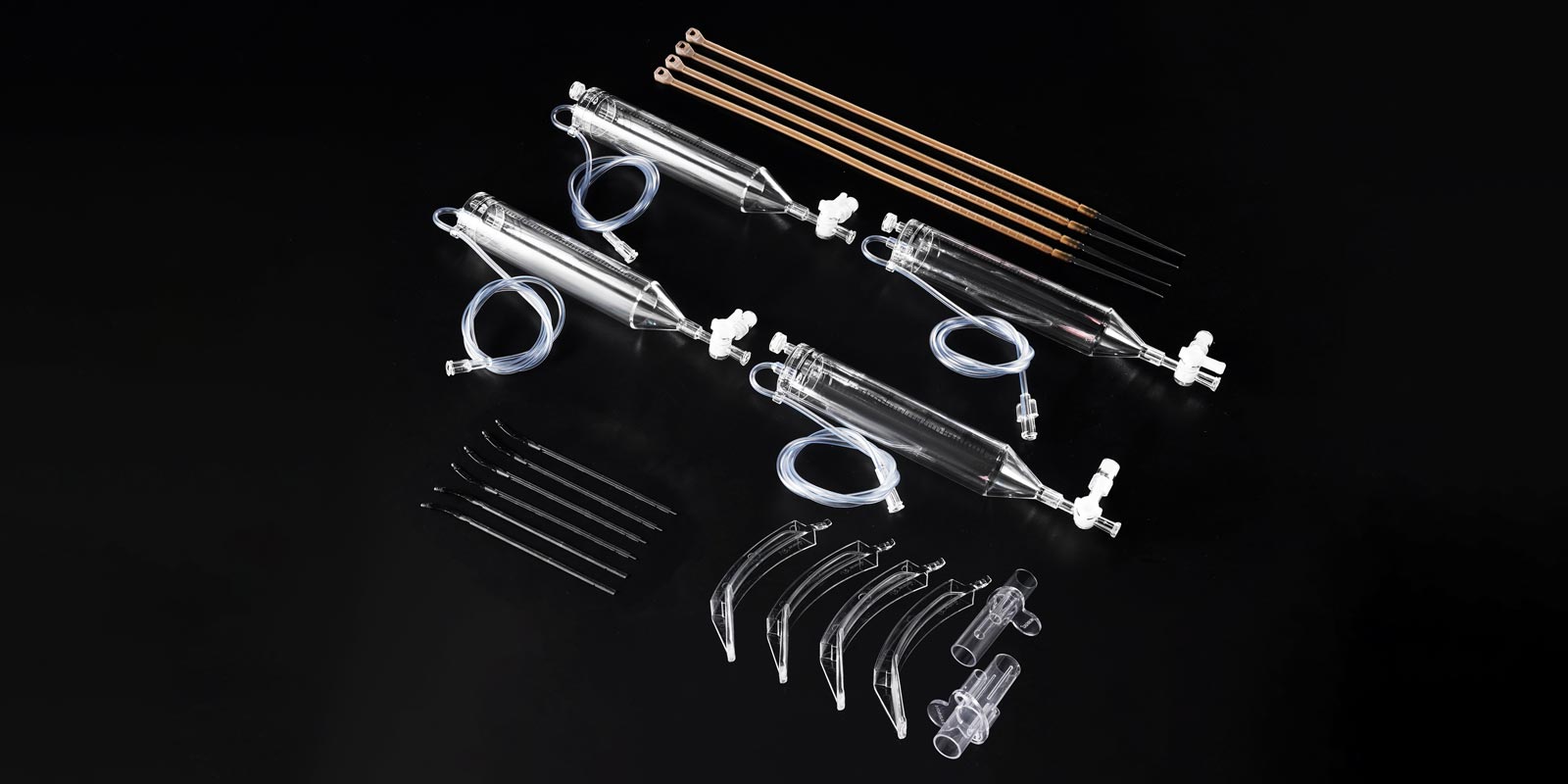
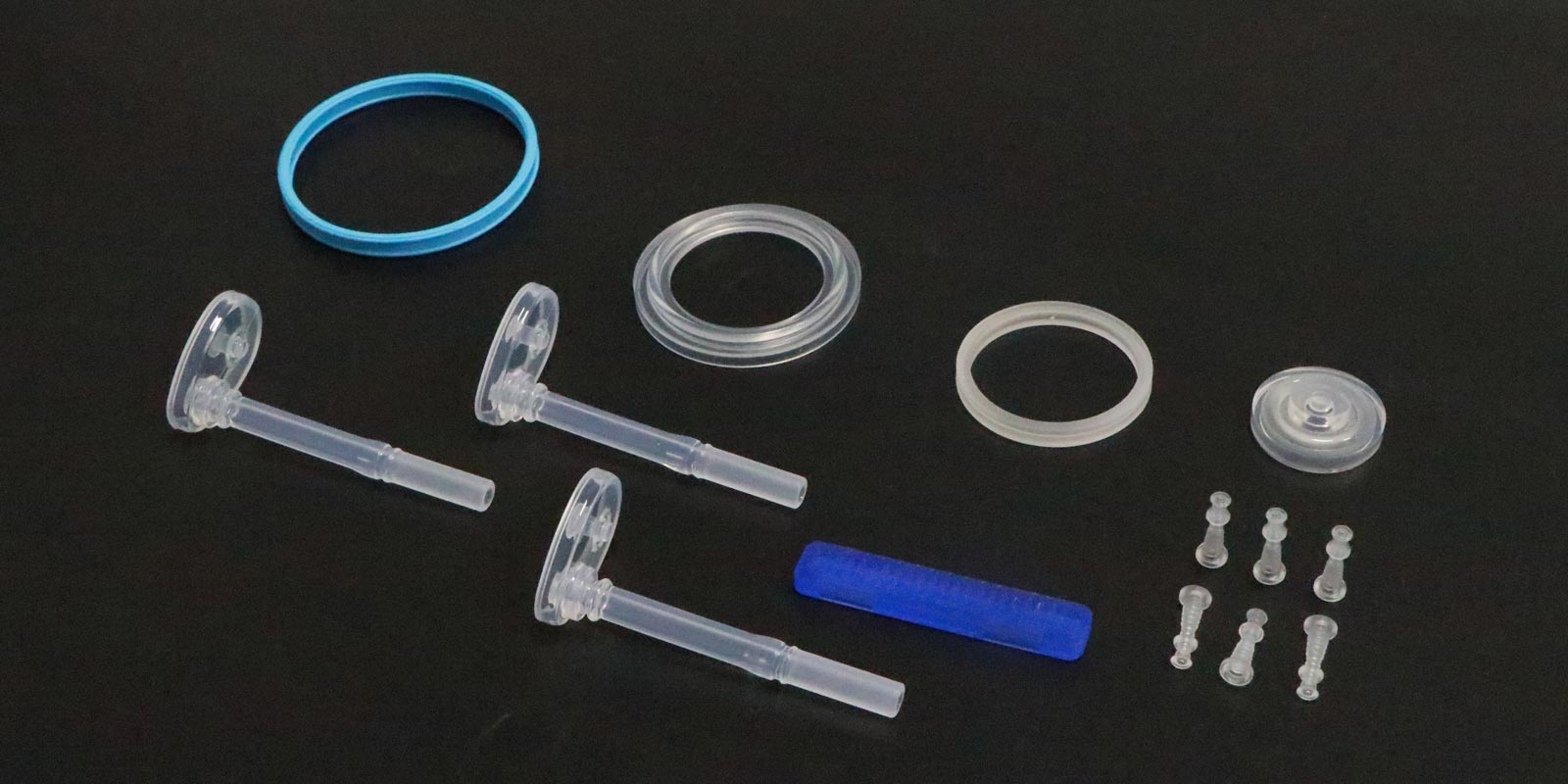
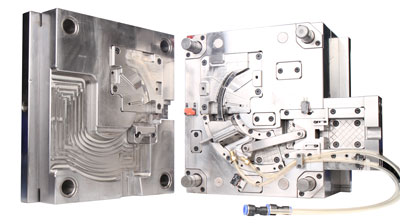
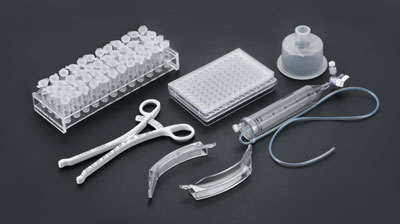



Medical injection molding is the jewel of precision manufacturing. Syringes, infusion sets, blood collectors, surgical instrument accessories — every product is tied to life safety and tolerates zero defects. The choice of mold runner system often determines the ceiling of product quality and the floor of production cost. Hot runner and cold runner, this pair of "old rivals" each have their strengths in medical scenarios. Choose correctly and you achieve twice the result with half the effort. Choose wrong and everything falls apart.
Cold runner is the most classic structure in injection molding. After molten plastic is injected from the machine, it travels through the runner into the cavity. Every time the mold opens, the plastic in the runner is demolded together with the product, forming "sprue waste." It requires no heating elements and relies on the mold's own cooling system to solidify the melt and product simultaneously. The structure is simple and the cost is low.
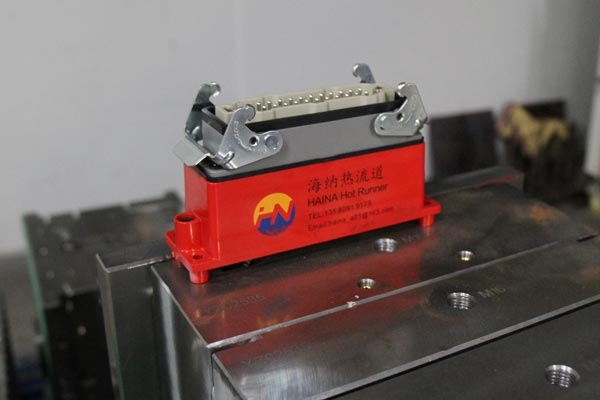
Hot runner is completely different. It uses built-in heating coils, thermocouples, and temperature control systems to keep the runner temperature above the material's melting point at all times, ensuring the plastic in the runner stays fully molten. Every time the mold opens, only the product is demolded, with no sprue waste. This is true "zero-waste molding."
This principle difference is the root cause of all subsequent performance divergence.
Cost Dimension: Short-term Savings vs. Long-term Savings
Cold runner molds have a simple structure with no heating elements or temperature control systems. Initial manufacturing cost is only one-third to one-half of hot runner molds, and tooling cost is typically 15,000 to 30,000 yuan lower. For medical device startups with limited budgets or small-batch trial production projects, this is a tangible advantage.
But the hidden costs of cold runner cannot be ignored. Runner scrap accounts for 20 to 30 percent of total shot volume. For medical-grade engineering plastics such as PC, PMMA, and transparent materials, the secondary processing cost of scrap recycling adds an extra 30 to 40 percent. Hot runner material utilization can reach over 95 percent with almost no sprue loss. Industry statistics show that hot runner systems save 10 to 20 percent of raw materials and reduce production costs by about 30 percent, while the investment increases by only 10 to 30 percent.
In the medical field, when annual output exceeds 100,000 pieces, the material savings from hot runner usually cover the additional tooling investment within one to two years. When annual output exceeds 500,000 pieces, hot runner is almost the only economically viable option.
Quality Dimension: The Dividing Line for Medical-grade Precision
Medical products have near-strict requirements for dimensional accuracy, surface finish, and internal stress control.
Cold runner has large pressure loss and poor filling balance in multi-cavity molds. Product weight deviation can reach plus or minus 5 to 10 percent, gate marks are obvious, and uneven cooling easily causes cold slug spots, weld lines, sink marks, and other defects. For high-gloss transparent parts and precision connectors, cold runner rarely meets the standard.
Hot runner shows overwhelming advantages. Constant temperature design enables synchronous feeding to all cavities, and product weight deviation can be controlled within plus or minus 1 percent. Molten plastic enters the cavity directly, reducing the impact of cold material on product quality, and surface quality is superior. Valve-gate hot runner can achieve gate-free injection, minimizing gate marks to the smallest extent, meeting the dual strict requirements of medical devices for appearance and internal stress.
Efficiency and Automation Dimension: A Rigid Need for Cleanrooms
Medical injection molding production mostly takes place in cleanrooms, and compliance is a hard requirement.
Cold runner produces sprue waste with every molding cycle, requiring manual or mechanical trimming, adding post-processing steps. Scrap recycling also requires crushing, filtering, and transportation, which not only increases labor costs but also threatens the clean environment.
Hot runner produces no waste, keeping the production environment clean. It eliminates all processes of trimming, crushing, and recycling sprue, making fully automated unmanned production much easier. This is exactly the direction encouraged by medical-grade manufacturing standards. Hot runner molding cycle can be shortened by 20 to 25 percent. In a case of 3C electronic housings, the cycle dropped from 40 seconds to 32 seconds, increasing daily output by 25 percent. This efficiency gain is equally significant in high-volume medical production.
Maintenance Dimension: Simple and Reliable vs. Precise and Complex
Cold runner has no high-temperature components, low failure rate, and convenient maintenance. Daily care only requires routine cleaning. It is especially friendly to heat-sensitive materials such as PVC and POM, without degradation or discoloration caused by local overheating.
Hot runner contains precise components such as temperature control boxes, heating wires, and thermocouples. It is prone to heating failures, melt leakage, and nozzle clogging, requiring dedicated maintenance. Annual replacement and calibration costs account for about 5 to 10 percent of total mold cost. Color change and material change procedures are also more complex, taking 3 to 5 times longer than cold runner.
First, look at volume. Annual output below 100,000 pieces — cold runner is the more practical choice. Between 100,000 and 500,000 pieces, a comprehensive judgment is needed based on raw material unit price and appearance requirements. Above 500,000 pieces, the comprehensive benefits of hot runner are irreplaceable.
Second, look at material. PP, ABS, and other common materials have low unit prices, and sprue waste can be recycled and blended, so cold runner loss has limited impact. Medical-grade engineering plastics such as PC, PC+ABS, PA, and PMMA have high unit prices, and recycled material affects performance and appearance, making hot runner advantages prominent. For heat-sensitive materials such as PVC and POM, avoid hot runner — cold runner short-cycle molding is safer.
Third, look at appearance. Medical device appearance surfaces often do not allow obvious gate marks. Valve-gate hot runner can place the gate in an inconspicuous position and precisely control freeze-off time. Cold runner cannot achieve the same effect.
Fourth, look at precision. When multi-cavity molds are combined with high-volume production, hot runner's constant-temperature filling ensures product consistency, with weight deviation controlled within plus or minus 1 percent, far better than cold runner's plus or minus 5 to 10 percent.
Fifth, look at compliance. Medical-grade production has extremely high cleanliness requirements. Hot runner's zero-waste and automation-friendly characteristics are better suited for cleanrooms and GMP standards.
Practical suggestion: If the project is at the mold approval stage, consider a hybrid design of hot runner and cold runner — use hot runner for core cavities to ensure precision and appearance, and cold runner for auxiliary cavities to reduce cost, balancing quality and efficiency.
Q1: Is hot runner mandatory for medical injection molding?
Not necessarily. For small-batch trial production, heat-sensitive materials, and structural parts with low appearance requirements, cold runner can fully meet the needs at a lower cost. The key is to match volume with quality requirements.
Q2: Is hot runner mold maintenance difficult? Will it cause frequent downtime?
Hot runner does require professional maintenance. Heating coils and thermocouples need regular calibration. However, the reliability of modern hot runner systems has improved significantly. New technologies such as electromagnetic actuation have been applied in cleanrooms, and failure rates are controllable. Downtime losses mainly come from improper operation rather than the system itself.
Q3: If medical products use cold runner, how should scrap be handled to remain compliant?
Cold runner sprue waste needs to be crushed, filtered, and cleaned before recycling. However, for medical-grade materials such as PC and PMMA, using recycled material affects performance and appearance. It is recommended to evaluate recycling costs before deciding on the runner type. If compliance requirements are strict, hot runner is the more worry-free choice.
PREV:What Does Thread Machining Refer to in Medical Mold Processing?
NEXT:Medical Mold Maintenance and Care Techniques: A Comprehensive Guide
Add: 62 Jinghai East Road, Chang'an Town, Dongguan City, Guangdong Province
Whatsapp: +86 13342659272
Email: Yuliya.chen@yizemould.com

Add: 62 Jinghai East Road, Chang'an Town, Dongguan City, Guangdong Province
Whatsapp: +86 13342659272
Email: Yuliya.chen@yizemould.com
 Home
Home