

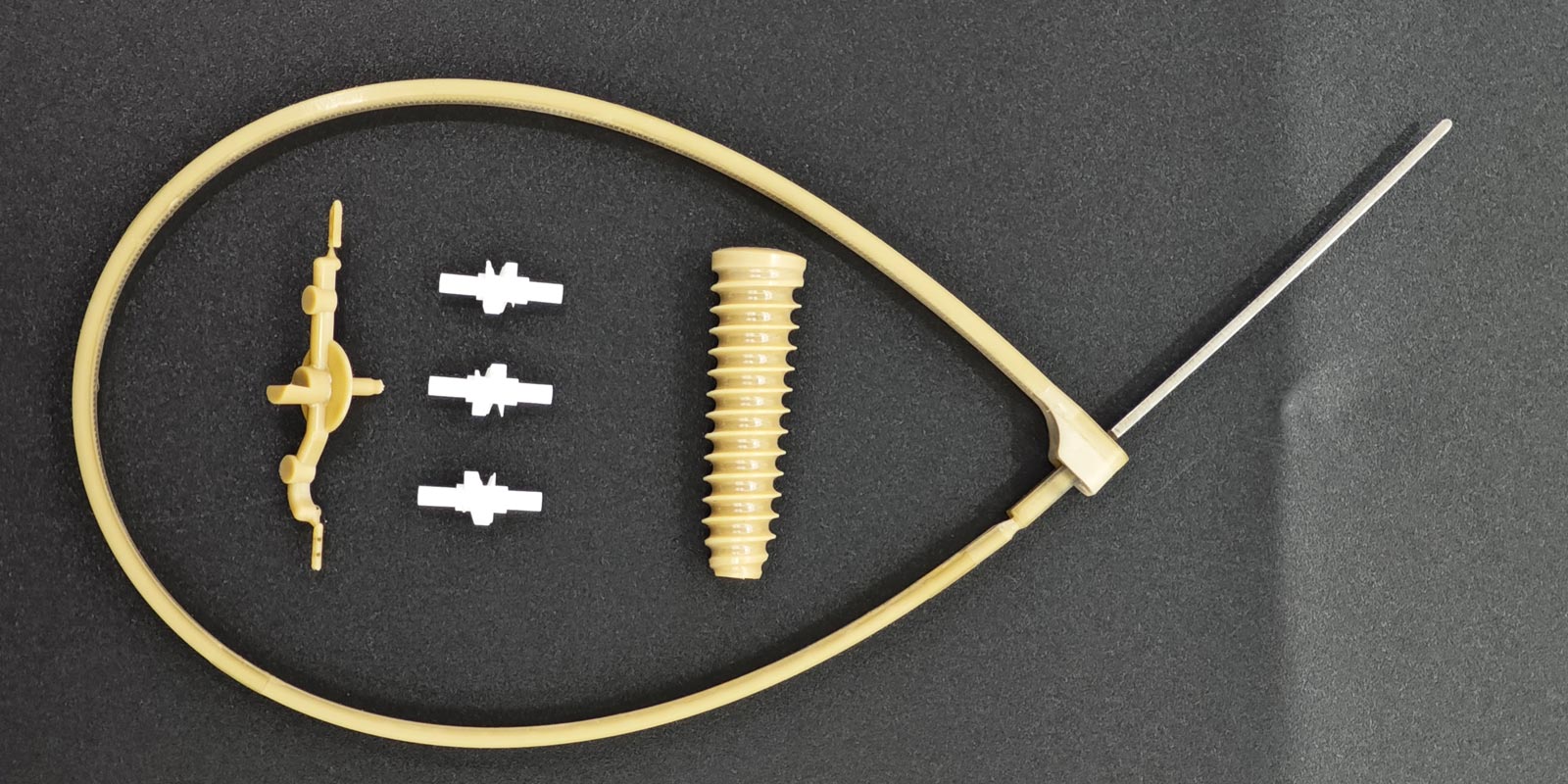
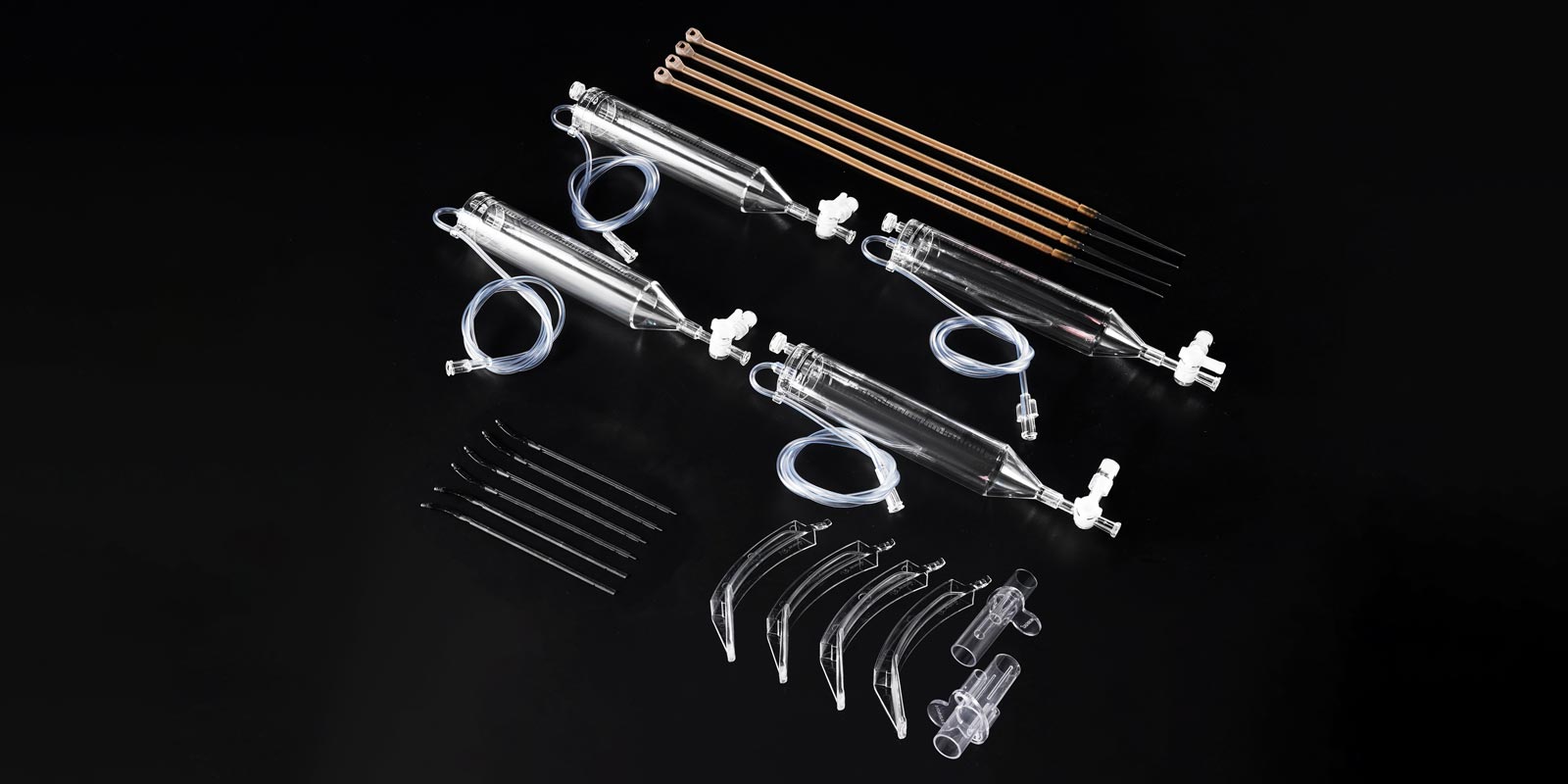
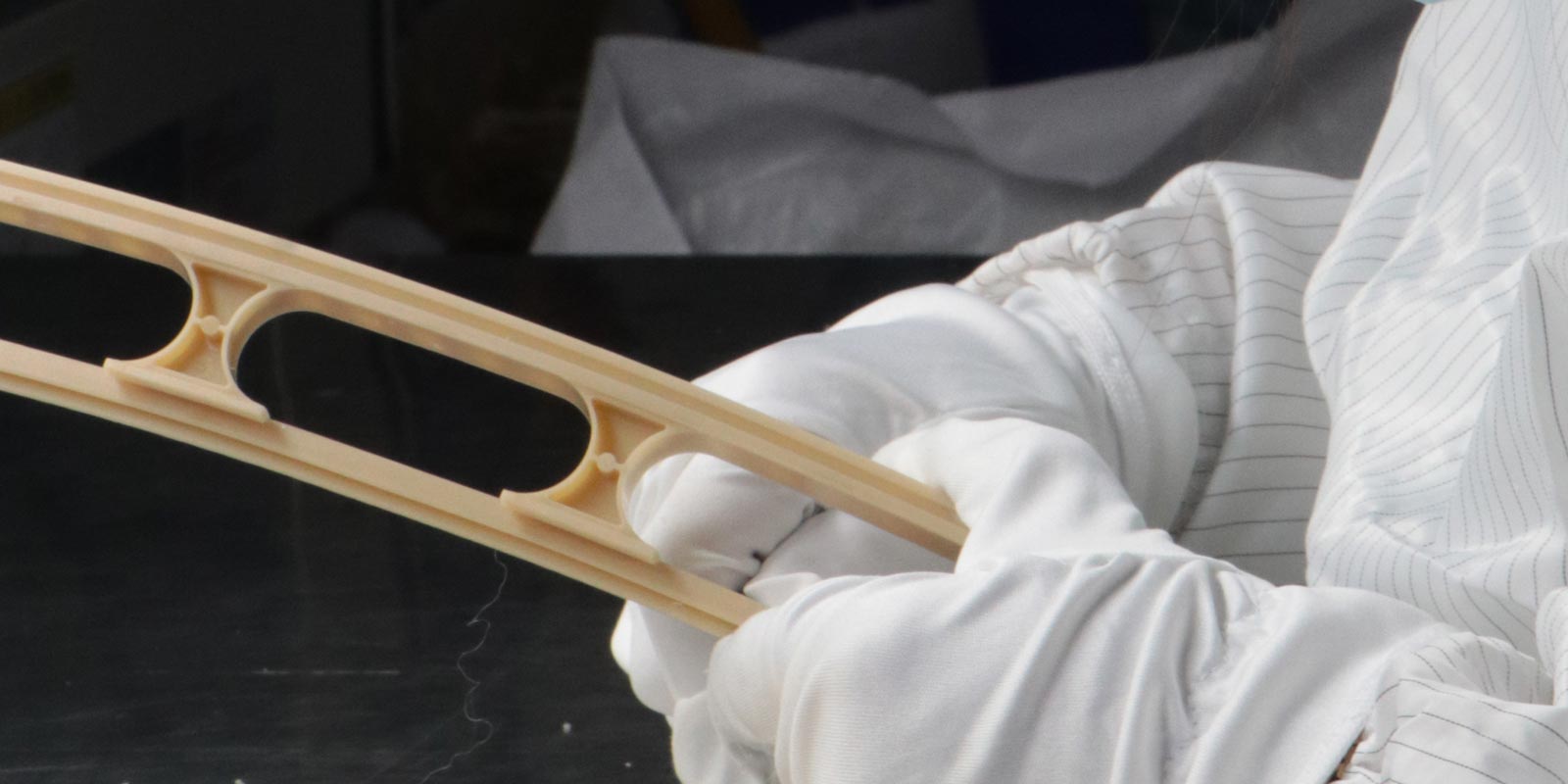
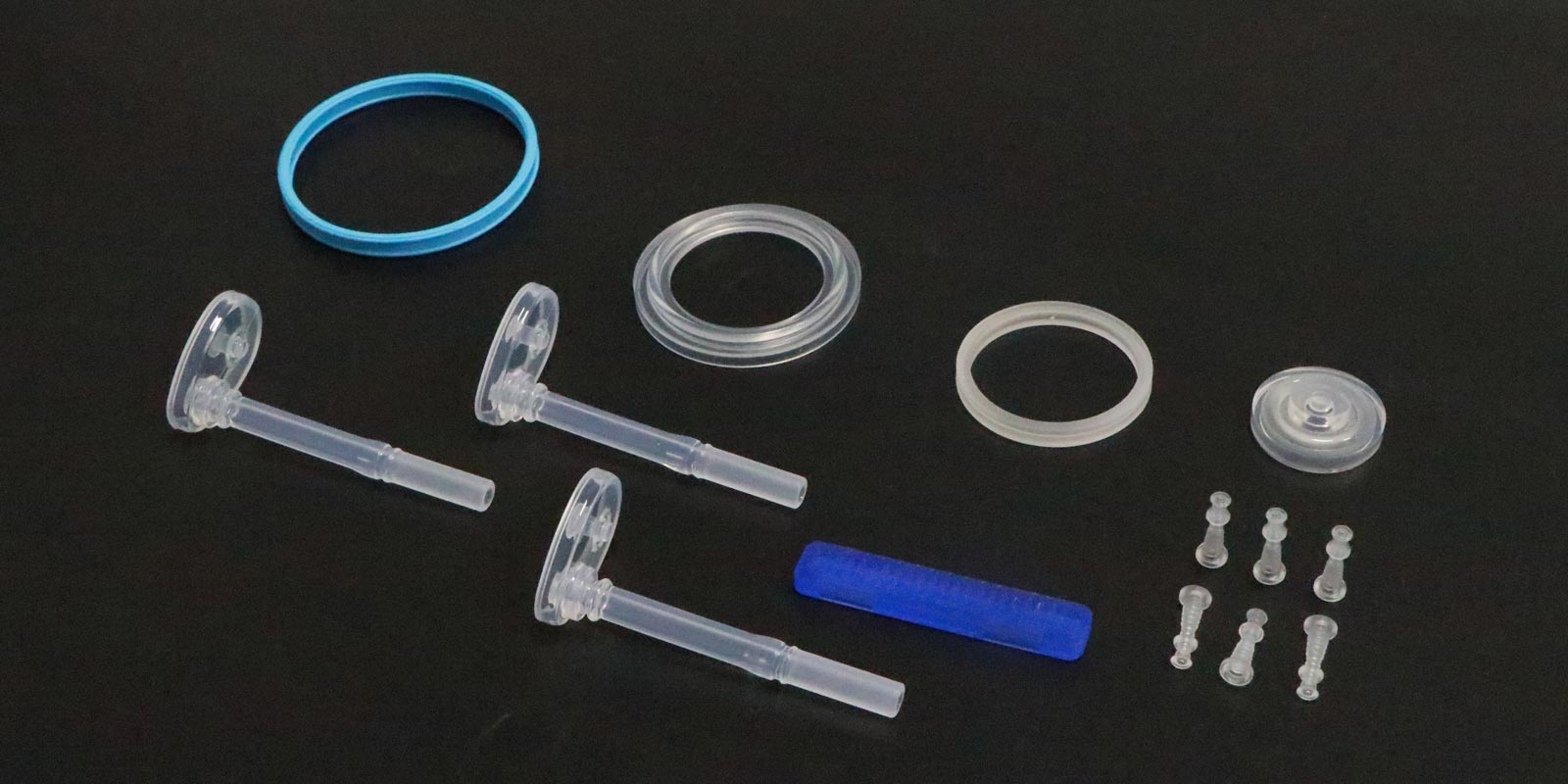



In the field of medical injection molding, shrinkage—often referred to as sink marks or voids—is arguably the most stubborn quality defect. It manifests as localized depressions on the surface of the part, commonly found in thick-walled areas, behind ribs, and behind boss columns. For precision medical devices such as pacemaker housings, IV drip chambers, and insulin syringe components, even a deviation of a few tenths of a millimeter can lead to assembly failure, loss of function, or even endanger patient safety.
So what is the root cause of shrinkage in medical injection molded parts? The answer is: it is never the result of a single factor, but rather a systematic battle centered on "pressure transfer" and "cooling balance."
Uneven wall thickness is the primary culprit. When thin-walled sections cool and solidify first while thick-walled sections are still shrinking, the melt in the thick areas cannot be effectively replenished, inevitably forming depressions. This is especially true when the thickness of a rib exceeds 50% of the main wall thickness—sink marks will almost certainly appear on its back side.
Abrupt transitions are equally fatal. If there is no smooth radius transition between thick and thin walls, stress concentration and uneven cooling will occur, making the shrinkage problem even worse.
In addition, if a part has locally excessive wall thickness that was not designed according to the material's shrinkage standards, shrinkage is unavoidable.
The gate is the lifeline for shrinkage compensation. If the gate size is too small, it will freeze prematurely, directly cutting off the transfer of holding pressure and the replenishment path. If the gate location is not set at the thickest section and the melt flow path is too long, pressure dissipates during transfer, and distant areas naturally cannot receive effective compensation.
Poor cooling system design is a silent killer. Uneven distribution of mold cooling channels or water channels placed too far from the cavity will cause different parts of the part to cool at different rates, resulting in inconsistent shrinkage that ultimately reveals itself as sink marks on the surface.
Inadequate venting must not be overlooked either. Trapped air hinders melt flow and filling, which not only causes shrinkage but can also trigger a chain of defects such as bubbles and silver streaks.
Insufficient holding pressure and time is the most critical issue on the process side. The purpose of the holding phase is to compact the melt and compensate for shrinkage. If the pressure is too low or the time is too short, it is equivalent to not providing enough or not providing it long enough—shrinkage is inevitable.
Improper injection speed has a significant impact. If the speed is too slow, the melt front temperature drops too much and viscosity increases, greatly reducing the effectiveness of holding pressure compensation. If the speed is too fast, it may cause flash and excessive internal stress.
Temperature control imbalance is another major problem area. If the barrel temperature is too high, the melt viscosity decreases, and the shrinkage during cooling increases, causing the part dimensions to become smaller. If the mold temperature is too high, the overall shrinkage increases, requiring longer cooling times and higher holding pressures to compensate, making control significantly more difficult.
The shrinkage rates of different plastics vary dramatically. Crystalline plastics such as polypropylene (PP), polyethylene (PE), and nylon (PA) can have shrinkage rates ranging from 1.5% to 3.6%, while amorphous plastics such as polystyrene (PS) and ABS have shrinkage rates of only 0.2% to 0.6%. In medical injection molding, if a high-shrinkage material is selected without corresponding adjustments to the mold and process, sink marks are almost a foregone conclusion.
Furthermore, different batches of the same material grade may exhibit shrinkage rate differences due to fluctuations in additive content. Excessive moisture content is equally dangerous—water turns into steam during injection and forms voids after cooling, directly worsening sink marks. Inferior materials with uneven molecular weight distribution can have shrinkage rates 15% to 20% higher than normal materials.
After long-term use, the screw wears down, leading to inaccurate metering and unstable injection volume. Nozzle blockage affects normal melt flow. Insufficient clamping force causes flash while also triggering shrinkage. Wear on the three small components (nozzle, barrel, and screw) is a hidden driver of shrinkage.
On the mold side, wear on the parting line, broken inserts causing excessive wall thickness, and inaccurate mold temperature control can all cause shrinkage problems to recur repeatedly and be extremely difficult to resolve.
Step one: prioritize process parameter optimization. Increase holding pressure and time, adopt staged holding pressure strategies, appropriately adjust injection speed and temperature, and extend cooling time to ensure the part is fully cooled inside the mold before ejection.
Step two: deeply optimize mold and product design. Ensure uniform wall thickness, place gates at thick-walled sections and appropriately increase their size, add cooling water channels in high-risk shrinkage areas, and ensure venting is unobstructed.
Step three: consider material substitution. Choose a low-shrinkage grade or a material filled with mineral fibers (such as talc) to fundamentally reduce the shrinkage tendency.
Step four: if none of the above works, the product structure must be revised—negotiate with the client to reduce wall thickness or adopt a hollow design. This is the only true cure.
Q: What is the difference between shrinkage in medical injection molded parts and ordinary injection molded parts?
A: The core mechanism is the same, but medical injection molded parts have far stricter requirements for dimensional accuracy, appearance, and biocompatibility than ordinary parts. Shrinkage not only affects assembly and function but can also cause surface depressions that harbor bacteria, directly posing a medical safety risk. Therefore, the tolerance for shrinkage in medical injection molding is extremely low, typically requiring control within a very narrow range of wall thickness tolerances.
Q: How do crystalline plastics and amorphous plastics differ in their shrinkage behavior?
A: Crystalline plastics such as PP, PA, and POM have significantly higher shrinkage rates (1.5% to 3.6%), and their degree of crystallinity varies with cooling speed—rapid cooling reduces shrinkage, while slow cooling increases it. Amorphous plastics such as PC and ABS have lower shrinkage rates (0.2% to 0.7%) and are more controllable. This difference must be fully considered when selecting materials for medical injection molding.
Q: How long should the holding time be extended to be sufficient?
A: This can be determined by the weighing method—when the part weight no longer increases with additional holding time, that is the optimal holding time point. Extending beyond this point is not only ineffective but may also cause sticking, flash, or excessive internal stress.
Q: Can shrinkage problems be completely resolved through post-processing?
A: Minor shrinkage can be compensated through finishing processes such as machining or laser etching, but these are after-the-fact remedies. For precision medical devices, the most effective approach is still to start from mold design and process parameters to eliminate shrinkage at the source.
PREV:Why Do Medical Injection-Molded Parts Keep Failing? A Comprehensive Guide
NEXT:Causes and Solutions for Dimensional Instability of Medical Injection Molded Parts
Add: 62 Jinghai East Road, Chang'an Town, Dongguan City, Guangdong Province
Whatsapp: +86 13342659272
Email: Yuliya.chen@yizemould.com

Add: 62 Jinghai East Road, Chang'an Town, Dongguan City, Guangdong Province
Whatsapp: +86 13342659272
Email: Yuliya.chen@yizemould.com
 Home
Home