

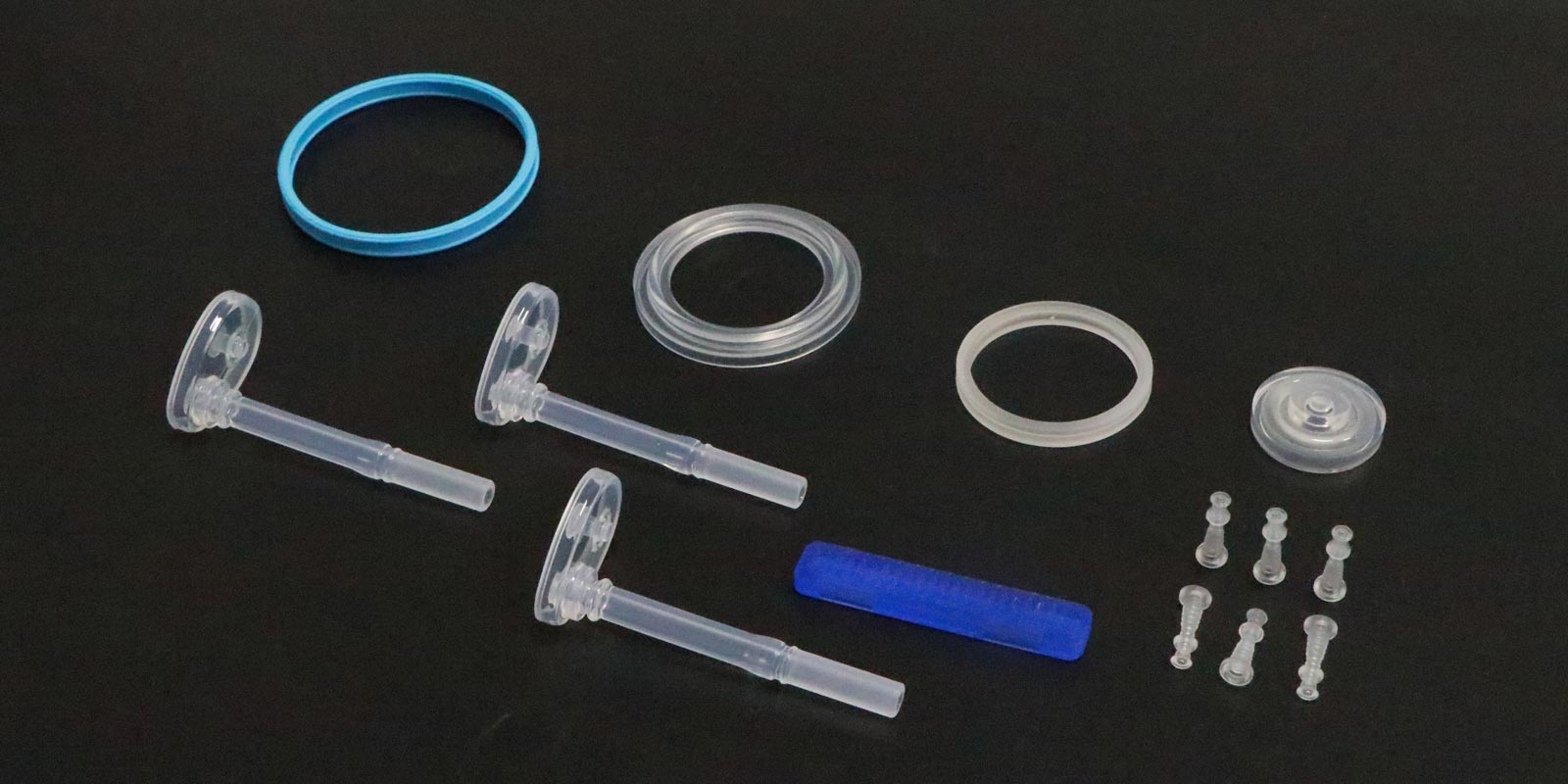
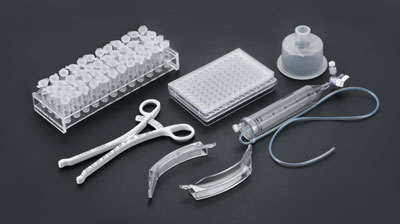



In medical device injection molding production, weld lines are a very common and troublesome quality issue. They not only affect product appearance but can also become stress concentration points, reduce structural strength, and even cause cracking or leakage during use. For medical injection molded parts, this directly relates to product safety and regulatory compliance. So, when weld lines appear on medical injection molded parts, where should we start to optimize?
Weld lines, also known as knit lines, are linear marks formed during the injection molding process when two or more melt streams flow and converge inside the mold cavity but fail to fully fuse due to temperature drop, insufficient fluidity, or other reasons. In medical injection molded parts, because products typically require high precision, high strength, and good sealing performance, the presence of weld lines can seriously compromise product performance.
To solve a problem, you must first find the root cause. Weld lines are typically related to the following factors:
First, the temperature at the melt flow front is too low. When two melt streams converge, if the temperature has already dropped close to the solidification point, the molecular chains cannot fully entangle, resulting in obvious weld lines.
Second, the injection speed is too slow. A slow speed means the melt stays in the cavity for a long time, the temperature drops quickly, fluidity worsens, and the fusion effect at convergence is poor.
Third, the mold design is unreasonable. The gate location, number, and size directly determine the melt flow path. If poorly designed, multiple melt streams converge at unfavorable positions, making weld lines more likely to occur.
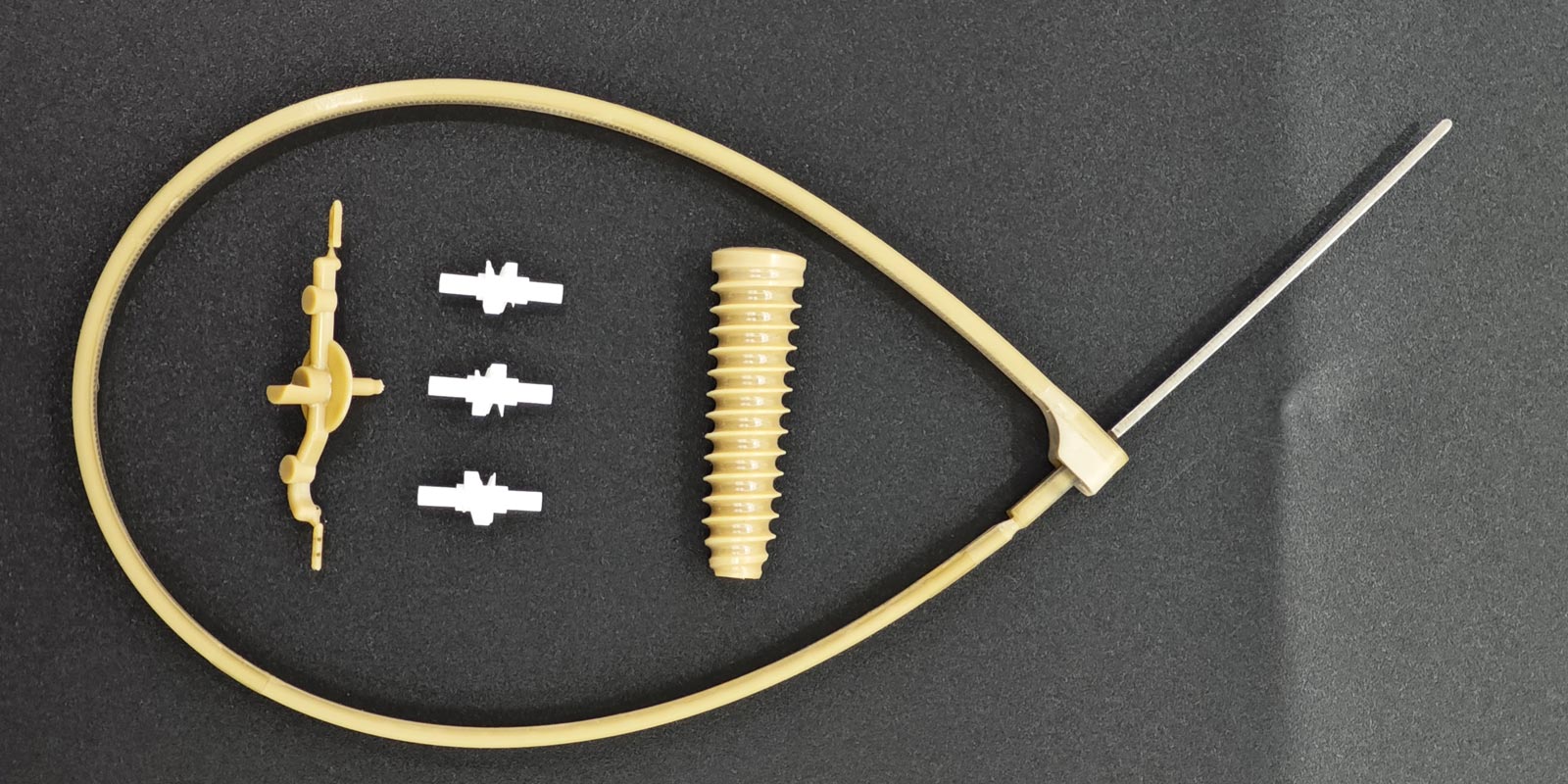
Fourth, the material itself has insufficient fluidity. Certain medical-grade materials such as PEEK, PEI, and other high-performance engineering plastics have inherently high viscosity and relatively poor fluidity, making weld lines more likely.
Fifth, mold venting is inadequate. If gas inside the cavity cannot be discharged in time, it creates gas resistance at the melt convergence point, worsening the weld lines.
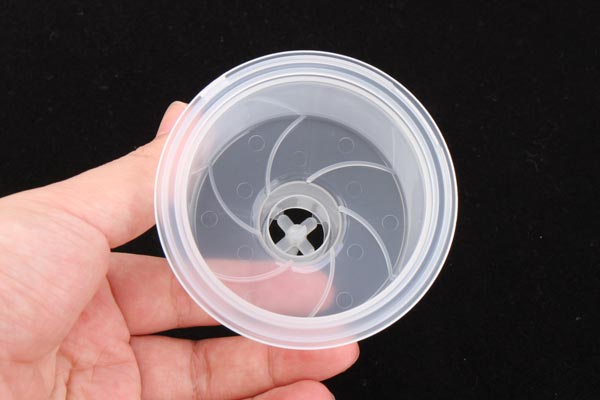
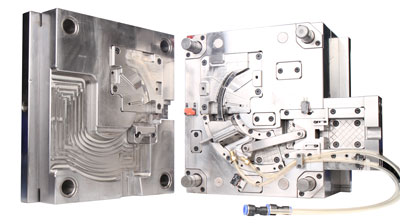
Mold design is the most fundamental approach to eliminating or reducing weld lines. First, gate locations should be set reasonably so that melt streams converge from the same direction as much as possible, avoiding head-on collision of multiple melt streams. Second, the number of gates can be appropriately increased to shorten the melt flow distance, allowing each melt stream to complete convergence while still at a relatively high temperature. In addition, overflow troughs or cold slug wells can be placed at positions where weld lines may appear, guiding the weld lines to areas that do not affect function or appearance.
Appropriately increasing the barrel temperature and mold temperature can effectively improve melt fluidity, keeping the melt at a higher temperature when streams converge, thus improving the fusion effect. At the same time, increasing the injection speed shortens the filling time, allowing the melt to complete filling before the temperature drops significantly. Note that parameter adjustments should be made within the allowable range of the material and mold to avoid introducing other defects.
On the premise of meeting the biocompatibility and performance requirements of medical devices, material grades with better fluidity can be selected. For example, among PEEK materials, the fluidity varies greatly between different manufacturers and grades. Choosing a grade with a higher MFR (Melt Flow Rate) can significantly improve weld line issues. However, it must be ensured that the selected material still meets relevant medical standards such as USP Class VI and ISO 10993.
Add venting grooves at the mold parting surface or insert locations corresponding to where weld lines may appear. The depth is generally controlled between 0.02 and 0.05 millimeters, and the width between 6 and 12 millimeters. Good venting reduces gas interference with melt convergence, making weld lines shallower and less noticeable.
Hot runner systems can eliminate cold runners, keeping the melt flowing at a higher temperature at all times, significantly reducing weld lines caused by temperature drop. For complex medical injection molded parts, hot runners are a highly worthwhile solution.
If slight weld lines still exist after process and mold optimization, they can be improved through post-processing. For example, local annealing treatment on the weld line area can release stress and increase molecular chain entanglement in that region. For products with extremely high appearance requirements, laser welding or ultrasonic welding can also be considered to locally reinforce the weld line area.
Take a medical infusion connector as an example. The product was injection molded with PP material, and due to structural reasons, obvious weld lines existed on the side, causing the sealing test to fail. During optimization, engineers first changed the gate from side entry to top entry, so that the two melt streams converged from the same direction. Second, the mold temperature was raised from 40 degrees Celsius to 60 degrees Celsius, and the injection speed was increased by 20 percent. Finally, venting grooves were added at the weld line location. After optimization, the weld lines were basically eliminated, and the sealing test passed on the first attempt.
The weld line problem on medical injection molded parts needs to be considered comprehensively from multiple dimensions including mold design, process parameters, material selection, and venting systems. There is no universal single solution. Targeted optimization is often needed based on the specific structural characteristics and material properties of the product. In the medical industry, any process change must go through thorough validation and documentation to ensure regulatory compliance.
Q: Do weld lines affect the biocompatibility of medical injection molded parts?
A: Weld lines themselves do not directly alter the chemical composition of the material, so they do not affect biocompatibility. However, the weld line area may have stress concentration, and there is a risk of cracking during long-term use, which may indirectly affect product safety.
Q: Will increasing mold temperature cause product deformation?
A: It is possible. Increasing mold temperature extends the cooling time, which may cause uneven product shrinkage. A balance needs to be found between eliminating weld lines and controlling deformation. If necessary, the holding pressure parameters can be adjusted to compensate.
Q: Must all medical injection molded parts completely eliminate weld lines?
A: Not necessarily. Whether weld lines need to be eliminated depends on their location and the functional requirements of the product. If the weld line is in a non-load-bearing area and does not affect sealing or appearance, it can be accepted. However, if it is located on a critical sealing surface or load-bearing area, it must be eliminated or moved to a non-functional area.
PREV:Why Do Medical Injection-Molded Parts Keep Failing? A Comprehensive Guide
NEXT:How to Deal with Cracks in Medical Injection Molded Parts?
Add: 62 Jinghai East Road, Chang'an Town, Dongguan City, Guangdong Province
Whatsapp: +86 13342659272
Email: Yuliya.chen@yizemould.com

Add: 62 Jinghai East Road, Chang'an Town, Dongguan City, Guangdong Province
Whatsapp: +86 13342659272
Email: Yuliya.chen@yizemould.com
 Home
Home