

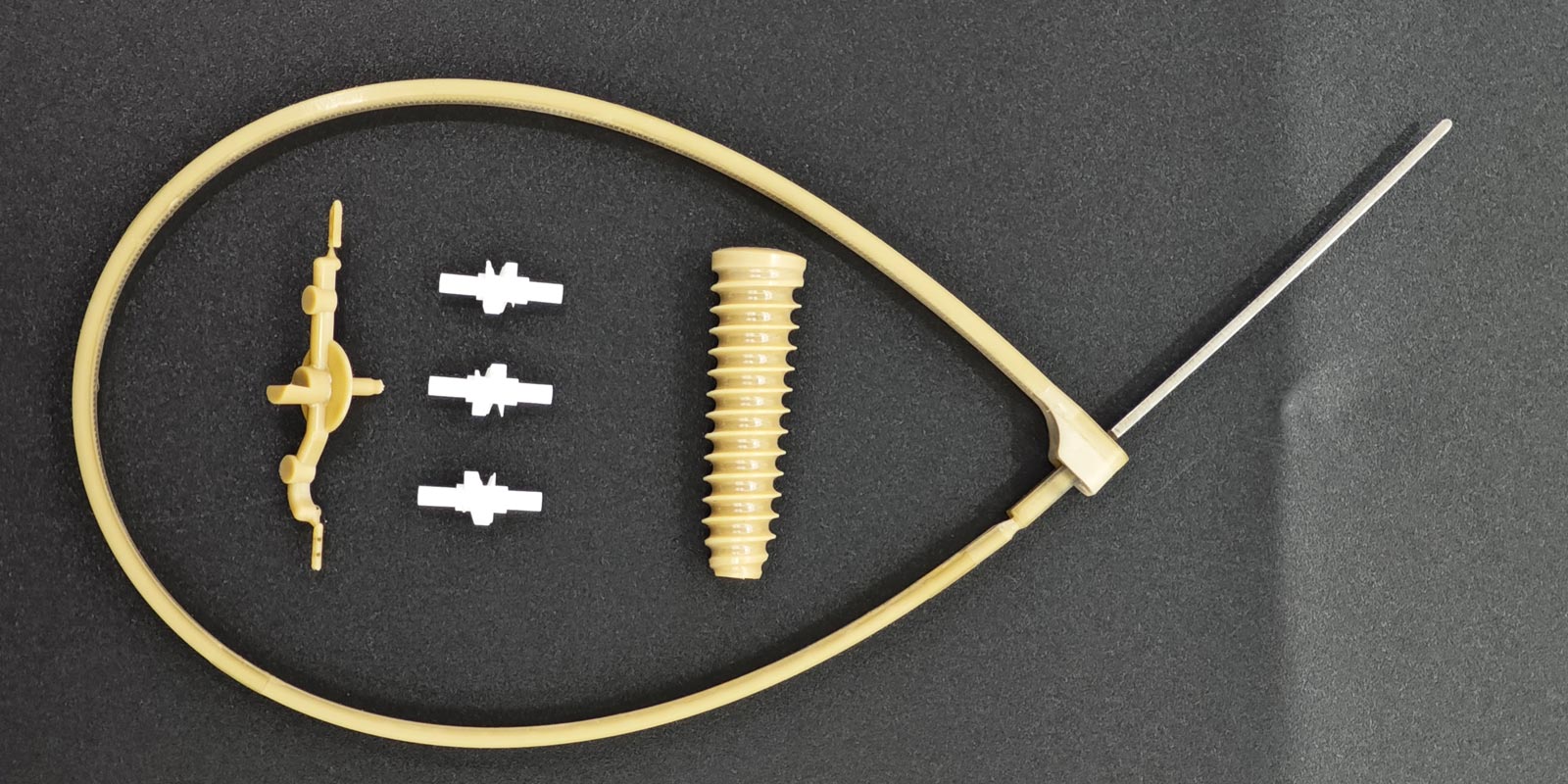
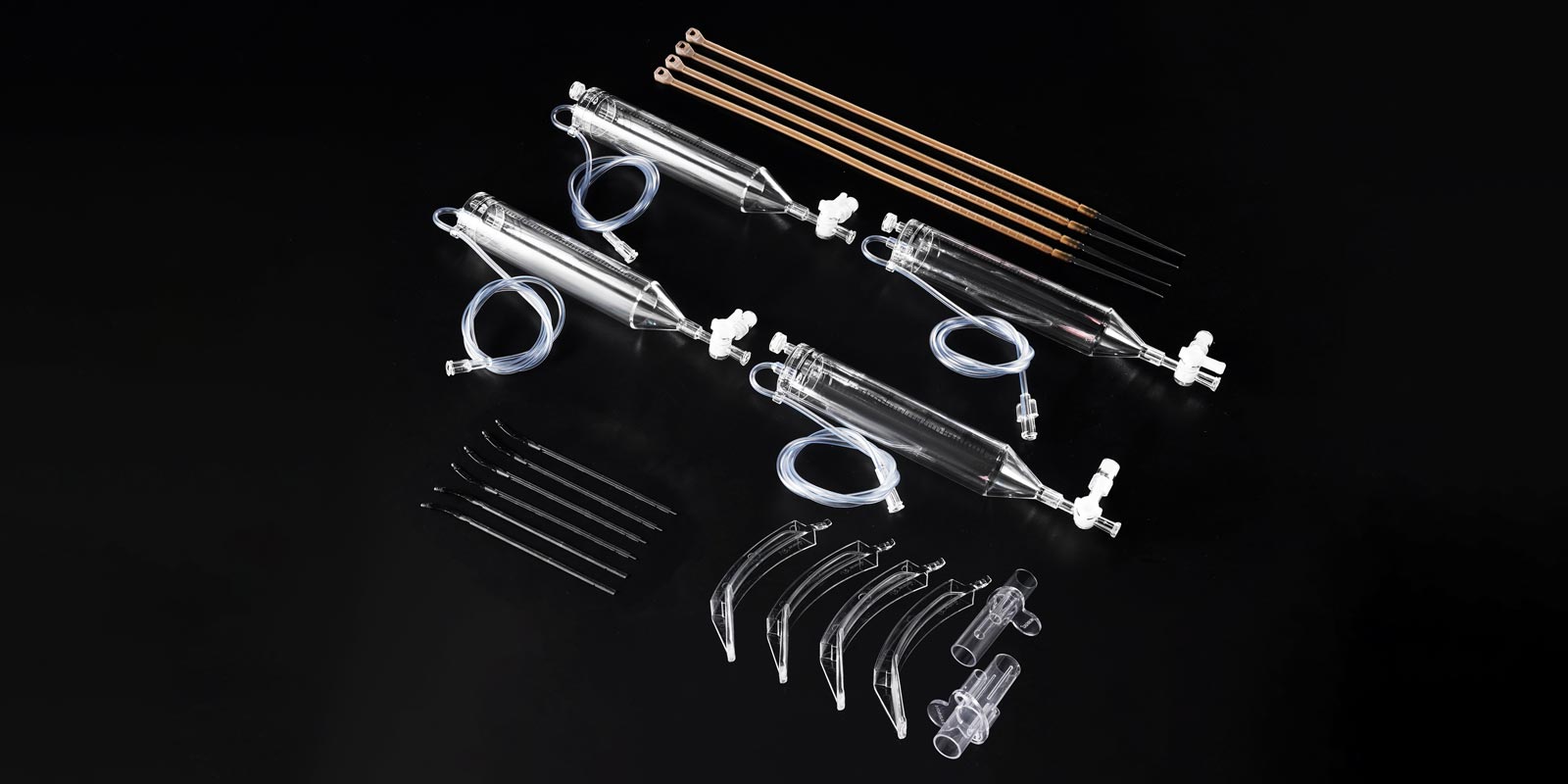
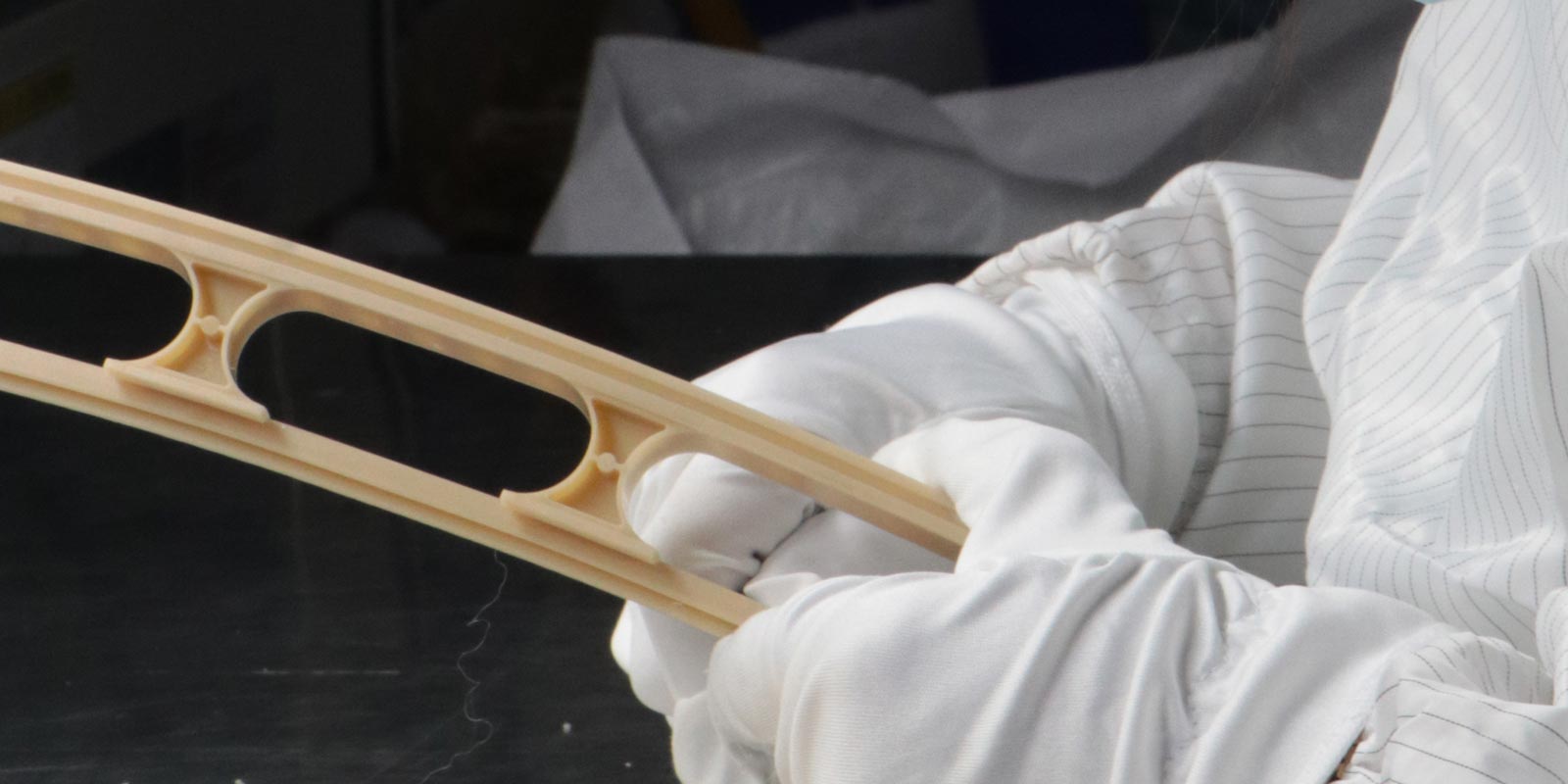
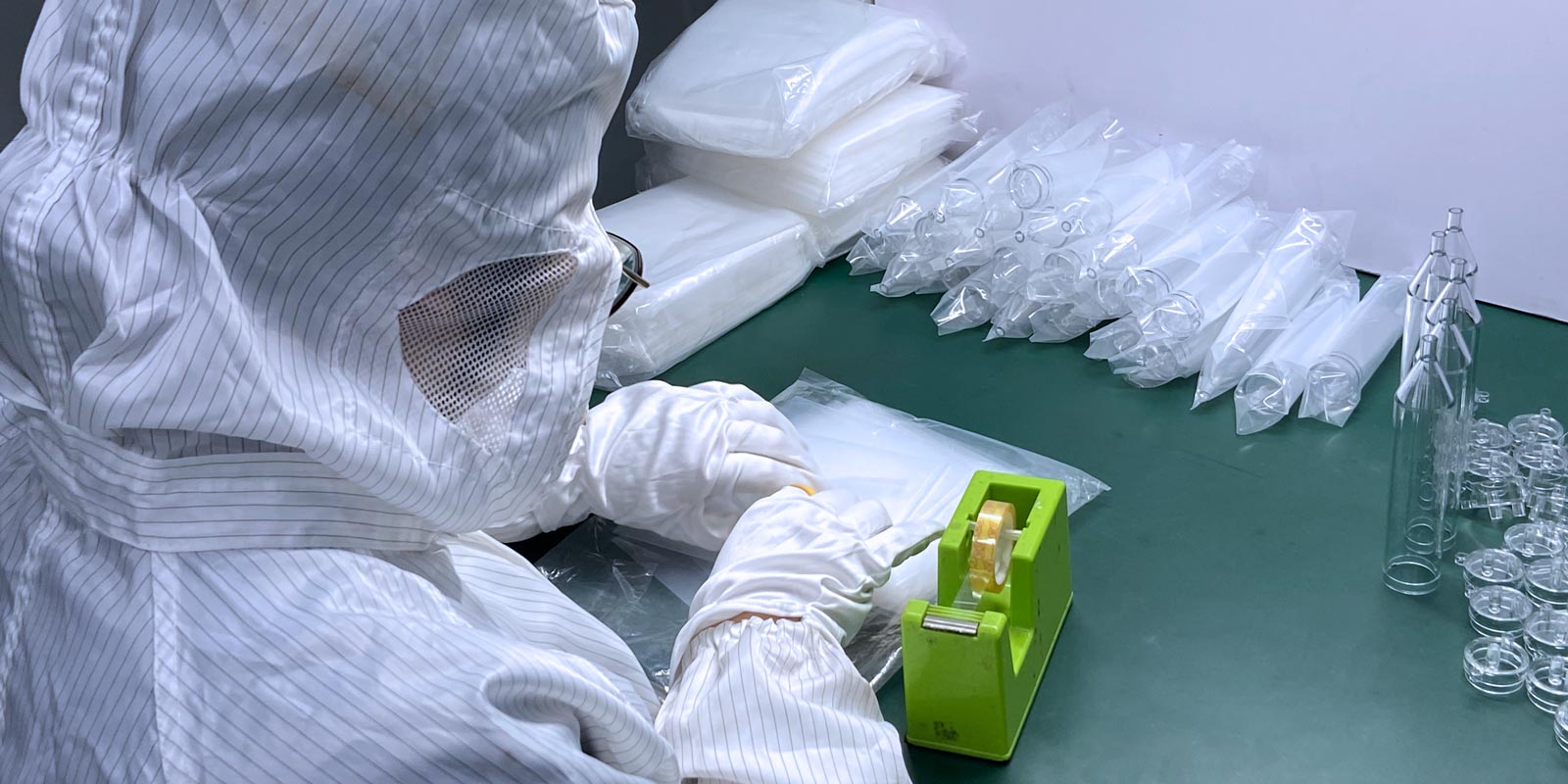
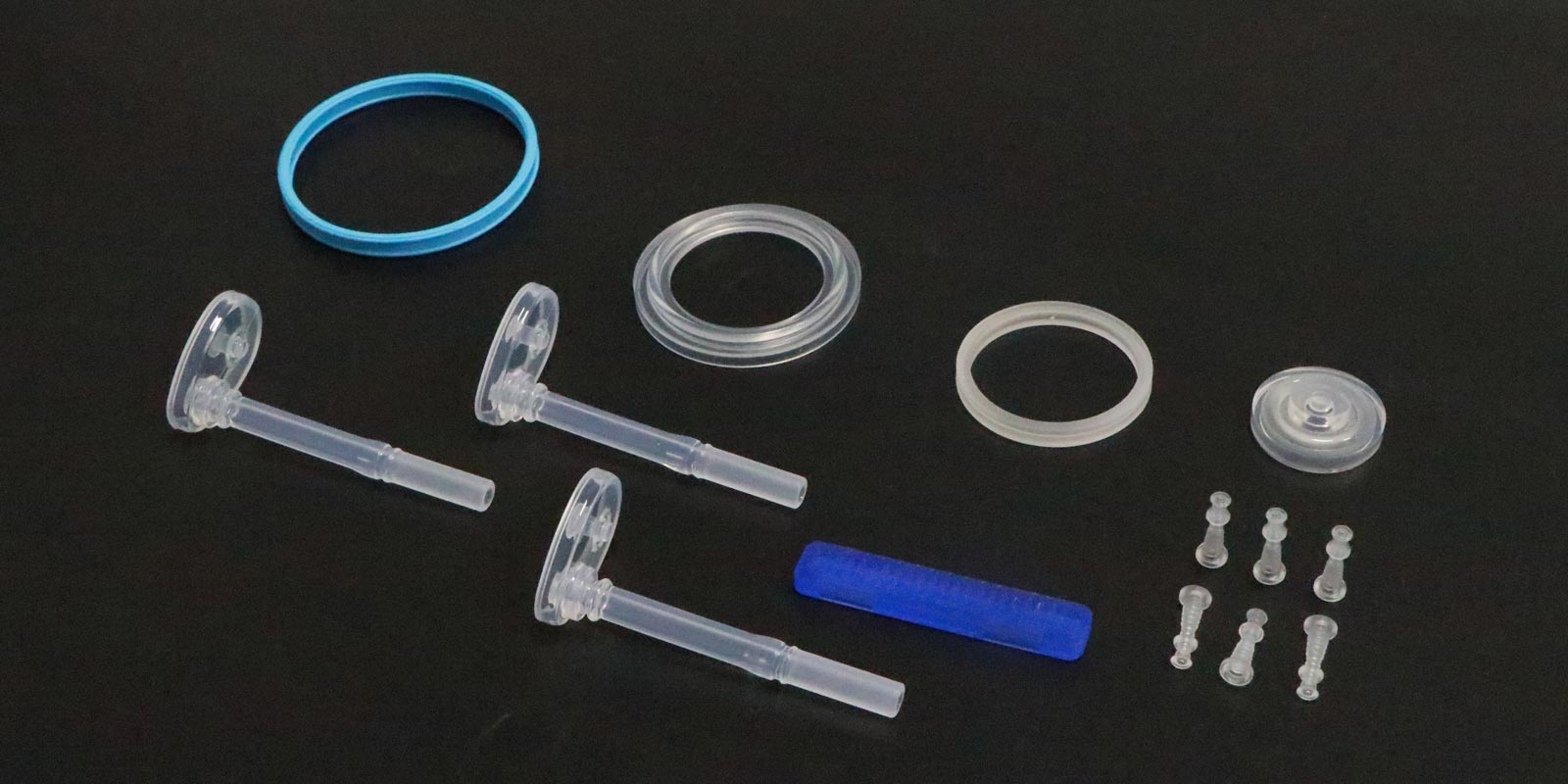
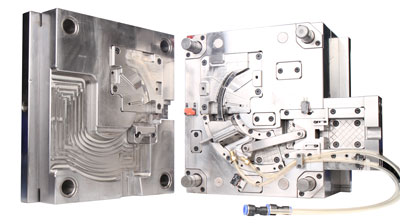
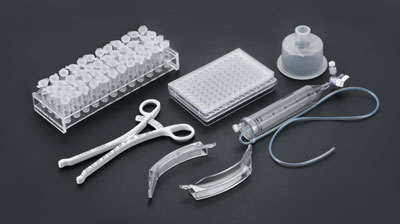



In the field of medical injection molding, product deformation and springback are one of the key issues affecting the quality of finished products. This not only relates to the appearance and dimensional accuracy of the products but also directly impacts their functionality and safety. This article will delve into how to effectively solve the problem of deformation and springback in medical injection-molded products by scientifically adjusting the holding time and pressure.
The deformation and springback of medical injection-molded products are mainly caused by uneven shrinkage during the cooling process of the plastic. When molten plastic is injected into the mold, as the temperature drops, the volume of the plastic shrinks. If the holding pressure is insufficient at this time, the pressure inside the mold cavity cannot be effectively maintained, leading to the formation of voids inside the product and subsequently causing deformation and springback.
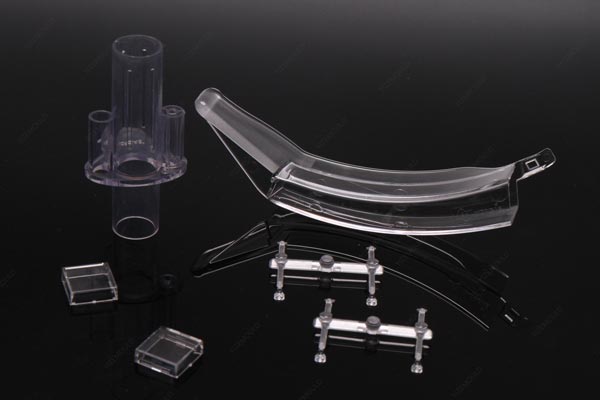
The holding time refers to the period from the end of injection to the complete solidification of the gate, during which the pressure inside the mold cavity remains stable. Its setting should comprehensively consider factors such as material properties, product wall thickness, and mold design.
The holding pressure is a key parameter for maintaining stable pressure inside the mold cavity. Its setting should be based on the injection pressure, typically ranging from 50% to 70% of the injection pressure.
Based on the product characteristics and mold design, initially set the holding time and pressure. For example, for a medical injection-molded part with a wall thickness of 2-3 mm, the holding time can be set to 5-10 seconds, and the holding pressure can be set to 60% of the injection pressure.
After completing the first injection-molded part, carefully observe its appearance and dimensions. If defects such as sink marks or depressions are found, it indicates insufficient holding pressure, and the holding time and pressure should be gradually increased. If defects such as flash or white marks on the ejector pins are found, it indicates excessive holding pressure, and the holding pressure should be appropriately reduced.
Follow the principle of "small-scale incremental/decremental" adjustments. Each adjustment should be controlled within a range of 5-10 MPa (holding pressure) or 1-2 seconds (holding time). After each adjustment, inject 1-2 trial parts and continue adjusting until the product has no sink marks or flash, and its dimensions and appearance meet the standards.
After determining the appropriate holding time and pressure, continuously inject 10-20 parts for batch verification. Check whether the product quality is stable and free from batch-related defects. Once confirmed, fix the parameters as the standard production values.
Q1: What problems can be caused by an excessively long holding time?
A1: An excessively long holding time can increase the internal stress of the product, making it prone to deformation and cracking. At the same time, it extends the production cycle and reduces production efficiency.
Q2: What impact does an excessively high holding pressure have on the product?
A2: An excessively high holding pressure can easily cause defects such as flash and white marks on the ejector pins. It also increases the load on the mold and equipment, shortening their service life.
Q3: How can I determine whether the holding time and pressure are appropriate?
A3: Determine whether the holding time and pressure are appropriate by comprehensively observing the product's appearance (no sink marks or flash), dimensional stability (Cpk > 1.67), and weighing to confirm the material's compactness.
PREV:Why Do Medical Injection-Molded Parts Keep Failing? A Comprehensive Guide
NEXT:How to Deal with Severe Deformation in Medical Injection-Molded Products During Processing?
Add: 62 Jinghai East Road, Chang'an Town, Dongguan City, Guangdong Province
Whatsapp: +86 13342659272
Email: Yuliya.chen@yizemould.com

Add: 62 Jinghai East Road, Chang'an Town, Dongguan City, Guangdong Province
Whatsapp: +86 13342659272
Email: Yuliya.chen@yizemould.com
 Home
Home