




Dongguan Yize Mould Co., Ltd Dongguan Yize Mould Co., Ltd

MENU

Home > About Us > News >Medical Injection Molding >

Solutions to Flash Issues in Medical Injection Molded Products

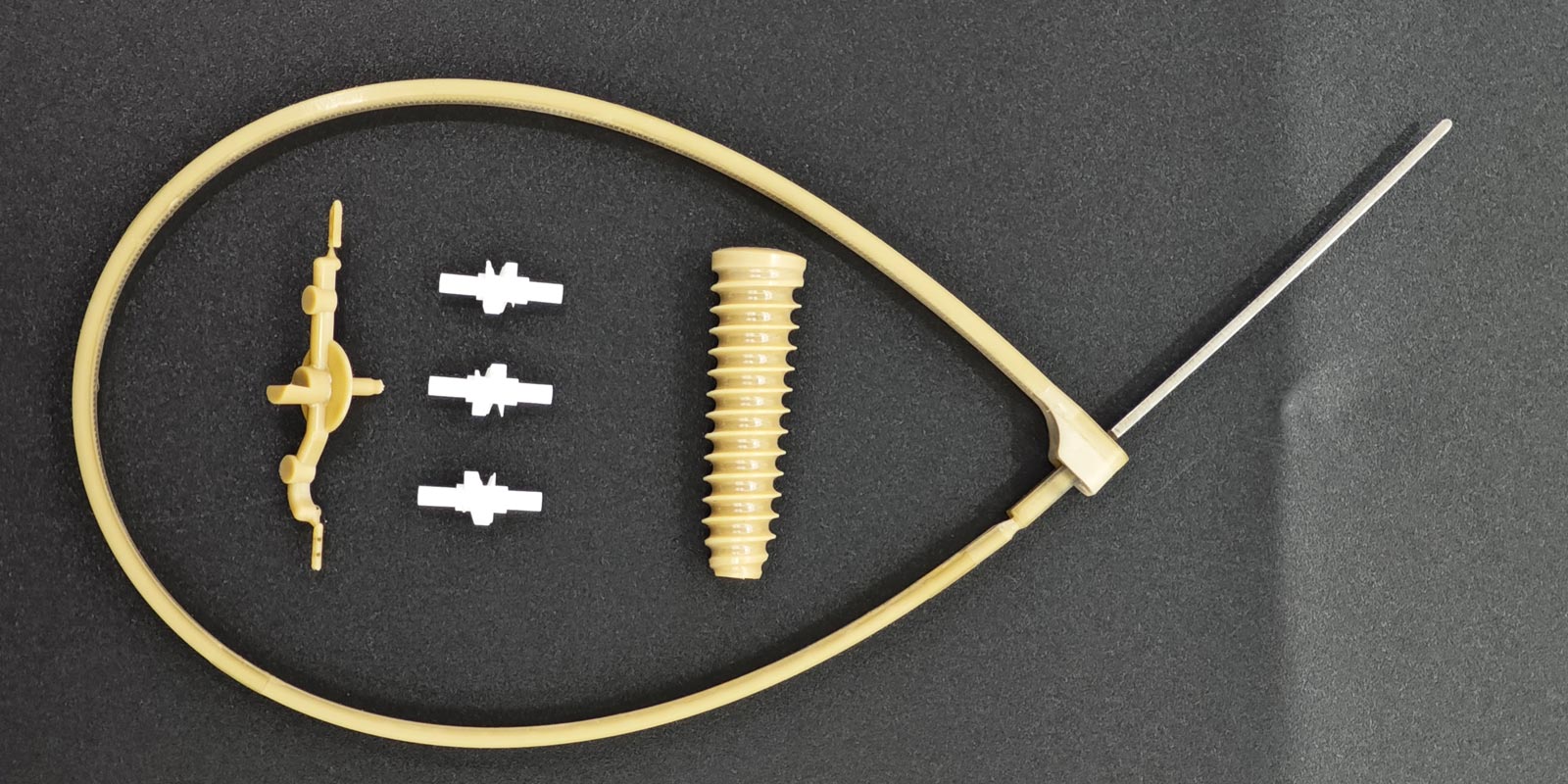
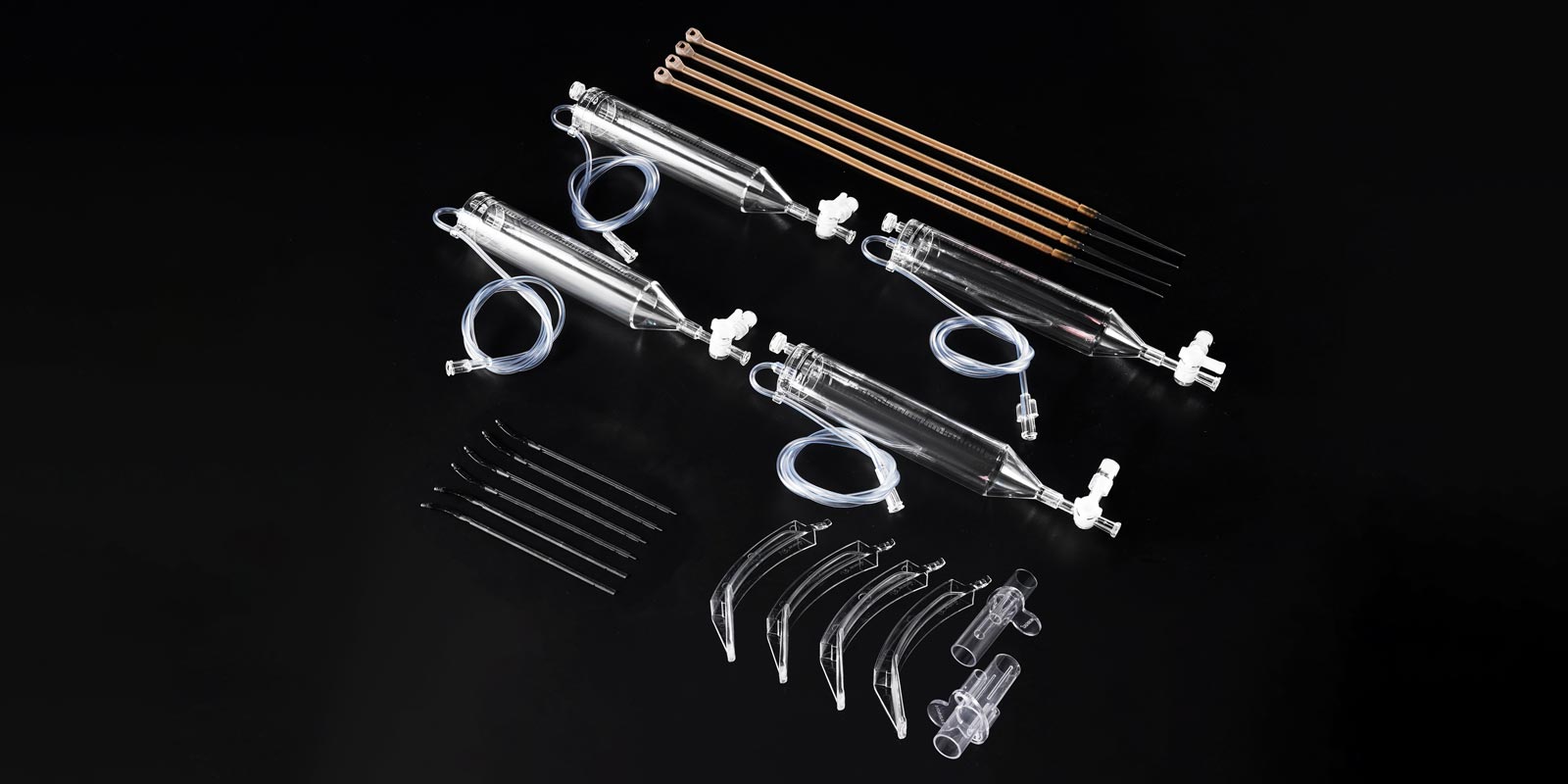
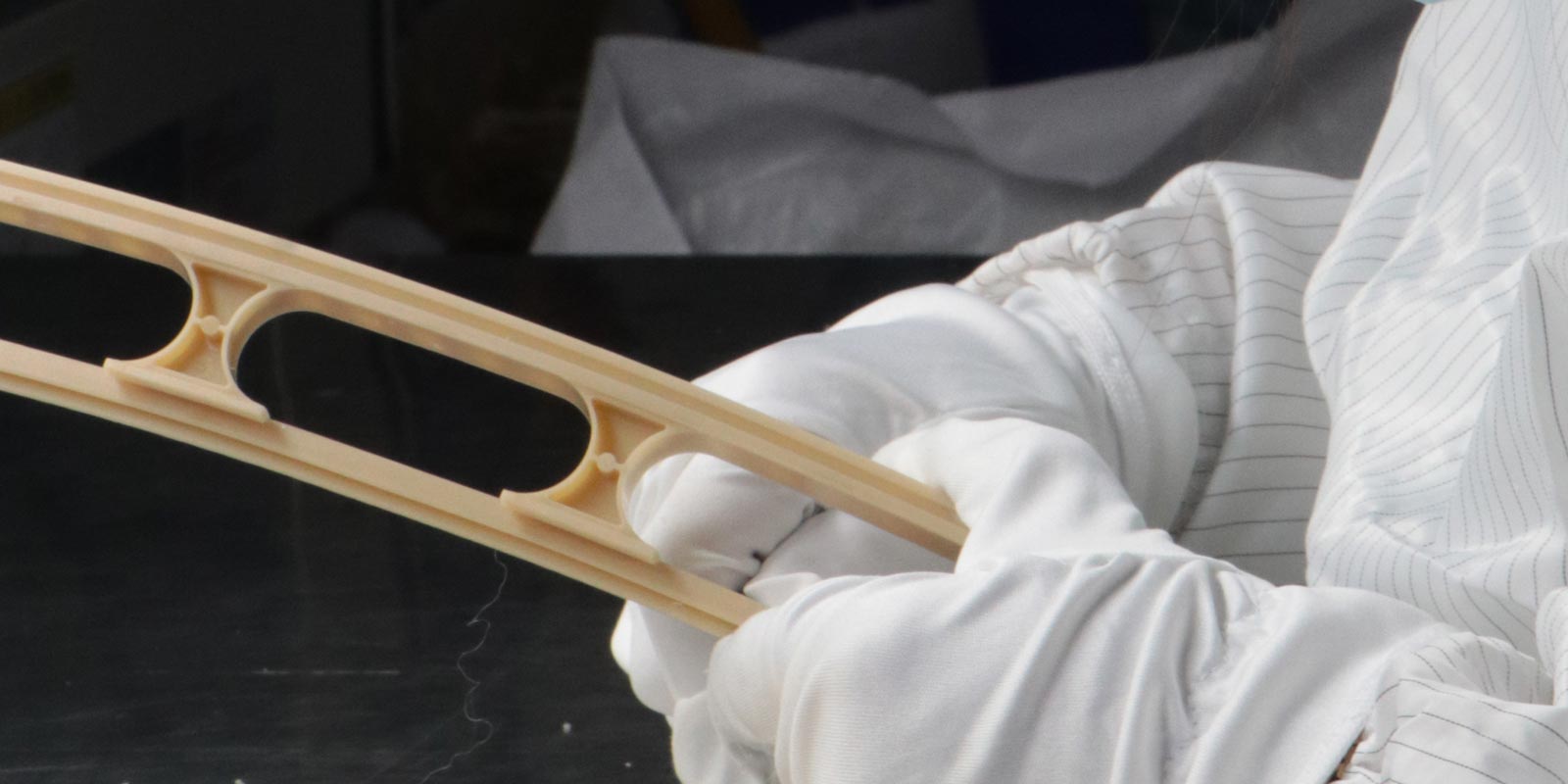
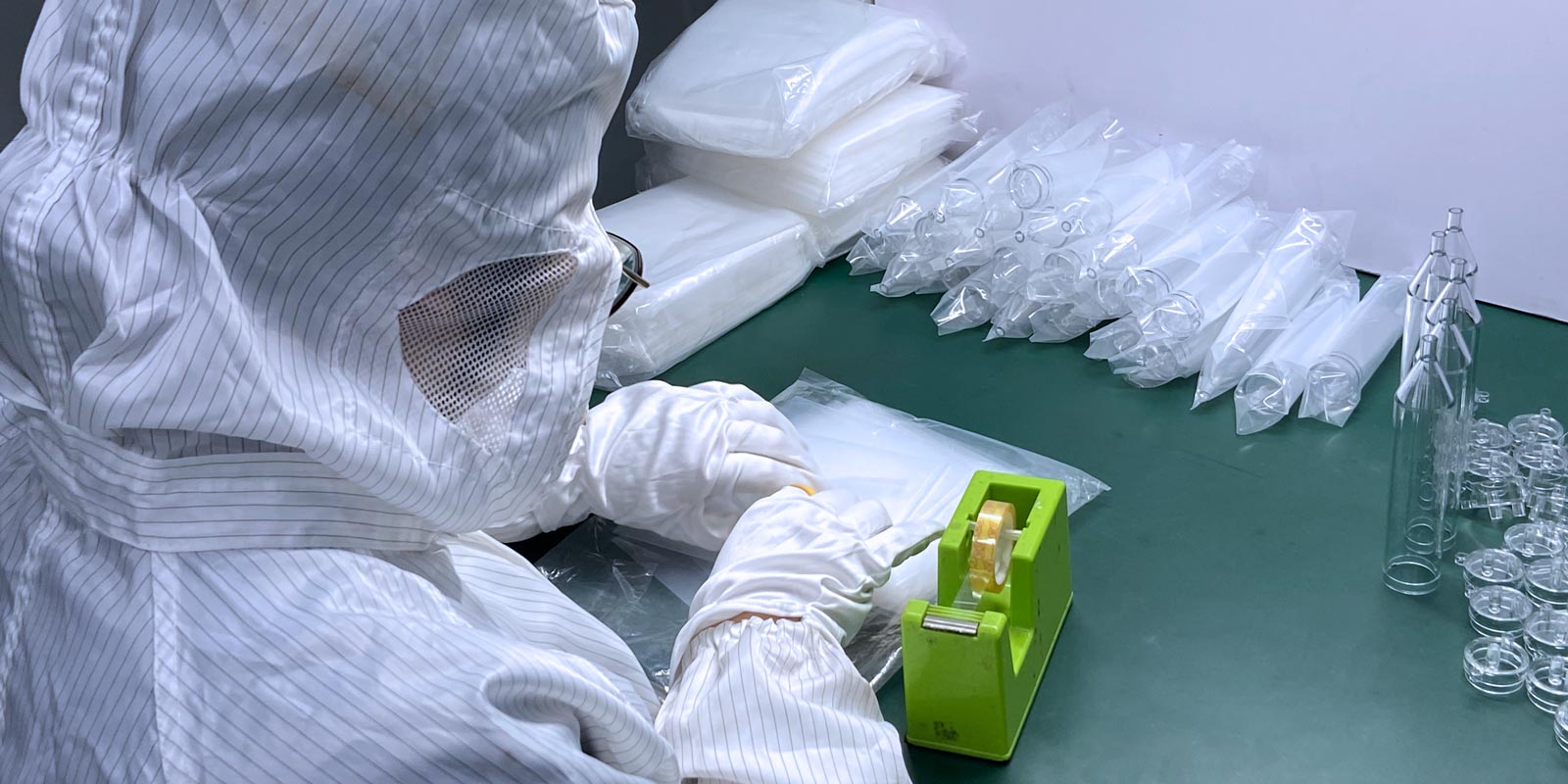
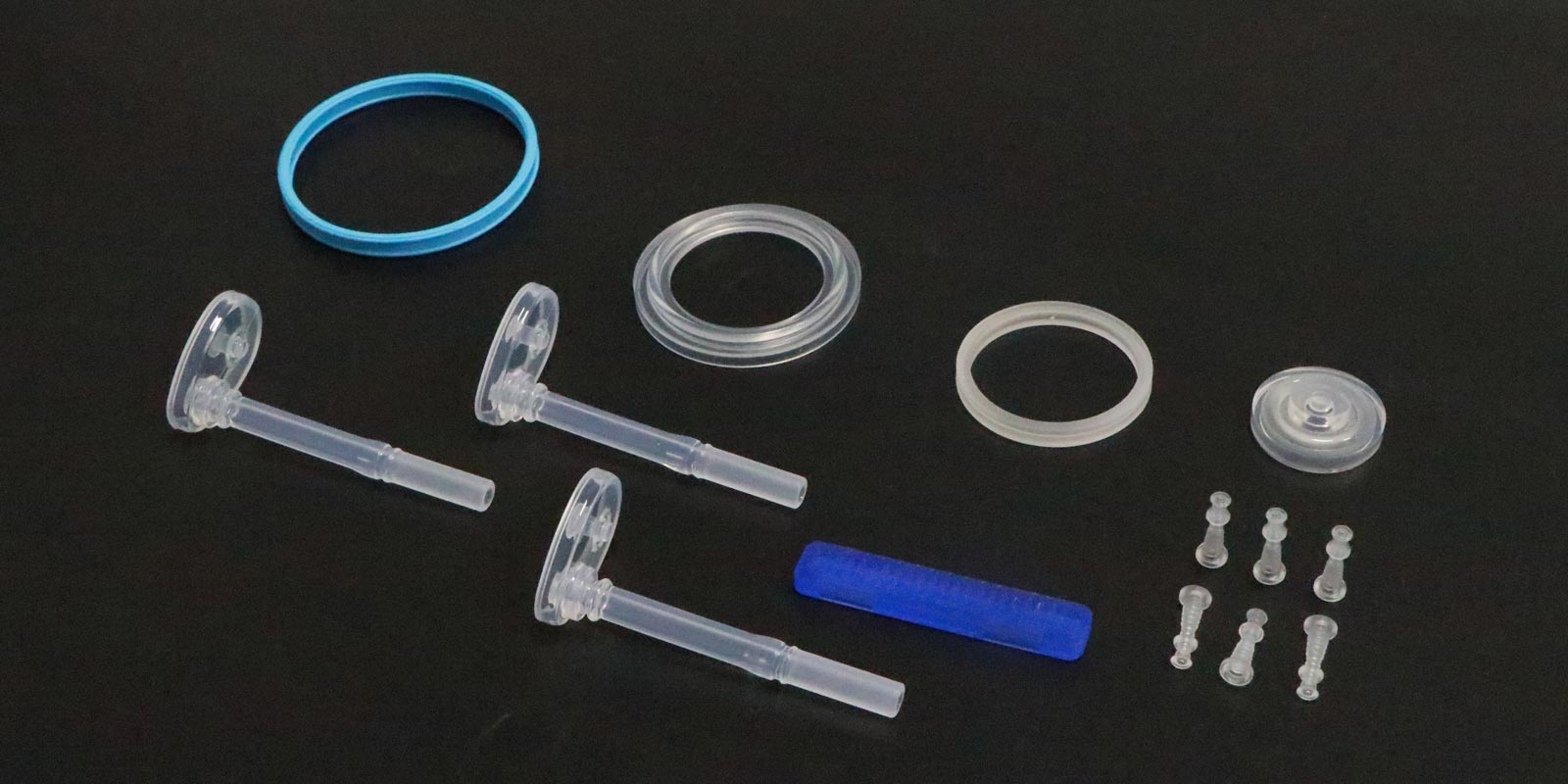
In the field of medical injection molding, product flash (overflow) is a common challenge that compromises quality and regulatory compliance, potentially leading to seal failures, increased cleaning difficulty, and even biocompatibility risks. This article systematically analyzes the root causes of flash issues and provides solutions from three dimensions: process optimization, mold design, and equipment maintenance.
1. Precise Control of Process Parameters

  • Injection Pressure & Speed: Flash often occurs due to excessive injection pressure or speed, causing melt overflow. Optimize parameters through Design of Experiments (DOE) and adopt a multi-stage injection profile (e.g., slow-fast-slow) to reduce pressure at the end of filling.
  • Holding Pressure & Cooling Time: High holding pressure or insufficient cooling can deform mold parting surfaces. Set a reasonable holding curve based on material properties (e.g., PP, PC) and extend cooling time below the material’s heat distortion temperature (HDT).
  • Melt Temperature Control: Overheating reduces melt viscosity, increasing flowability. Use an infrared thermometer to monitor barrel temperature in real time, ensuring it stays within the recommended range (e.g., 220–250°C for PETG).

medical injection molding

2. Mold Design & Maintenance Upgrades

  • Parting Surface Optimization: Inspect mold parting surfaces for flatness and repair worn areas via nitriding or laser cladding to ensure a clearance of ≤0.02mm.
  • Venting System Improvement: Add vent slots (depth: 0.005–0.02mm) in flash-prone areas to prevent trapped air from increasing local pressure.
  • Mold Rigidity Enhancement: Strengthen thin-walled molds with support pillars or a pre-stressed frame structure to minimize elastic deformation during injection.

3. Equipment & Material Management

  • Clamping Force Calibration: Regularly test the injection machine’s clamping force to ensure it is ≥1.2× the theoretical requirement (e.g., a 400T machine should deliver ≥480T).
  • Material Drying: Dry medical-grade materials (e.g., PPSU) at 120°C for 4–6 hours to reduce moisture content to ≤0.02%, preventing abnormal flowability due to hydrolysis.
  • Robot Handling Optimization: Use vacuum suction cups or soft grippers to avoid edge damage during demolding, which can leave flash residues.

FAQ

Q1: What if product dimensions exceed tolerances after flash removal?
A: Recalibrate mold temperature and holding pressure parameters. Inspect mold cores for wear and repair them via Electrical Discharge Machining (EDM) if necessary.

Q2: Are there special requirements for flash removal in biocompatible materials?
A: Yes. Use food-grade polishing agents (e.g., aluminum oxide micropowder) to avoid heavy metal contamination and ensure compliance with ISO 10993 standards.

Q3: How can flash be detected automatically?
A: Deploy machine vision systems (e.g., Keyence CV-X series) with contour detection algorithms to identify flash defects ≥0.05mm thick.

86-0769-81888522

Add: 62 Jinghai East Road, Chang'an Town, Dongguan City, Guangdong Province

Whatsapp: 13302615729

Tel: 86-133-0261-5729

Email: info@yizemould.com

Copyright © 2024 Dongguan Yize Mold Co., Ltd   粤ICP备20053066号

Add: 62 Jinghai East Road, Chang'an Town, Dongguan City, Guangdong Province

Whatsapp: 13302615729

Tel: 86-133-0261-5729

Email: info@yizemould.com

Copyright © 2024 Dongguan Yize Mold Co., Ltd
Website Statement | Privacy Statement | 粤ICP备20053066号
Sitemap
