In the field of medical manufacturing, medical injection molding is an extremely crucial and widely applied technology, providing a solid guarantee for the efficient and precise production of various medical consumables. So, what exactly is the working principle of medical injection molding?
Detailed Working Principles
Medical injection molding is a technology that involves heating and melting medical plastic raw materials and then injecting them into molds for shaping. Its working process mainly covers five key stages:
-
Raw Material Conveying: Medical-grade plastic pellets are precisely fed into the hopper of the injection molding machine. Subsequently, with the help of the rotation of the screw, the raw materials are smoothly and orderly conveyed to the heating cylinder.
-
Heating and Melting: Inside the heating cylinder, through a precisely controlled heating system, the plastic pellets are heated to a molten state. The control of temperature is of utmost importance during this process. Usually, it needs to be maintained within an appropriate range of 160 - 300℃ to ensure that the plastic can be fully melted and its properties remain stable.
-
High-Pressure Injection: The molten plastic, under the strong propulsion of the screw, is injected into the closed mold cavity at a high injection pressure of up to 100 - 150MPa. This stage requires extremely high precision in pressure control to ensure that the plastic can completely fill the mold and avoid defects such as short shots.
-
Cooling and Solidification: The plastic in the mold cavity undergoes cooling for a certain period and gradually solidifies and takes shape. The cooling process needs to precisely control the cooling time and cooling method according to the characteristics of the plastic and the requirements of the product to ensure that the product has stable dimensions and excellent properties.
-
Part Ejection: After the plastic is completely cooled and solidified, the mold opens, and the molded medical part is smoothly ejected by the ejection mechanism, completing a complete processing cycle.
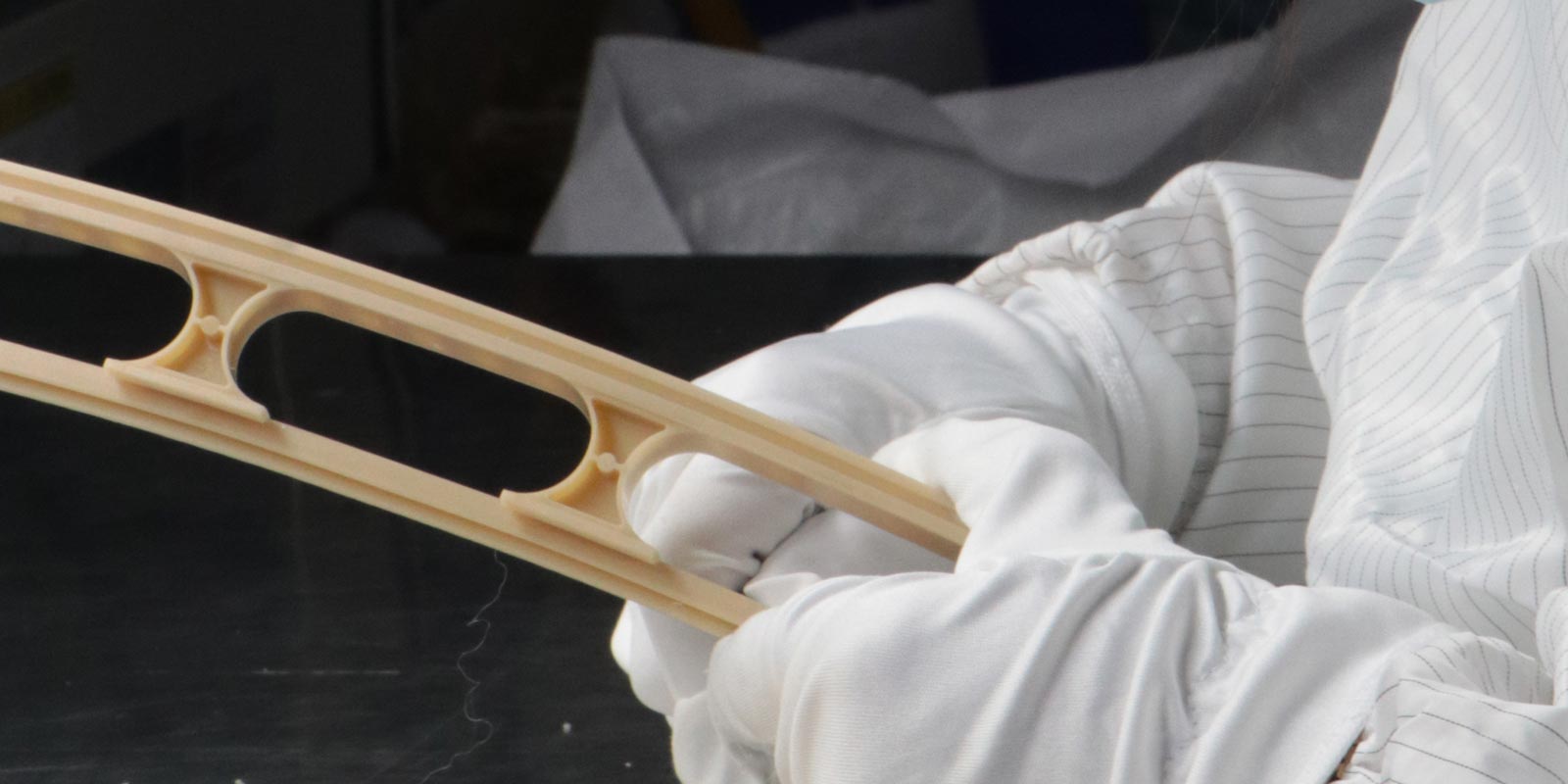
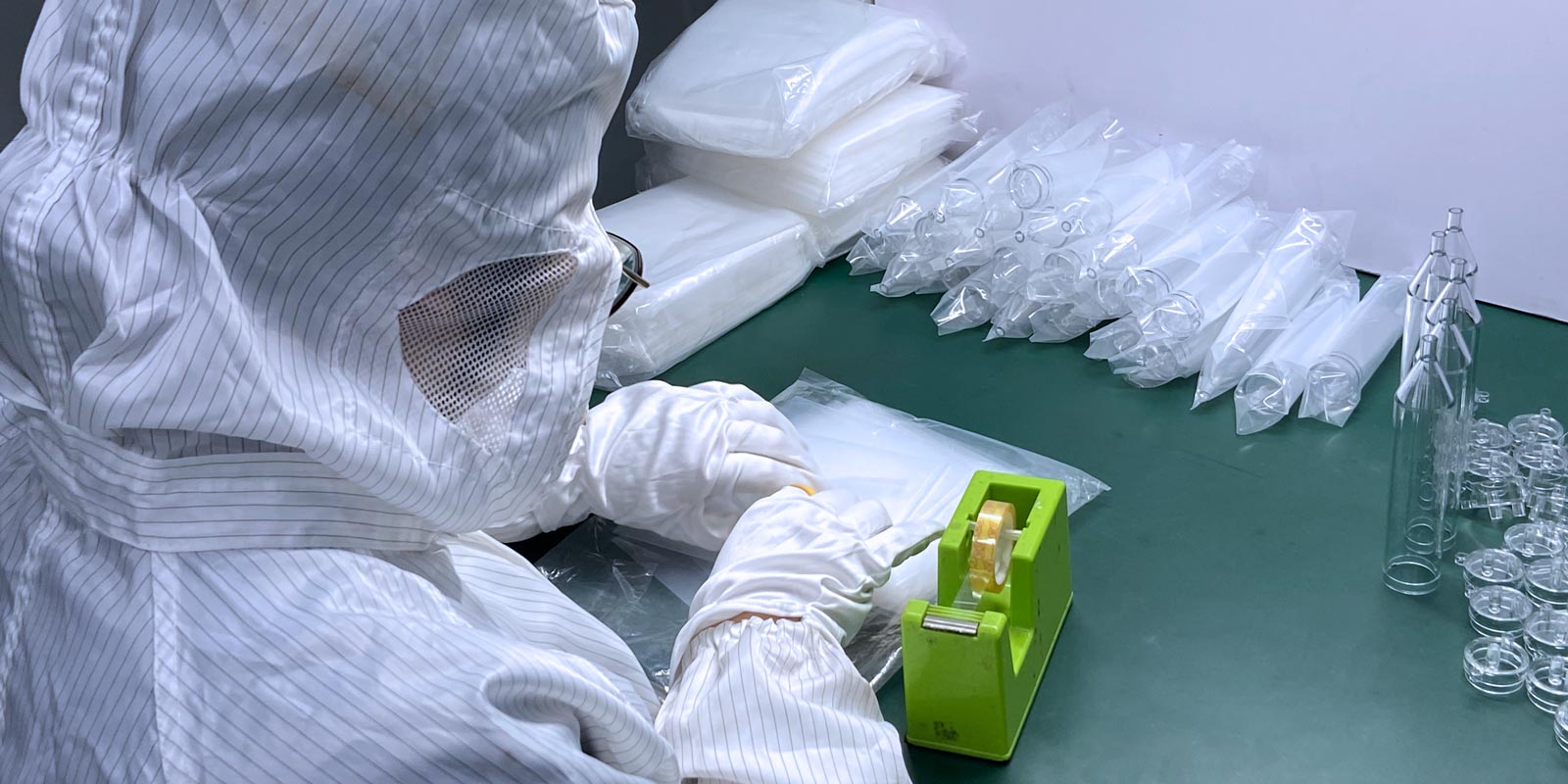
It should be noted that the entire medical injection molding process must be carried out in a strictly clean environment. From the storage of raw materials, the cleaning and maintenance of processing equipment, to the air purification in the production workshop, all aspects need to comply with medical-grade hygiene standards to ensure that the produced products will not pose any potential threats to the health of patients.
Key Control Points
The success of medical injection molding lies in the precise control of each link:
-
Injection Molding Machine Control: An advanced closed-loop control system is adopted, which can monitor and adjust key parameters such as temperature, pressure, and speed in real-time and precisely. Through the precise control of these parameters, the stable performance of the plastic during the processing is ensured, thus producing high-quality medical products with consistent quality.
-
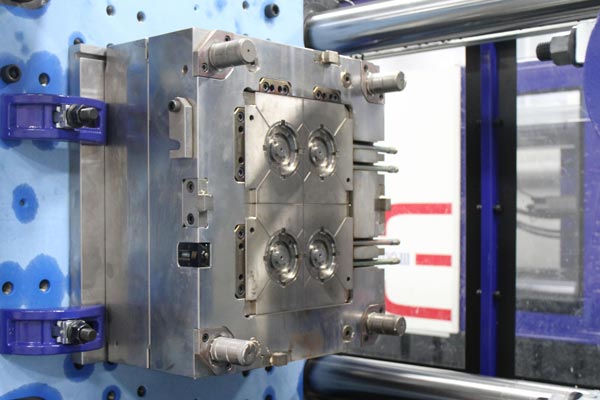
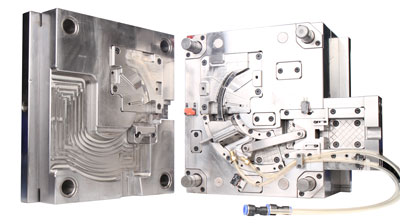
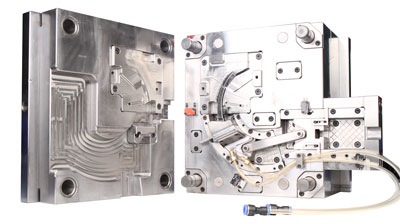
Mold Design and Manufacturing: The mold is the core component of medical injection molding. It is usually made of medical-grade stainless steel, which has good corrosion resistance and mechanical properties and can meet the long-term use requirements of medical products. The surface of the mold is specially treated to achieve the surface finish required by GMP (Good Manufacturing Practice), effectively preventing bacterial growth and ensuring the hygiene and safety of the product. Since medical products have extremely high requirements for dimensional accuracy, generally within ±0.02mm, factors such as the shrinkage rate of the plastic must be fully considered during the mold design stage. Through precise calculations and simulation analysis, the mold structure is optimized to ensure that the dimensional accuracy of the produced products meets the standards.
-
Environmental Cleanliness Control: During the processing, the environmental cleanliness has a crucial impact on the product quality. Some medical products with extremely high cleanliness requirements need to be produced in clean workshops with a class 10,000 or higher standard. Clean workshops use a series of measures such as an efficient air purification system and strict personnel and material access management to effectively control pollutants such as dust particles and microorganisms in the air, providing a clean and stable production environment for medical injection molding.
Application Advantages and Material Selection
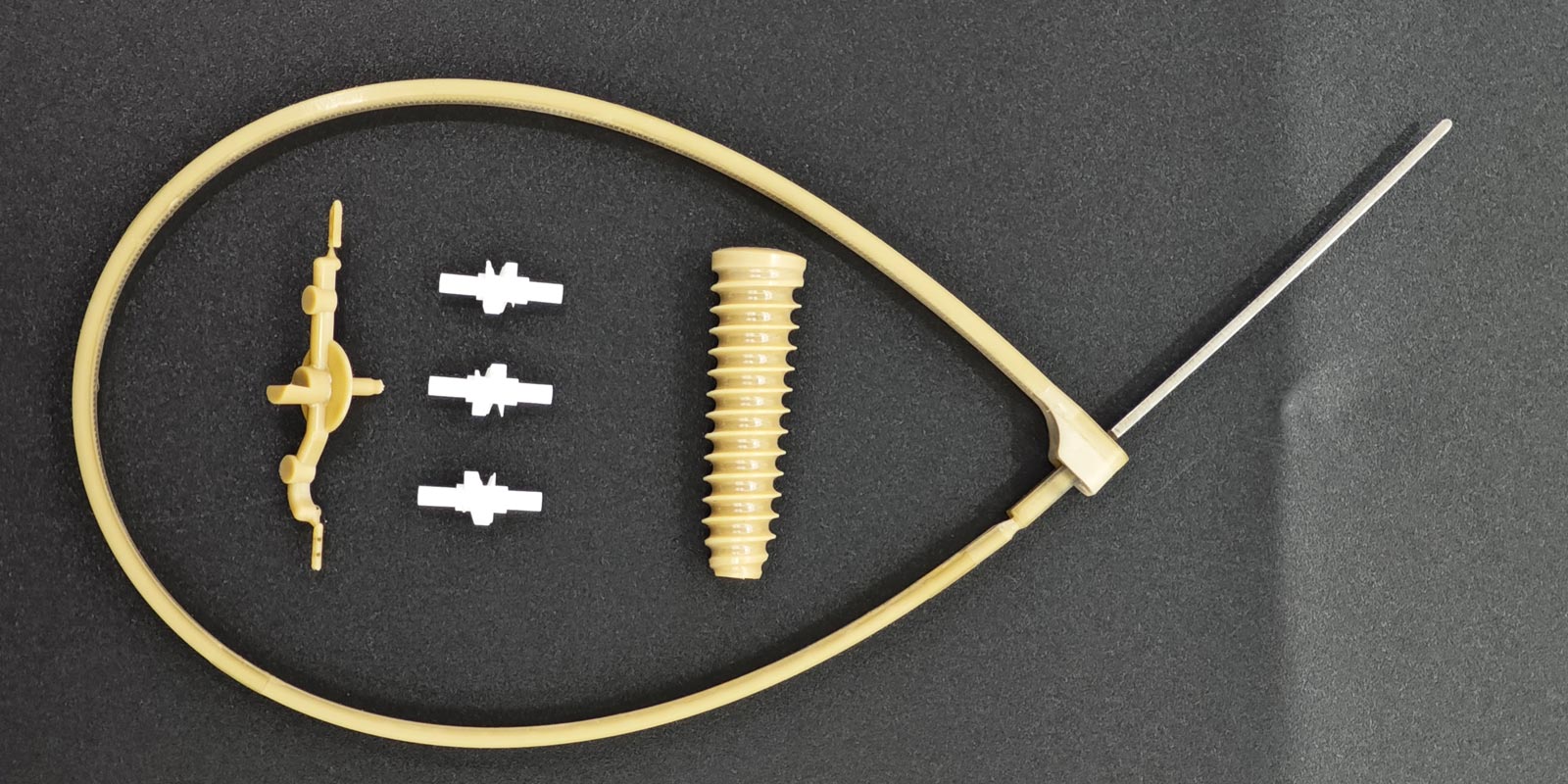
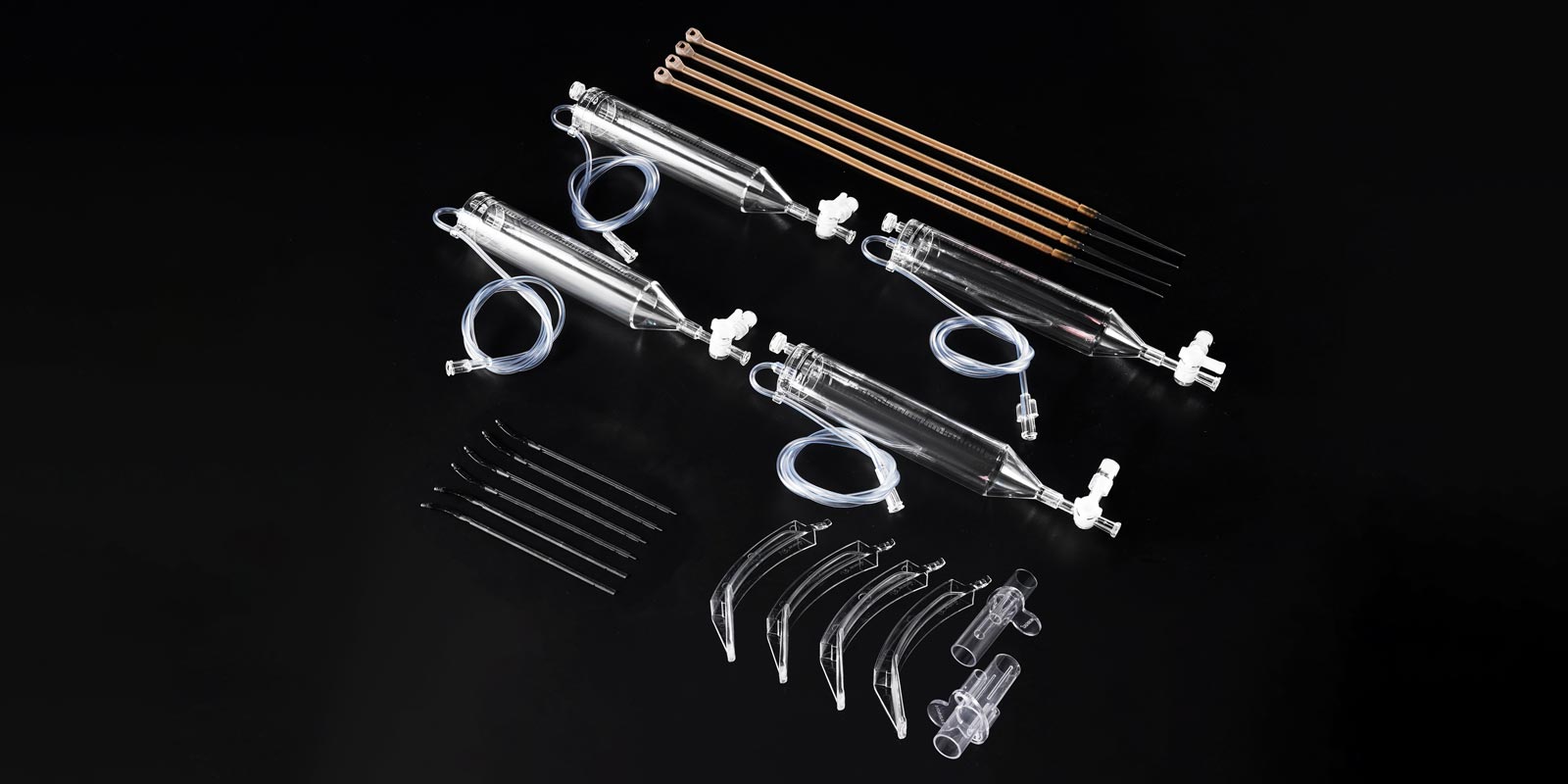
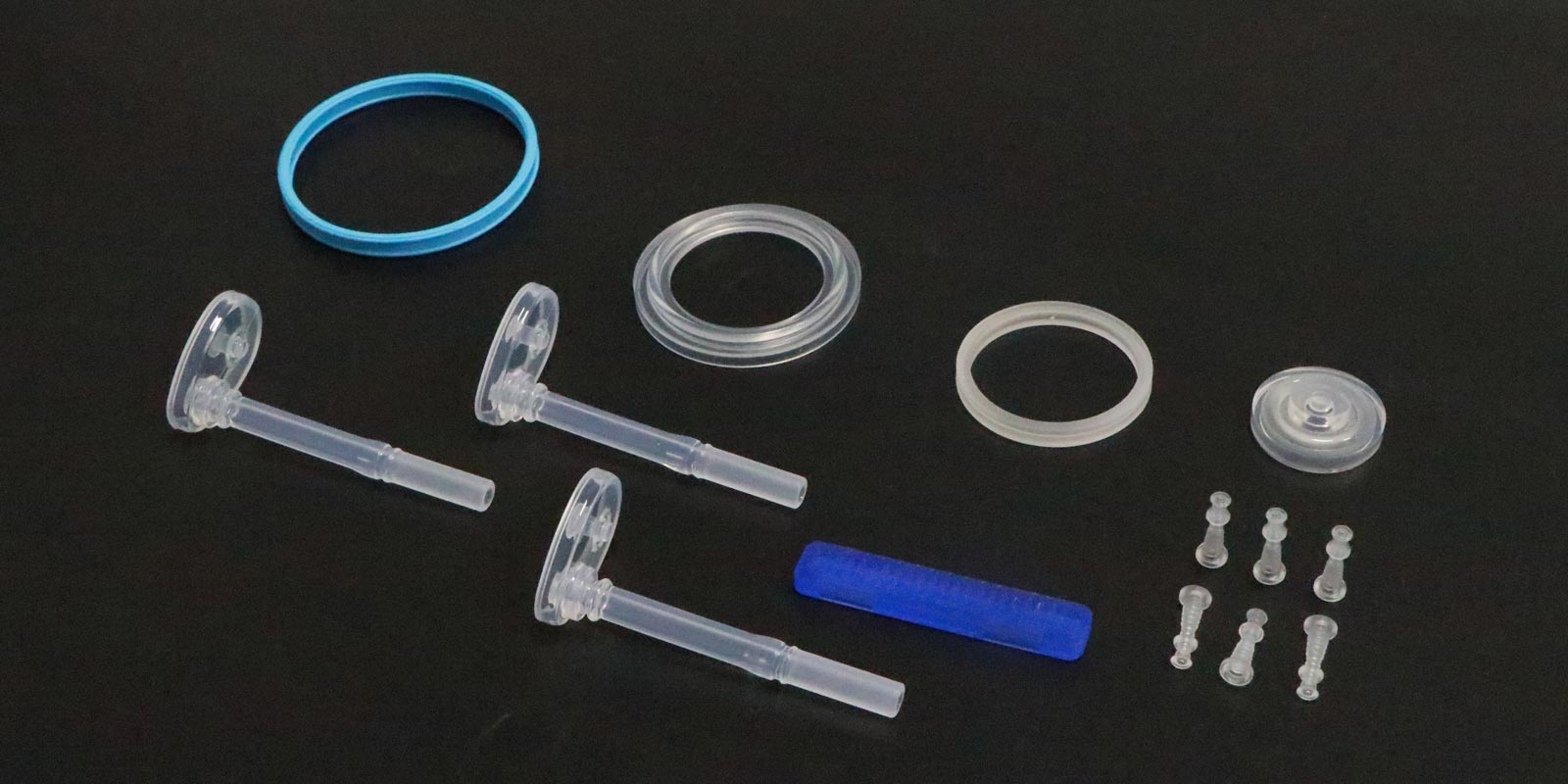
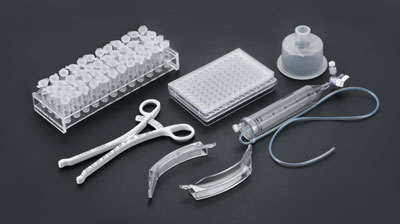
Medical injection molding is widely used in the production of medical consumables due to its unique advantages. It can efficiently produce a variety of medical consumables such as syringes, infusion sets, and catheter connectors. It not only has high production efficiency but also relatively low costs and good product consistency, which can meet large-scale medical needs.
In terms of material selection, medical plastics need to pass strict biocompatibility tests to ensure that they will not cause adverse reactions to the human body. Commonly used medical plastic materials include polypropylene (PP), polycarbonate (PC), and ABS. These materials have good mechanical properties, chemical stability, and biocompatibility, and can meet the use requirements of different medical products.
In addition, the finished products need to undergo strict sterilization treatment to ensure their sterile state. Usually, ethylene oxide sterilization or irradiation sterilization methods are used. These two sterilization methods can effectively kill various microorganisms and have little impact on the properties of the products. The entire production process must strictly comply with the requirements of medical quality management systems such as ISO13485. From raw material procurement, production and processing to finished product inspection, packaging, and storage, a complete quality control system has been established to ensure that every medical product meets high-standard quality requirements.






 Home
Home