




Dongguan Yize Mould Co., Ltd Dongguan Yize Mould Co., Ltd

MENU

Home > About Us > News >Medical Injection Molding >

Cracks in Medical Injection-Molded Parts? Causes and Repair Solutions

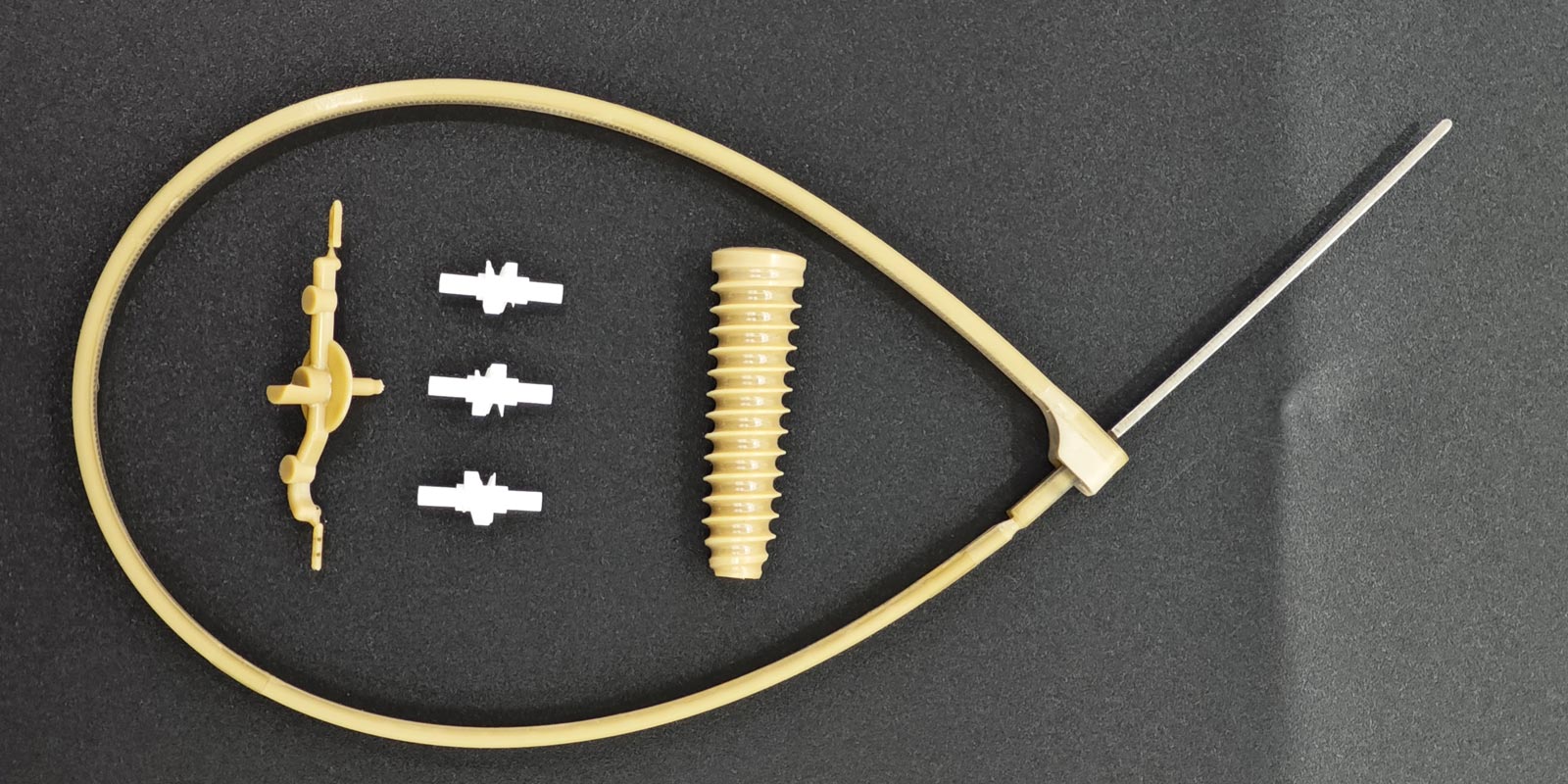
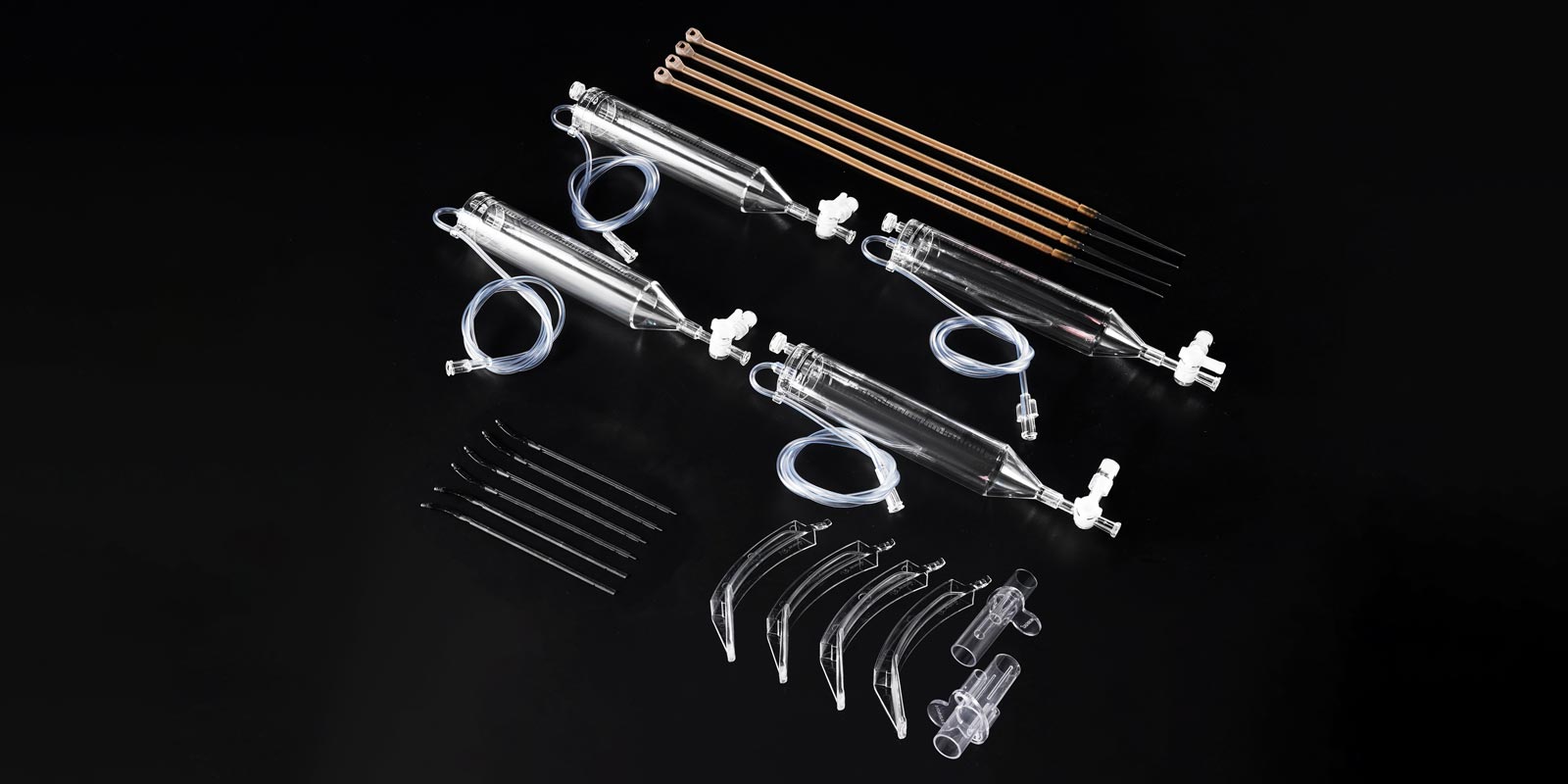
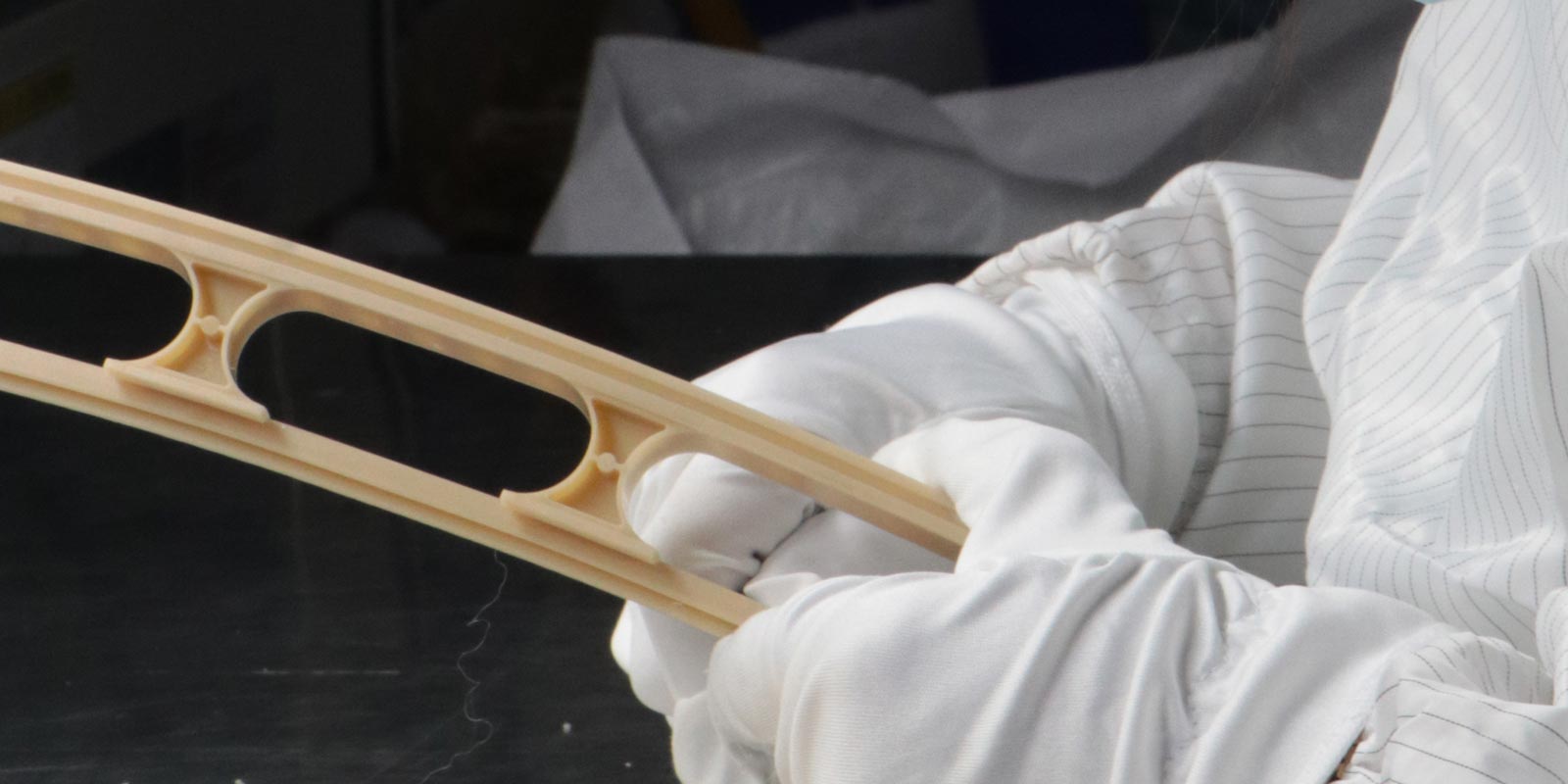
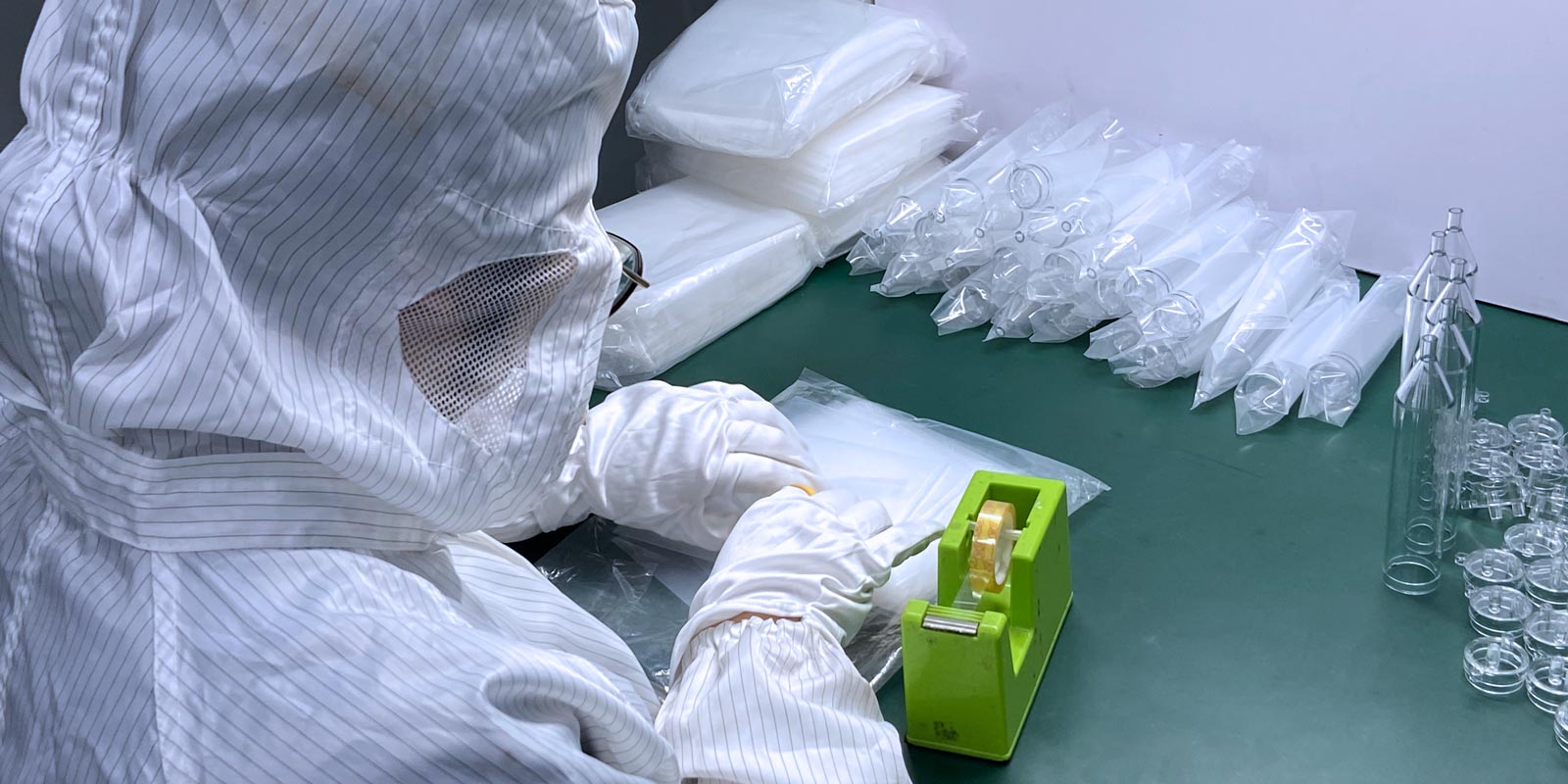
In the production process of medical injection-molded parts, cracks are a common and tricky problem. Cracks not only affect the appearance quality of the product but may also reduce its mechanical properties and even lead to product failure during use, posing a potential threat to medical safety. This article will delve into the causes of cracks in medical injection-molded parts and propose corresponding repair solutions.

1. Causes of Cracks in Medical Injection-Molded Parts

1.1 High Residual Stress

Residual stress is one of the main reasons for cracks in medical injection-molded parts. During the injection molding process, the molecular arrangement of the polymer melt is oriented under the action of external forces. When these molecular chains are frozen inside the mold, the cooled plastic part will generate residual stress. In addition, due to the large temperature difference between the melt and the cold mold, the melt quickly changes from a viscous-flow state to a glassy state. The oriented macromolecules are frozen before they can return to their initial stable state, leaving some residual internal stress on the surface of the plastic part. The area near the gate is most prone to cracks and fractures caused by residual stress because the molding pressure is relatively high there.

1.2 External Force Leading to Stress Concentration

Before the plastic part is ejected from the mold, if the cross-sectional area of the ejection mechanism is too small, there are not enough ejector pins, their positions are unreasonable, the mold's draft angle is insufficient, or the ejection resistance is too high, stress concentration can occur due to external forces, causing cracks and fractures on the surface of the plastic part. This type of failure usually occurs around the ejector pins.

1.3 Difference in Thermal Expansion Coefficients between the Molding Material and Metal Inserts

Sometimes, metal inserts are embedded in medical injection-molded parts to enhance the strength of certain parts or achieve specific functions. However, the thermal expansion coefficient of thermoplastic plastics is usually 9 - 11 times larger than that of steel and 6 times larger than that of aluminum. Therefore, the metal inserts inside the plastic part hinder the overall shrinkage of the plastic part, generating significant tensile stress. A large amount of residual stress accumulates around the inserts, causing cracks on the surface of the plastic part.

1.4 Inappropriate or Impure Raw Materials

Different raw materials have different sensitivities to residual stress. Non-crystalline resins are more prone to residual stress and cracks than crystalline resins. Hydroscopic resins and resins with a high proportion of recycled materials are more likely to crack under relatively small residual stress. This is because hydroscopic resins decompose and become brittle after heating, and resins with a high content of recycled materials contain more impurities and volatile substances, resulting in lower material strength.

1.5 Poor Design of the Plastic Part Structure

Stress concentration is most likely to occur at sharp corners and notches in the structure of the plastic part, leading to cracks and fractures on the surface. In addition, if the wall thickness of the plastic part is uneven, the cooling rate of the melt will be inconsistent. Due to the different shrinkage amounts of the thick and thin parts, the former is stretched by the latter, generating residual stress.

1.6 Mold Problems

Improper mold design, such as uneven coloring of the blank holder surface, damage to the blank holder ribs, inconsistent installation lengths of the mold supports, and unreasonable design of exhaust holes and drawing fillets, can lead to poor mold surface quality and cause cracking. At the same time, cracks on the mold cavity surface may also be replicated onto the surface of the plastic part.
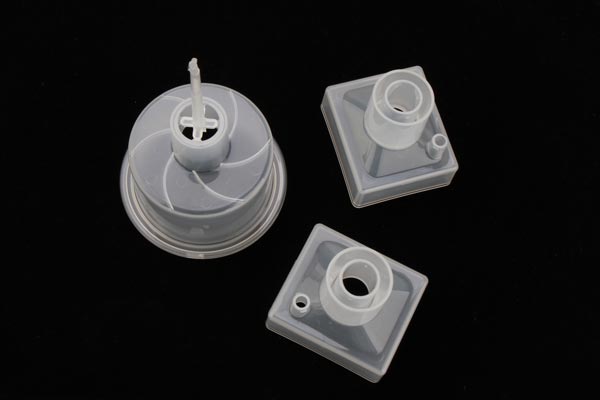
medical injection molding

2. Repair Solutions for Cracks in Medical Injection-Molded Parts

2.1 Reducing Residual Stress
  • Improving the Gating System: Use a direct gate with minimal pressure loss and the ability to withstand high injection pressures. Or change the positive gate to multiple needle-point gates or side gates and reduce the gate diameter. For raw materials with poor melt flow properties, such as polycarbonate and polyvinyl chloride, a convex tab or side gate can be used, and the cracked part on the convex tab after molding can be removed.
  • Adjusting Molding Conditions: Appropriately reduce the injection pressure since it is directly proportional to the residual stress. Increase the temperature of the barrel and the mold to reduce the temperature difference between the melt and the mold. Control the cooling time and speed of the in-mold parison to give the oriented molecular chains a longer recovery time. Under the premise of ensuring sufficient packing, shorten the packing time appropriately.
  • Annealing Heat Treatment: For application cracking caused by residual stress, annealing heat treatment immediately after molding can be used to eliminate internal stress and reduce the occurrence of cracks.
2.2 Optimizing Ejection Design
  • Balancing the Ejection Device: Ensure that there are enough ejector pins with sufficient cross-sectional area, a sufficient draft angle, and a smooth cavity surface to prevent stress concentration and cracking during ejection due to external forces. The ejector pins should be placed at the parts with the highest ejection resistance, such as bosses and reinforcing ribs. If the number of ejector pins is limited by conditions, a method of using multiple small-area ejector pins can be adopted.
  • Adding Ejection Vent Holes: For deep-bottomed parts, appropriate ejection vent channels should be provided to prevent the formation of a vacuum negative pressure.
2.3 Rational Selection of Raw Materials and Inserts
  • Choosing the Right Raw Materials: Select appropriate molding raw materials according to the specific requirements of the product. Avoid using hydroscopic resins and resins with a high proportion of recycled materials. For cases where low-molecular-weight molding raw materials must be used, increase the plastic thickness around the inserts.
  • Preheating Metal Inserts: Preheat metal inserts, especially when cracks occur on the surface of the plastic part just after starting the machine, which is mostly caused by the low temperature of the inserts. In terms of insert material selection, try to use materials with a linear expansion coefficient close to that of the resin, such as light metal materials like zinc and aluminum.
2.4 Improving the Design of the Plastic Part Structure
  • Avoiding Sharp Corners and Notches: Both the external and internal corners of the plastic part structure should be made into arcs with the largest possible radius to reduce stress concentration. Tests show that the optimal transition arc radius has a ratio of 1:1.7 with the wall thickness at the corner.
  • Maintaining Uniform Wall Thickness: Avoid uneven wall thickness in the design of plastic parts to reduce residual stress caused by different shrinkage amounts.
2.5 Repairing Mold Problems
  • Checking the Mold Cavity: When the cracks on the mold cavity surface are replicated onto the surface of the plastic part, immediately check whether there are the same cracks on the corresponding cavity surface. If the cracks are caused by replication, repair the mold using mechanical processing methods.
  • Optimizing Mold Design: For problems such as uneven coloring of the blank holder surface and damage to the blank holder ribs in mold design, make corresponding optimizations and improvements to improve the surface quality and service life of the mold.
86-0769-81888522

Add: 62 Jinghai East Road, Chang'an Town, Dongguan City, Guangdong Province

Whatsapp: 13302615729

Tel: 86-133-0261-5729

Email: info@yizemould.com

Copyright © 2024 Dongguan Yize Mold Co., Ltd   粤ICP备20053066号

Add: 62 Jinghai East Road, Chang'an Town, Dongguan City, Guangdong Province

Whatsapp: 13302615729

Tel: 86-133-0261-5729

Email: info@yizemould.com

Copyright © 2024 Dongguan Yize Mold Co., Ltd
Website Statement | Privacy Statement | 粤ICP备20053066号
Sitemap