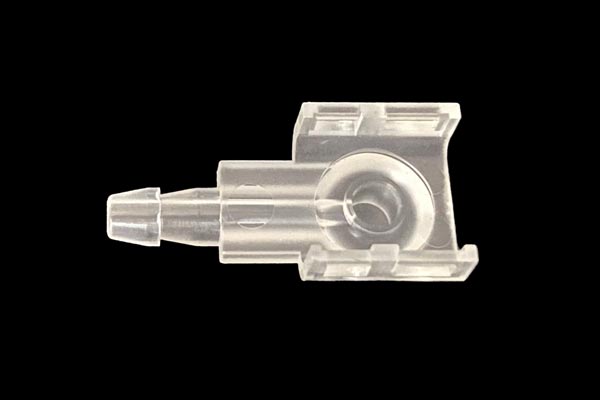
In the field of medical injection molding processing, fly edge (also known as flash or burr) is a common quality defect. It not only affects the appearance quality of products but may also pose potential threats to the safety of medical operations. Fly edge mainly appears at positions such as the parting surface of the mold, the mating part of the slider, the joint of inserts, and the pin hole gaps. It is a thin - sheet - like excess material edge formed after the plastic melt overflows and cools. This article will discuss in detail the causes of fly edge in medical injection molding processing and the optimization methods.
Causes of Fly Edge
Mold - related Factors
-
Unmatched Parting Surface: During mold manufacturing or long - term use, the parting surface may experience wear, knocks, or the presence of foreign matter. This leads to incomplete sealing when the mold is closed, allowing the high - pressure melt to easily overflow from the gaps and form fly edge.
-
Excessive Mold Clearance: Excessive clearances between the slider and the slide groove, as well as between the ejector pin and the ejector pin hole, provide overflow channels for the plastic melt.
-
Insufficient Mold Strength: Unreasonable mold structure design or improper material selection can cause the mold to deform under high - pressure injection molding, resulting in fly edge.
-
Poor Venting: Unreasonable design of the mold venting system or blocked vent holes prevent the gas in the mold cavity from being discharged in a timely manner, creating back pressure and forcing the plastic to extrude from other gaps.
Process Parameter Factors
-
Excessive Injection Pressure: High injection pressure causes the plastic melt to fill the mold cavity with excessive impact force, easily overcoming the mold clamping force and extruding from the gaps in the mold.
-
Excessive Injection Speed: Rapid injection speed makes the melt fill the cavity in a short time, generating a large impact force. This may cause micro - deformations or gaps in some parts of the mold due to the instantaneous high pressure.
-
Excessive Packing Pressure or Long Packing Time: The purpose of the packing stage is to supplement the material required for plastic cooling shrinkage. However, excessive packing pressure or a long packing time will keep the pressure in the mold cavity at a high level, increasing the likelihood of plastic extruding from the mold gaps.
-
High Barrel Temperature or Mold Temperature: High temperatures reduce the viscosity of the melt and enhance its fluidity, making the plastic more likely to penetrate into tiny gaps.
Material Factors
-
Excessive Fluidity: Different batches or brands of plastic pellets may have varying fluidity. Materials with high fluidity are more likely to produce fly edge under the same injection molding process conditions.
-
Impurities in the Material: Impurities mixed in the material may change the fluidity and physical properties of the plastic, causing abnormal flow of the melt during the injection process and increasing the possibility of fly edge.
Equipment Factors
-
Insufficient Clamping Force of the Injection Molding Machine: The clamping force of the injection molding machine cannot meet the requirements of the mold's expansion force during the injection process, causing the parting surface of the mold to open and resulting in fly edge.
-
Worn Equipment Components: Severe wear of the non - return ring, failure of the spring in the spring - loaded nozzle, and excessive wear of the barrel or screw can all lead to repeated occurrences of fly edge.
Optimization Methods
Mold Optimization
-
Repair Mold Defects: Regularly check the state of the mold parting surface, clean up residual plastic fragments, metal filings, and oil stains. If there is slight wear, grind and repair it in a timely manner. For severe deformation, re - machine the parting surface to ensure a seamless fit after mold closing.
-
Control Mold Clearance: Strictly control the clearances of movable components such as ejector pins, ejector tubes, inserts, sliders, guide posts, and guide sleeves. The clearance of conventional components should be controlled within 0.01 - 0.03mm. The depth of the vent slot should be set strictly according to the viscosity of the raw material. For general - purpose plastics, the depth of the vent slot is controlled within 0.01 - 0.02mm, which can be slightly wider for high - viscosity raw materials and narrower for low - viscosity raw materials.
-
Enhance Mold Strength: During the mold design stage, conduct strength calculations and analysis, and reasonably optimize the mold structure. Select appropriate mold materials. For large molds or molds under high pressure, add reinforcing ribs and other structures to improve the mold's resistance to deformation.
-
Optimize the Venting System: Open a good venting system or dig venting grooves on the parting surface to ensure that the gas in the mold cavity can be discharged in a timely manner. The depth of the venting groove is generally controlled within 0.02 - 0.04mm to avoid excessive melt overflow.
Process Parameter Optimization
-
Reduce Injection Pressure and Speed: On the premise of ensuring complete filling of the product without short - shots, gradually reduce the injection pressure and speed to find the critical qualified parameters. Use multi - stage injection technology, using low pressure and speed at the beginning of filling, and then appropriately increasing the pressure for packing after the cavity is basically filled.
-
Optimize Packing Parameters: Determine appropriate packing pressure and packing time through experiments. The packing pressure should be gradually reduced, and the packing time should not be too long. Generally, packing can be stopped after the gate is completely solidified. Shorten the packing time and adjust the packing switch position to avoid over - filling and excessive pressure in the cavity.
-
Control Barrel and Mold Temperatures: Set reasonable barrel and mold temperatures according to the material characteristics. Since high barrel temperature reduces the melt viscosity and enhances fluidity, lower the barrel temperature by 10 - 15℃ according to the upper limit of the raw material process. Keep the mold temperature within the recommended range and avoid local abnormal high mold temperatures.
Material Selection and Management
-
Select Appropriate Materials: Select plastic pellets with moderate fluidity according to the product requirements and injection molding process conditions. When changing plastic suppliers or batches, conduct sufficient mold - testing and performance testing to ensure the stability of the raw materials.
-
Strengthen Raw Material Inspection: Strictly inspect the purchased plastic pellets to check for the presence of impurities. Regularly sample and test the raw materials during the production process to ensure that the raw material quality meets the requirements.
Equipment Maintenance and Upkeep
-
Check the Clamping Force of the Injection Molding Machine: Regularly detect and adjust the clamping force of the injection molding machine to ensure that it meets the requirements of the mold. Install pressure sensors and other equipment to monitor the change of the clamping force in real - time.
-
Calibrate the Parallelism of the Mold Plates: Use professional measuring tools to regularly check the parallelism of the mold plates of the injection molding machine and correct them in a timely manner if problems are found. At the same time, pay attention to the daily maintenance and upkeep of the injection molding machine to ensure its normal operation.
-
Replace Worn Components: Regularly check the wear conditions of equipment components such as the non - return ring, spring - loaded nozzle, barrel, and screw, and replace severely worn components in a timely manner to avoid the generation of fly edge due to component wear.






 Home
Home