

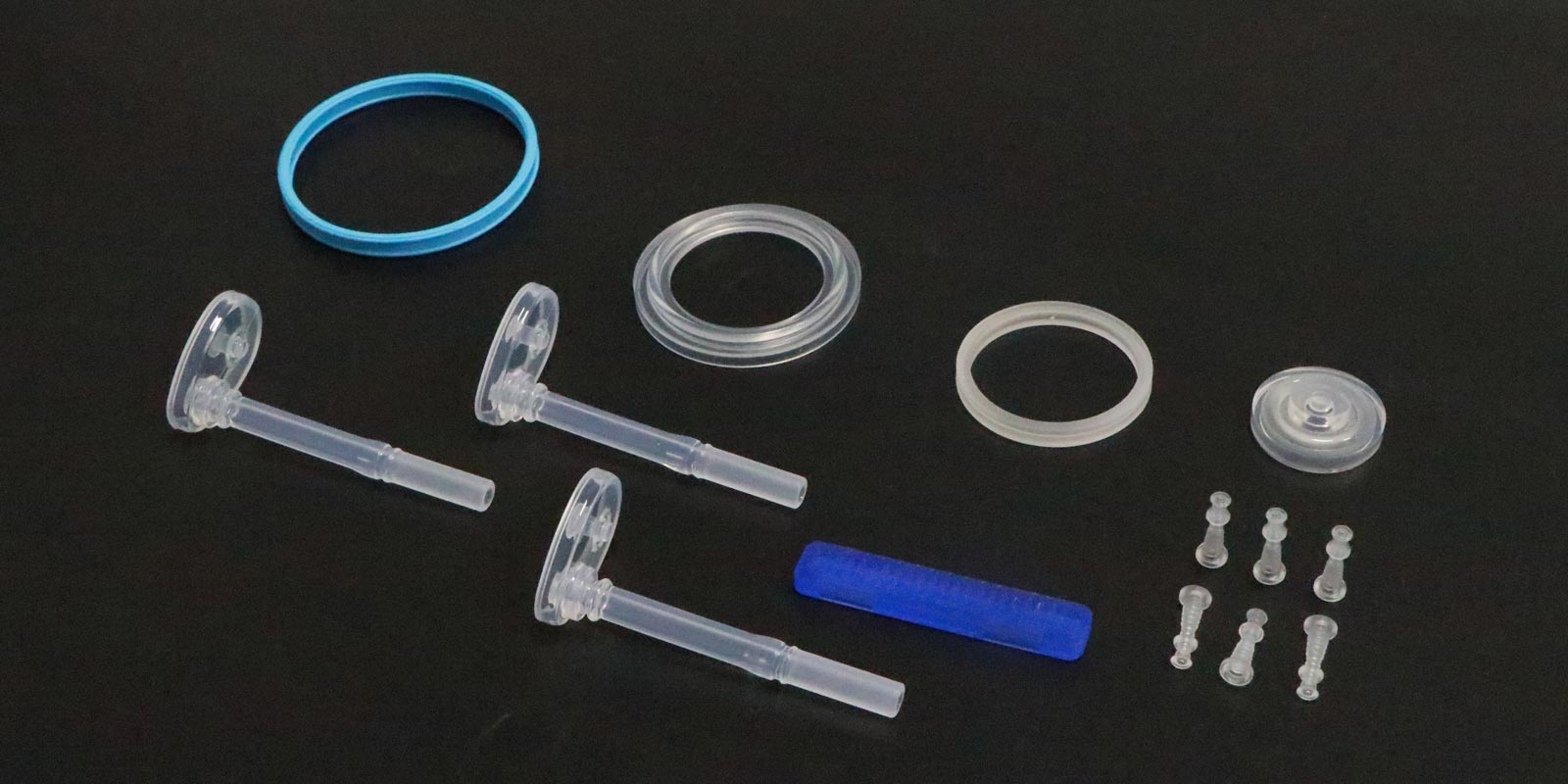
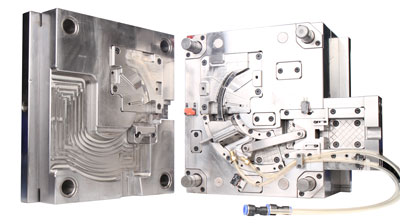
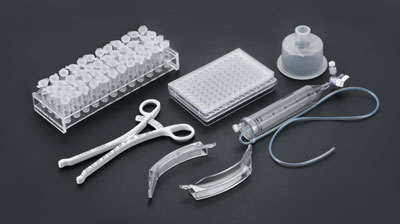



With the continuous growth of global healthcare demands and breakthroughs in materials science, the medical injection molding industry is undergoing a profound transformation from traditional manufacturing to intelligent, high-precision, and sustainable directions. As a core process in medical device manufacturing, injection molding technology not only bears the responsibility of enhancing product performance but also needs to address diverse challenges such as an aging population, personalized healthcare, and green manufacturing. This article will analyze the future development trends of medical injection molding from four dimensions: technology, materials, application scenarios, and sustainability.
1. Popularization of Digital Design and Simulation Technology
In the future, the design of medical injection molds will fully shift to digitalization. Through CAE (Computer-Aided Engineering) simulation technology, engineers can simulate the injection molding process of molds in a virtual environment, predict and optimize molding defects such as sink marks and warping in advance. For example, based on digital twin technology, the mold design cycle can be shortened by 40%, the number of mold trials reduced by 60%, and the product pass rate increased to over 99.9%. This "one-shot molding" concept will significantly reduce R&D costs and accelerate the launch of new products.
2. Ultra-Precision Machining and Multi-Axis Linkage Technology
As the precision requirements for minimally invasive surgeries and implantable devices reach the micrometer level, the machining precision of injection molds needs to break through traditional limits. Five-axis linkage CNC machine tools combined with laser interferometer calibration can achieve mold tolerances within ±0.001 mm, meeting the needs of high-precision components such as orthopedic implants and neurosurgical devices. At the same time, the combination of hot runner temperature control systems and micro-molding technology will drive the mass production of micro medical devices (such as endoscope components and drug delivery micropumps).
3. Intelligent Production and Quality Control
Intelligent injection molding machines will integrate sensors, AI algorithms, and industrial internet technologies to achieve real-time optimization of production parameters and fault warnings. For example, through machine learning analysis of injection pressure and temperature curves, process parameters can be dynamically adjusted, reducing the product defect rate from 2% to below 0.1%. In addition, blockchain technology will be applied to quality traceability, ensuring full traceability of every medical device from raw materials to finished products, meeting international certification requirements such as FDA and CE.
1. Clinical Translation of Biodegradable Materials
Biodegradable materials such as polylactic acid (PLA) and polyhydroxyalkanoates (PHA) are moving from laboratories to large-scale applications. By controlling the molecular chain structure, the degradation cycle of PLA can be precisely controlled within 6-24 months, meeting the clinical needs of absorbable sutures and bone screws. It is expected that by 2030, biodegradable materials will account for more than 15% of the medical injection molding market, driving disposable consumables toward a "zero-pollution" goal.
2. Enhanced High-Temperature and Corrosion Resistance of Special Engineering Plastics
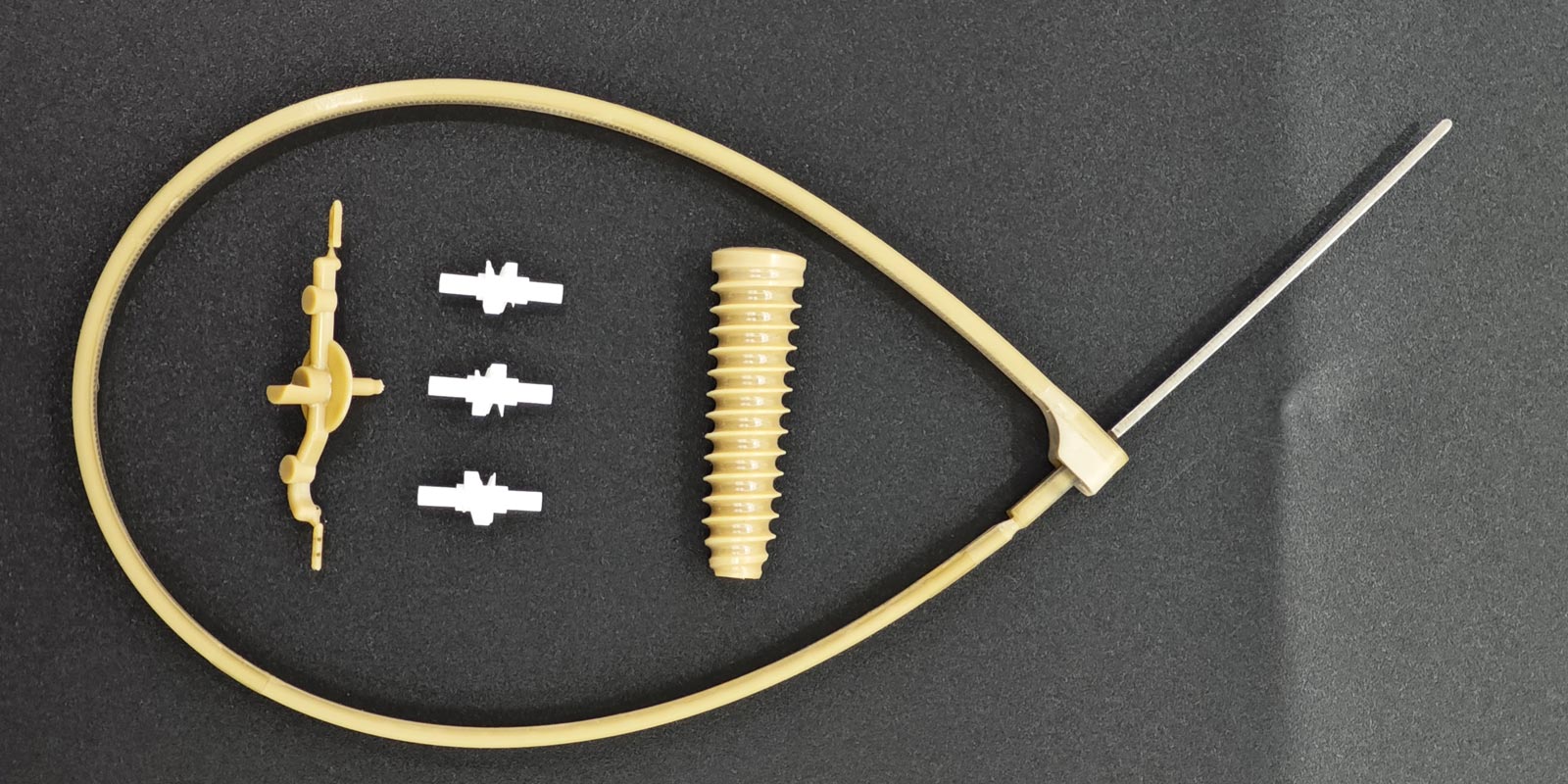
Special engineering plastics such as polyetheretherketone (PEEK) and polyphenylsulfone (PPSU) have become the preferred materials for orthopedic and cardiovascular devices due to their excellent mechanical properties and biocompatibility. In the future, through nano-modification technology, the wear resistance of PEEK will be increased by 50%, and its high-temperature resistance will exceed 400°C, meeting the extreme environment applications of heart valves and artificial joints. At the same time, new antibacterial coating technologies will endow plastic surfaces with long-lasting antibacterial functions, reducing the risk of postoperative infections.
3. Lightweight and Multi-Functional Integration of Composite Materials
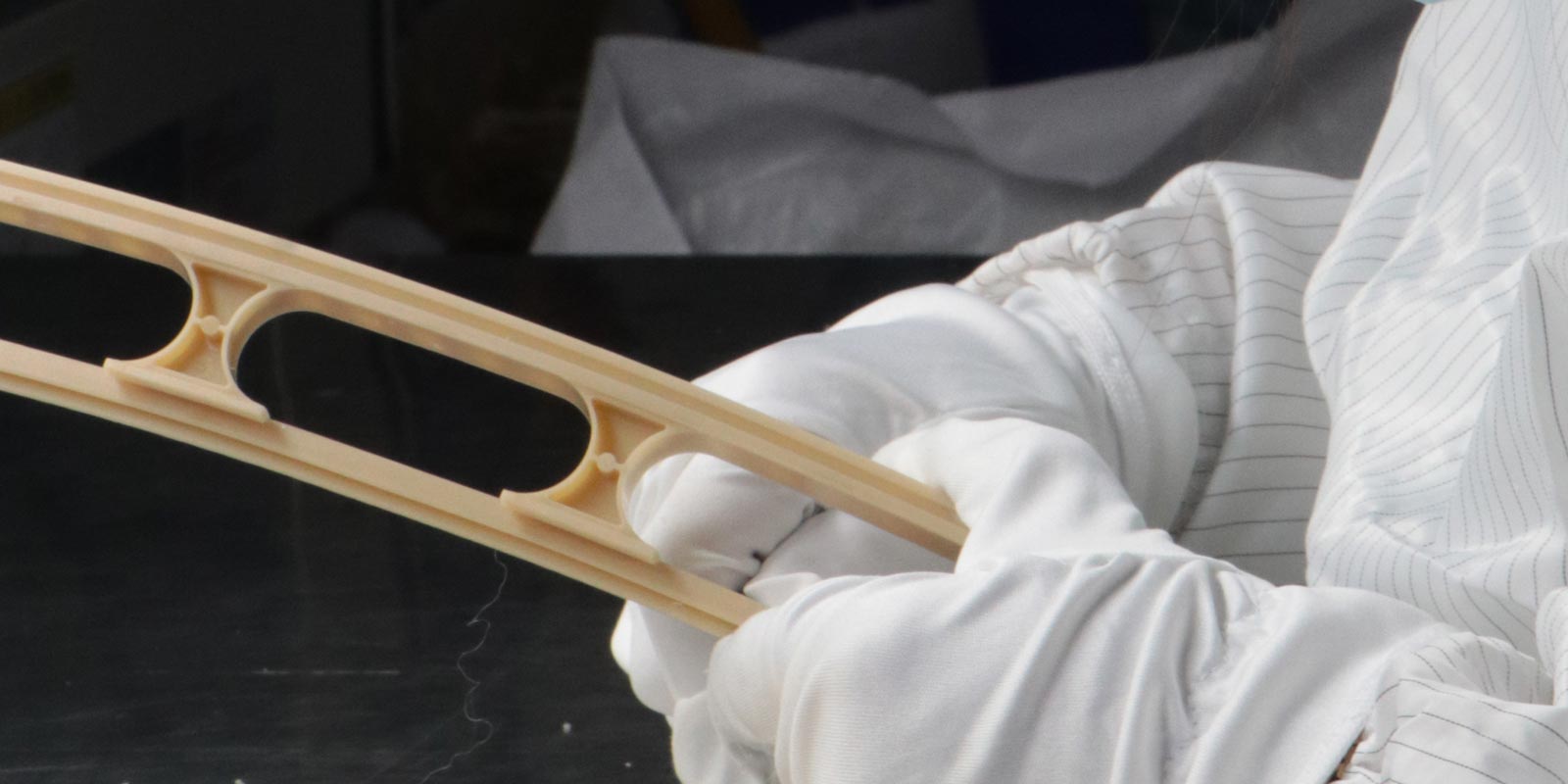
Carbon fiber reinforced plastics (CFRP) and glass fiber reinforced plastics (GFRP) will drive medical equipment toward lightweight and high-strength development. For example, CFRP-manufactured ventilator housings are 60% lighter than traditional metal materials while providing electromagnetic shielding functions, ensuring the stability of medical equipment in complex environments. In addition, through 3D printing technology, multi-material integrated molding can be achieved, directly embedding functional modules such as sensors and circuits into plastic components, opening up a new era of "smart medical devices."
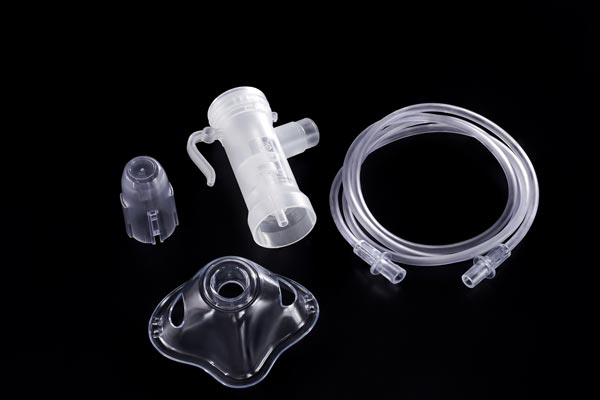
1. Flexible Demands in Home Care Scenarios
With the aging population, the demand for home care devices (such as portable oxygen concentrators and smart pill boxes) is surging. Medical injection molding needs to develop softer and more durable materials, such as liquid silicone rubber (LSR), which has a texture similar to human tissue and can withstand high-temperature and high-pressure sterilization. At the same time, micro-molding technology will drive the popularization of wearable medical devices (such as continuous glucose monitoring systems and smart patches), enabling real-time health data collection and remote healthcare.
2. Differentiated Supply for Emergency and Primary Healthcare
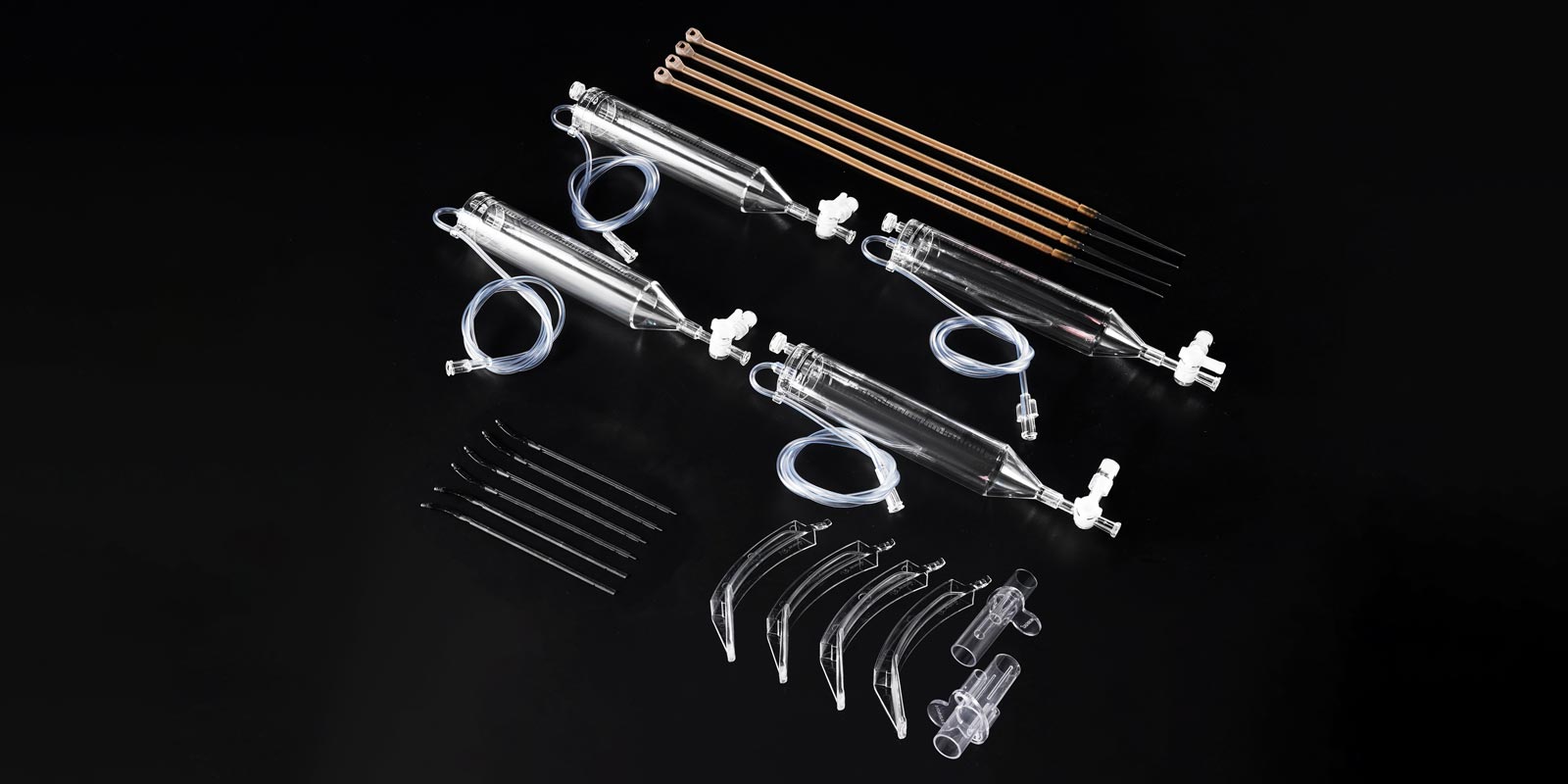
In public health emergencies or scenarios with scarce medical resources in remote areas, low-cost and rapid-response injection molding solutions are crucial. For example, through modular mold design, the same production line can quickly switch between producing masks, respiratory masks, sampling tubes, and other products, increasing production flexibility by 300%. In addition, foldable plastic devices (such as disposable endoscopes) will reduce transportation and storage space, lowering primary healthcare costs.
1. Eco-Friendly Materials and Clean Production
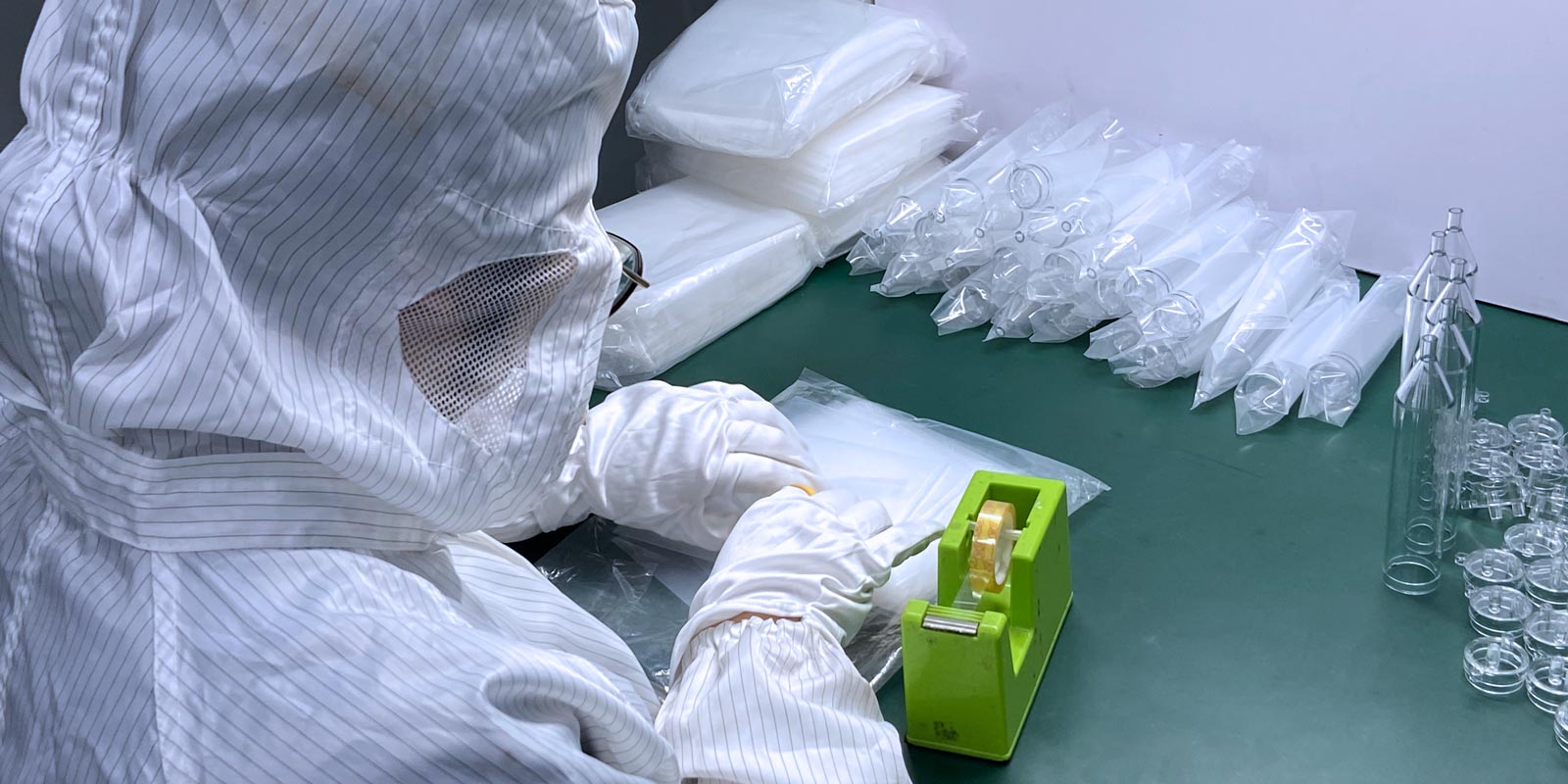
The medical injection molding industry is accelerating the phase-out of materials containing plasticizers and bisphenol A, shifting toward bio-based and recyclable materials. For example, using castor oil-derived polyurethane (PU) to manufacture infusion tubing not only offers excellent biocompatibility but also reduces the carbon footprint by 40% compared to traditional petroleum-based materials. At the same time, clean rooms and closed-loop water cooling systems will reduce dust and wastewater emissions during production, complying with ISO 14001 environmental management system requirements.
2. Extended Mold Life and Remanufacturing Technology
By optimizing mold steel selection (such as corrosion-resistant S136H steel) and surface treatment processes (such as nitriding coatings), mold service life can be extended to over 500,000 cycles, reducing the resource consumption of frequent mold opening. In addition, remanufacturing technologies such as laser cladding can repair worn molds, lowering replacement costs by 60% and promoting the industry's transition to a circular economy.
The future of medical injection molding is one of deep integration of technology, materials, and scenarios. From ultra-precision machining to biodegradable materials, from intelligent production to green manufacturing, every breakthrough is redefining the performance boundaries and manufacturing logic of medical devices. With the in-depth implementation of the "14th Five-Year Plan for the Development of the Medical Equipment Industry," China's medical injection molding industry will usher in a golden period of development, contributing more "Chinese solutions" to global healthcare.
Add: 62 Jinghai East Road, Chang'an Town, Dongguan City, Guangdong Province
Whatsapp: 13302615729
Tel: 86-133-0261-5729
Email: info@yizemould.com

Add: 62 Jinghai East Road, Chang'an Town, Dongguan City, Guangdong Province
Whatsapp: 13302615729
Tel: 86-133-0261-5729
Email: info@yizemould.com
 Home
Home