

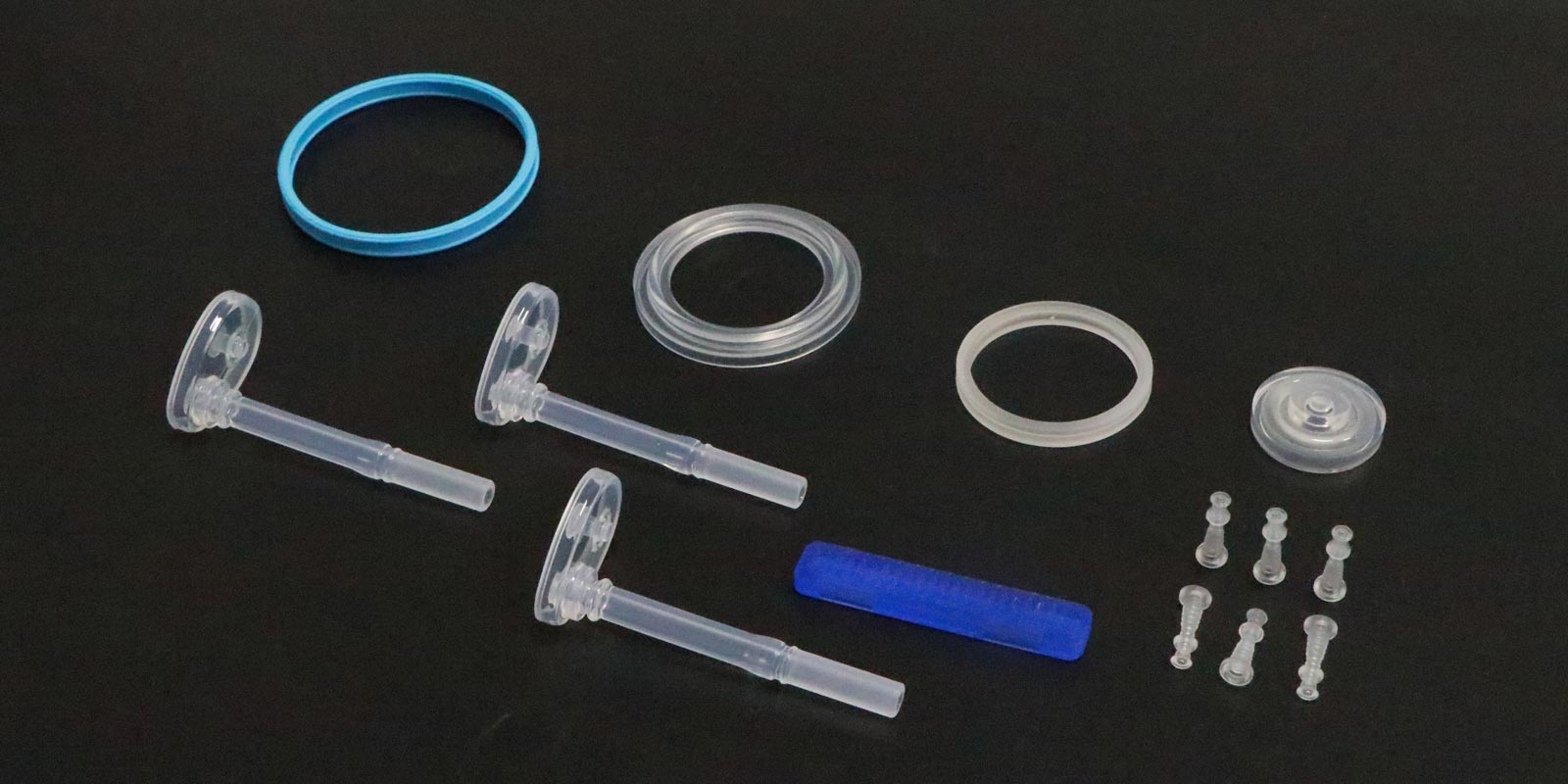
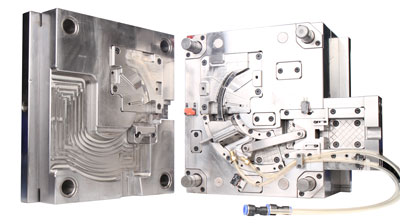
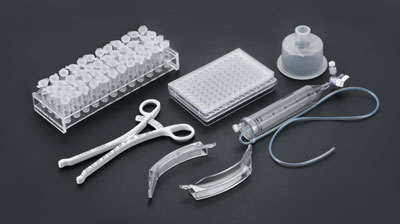



In the era of rapid development of medical technology, biocompatible plastics have become a core material driving the innovation of medical devices. From biodegradable implants to high-precision diagnostic equipment, from minimally invasive surgical instruments to intelligent drug delivery systems, these materials are reshaping the manufacturing logic of the medical industry through injection molding processes, bringing revolutionary breakthroughs in patient safety and treatment efficacy.
Traditional medical plastics are limited by the contradiction between biocompatibility, mechanical strength, and processing performance. The new generation of biocompatible plastics has achieved performance leaps through molecular structure design. For example, Arkema's Rilsan® MED PA11 polyamide, reinforced with 65% glass fiber, offers mechanical strength comparable to that of metals while maintaining lightweight characteristics. It has been successfully applied to precision injection-molded components of surgical instruments. This material, certified by USP VI and ISO 10993, can withstand repeated steam sterilization at 134°C, addressing the issues of corrosion susceptibility and heavy operation of traditional metal instruments.
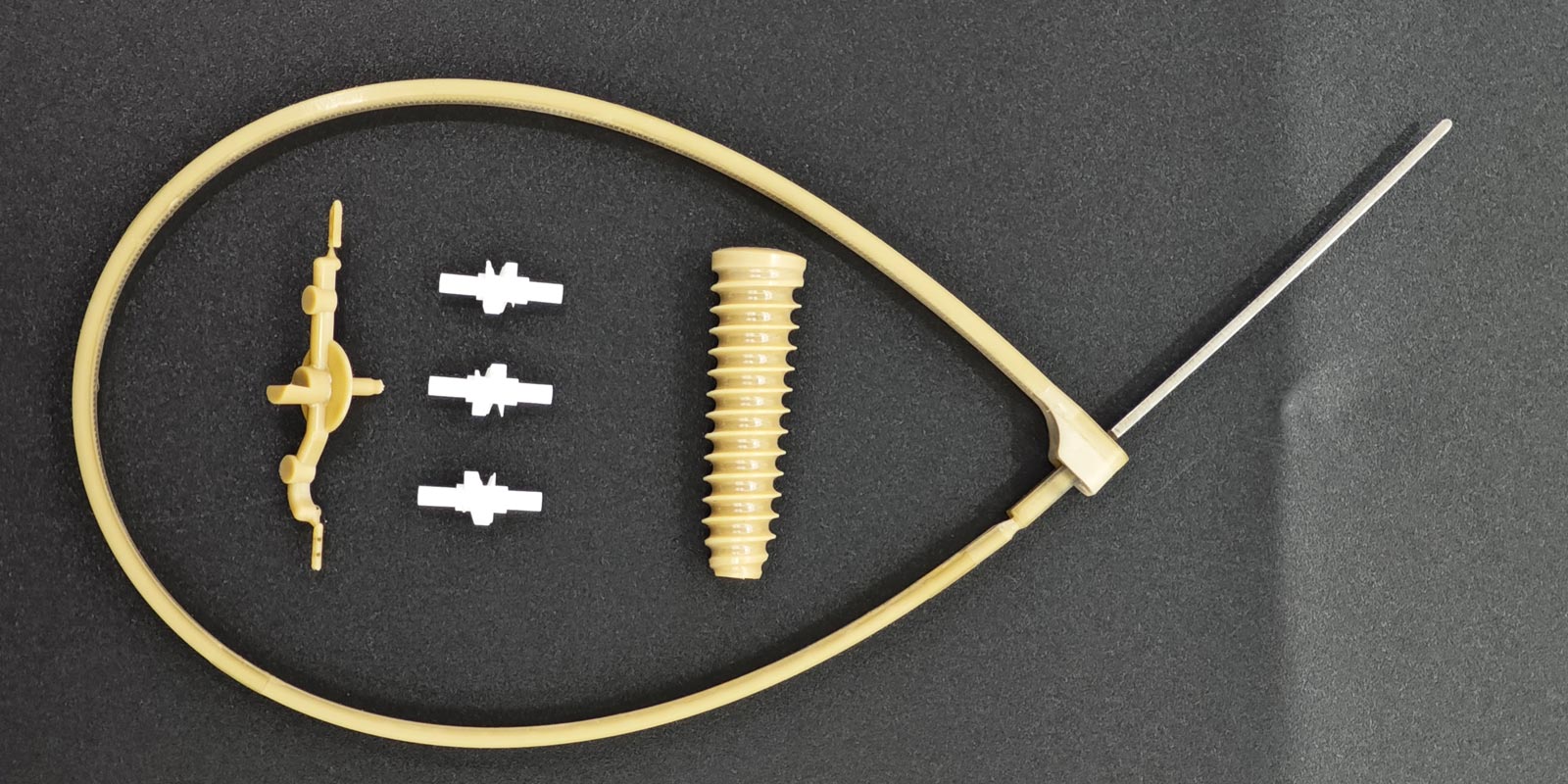
In the field of implants, Zhongyan's PEEK-LISCIEX polyether ether ketone demonstrates disruptive value. Its pure resin pellets, after injection molding, can be used not only for high-strength structural components such as intervertebral fusion cages and cranial repair plates but also for 3D printing filaments to manufacture personalized implants. Experimental data shows that the elastic modulus of PEEK material is close to that of human cortical bone, effectively reducing the stress shielding effect and promoting bone integration. After Medtronic adopted this material for the housing of cardiac pacemakers, the incidence of post-implantation complications decreased by 40%, and the service life was extended to over 15 years.
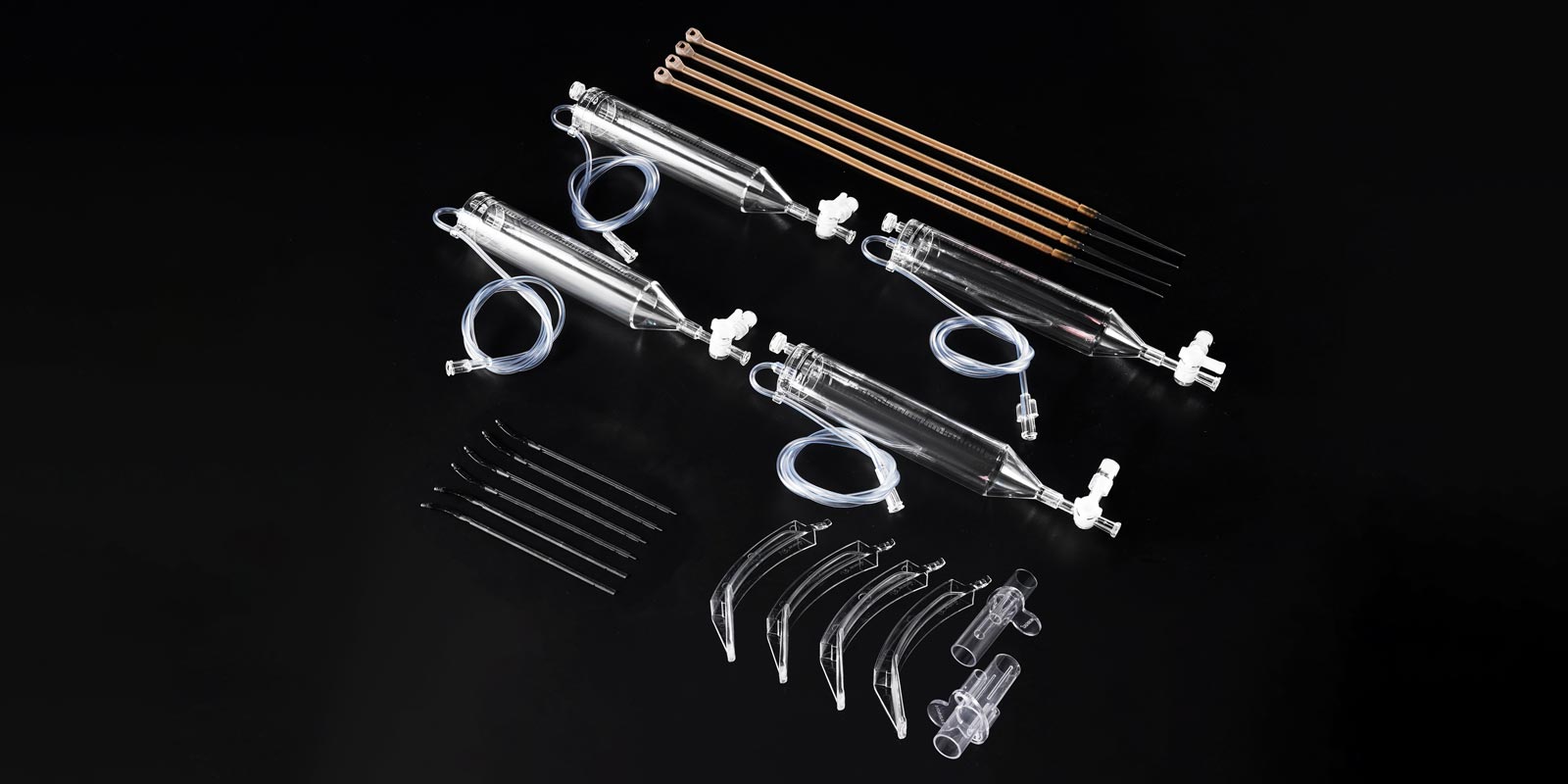
Medical injection molding processes are breaking through traditional precision limits. Husky's UltraMelt™ hot runner system enables zero-defect production of micrometer-scale components such as syringe barrels through intelligent temperature control and runner optimization. This system can control the melt temperature fluctuation within ±1°C, ensuring the stability of the PC material's molecular chains at a high temperature of 280°C. As a result, the wall thickness tolerance of the syringe barrel has been improved from ±0.05 mm to ±0.02mm , significantly reducing the risk of drug residue.
In the manufacturing of microfluidic chips, Polyplastics' COC (cyclic olefin copolymer) material, combined with micro-injection molding technology, has pioneered a new path for low-cost mass production. COC material has an ultra-low water absorption rate of 0.8% and a light transmittance of 99%. Through nanoscale mold processing, microchannel networks with a precision of 5 μm can be formed on the chip surface. Compared with traditional photolithography processes, injection molding reduces the unit cost from 50 to 0.5, promoting the popularization of point-of-care testing (POCT) devices in primary healthcare settings.
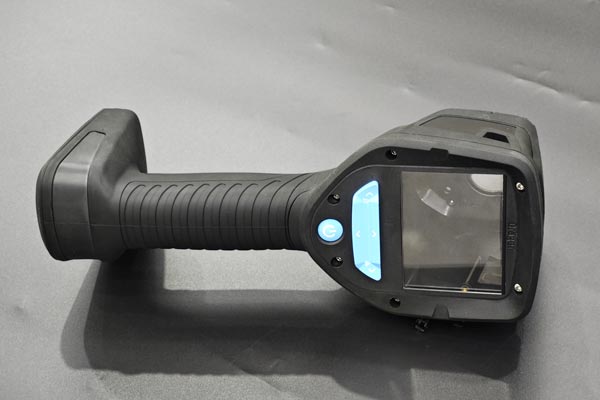
Biocompatible plastics are driving medical devices towards multi-functional integration. Covestro's medical-grade PC material achieves multiple functional integrations such as UV resistance, anti-fogging, and antibacterial properties through surface modification technology. For example, when used in ventilator masks, the surface antibacterial rate reaches 99.9%, effectively reducing the risk of hospital-acquired infections. The transparent cover of surgical lights, treated with an anti-fogging coating, maintains a clear field of vision in high-temperature and high-humidity environments, reducing interruptions during surgical operations.
In the field of intelligent drug delivery, PCTG (polyethylene terephthalate glycol-modified) material demonstrates unique advantages. Its low leachability ensures no chemical reactions with drugs during long-term contact. Through two-color injection molding technology integrated with electronic components, programmable insulin pumps have been developed. The housing of this device, made of a composite of PCTG and TPE soft rubber, not only ensures an IP67 waterproof rating but also provides a comfortable tactile feel for human-machine interaction, improving patient compliance by 60%.
Facing the challenge of medical waste disposal, the sustainability of biocompatible plastics has become a research focus. CNNC Juon's medical radiation-resistant PETG-Q01 material optimizes its molecular structure to maintain a transparency retention rate of 95% after radiation sterilization, supporting multiple recycling of infusion bottles, blood bags, and other packaging. After exposure to 50 kGy of gamma rays, the mechanical properties of this material degrade by less than 5%, significantly outperforming traditional PVC materials.
In the field of implants, Jiangsu Hengrui Medicine's magnesium alloy-polylactic acid composite bone screws have pioneered a new model of "temporary implantation-autonomous degradation." The polylactic acid shell controls the degradation rate through injection molding, allowing the bone screws to gradually degrade into lactic acid and carbon dioxide after completing their supporting role (usually 12-18 months), avoiding secondary surgical removal. Clinical data shows that this material promotes bone healing 30% faster than traditional titanium alloys and has no risk of metal ion release.
With the infiltration of technologies such as 3D printing and AI simulation, the medical applications of biocompatible plastics are entering an era of precision customization. For example, through reverse modeling of patient CT data and combined with the injection molding-machining composite process of PEEK material, personalized cranial repair plates can be manufactured, reducing surgical time from 4 hours to 1.5 hours. In the field of drug delivery, 4D printing technology enables plastic materials to respond to stimuli such as body temperature and pH value and undergo shape changes, providing new carriers for targeted tumor therapy.
Industry data shows that the global market size of biocompatible plastics is expected to expand at a compound annual growth rate of 8.5%, reaching $22 billion by 2030. In this material revolution, China has formed a complete industrial chain layout: from the localization production of international giants such as Arkema and Covestro to the technological breakthroughs of domestic companies such as Zhongyan and CNNC Juon, and the process innovations of equipment manufacturers such as Husky and Haitian International, an ecosystem of "materials-equipment-end products" collaborative development is taking shape.
The revolutionary applications of biocompatible plastics not only redefine the performance boundaries of medical devices but also profoundly change the full-cycle medical model of "treatment-rehabilitation-health management." As material science, manufacturing technology, and clinical needs continue to engage in dialogue, this silent revolution will undoubtedly create more possibilities for human health and well-being.
PREV:Causes and Handling Techniques for Excessive Surface Bubbles in Medical Injection-Molded Parts
NEXT:Strategies for Maintaining Long-Term Performance of Medical Injection-Molded Parts
Add: 62 Jinghai East Road, Chang'an Town, Dongguan City, Guangdong Province
Whatsapp: 13302615729
Tel: 86-133-0261-5729
Email: info@yizemould.com

Add: 62 Jinghai East Road, Chang'an Town, Dongguan City, Guangdong Province
Whatsapp: 13302615729
Tel: 86-133-0261-5729
Email: info@yizemould.com
 Home
Home