

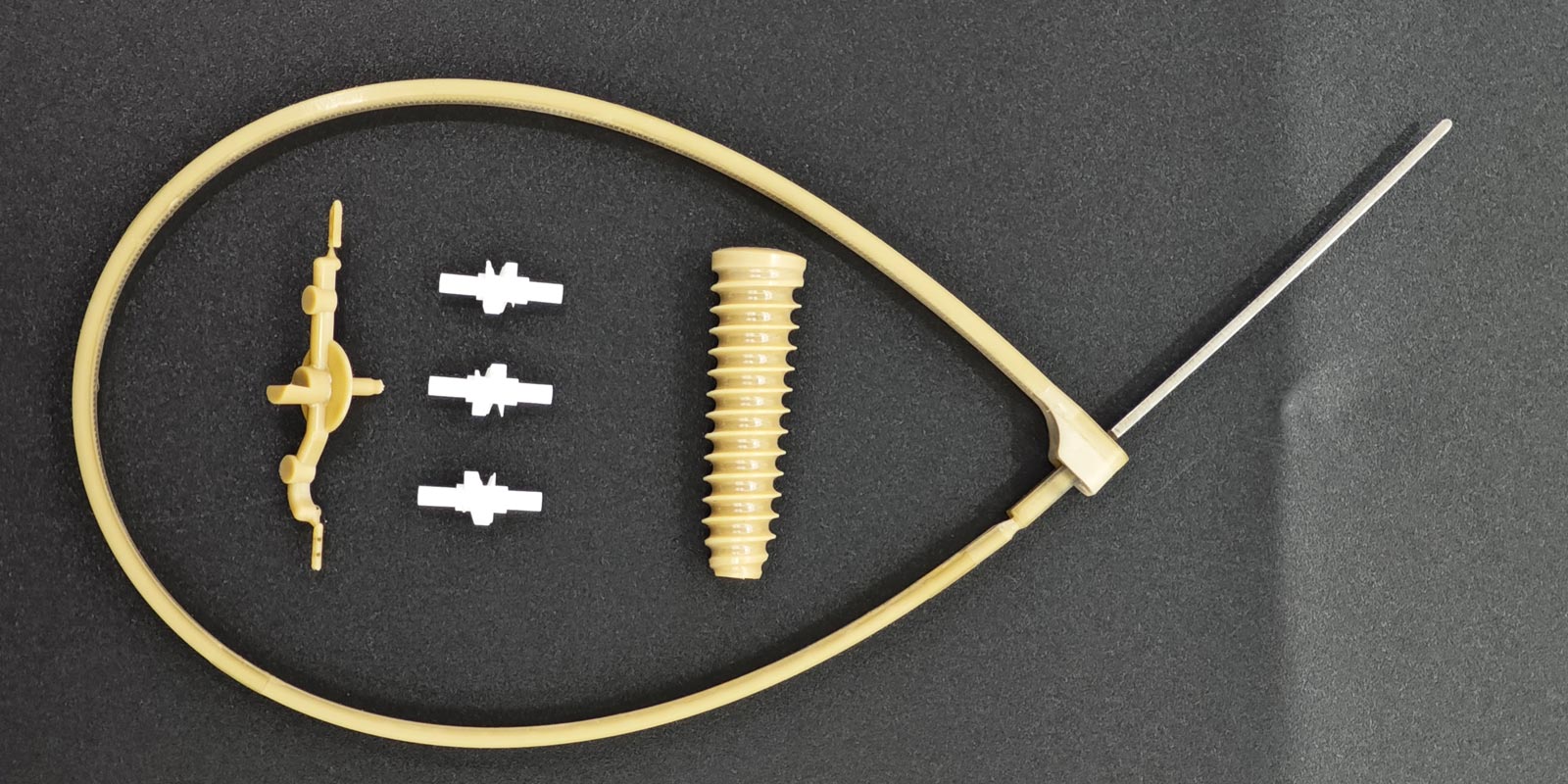
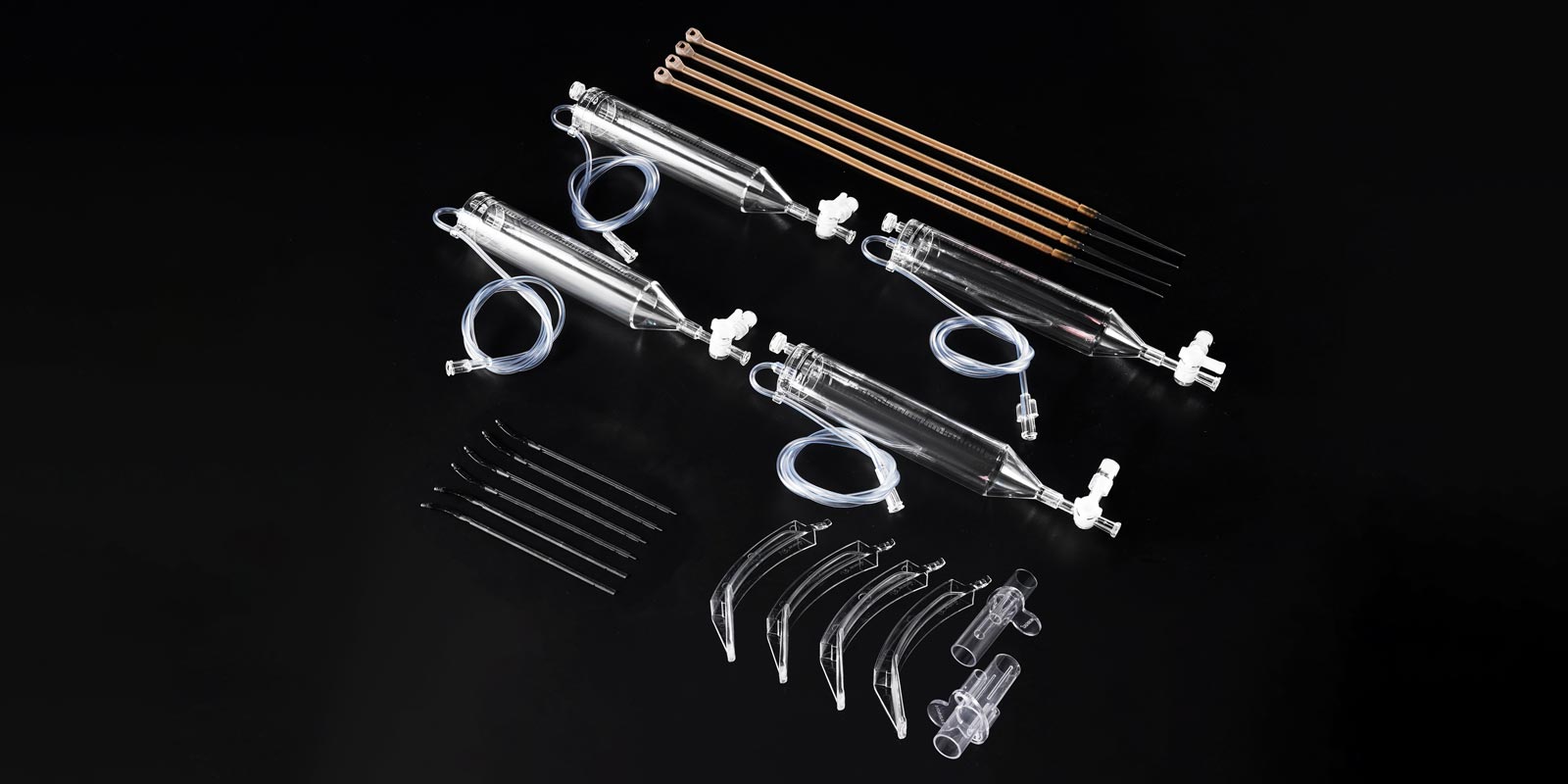
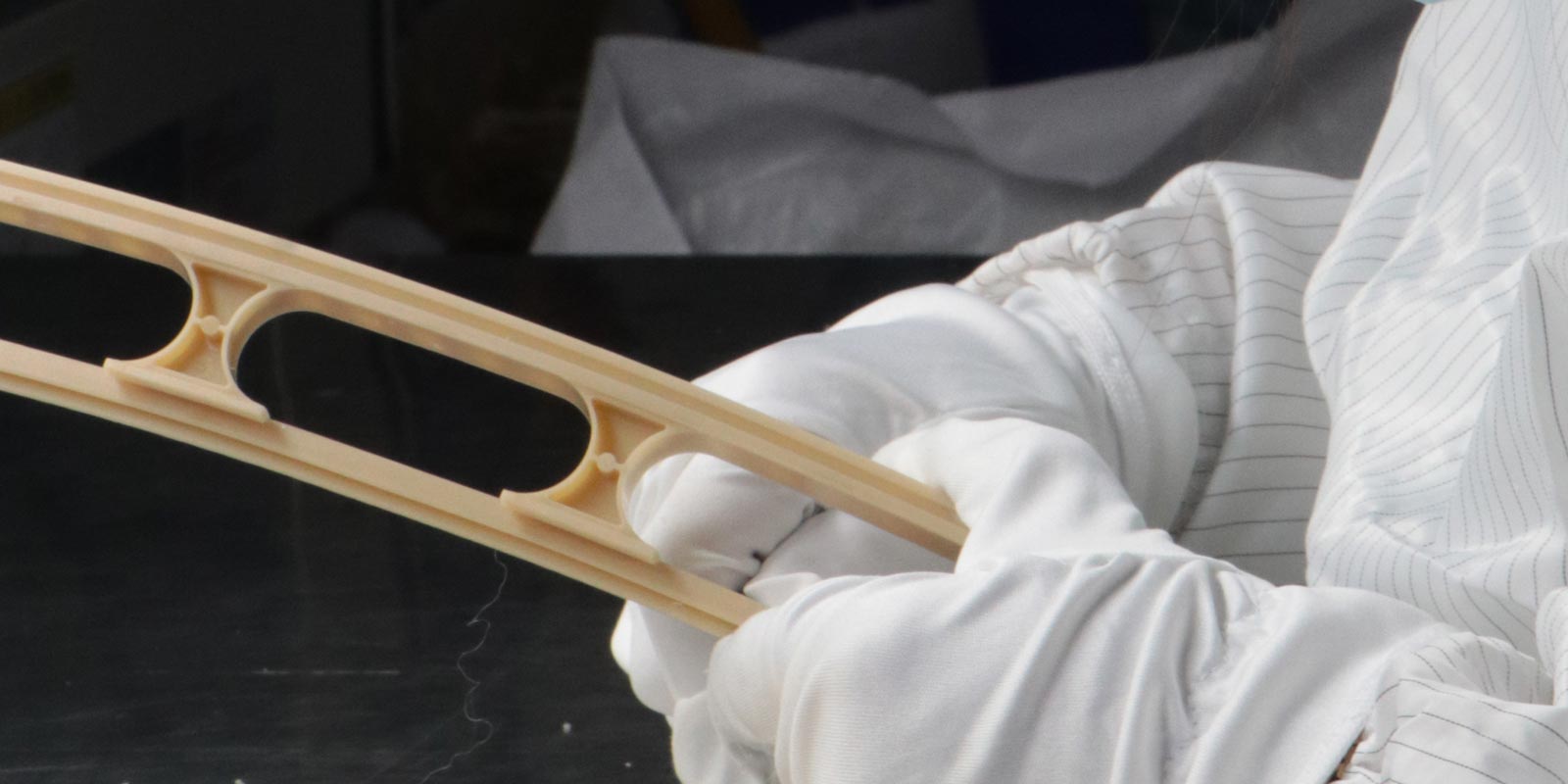

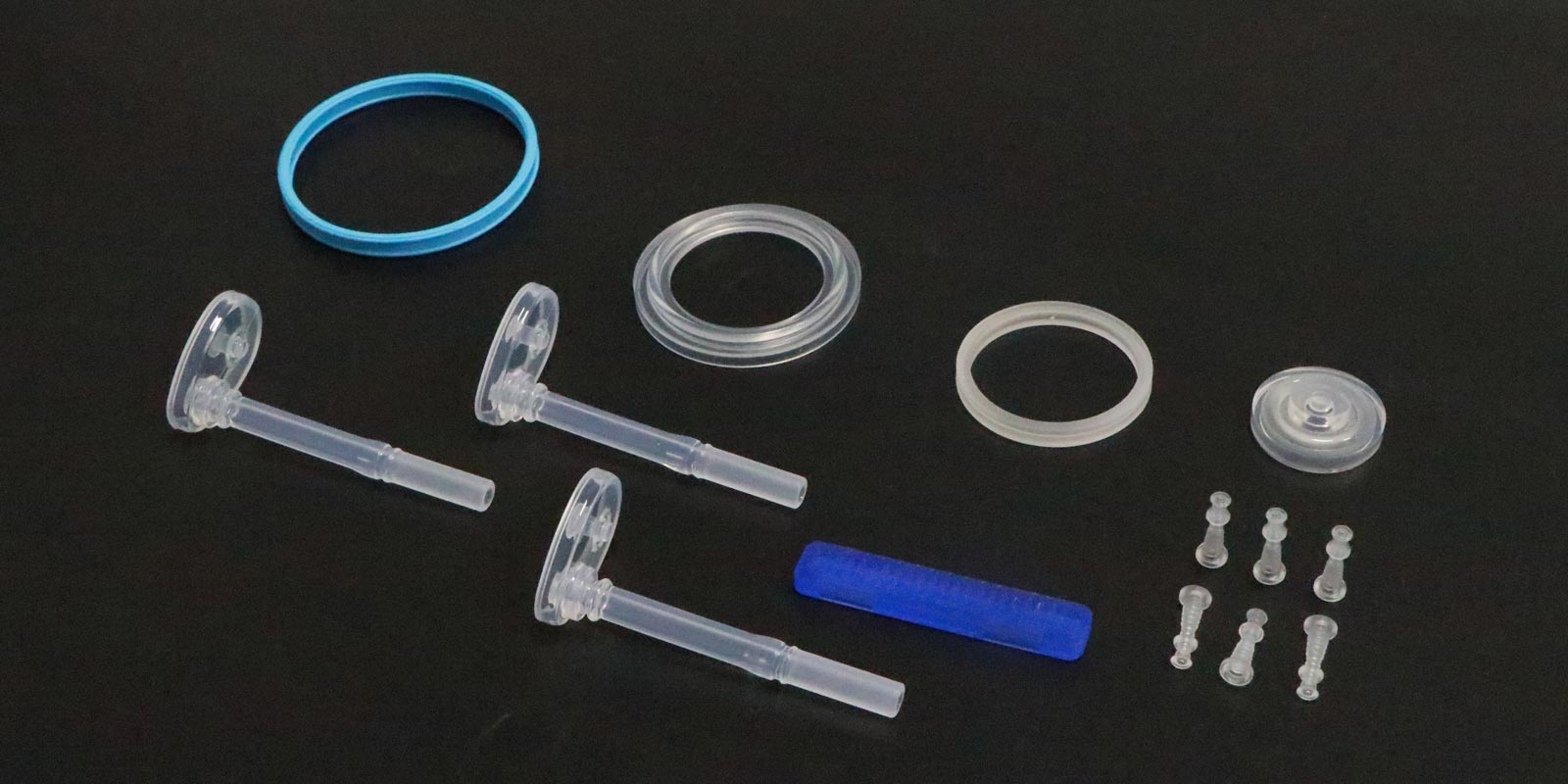
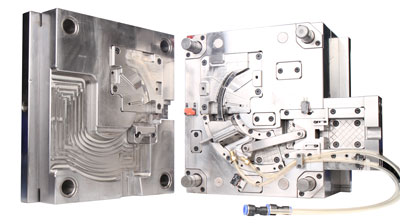
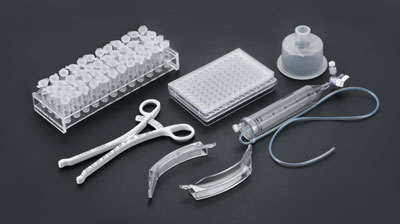



Laryngoscopes, as core medical devices in otolaryngology, anesthesiology, and emergency scenarios, have their injection molding processes directly determining product performance and safety. Unlike traditional injection-molded products, laryngoscope injection molding must balance structural complexity, biocompatibility, optical transparency, and high-precision requirements. Its characteristics can be summarized across four dimensions:
Structural Complexity and Miniaturization Design
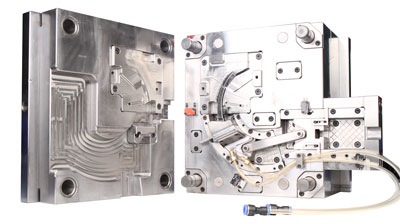
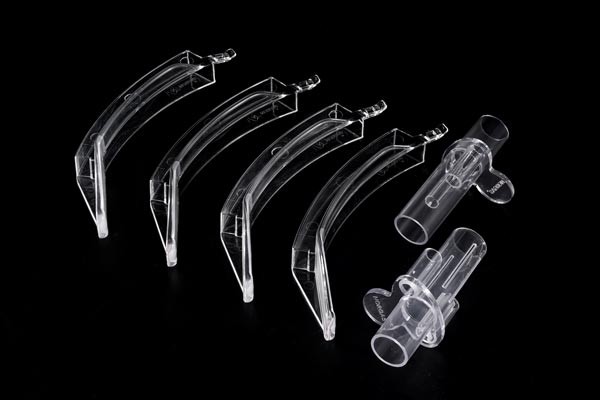
Laryngoscope injection-molded components often feature multi-stage curved surfaces, hollow cavities, and thin-wall structures. For example, the tip of a disposable anesthetic laryngoscope requires an ultra-fine arc to minimize irritation to throat tissues, while the lens section demands uniform wall thickness (0.5–1.0 mm) via precision molding to ensure light transmittance and structural strength. Such designs impose extreme precision demands on mold cavities, necessitating five-axis machining or 3D-printed conformal cooling channels to resolve complex flow path layouts unachievable by conventional milling. For instance, 3D-printed molds with spiral cooling channels covering the cavity reduce mold temperature variation from 32.5°C to 4.98°C, significantly improving molding yield.
Material Biocompatibility and Functionalization
Direct contact with human mucosa requires laryngoscope materials to meet stringent biocompatibility standards. Mainstream materials include:
Future Trends
Advancements in material science and smart manufacturing are driving laryngoscope injection molding toward higher precision and sustainability:
Laryngoscope injection molding exemplifies the integration of precision manufacturing and medical safety in medical device production. Its characteristics reflect not only extreme pursuits in materials, structure, and optics but also innovations balancing efficiency and cost control. With breakthroughs in 3D printing and biomaterials, laryngoscope injection molding will further propel medical devices toward intelligence and personalization.
PREV:Why Are Medical Injection-Molded Products Prone to Deformation? What Are the Preventive Measures?
NEXT:Medical Injection Molding Processing: A Comprehensive Analysis of Required Qualifications
Add: 62 Jinghai East Road, Chang'an Town, Dongguan City, Guangdong Province
Whatsapp: 13302615729
Tel: 86-133-0261-5729
Email: info@yizemould.com

Add: 62 Jinghai East Road, Chang'an Town, Dongguan City, Guangdong Province
Whatsapp: 13302615729
Tel: 86-133-0261-5729
Email: info@yizemould.com
 Home
Home