

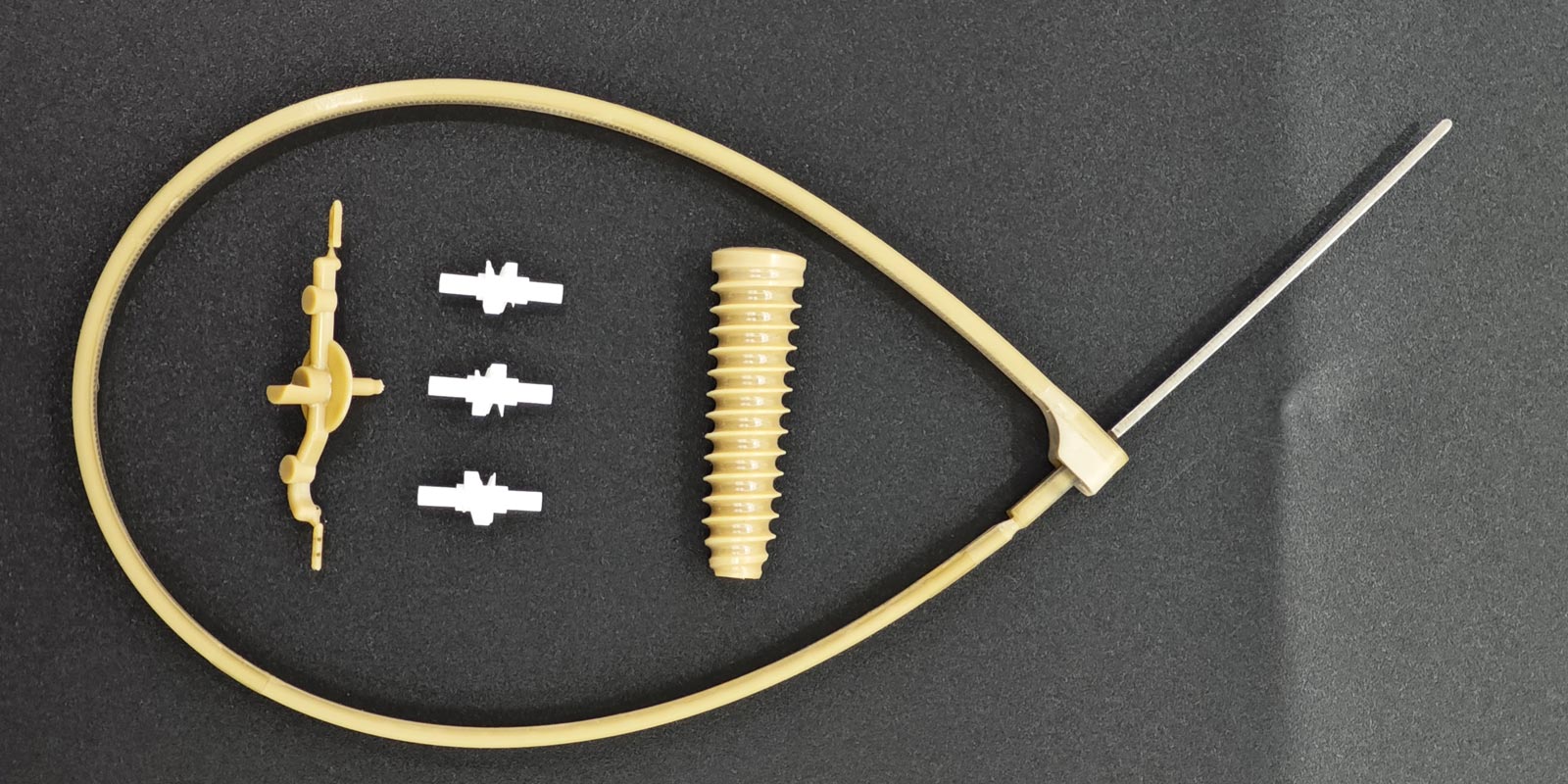
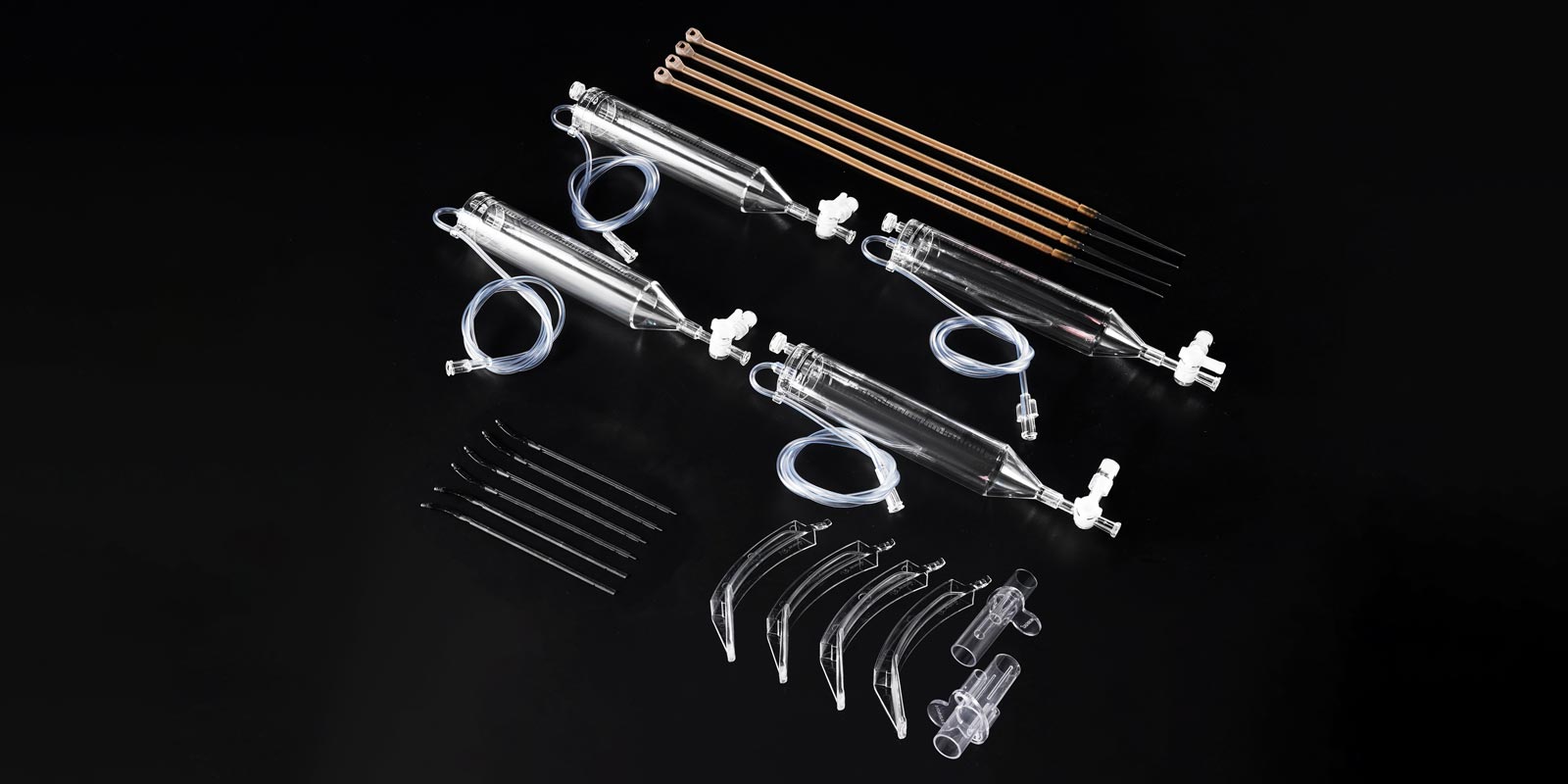
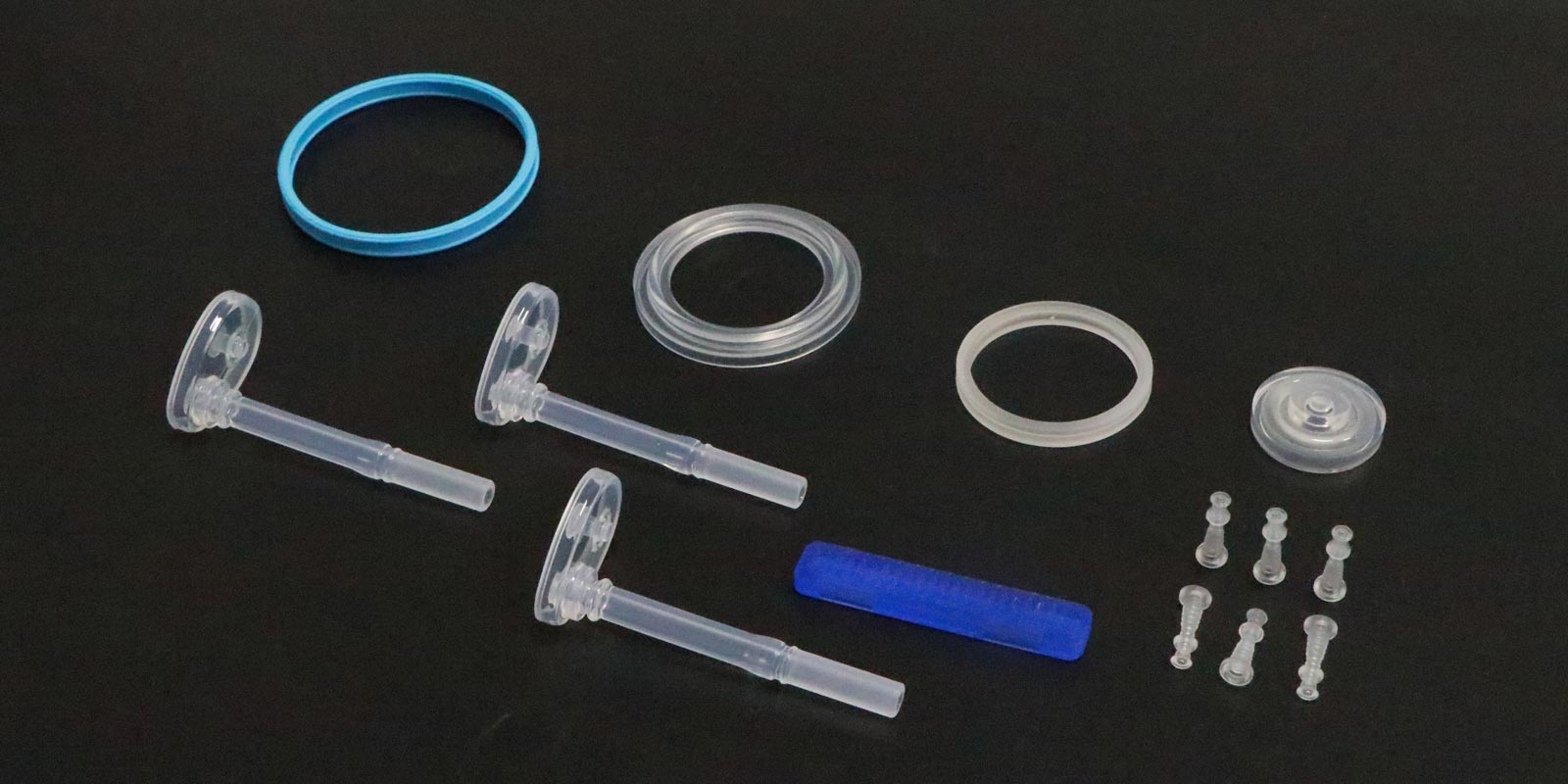
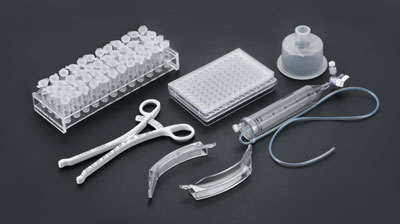


Laryngoscopes, as key instruments for observing the structures of the pharynx and larynx in clinical diagnosis and treatment, require their injection molding production to meet both precision manufacturing and medical safety standards. From production environment control to injection molding process optimization and final product quality inspection, every link must comply with the regulations of the medical device industry. The following is an analysis from four dimensions: environment, technology, materials, and quality control.
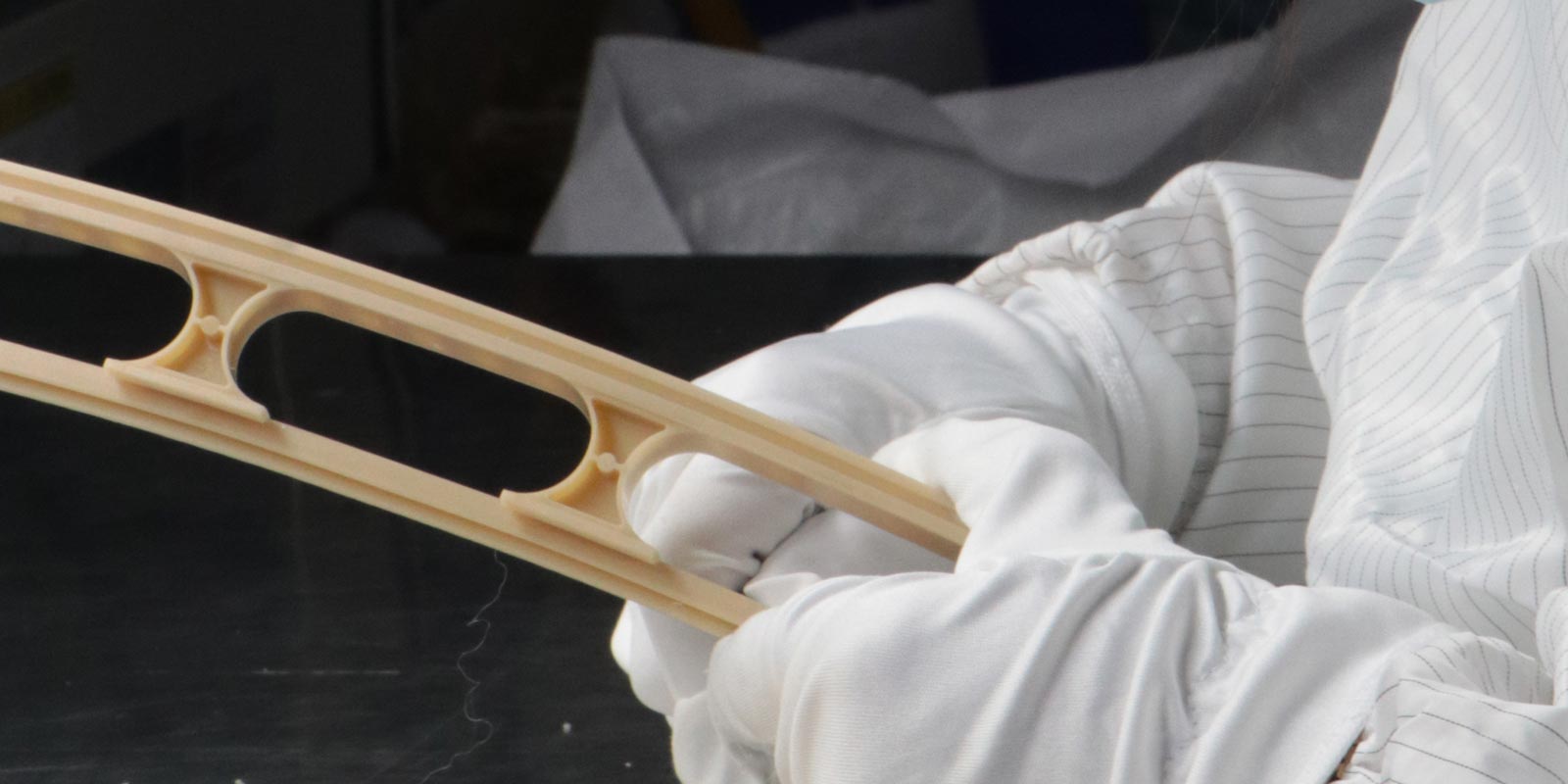
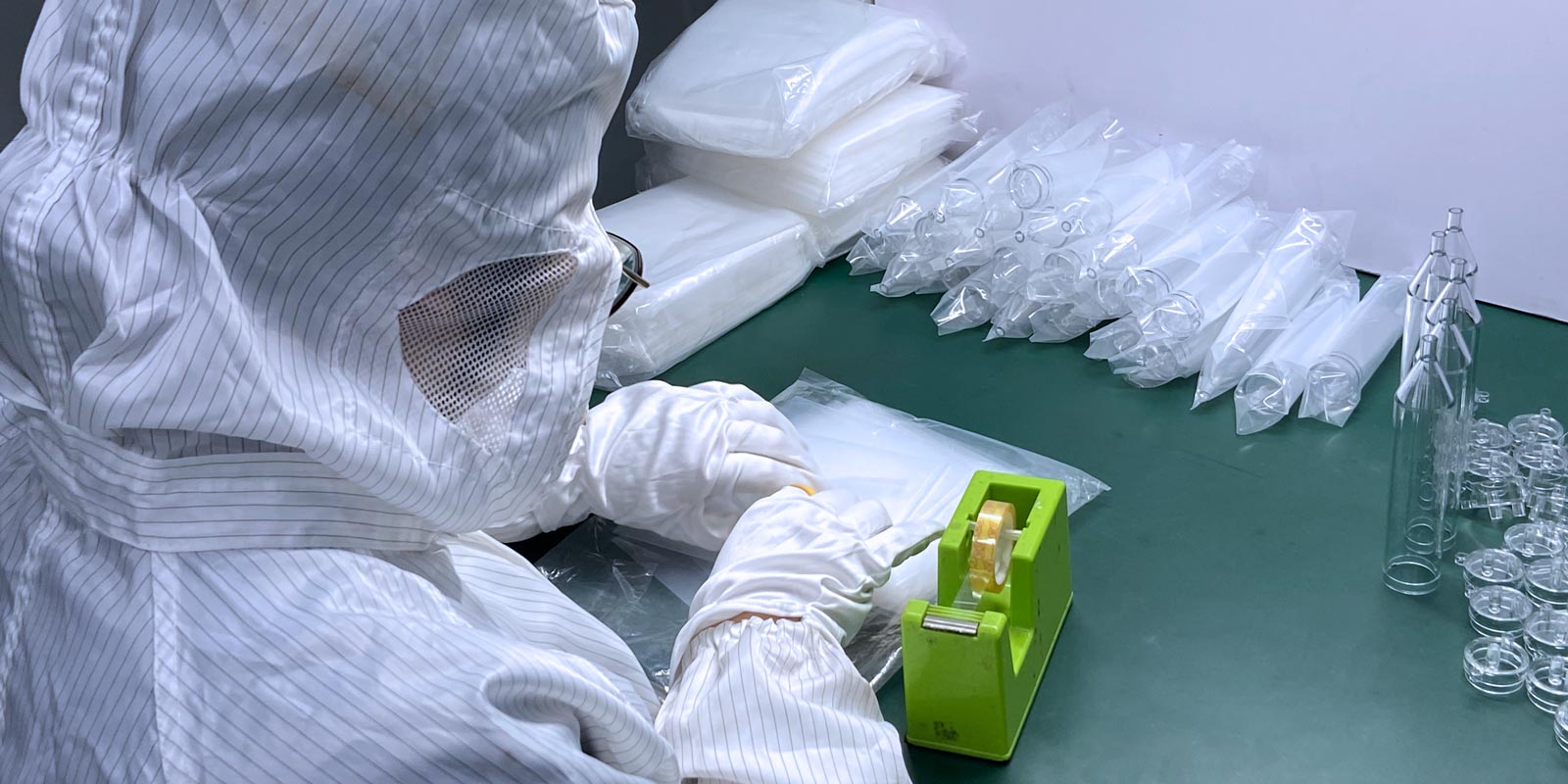
The laryngoscope injection molding workshop needs to be classified according to the "Good Manufacturing Practice for Medical Devices." The core area (such as the molding area for the viewing blades) must meet the ISO 7 (Class 10,000) cleanliness standard, that is, the number of suspended particles ≥0.5μm in each cubic meter of air should be ≤352,000, and the number of microorganisms (airborne bacteria) should be ≤10/m³. The auxiliary area (such as the material storage area) can be relaxed to the ISO 8 (Class 100,000) standard, but it needs to be isolated from the clean area through airlocks and pass boxes to prevent cross-contamination.
The production environment temperature should be controlled at 20±2℃, and the humidity should be ≤40% to prevent material moisture absorption, which can lead to dimensional deviations or static electricity attracting dust. For example, polycarbonate (PC) material is prone to water absorption when the humidity is too high, and bubbles may form after injection molding; when the humidity is too low, static electricity may occur, attracting airborne particles. The workshop needs to be equipped with a constant temperature and humidity system and monitor the data in real-time through sensors.

The injection molded parts of laryngoscopes need to be made of materials that meet the ISO 10993 standard, such as polyphenylsulfone (PPSU) and polycarbonate (PC). Taking PPSU as an example, it needs to pass 12 biological safety tests, including cytotoxicity (MTT method), sensitization (skin patch test), and pyrogen (limulus amebocyte lysate test). Its molecular weight distribution should be narrower than 1.8 to ensure batch stability.
Raw materials should be stored in a constant temperature and humidity warehouse (temperature 20±2℃, humidity ≤40%). After unpacking, they should be put into use within 8 hours. Each batch of materials should be provided with biological compatibility reports and FDA 510(k) certification documents, and undergo incoming inspection for melt index (MI) and color difference (ΔE≤1).
Each injection molded part should be marked with the production batch, mold number, operator information, etc. through laser marking or QR codes to ensure product traceability. Production data should be uploaded to the MES system in real-time, forming an electronic file containing 150 parameters to meet the compliance requirements of FDA 21 CFR Part 11.
The production of laryngoscope injection molding needs to take "precision manufacturing" as the main technical line and "medical safety" as the quality bottom line. From clean workshop environment control to the parameter optimization of all-electric injection molding machines, from the strict selection of medical-grade materials to full-process quality inspection, every link must comply with the ISO 13485 medical device quality management system and China's "Good Manufacturing Practice for Medical Devices." With the increasing demand for minimally invasive and visualization in the medical industry, laryngoscope injection molding technology is developing towards higher precision, higher cleanliness, and higher biological safety, providing more reliable instruments for clinical diagnosis and treatment.
PREV:What to Do If Fly Edge Appears in Medical Injection Molding Processing?
NEXT:Solutions to Burr Problems in Medical Injection-Molded Products
Add: 62 Jinghai East Road, Chang'an Town, Dongguan City, Guangdong Province
Whatsapp: 13302615729
Tel: 86-133-0261-5729
Email: info@yizemould.com

Add: 62 Jinghai East Road, Chang'an Town, Dongguan City, Guangdong Province
Whatsapp: 13302615729
Tel: 86-133-0261-5729
Email: info@yizemould.com
 Home
Home