

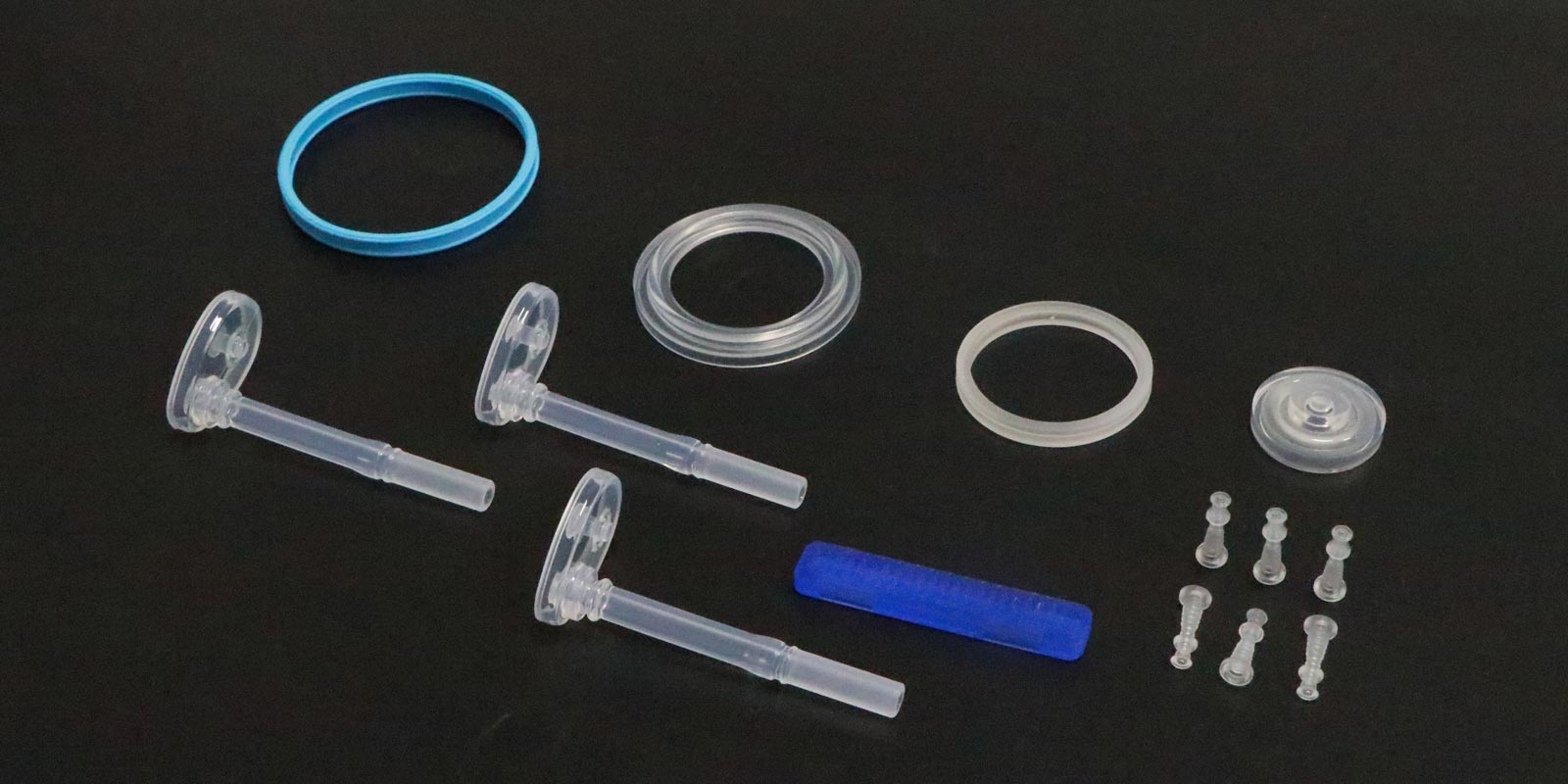
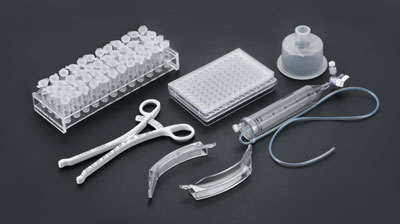



Medical plastic injection-molded parts, as core components of medical devices, directly impact patients' life safety and treatment outcomes. From material selection to process control, from mold design to quality inspection, every link must adhere to international standards and industry norms. The following analyzes the core requirements for medical plastic injection-molded parts from six dimensions.
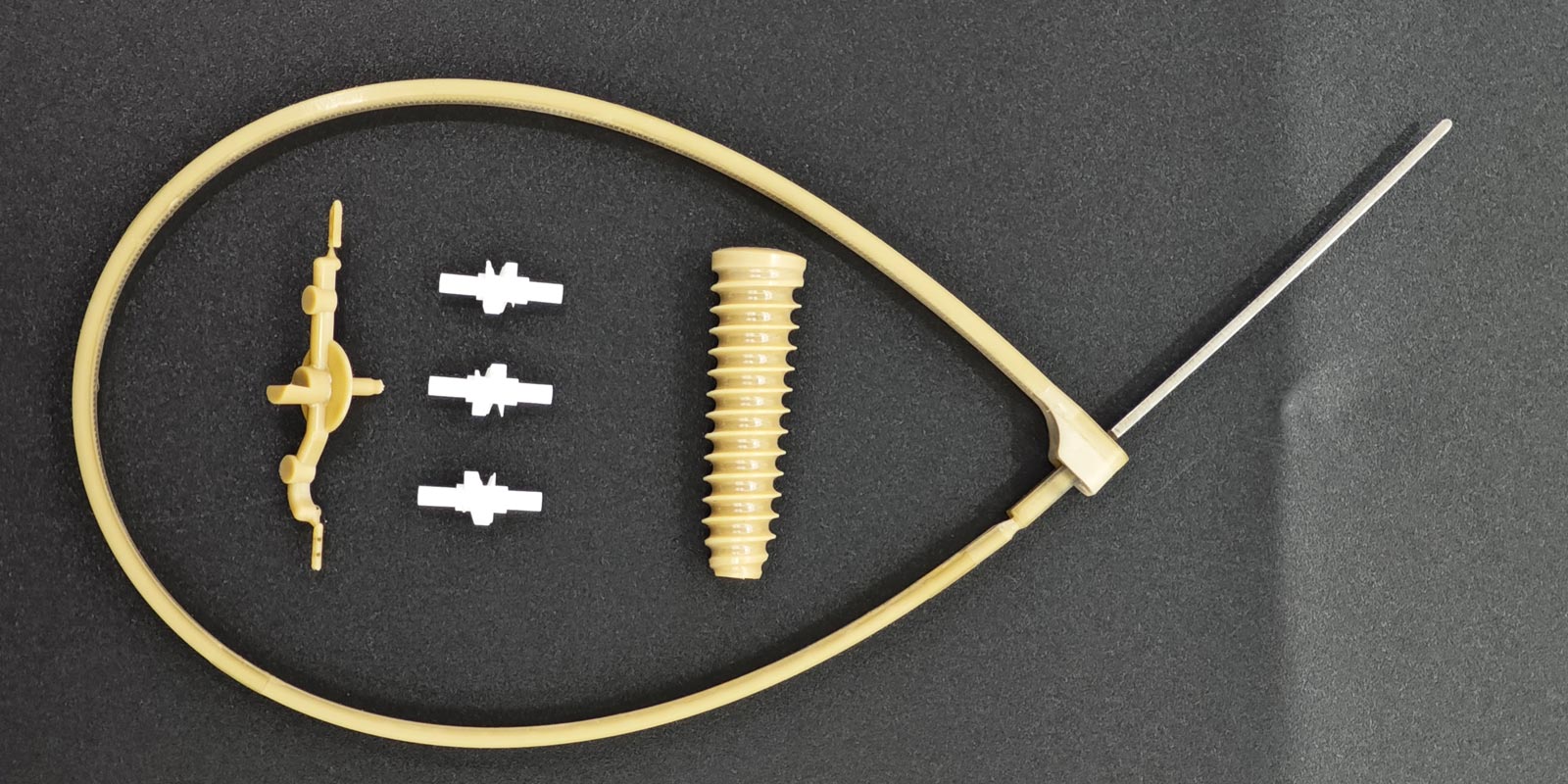
Medical plastic materials must pass the ISO 10993 series of standard tests, covering 12 aspects of biological safety assessment such as cytotoxicity, sensitization, irritation, and genotoxicity. For example, polyether ether ketone (PEEK) is widely used in orthopedic implants due to its excellent biocompatibility. It needs to pass the limulus amebocyte lysate test for pyrogen reactions, ensuring a narrow molecular weight distribution below 1.8 to guarantee batch stability. Polycarbonate (PC) requires skin patch tests to verify its sensitization potential and is commonly used in transparent parts like hemodialyzer housings.
The chemical stability of materials is equally crucial. Polytetrafluoroethylene (PTFE), known as the "king of plastics," hardly reacts with any chemical substances, making it the first choice for vascular catheters and tracheal intubation tubes. Polypropylene (PP) has strong resistance to most acids, alkalis, and salts and is widely used in disposable syringes and infusion bottles. For parts that require frequent sterilization, such as surgical instrument trays, polyphenylsulfone (PPSU) can withstand 121°C moist heat sterilization for 15 - 30 minutes and has better dimensional stability than ordinary engineering plastics.
Medical parts need to be compatible with various sterilization methods, including moist heat sterilization, ethylene oxide sterilization, and irradiation sterilization. For example, parts sterilized with gamma rays need to verify the material's radiation resistance to prevent degradation and the generation of harmful substances. Products sterilized with ethylene oxide require control over the material's adsorption of ethylene oxide. Medical silicone is the preferred choice for seals due to its low adsorption characteristics.
Moist heat sterilization places strict requirements on the material's heat resistance. PPSU can maintain its mechanical properties at 121°C, while ordinary PC is prone to deformation under these conditions. Some parts need to pass accelerated aging tests (such as 70°C/168 hours) to simulate a 5-year service life and ensure long-term stability.
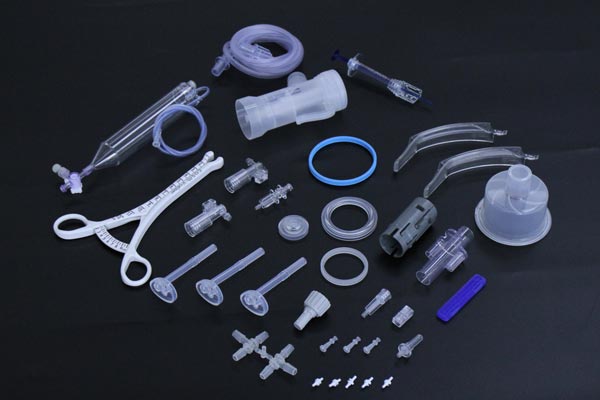
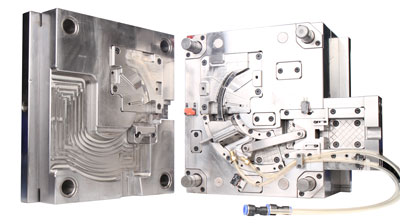
The manufacturing tolerance of medical molds needs to be controlled within ±0.005mm, and the surface roughness Ra should be ≤0.2μm, far exceeding the standards for ordinary industrial molds. For example, the mold for cardiac stent catheters requires hard chrome plating or diamond-like carbon (DLC) coating to improve wear resistance. After every 5,000 mold cycles, ultrasonic cleaning and precision re-measurement are required to prevent dimensional deviations caused by mold release agent residues.
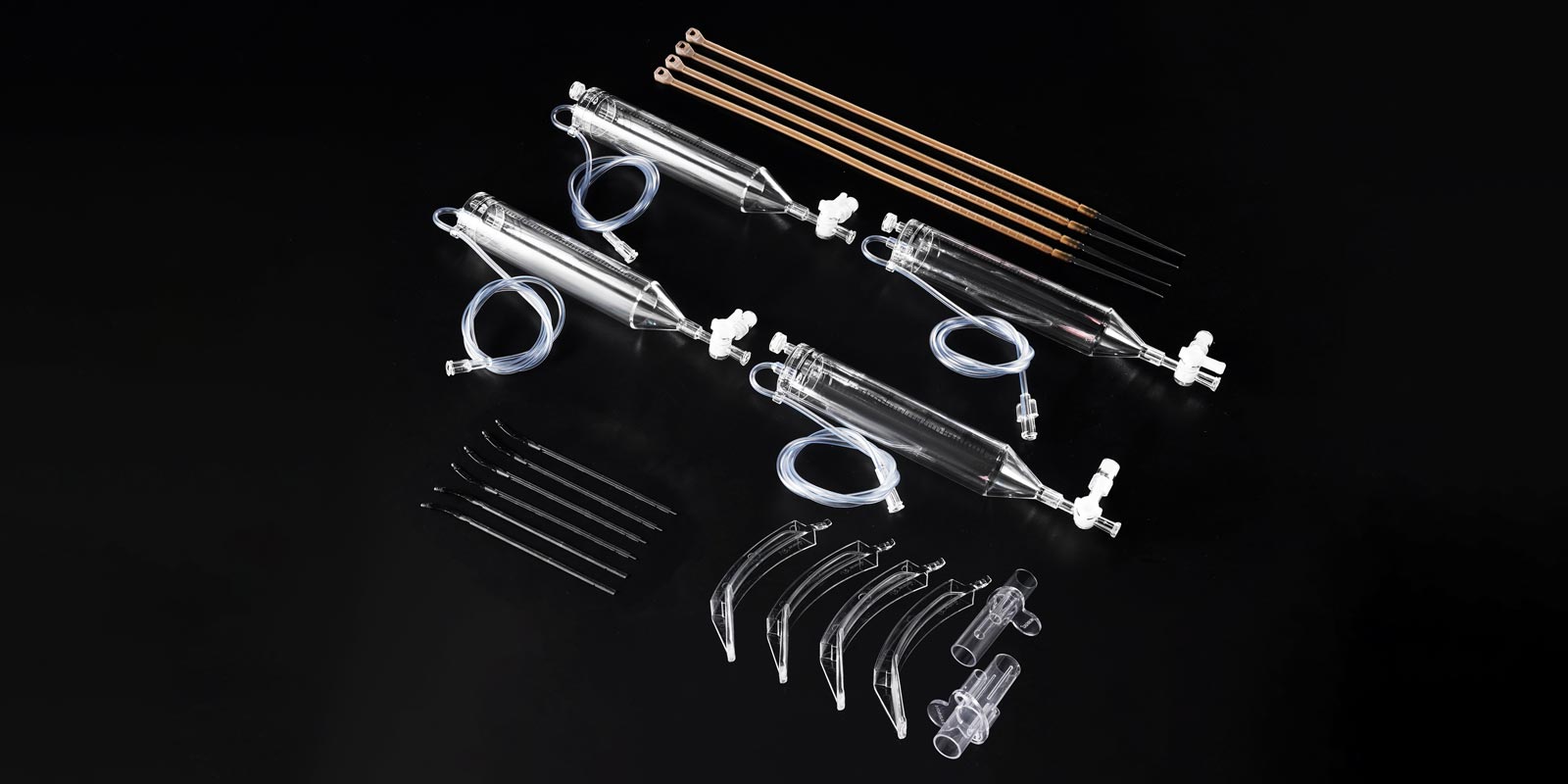
Mold design needs to be optimized according to product characteristics. Thin-walled parts (such as infusion connectors) use submerged gates to control the shrinkage cavity depth to ≤0.1mm. Deep-cavity parts (such as catheter connectors) require variable-angle ejection designs, combined with TiN-coated ejector pins (with a friction coefficient ≤0.18) to prevent sticking. For implantable parts, the mold cavity should be made of 316L stainless steel (ASTM A276) and coated with 2 - 3μm of DLC film, passing FDA inertness tests to avoid the release of metal ions.
Injection molding process parameters need to be dynamically adjusted according to material characteristics. Taking crystalline plastic PP as an example, the barrel temperature should be controlled between 180 - 230°C. Temperatures above 250°C can lead to oxidative degradation and the release of aldehyde impurities. A mold temperature of 50 - 80°C can increase crystallinity and enhance impact resistance. Amorphous plastic PVC requires rapid cooling at a mold temperature of 20 - 40°C to reduce internal stress and prevent stress cracking.
The injection pressure and speed should match the product structure. Thin-walled parts (with a thickness <1mm) require an injection pressure of 100 - 150MPa, while thick-walled parts (with a thickness >3mm) need a pressure of 80 - 100MPa, with a fluctuation range ≤5% to ensure a product weight difference of <0.1%. For multi-layer co-extrusion blow-molded products (such as infusion bags), the parison preparation should ensure a wall thickness deviation of ≤±0.05mm, with a blow molding pressure of 0.2 - 0.6MPa and a time of 5 - 15 seconds. The pressure-time curve should be optimized to reduce wall thickness unevenness.
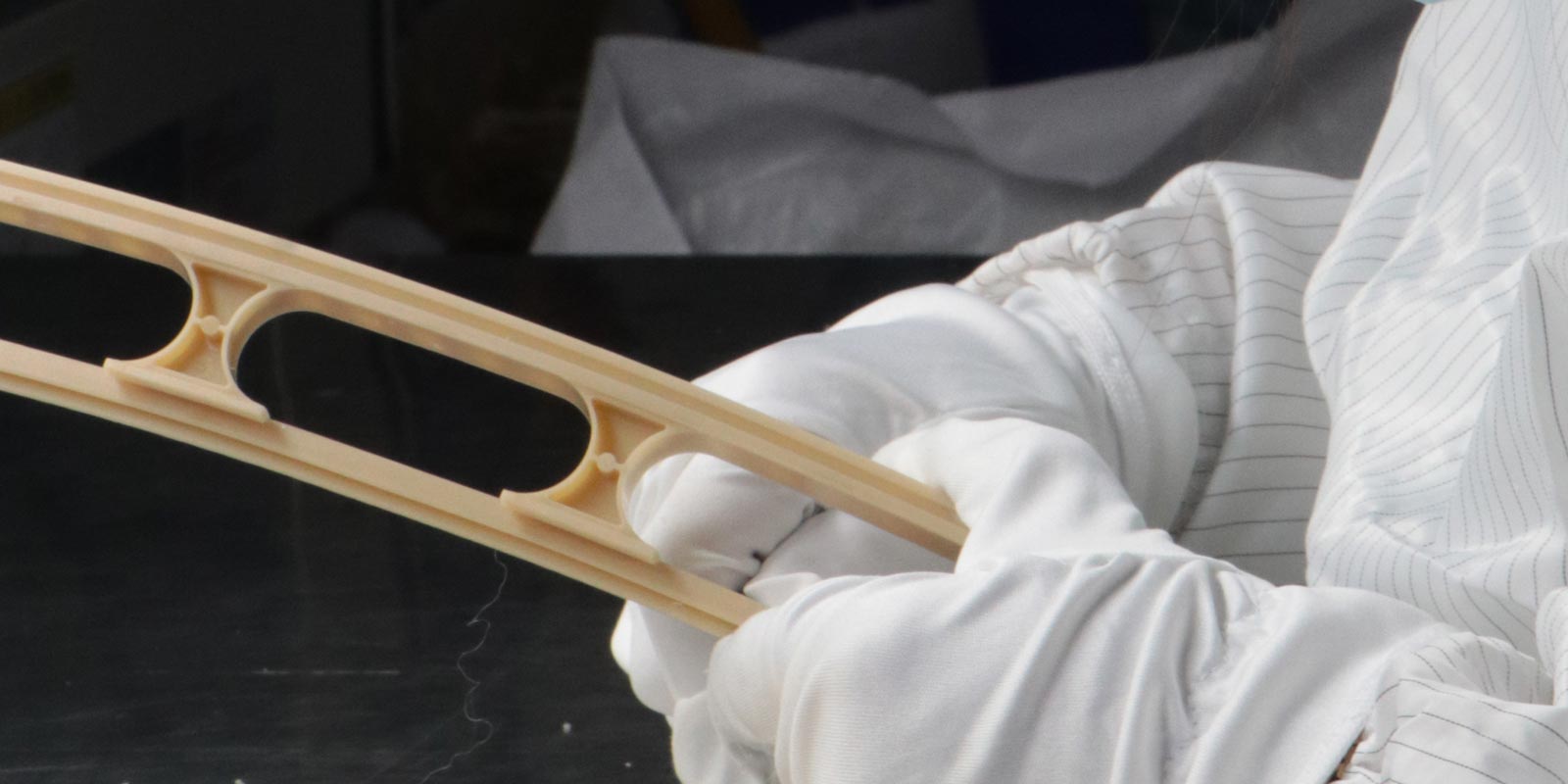
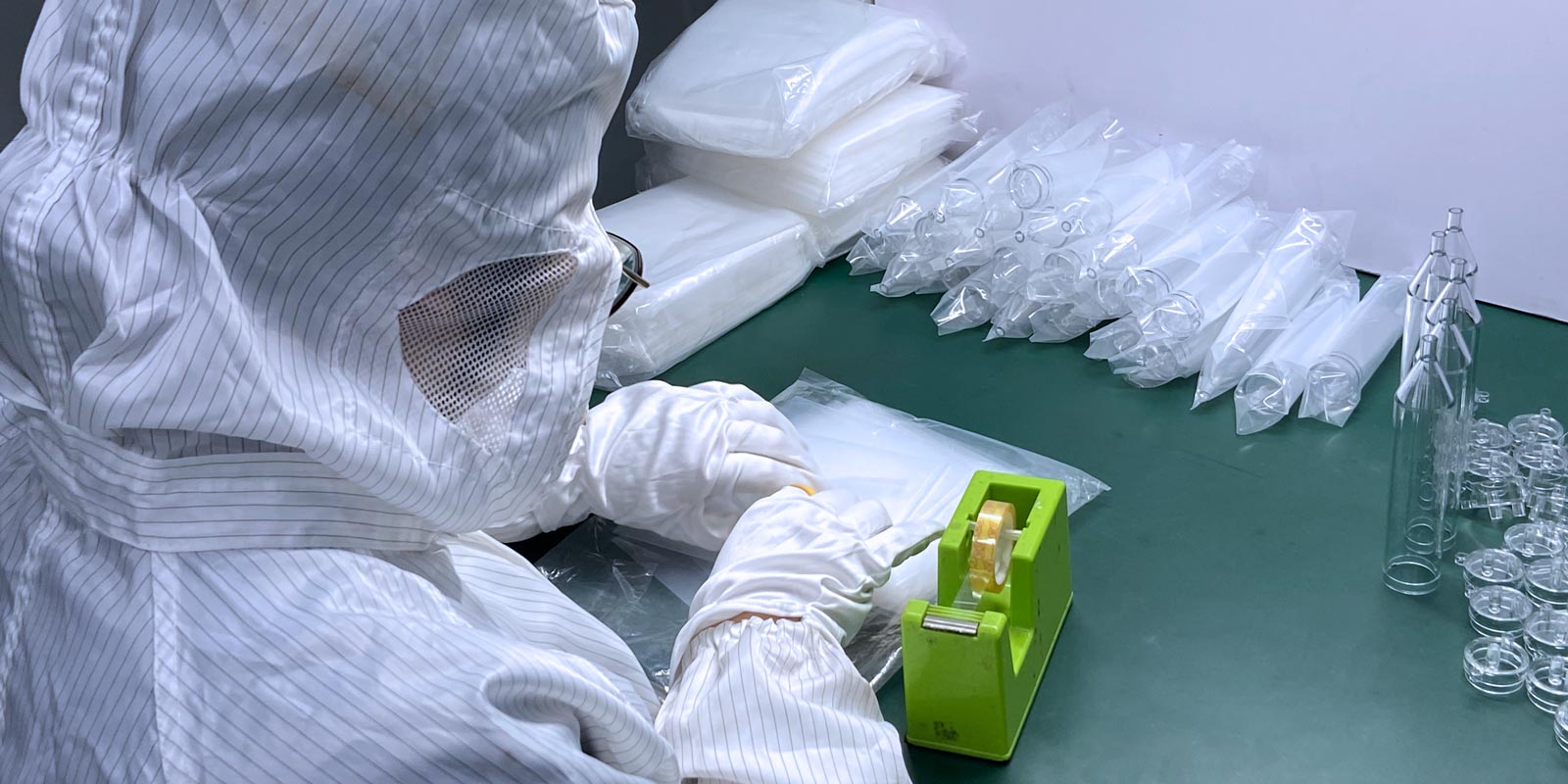
The production of medical parts should be carried out in an ISO Class 7 (Class 10,000) cleanroom, and implantable products require an upgrade to an ISO Class 5 (Class 100) laminar flow hood. The workshop needs to control the number of suspended particles (≥0.5μm particles ≤3520 per m³) and settled microbes (≤10CFU per dish), and monthly ATP fluorescence tests should be conducted to ensure surface cleanliness. Operators need to wear hooded sterile gowns, masks, and gloves and pass through an air shower for dust removal before entering. Equipment should be regularly sterilized with ozone or hydrogen peroxide, and conveyor belts should be made of stainless steel or food-grade plastic to avoid secondary contamination.
Raw materials need to record data such as supplier, batch number, and quality reports. For implantable parts (such as PEEK orthopedic parts), precise traceability of their distribution is required. Each batch of materials needs to provide a biological compatibility report and FDA 510(k) certification documents, and undergo incoming inspection for melt flow rate (MI) and color difference (ΔE ≤1).
Finished product inspection should cover physical, chemical, and biological properties. For example, a coordinate measuring machine (CMM) is used for micron-level measurement of key dimensions, with 100% coverage of geometric tolerance detection. A high-speed vision inspection system is used to identify weld lines and air bubbles smaller than 0.1mm². The final product needs to pass sterilization verification for gamma rays or ethylene oxide to ensure disinfection resistance. Production data should be uploaded to the MES system in real-time, forming an electronic file containing 150 parameters to meet FDA 21 CFR Part 11 compliance requirements.
Add: 62 Jinghai East Road, Chang'an Town, Dongguan City, Guangdong Province
Whatsapp: 13302615729
Tel: 86-133-0261-5729
Email: info@yizemould.com

Add: 62 Jinghai East Road, Chang'an Town, Dongguan City, Guangdong Province
Whatsapp: 13302615729
Tel: 86-133-0261-5729
Email: info@yizemould.com
 Home
Home